



Antique Silver Table Fork
These antique silver table fork pieces are solid dining tools built to last, offering substantial weight and genuine historical character for the modern table.
Antique Silver Table Fork
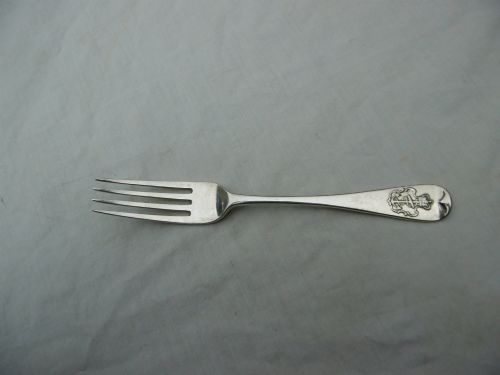
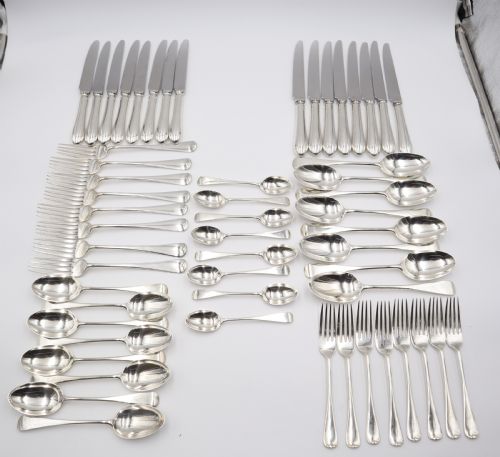
You are most likely to encounter Victorian and Edwardian sterling silver specimens on this page, often appearing singly or as part of larger cutlery sets and specialised serving utensils.
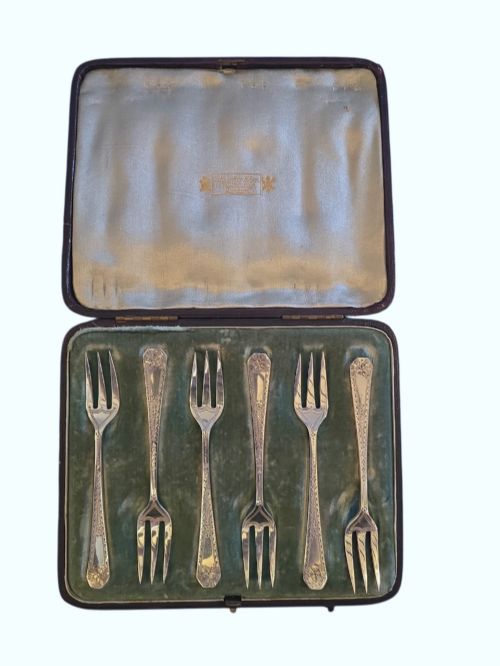
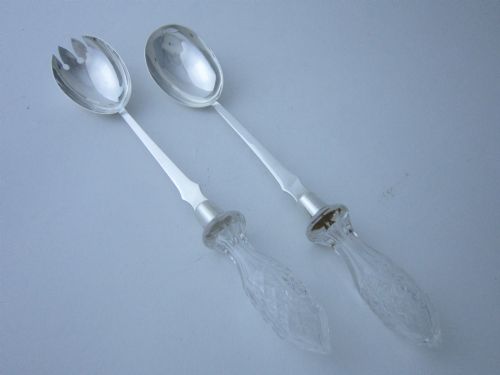
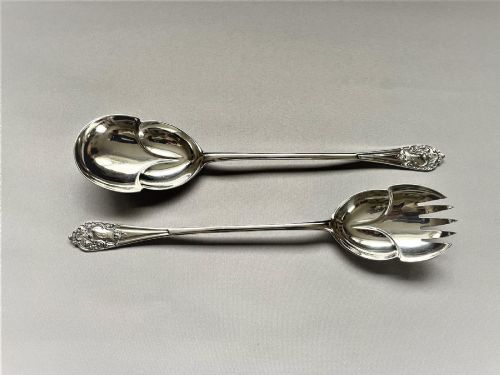
Beyond standard dining forms, the evidence shows related items such as hors d'oeuvres forks, salad servers with glass components, crab picks, and three-pronged dessert forks.
How they were made
These items are constructed primarily from sterling silver and standard silver, frequently paired with functional steel elements such as tines on older variants. Makers also incorporated organic materials like mother-of-pearl for handles.
Specialised serving pieces demonstrate mixed media construction, utilising cut glass, velvet, silk, and leatherette within fitted presentation cases to protect the metalwork.
Antique Silver Table Fork Retail Price Guide 2026
Typical asking prices for silver table fork among the pieces listed under this phrase on Sellingantiques today, from the lower quarter to the upper quarter. They describe what is for sale here now, not the wider market.
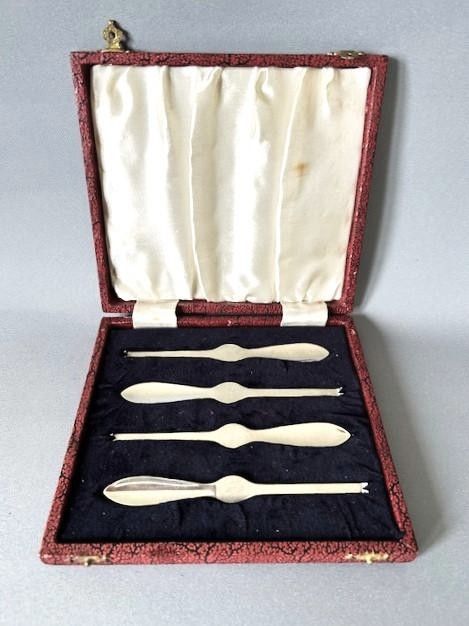
A specialised set of boxed silver crab picks proves that historic dining habits demanded dedicated tools for even the most intricate seafood.
What varies in quality
Quality rests upon the crispness of the original shaping, the survival of engraved armorial crests, and the structural integrity of the metal. Early examples show distinct hand-wrought characteristics like three-pronged configurations.
The presence of original fitted boxes and matching maker marks across sets elevates the standing of individual pieces compared to orphaned utensils.
Hunt and Roskell·E Coker·International Silver Co
The Antique Silver Table Fork Glossary
- Sterling silver
- An alloy containing a high proportion of pure silver combined with other metals to ensure durability for everyday dining. This standard forms the basis of most legitimate British dining silver.
- Rat tail
- A traditional strengthening ridge running down the back of the fork bowl or stem where it joins the handle. This feature appears on early dining silver to reinforce the joint.
- Armorial crest
- An engraved family heraldic symbol marking ownership and status. These detailed crests indicate that the cutlery was commissioned for a prominent household.
- Admiralty pattern
- A specific historical design style utilised for official or institutional dining silver. Such patterns display robust proportions suited for heavy use.
Antique Silver Table Fork: Frequently Asked Questions
What defines an antique table fork?
An antique table fork is a dining implement made of silver or mixed materials dating back to the eighteenth, nineteenth, or early twentieth centuries. These utensils were designed for the main course of a formal meal.
Over the generations, forms evolved from early three-pronged configurations to the heavier, multi-tined Victorian and Edwardian patterns seen on dining tables today.
How do I care for antique silver?
Silver requires gentle handling and regular use to maintain a natural, soft lustre without wearing down historical engravings. Hand washing with mild soap is essential to protect delicate elements like mother-of-pearl handles.
Storing pieces in dry environments away from rubber compounds prevents tarnishing and preserves any original velvet or leatherette presentation cases.
How are different periods identified?
Periods are determined through hallmarks, maker marks, stylistic changes, and construction techniques such as prong counts. Georgian pieces often display simpler, heavier wrought forms.
Victorian and Edwardian examples show greater industrial refinement, machinery assistance, and a wider variety of specialised dining and hors d'oeuvres sets.
Can these forks still be used?
These forks were built as sturdy utility items intended for daily dining rather than fragile cabinet ornaments. Their solid silver and steel construction allows them to perform reliably at the modern table.
Using them brings historical craftsmanship into active service, though proper hand cleaning is required to preserve their condition.