

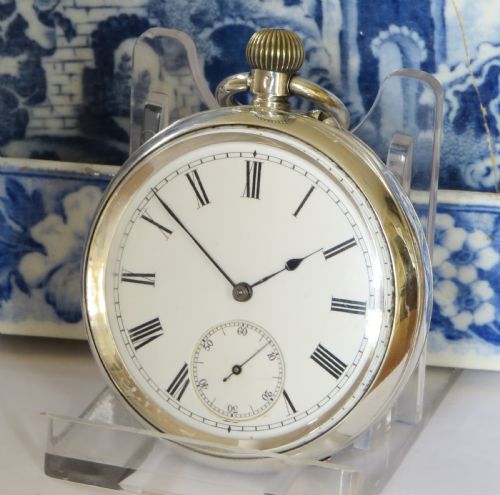
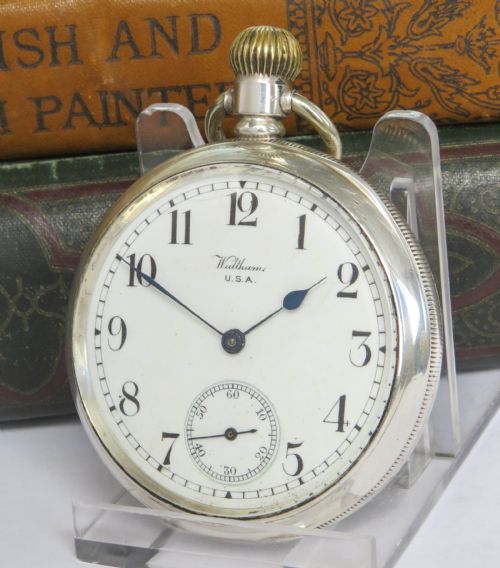
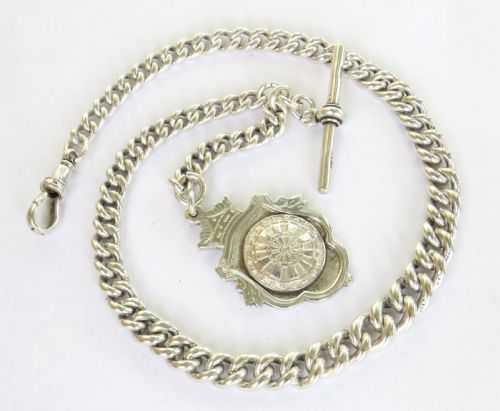
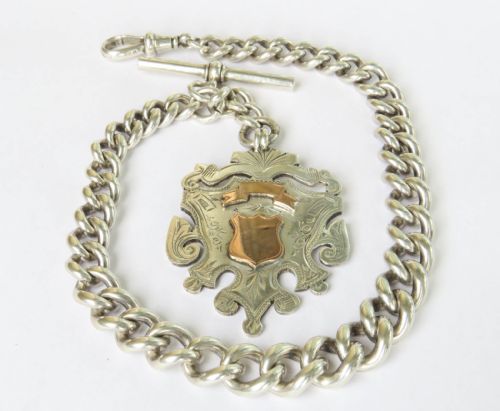
Antique Silver Pocket Watch Fob
An antique silver pocket watch fob secures your timepiece with practical style.
Antique Silver Pocket Watch Fob
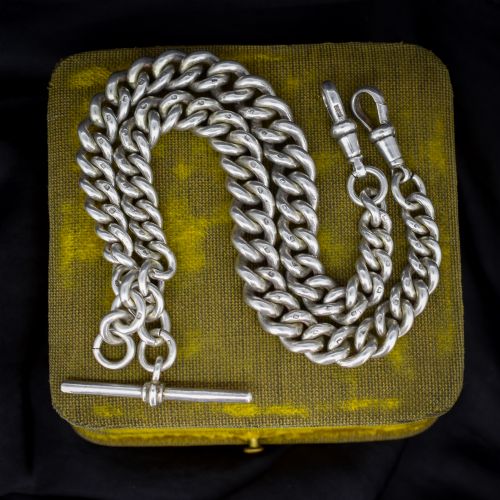
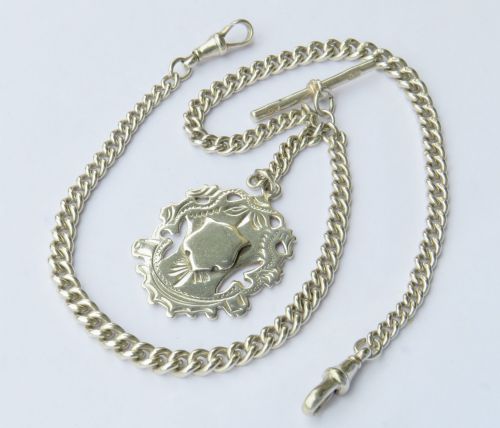
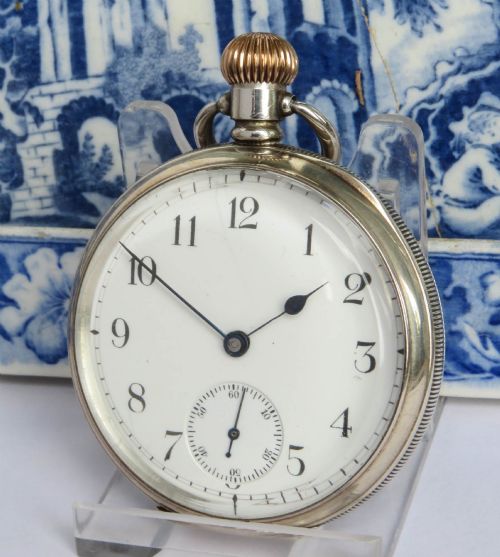
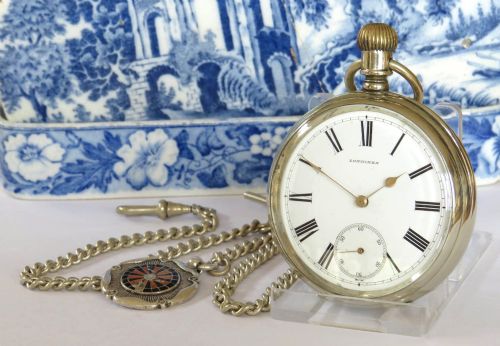
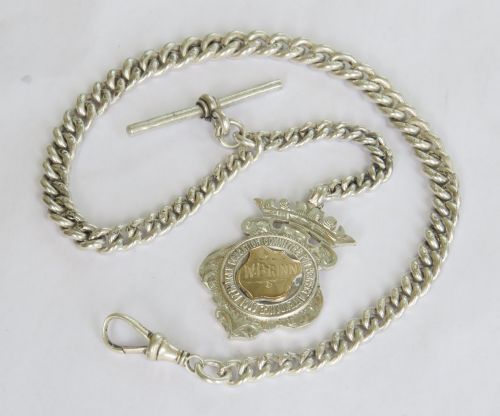
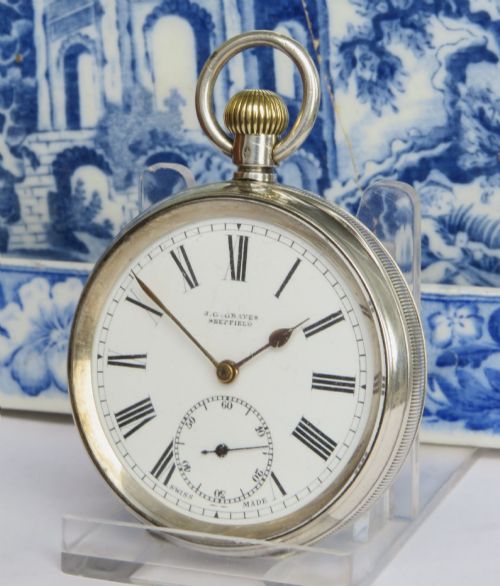
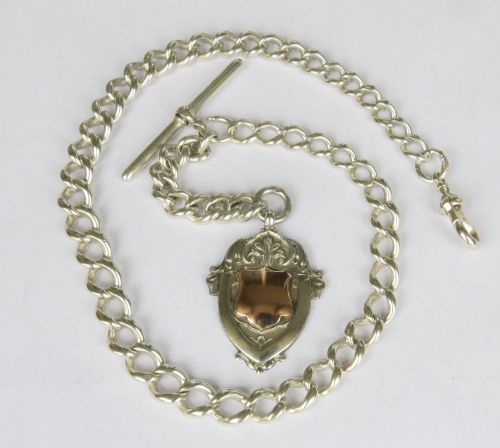
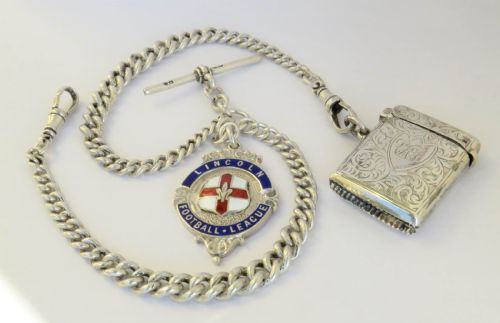
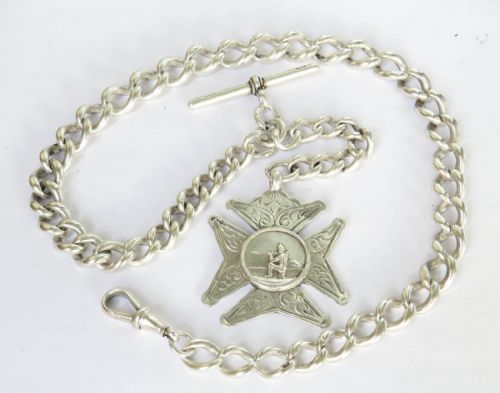
The antique silver pocket watch fob spans the Victorian, Edwardian, and Art Deco eras, appearing alongside matching albert chains, sovereign cases, and pocket watches. These accessories functioned as both decorative pendants and practical attachments for waistcoats.
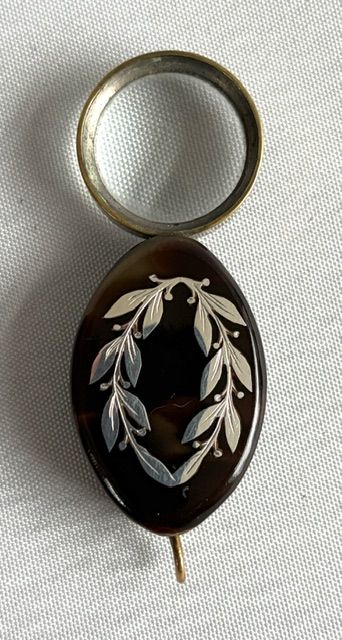
You will encounter pieces ranging from simple geometric shields and darts fobs to complex hinged lockets, compasses, and magnifying loupes. Many examples originate from the late nineteenth and early twentieth centuries, reflecting the high point of portable timekeeping.
Materials and construction
Silver and sterling silver form the structural basis of these pieces, frequently paired with contrasting materials such as enamel, tortoiseshell, and glass. Component parts like curb links, trombone links, and love knots are joined to create flexible chains and rigid charms.
Makers utilised stamping, engraving, and hallmarking techniques to apply intricate patterns and certify metal purity. Brass, steel, nickel, and rose gold occasionally supplement the primary silver framework in dual-tone compositions.
Antique Silver Pocket Watch Fob Retail Price Guide 2026
Typical asking prices for silver pocket watch fob among the pieces listed under this phrase on Sellingantiques today, from the lower quarter to the upper quarter. They describe what is for sale here now, not the wider market.
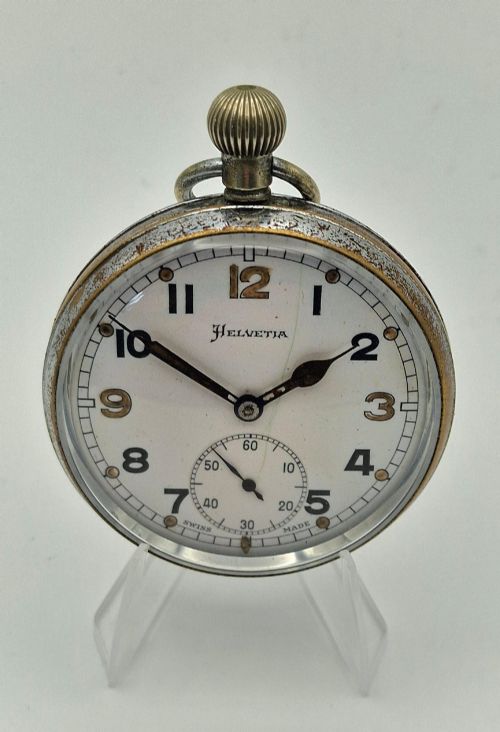
The listings span the Victorian, Edwardian, Art Deco, and 1940s military periods, utilising sterling silver, enamel, and tortoiseshell.
Defining characteristics of quality
Quality reveals itself in the crispness of the chased engraving and the structural integrity of hinges on opening sovereign cases or lockets. Heavier components and dense link formations demonstrate superior substance compared to hollow or pressed alternatives.
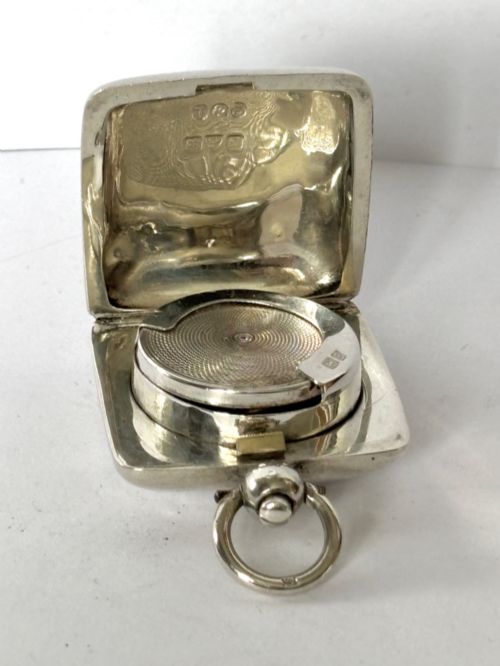
Clear hallmarks stamped by official assay offices provide reliable evidence of origin and metal standard. The integration of functional elements, such as working compasses or secure clasps, distinguishes standard items from exceptional examples.
EJ Trevitt And Sons·Aaron Lufkin Dennison
The Antique Silver Pocket Watch Fob Glossary
- Albert chain
- A chain attached to a pocket watch, designed to be passed through a waistcoat buttonhole and secured to a fob or pocket.
- Sovereign case
- A small, round container engineered to hold gold sovereign coins securely, often fitted with a spring mechanism.
- Vesta
- A small metal box used to store matches, commonly suspended from a watch chain alongside other fobs.
- Hallmark
- An official mark stamped into precious metals to indicate the standard of purity, the assay office, and the year of manufacture.
Antique Silver Pocket Watch Fob: Frequently Asked Questions
How do I wear a pocket watch fob?
Attach one end of the albert chain to your pocket watch and thread the T-bar through a central buttonhole on your waistcoat. The fob hangs downward from this anchor point as a decorative counterweight.
Alternatively, secure the chain to a belt loop and let the fob rest inside a pocket. This keeps the components stable during daily movement.
What is the difference between a single and double albert chain?
A single albert chain runs from the watch in one pocket straight to the buttonhole, where the fob hangs freely at the drop. This configuration offers a streamlined appearance.
A double albert chain anchors at the buttonhole and splits to connect to both a pocket watch on one side and a sovereign case or vesta on the other.
How do I read silver hallmarks on a fob?
Locate the small stamped symbols on the reverse or edge of the piece using a magnifying loupe. The lion passant typically indicates sterling silver, while a town mark reveals the assay office.
A trailing letter stamp points to the specific year of testing. Matching these marks against registry records confirms the exact period.
Can I store coins in a sovereign case?
Yes, sovereign cases were originally manufactured to hold standard gold coins safely in the pocket. The interior spring clip keeps the coin firmly in place against the velvet or metal lining.
Verify that the hinge and latch mechanism close tightly before inserting any valuables. Modern coins may differ slightly in thickness from historical dimensions.