
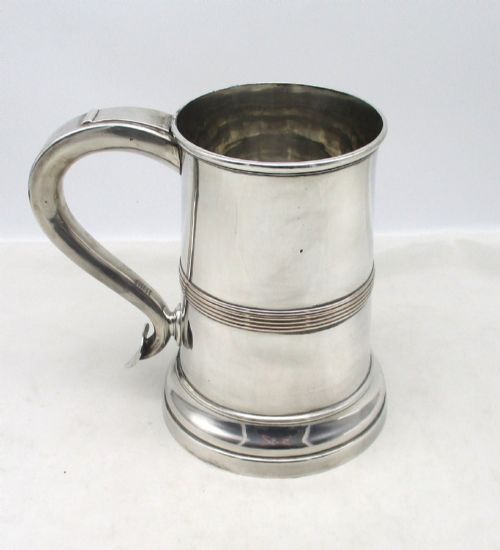
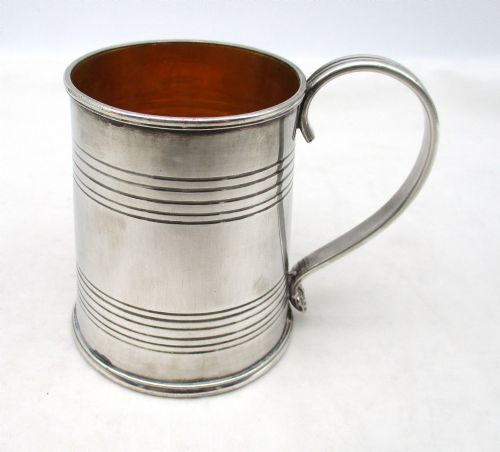
Antique Silver Plates
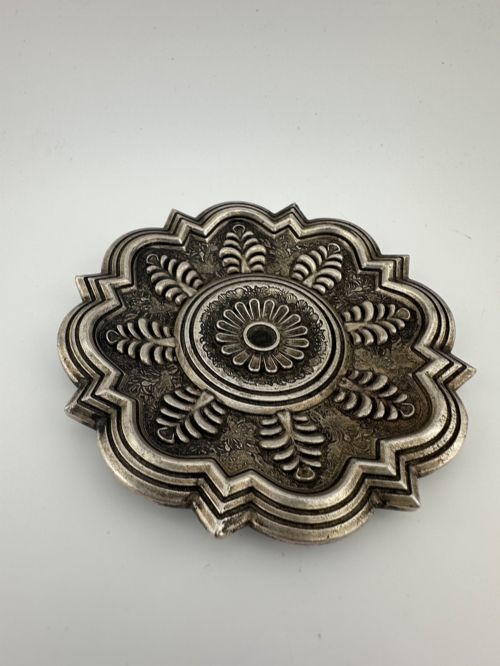
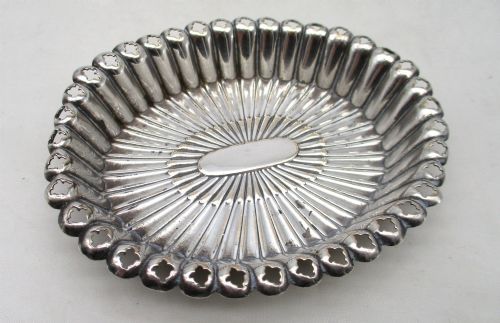
When you search for antique silver plates, you encounter solid silver dining wares alongside durable silver plated serving trays and chargers.
Antique Silver Plates
Buyers looking for antique silver plates encounter both solid sterling silver dining wares and silver plated serving pieces. The pieces on this page span from Georgian sterling chargers to Victorian and Edwardian silver plated trays and salvers.
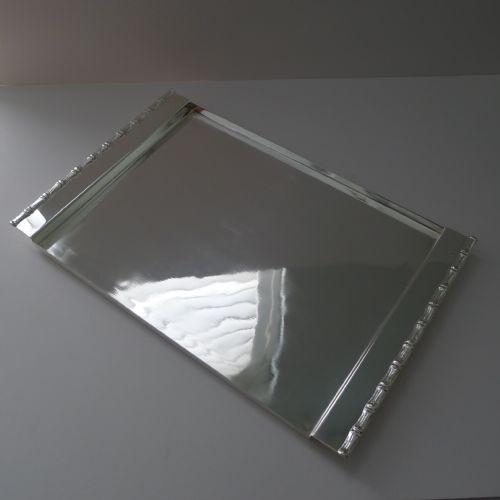
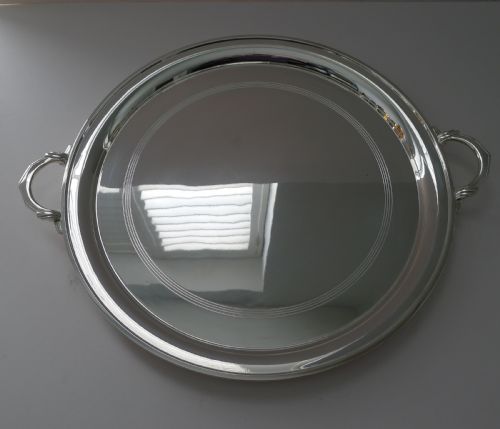
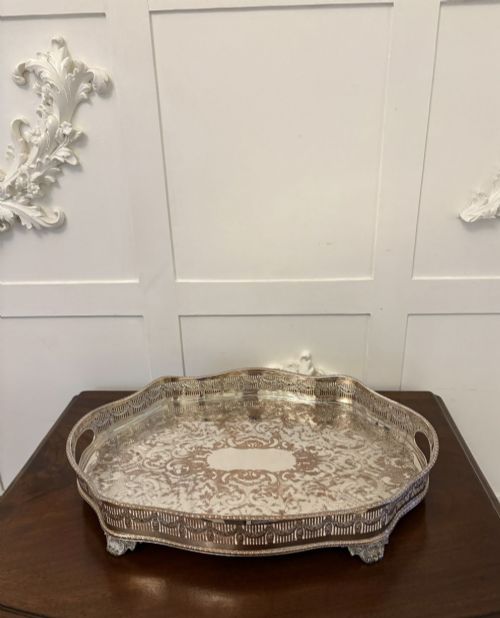
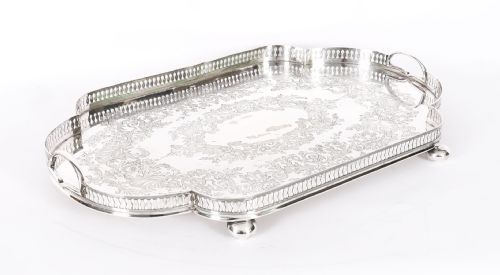
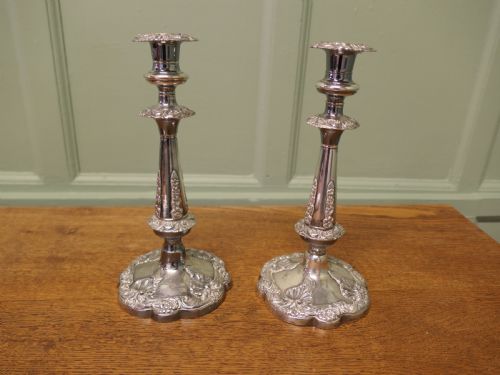
While the historic archive includes solid George III sterling dinner plates, the current selection leans heavily towards silver plated serving trays, salvers, and gallery trays produced across the nineteenth and twentieth centuries.
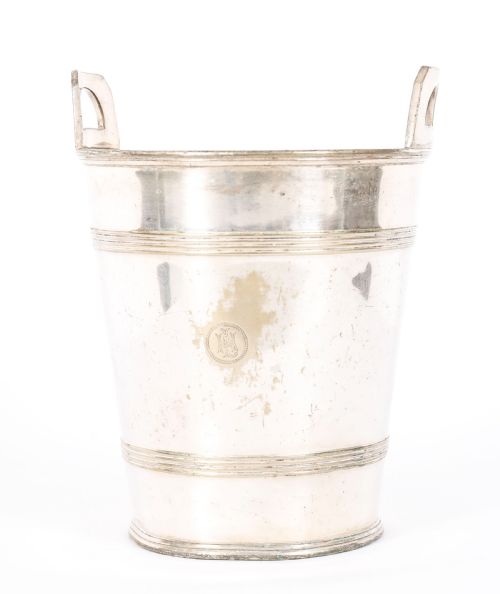
These items were manufactured for formal dining rooms, railway carriages, and grand households, serving practical functions such as carrying courses or presenting wine coolers.
Materials and construction methods
Makers utilised various base metals, predominantly copper and nickel silver, applying methods like Old Sheffield plating and later electroplating to achieve a silver surface.
Old Sheffield plate fuses a thin sheet of sterling silver to a thicker copper core, often revealing subtle copper bleed along the edges and seams under close inspection.
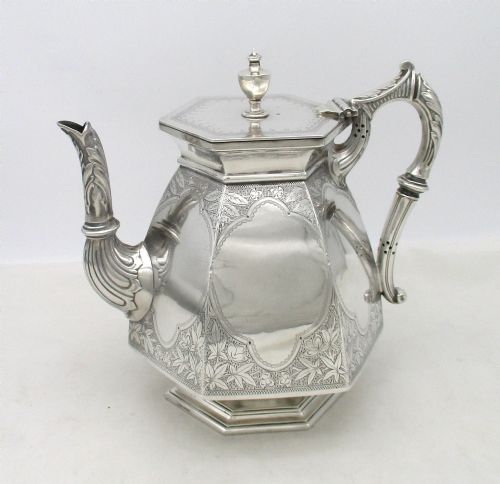
Electroplated nickel silver, introduced in the nineteenth century, provides a uniform metallic foundation that supports intricate stamped or cast ornamentation such as gallery rims and engraved scrollwork.
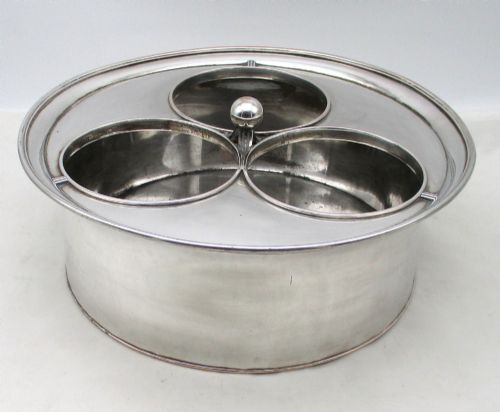
Silver-plated pheasants and railway compartment sinks sit quietly among the tea trays and champagne coolers.
What separates the best pieces
Quality rests in the crispness of the chased or engraved detailing and the retention of the original silver layer over the base metal.
Superior examples display balanced proportions, substantial weight, and well-defined maker marks rather than worn plating and softened decorative motifs.
Keith Murray For Mappin·Mappin And Webbs·James Deakin·William Hutton And Sons·Elkington
The Antique Silver Plates Glossary
- Old Sheffield Plate
- A fused composite material made by heating a sheet of sterling silver onto a copper ingot before rolling them together into plates. This technique precedes nineteenth-century electroplating methods.
- Electroplated Nickel Silver
- A base alloy of copper, nickel, and zinc coated with a layer of pure silver through an electrolytic process. This method enabled mass production of tableware from the mid-nineteenth century onwards.
- Salver
- A flat serving tray, typically round and supported on small feet, used for presenting drinks or correspondence. Victorian examples often feature heavily engraved surfaces and cast borders.
- Gallery Tray
- A serving tray featuring an openwork metal gallery or pierced railing around the raised edge. These frequently incorporate wooden bases with shell inlay.
- Silver Gilt
- Silver that has been coated with a thin layer of gold on its surface. This finish provides a warm golden tone while maintaining a silver interior.
Antique Silver Plates: Frequently Asked Questions
What is the difference between solid silver and silver plate?
Solid silver pieces consist entirely of precious metal stamped with official hallmarks indicating sterling purity. Silver plated items utilise a base metal core, such as copper or nickel silver, coated with a thin layer of pure silver.
Over time, heavy polishing can wear away the outer silver layer on plated wares, revealing the darker base metal beneath. Solid silver maintains its metallic composition throughout the entire object.
How do I care for antique silver plated trays?
These items require gentle cleaning with specialised silver polishes and soft cloths to prevent abrasive damage to the thin plated surface. Avoid harsh chemical dips that strip away historic patination.
Store the pieces in dry environments away from direct sunlight and humidity to minimise tarnishing. Regular, light cleaning preserves the reflective finish better than infrequent, aggressive scrubbing.
How can I date an Old Sheffield plate piece?
Old Sheffield plate was produced primarily between the mid-eighteenth century and the middle of the nineteenth century before electroplating became dominant. Examining the edges often reveals a thin line of exposed copper where the metals were joined.
Stylistic cues such as Georgian borders or Regency forms help narrow down the decade of manufacture. Unmarked pieces rely entirely on construction techniques and decorative style for dating.
Were these plates used for daily dining?
Historic dining practices determined the function of these wares, with large chargers and salvers reserved for formal entertaining and presentation. Smaller plates and trays served specific duties during tea service or sideboard preparations.
Today, collectors utilise these items as decorative table centerpieces, vanity trays, or serving accessories in modern homes. Their durable construction allows for continued practical use alongside display.