
Antique Silver Plated Bowl
An antique silver plated bowl brings domestic metalwork and coloured glass together on the dining table or sideboard from the Victorian and Edwardian eras.
Antique Silver Plated Bowl
The search for an antique silver plated bowl reveals an array of domestic vessels designed for serving food, holding fruit, or displaying flowers.
Pieces span the nineteenth and early twentieth centuries, encompassing Victorian, Edwardian, and Art Deco design styles.
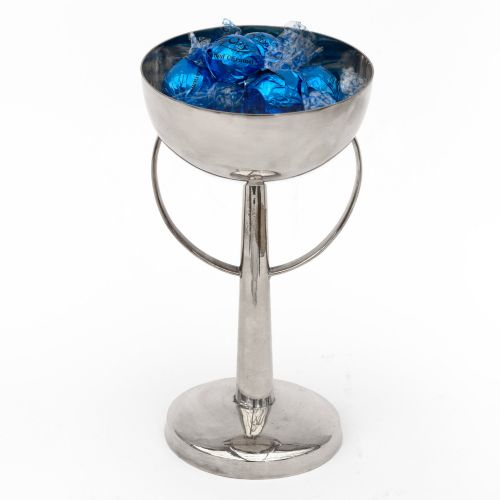
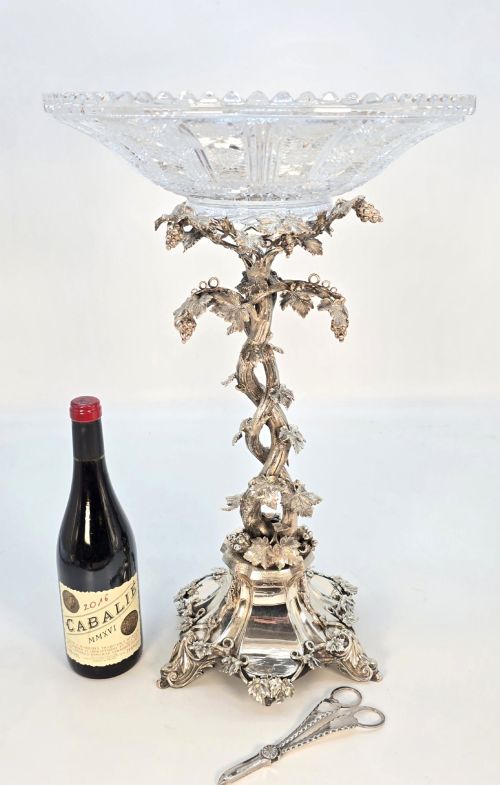
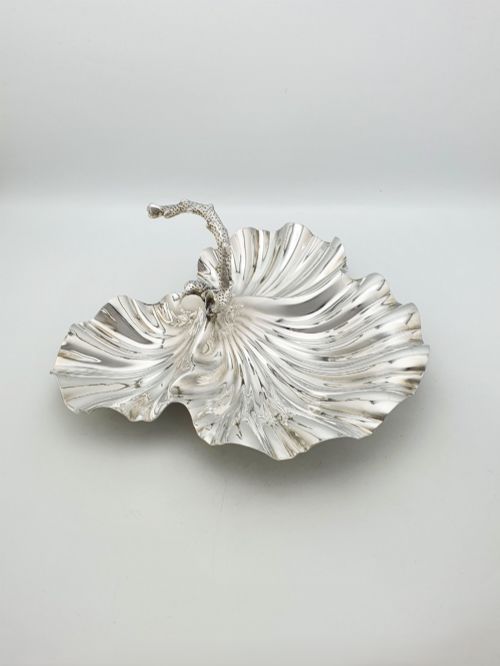
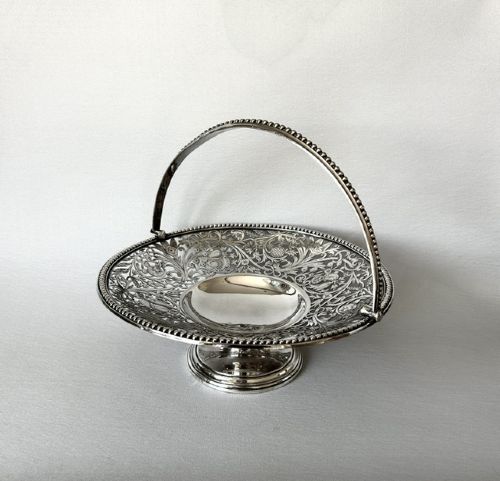
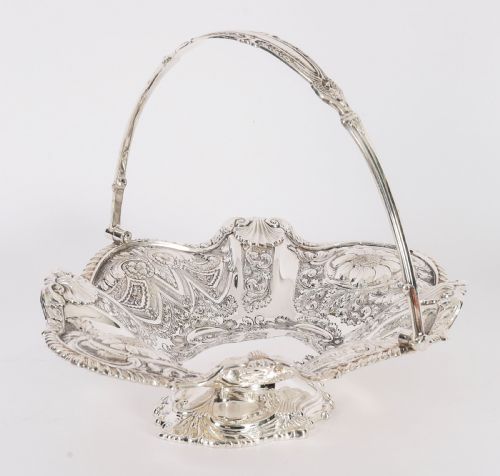
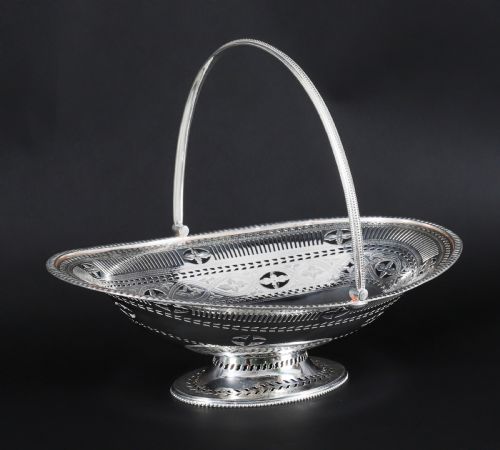
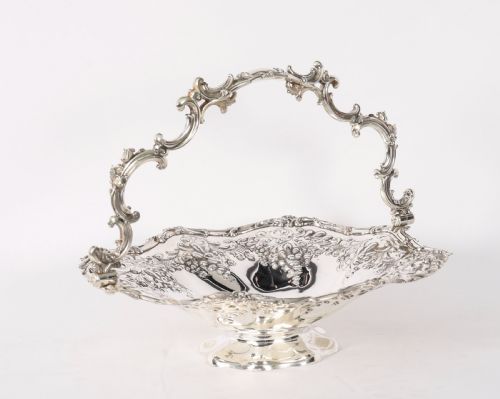
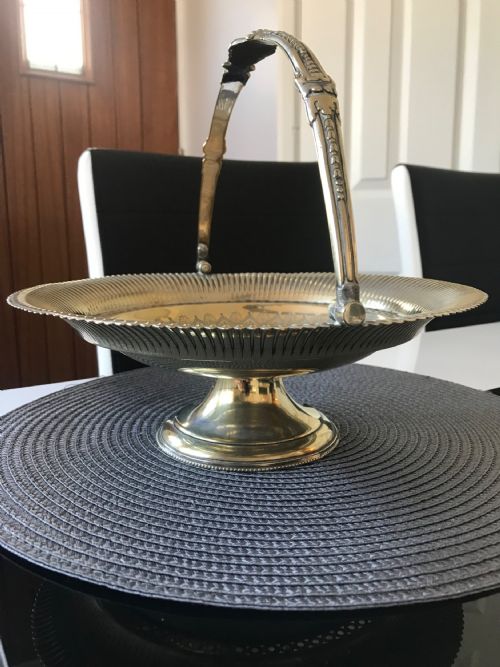
Common forms include pedestal fruit baskets, table centrepieces, sugar bowls, and novelty dishes shaped as shells or animals.
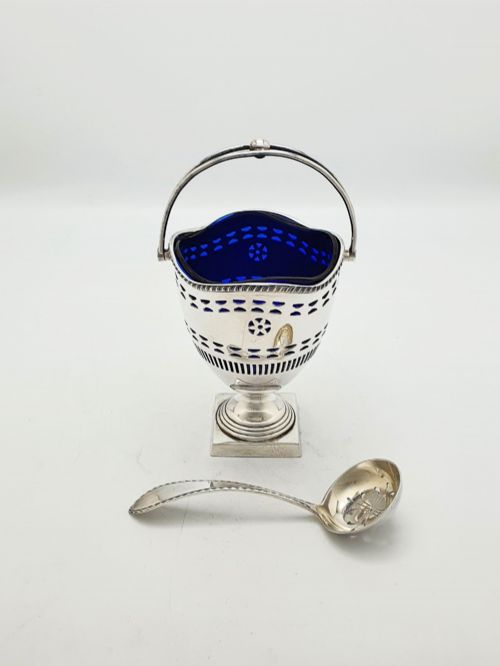
Many designs incorporate liners made from cut, cranberry, or vaseline glass, pairing metalwork with contrasting colours.
Materials and construction
Manufacturing methods rely on electroplated nickel silver or older techniques such as Old Sheffield plating, where a thin layer of silver is fused to a base metal like copper.
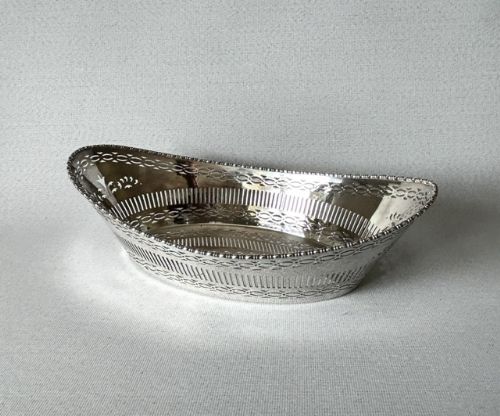
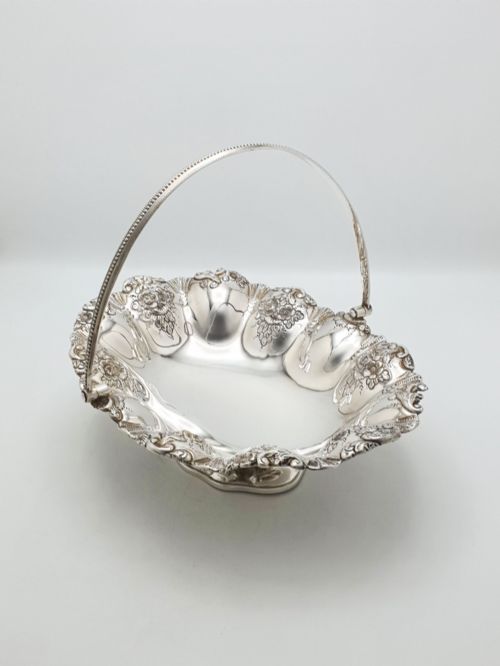
Decorative elements often feature floral repoussé work, pierced rims, and hand engraving applied to the metal body.
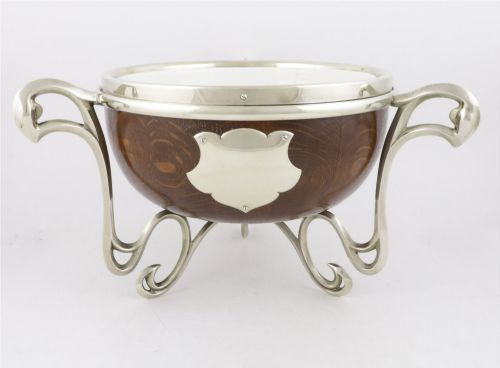
Composites frequently integrate natural materials, pairing silver plate with oak timber, ceramics, or coloured glass liners.
Listings feature items spanning the eighteenth century through to the 1930s, incorporating Old Sheffield plate, copper, oak, and vaseline glass.
Distinctions in manufacture
The standard of execution depends on the crispness of the chased decoration and the weight of the underlying metal structure.
Superior examples display balanced proportions in cast handles and mounts, alongside securely fitted glass liners that sit flush within the metal framework.
Maker marks and stamps from established workshops often indicate careful attention to plate thickness and durable assembly.
Mappin and Webb·Walker and Hall·George W Scott and Sons Ltd·Hukin and Heath·Roberts and Belk·Daniel and Arter·Fenton Brothers·W Briggs
The Antique Silver Plated Bowl Glossary
- Electroplated Nickel Silver
- A base metal alloy coated with a layer of pure silver through an electrolytic process. This method became widespread during the mid nineteenth century as a substitute for solid silver.
- Old Sheffield Plated
- An early fusion technique where a sheet of silver is mechanically bonded to a copper core before forming. This process predates nineteenth century electroplating methods.
- Vaseline Glass
- A type of transparent or translucent glass containing uranium dioxide, which gives it a distinctive yellow-green hue. It frequently appears paired with Edwardian silver plate.
- Repoussé
- A metalworking technique where the design is hammered into relief from the reverse side. This method creates textured floral and scroll motifs on bowls and baskets.
- Monteith Bowl
- A large vessel featuring a scalloped or notched removable rim designed to hold wine glasses by their stems. These pieces often date from the Victorian period onwards.
Antique Silver Plated Bowl: Frequently Asked Questions
How were these bowls used originally?
These vessels served diverse practical functions in nineteenth and twentieth century homes, acting as fruit baskets, sugar basins, punch bowls, or nut dishes for domestic dining.
Larger versions stood as centrepieces on dining tables, while smaller handled dishes held condiments, preserves, or sweetmeats during formal meals.
What glass types accompany the metalwork?
Liners and inserts frequently utilise coloured glass such as cranberry, cobalt blue, ruby, or vaseline varieties designed to contrast with the silver surface.
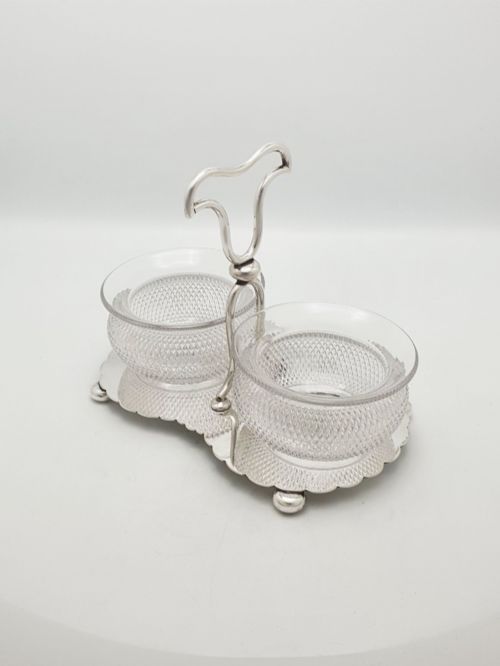
Cut glass and pressed glass bowls also appear extensively, held securely within pierced or repoussé metal frames.
How do I distinguish Victorian from Edwardian pieces?
Victorian examples often display heavier ornamentation with neo-classical motifs, Rococo Revival scrolls, or naturalistic themes like shells and coral.
Edwardian items frequently lean towards lighter proportions, floral repoussé borders, and flowing Art Nouveau contours.
How should I care for silver plate?
Maintenance requires gentle cleaning with non-abrasive silver cloths or specialised polishes to preserve the thin metallic layer over the base metal.
Removable glass liners should be washed separately in warm soapy water to prevent moisture accumulation against the interior metal.