


Antique Silver Plate Hollowware
Antique silver plate hollowware covers large serving vessels and table items from the eighteenth century to the art deco era.
Antique Silver Plate Hollowware
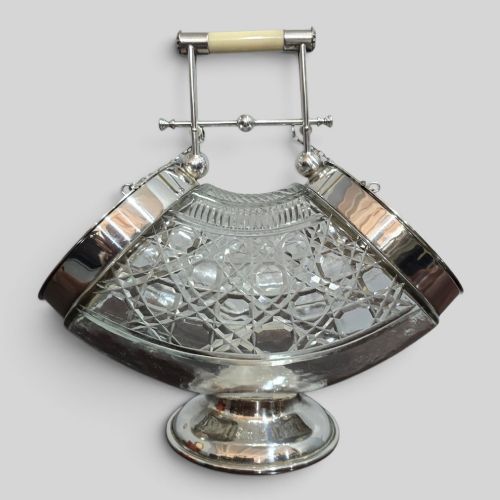
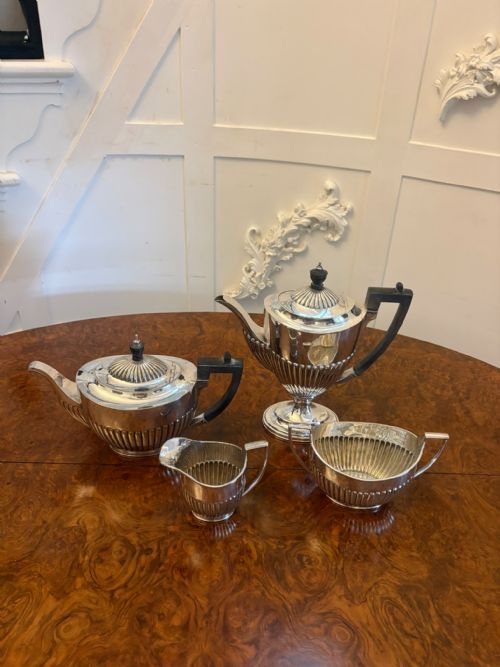
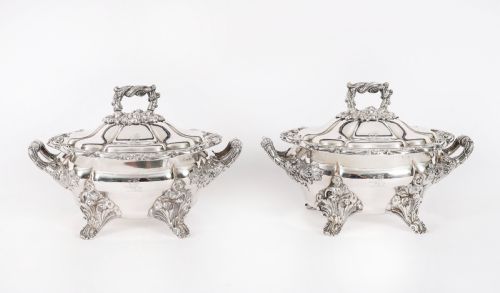
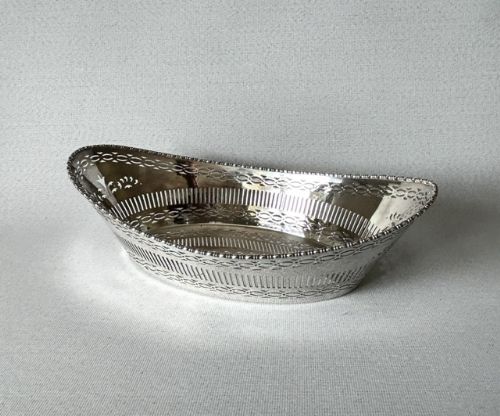
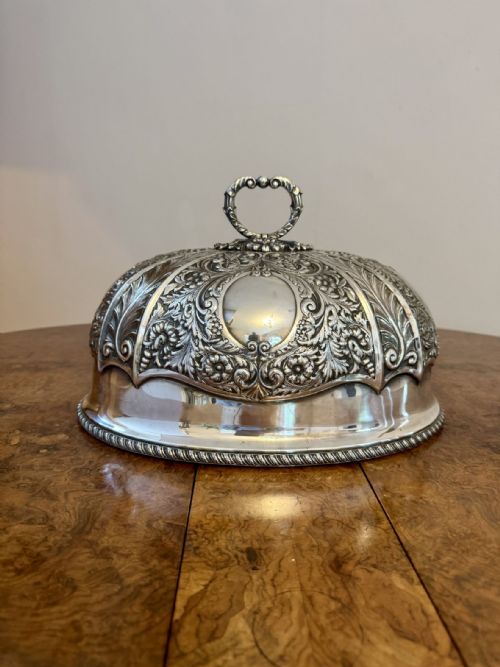
When a buyer searches for antique silver plate hollowware, they encounter substantial dining and serving pieces spanning the eighteenth, nineteenth, and early twentieth centuries. The selection centres on functional tableware such as coffee pots, tea sets, meat domes, biscuit barrels, sauce tureens, and bread baskets.
Most items on this page date from the Victorian and Edwardian periods, alongside significant examples of Old Sheffield Plate and Georgian designs. These vessels served wealthy dining tables for beverage service, gravy warming, and food presentation.
The assortment includes specialised items like argylls, wine flagons, communion chalices, asparagus dishes, and spoon warmers. Makers range from prominent firms like Mappin and Webb and Elkington to unmarked workshops of the Georgian era.
Materials and construction methods
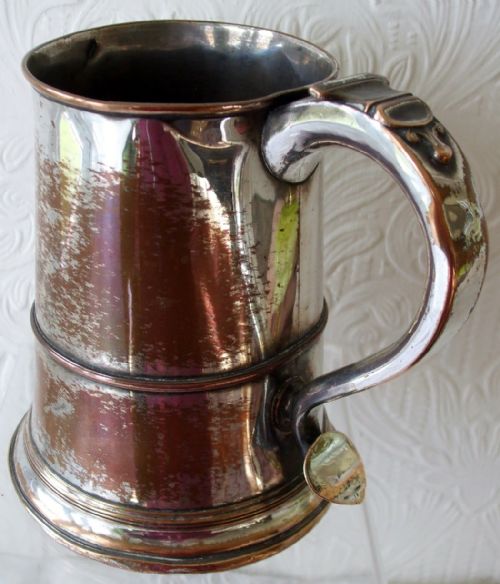
Old Sheffield plate relies on a fusion technique where a thin sheet of silver is fused to a thicker copper base before shaping. This method produces pieces that reveal hints of warm copper beneath worn silver highlights.
Later nineteenth-century production utilises electroplating, known as EPNS, depositing a layer of silver over a base metal via an electrical current. Items incorporate functional additions of wood, metal, and ebony for handles and insulators.
Decorative elements involve applied wire borders, hand-chased grapevine detailing, hobnail cutting, and engraved family crests. Form is achieved through hammering, casting, and soldering metal components together.
Distinctions in quality
The standard of a piece rests on the thickness of the original silver layer and the crispness of its chased or engraved ornament. Heavy gauge metal provides structural integrity to large meat domes and wine flagons.
Maker attribution alters desirability, with marked pieces from recognised workshops commanding stronger interest than unmarked equivalents. The retention of original handles in wood or ebony preserves the integrity of tea sets and coffee pots.
Proportion and decorative restraint separate standard production from exceptional design. Elaborate Victorian rococo revival casting or clean Art Deco lines indicate the ambition of the original maker.
Roberts Cadman·Mappin and Webb·Padley Parkin and Staniforth·Thomas Bradbury·Brille·Christofle·Elkington
The Antique Silver Plate Hollowware Glossary
- Old Sheffield Plate
- An early method of fusing silver to a copper core by heat and pressure. It precedes electroplating and is found on eighteenth and early nineteenth-century items.
- EPNS
- Electroplated Nickel Silver, a method introduced in the nineteenth century where a silver coating is applied via electricity. Most Victorian and Edwardian plated wares utilise this base.
- Argyll
- A vessel designed to keep gravy warm at the table via an internal hot-water chamber or core. They appear in both Old Sheffield Plate and later silver plate.
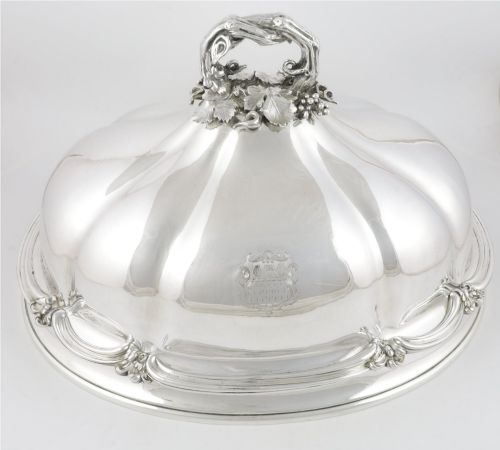
- Meat Dome
- A large domed cover used to keep roasted joints warm on a platter before carving. These substantial pieces frequently feature engraved crests and sturdy handles.
- Hollowware
- Tableware items such as pots, kettles, baskets, and tureens that possess interior volume, as distinct from flatware like spoons and forks.
Antique Silver Plate Hollowware: Frequently Asked Questions
What is Old Sheffield Plate?
Old Sheffield Plate is a precursor to electroplating created by fusing a sheet of silver onto a copper ingot. This technique was widely used in the eighteenth and early nineteenth centuries before chemical plating methods took over.
Items made this way often show subtle hints of copper showing through high points where the silver has worn down over generations of polishing.
How do I use an argyll?
An argyll is a specialised gravy warmer featuring an internal cylinder or jacket designed to hold boiling water. This kept rich meat juices warm during long Georgian and Victorian meals.
Modern buyers often repurpose these vessels as small jugs or display them as examples of ingenious nineteenth-century dining technology.
How do I date silver plate?
Dating relies on stylistic clues, manufacturing techniques, and any maker marks stamped into the base metal. Georgian pieces show Old Sheffield Plate construction, while late Victorian and Edwardian items typically use electroplated nickel silver.
Design motifs such as heavy rococo revival scrolls or geometric Art Deco lines also point to the specific decades in which the piece was fashioned.
How do I clean antique silver plate?
Cleaning requires a gentle silver cloth or a mild proprietary cream designed specifically for plated items. Vigorous scrubbing must be avoided, particularly on Old Sheffield Plate where excessive friction can expose the copper beneath.
Regular, light dusting and minimal polishing preserve the dark patination in recessed crevices that highlights chased grapevine and floral ornamentation.