


Antique Silver Pin Cushion
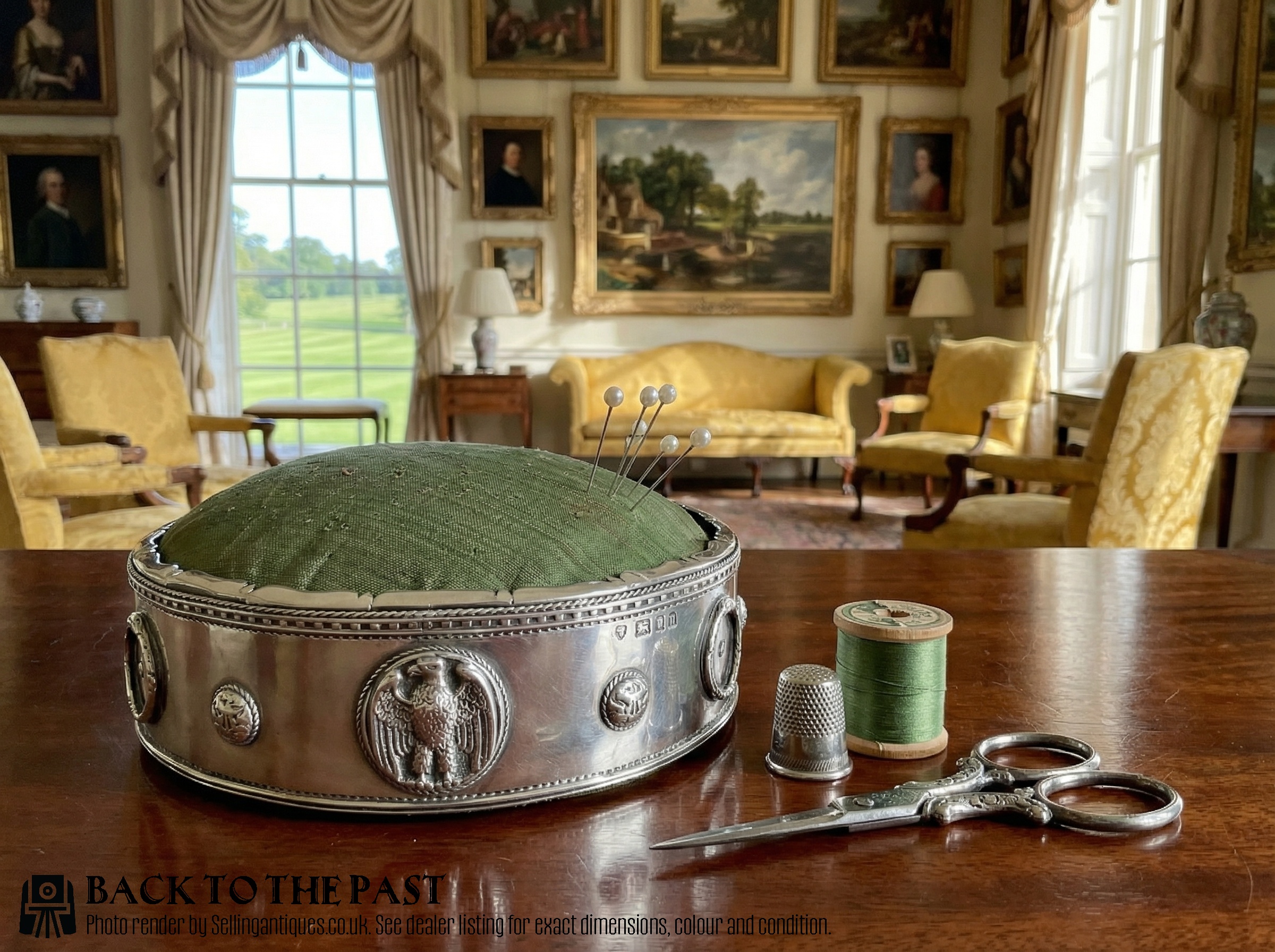
An antique silver pin cushion is a small, tactile dressing table accessory that combines solid silver work with soft fabric.
Antique Silver Pin Cushion
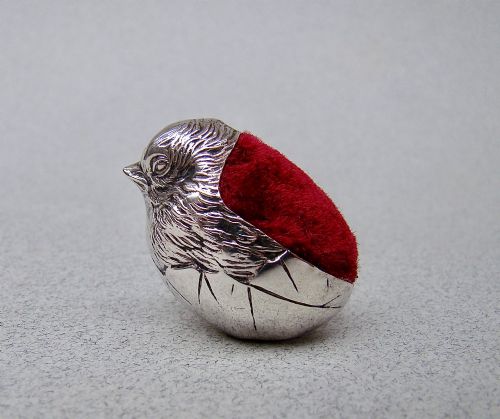
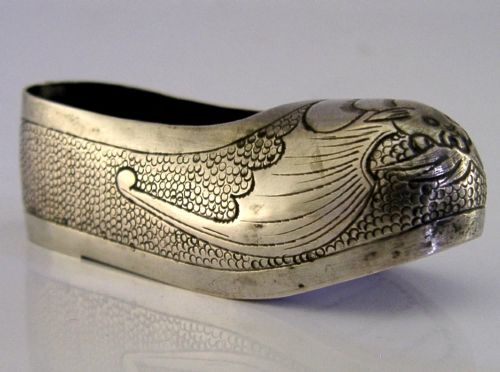
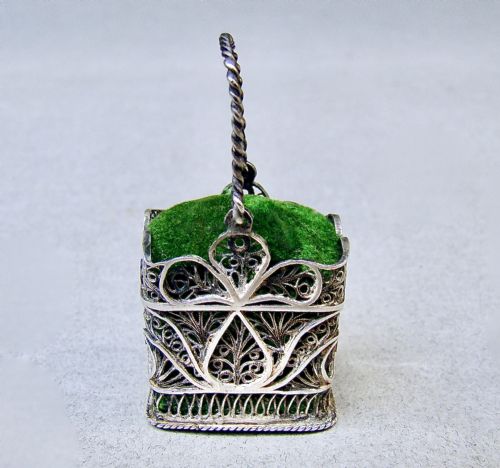
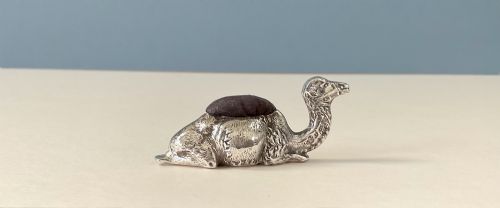
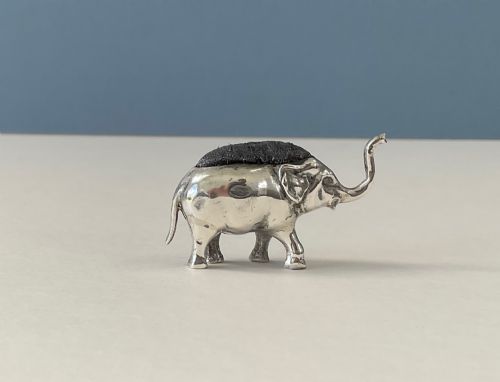
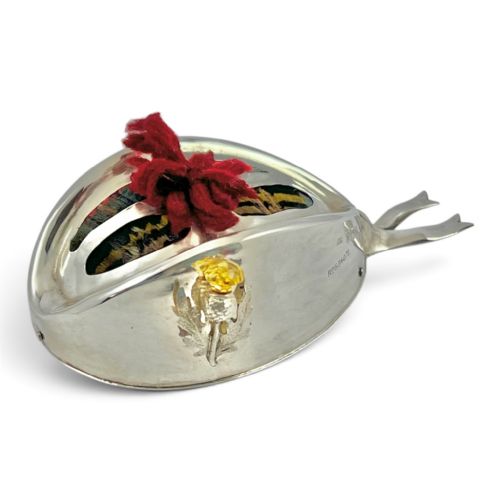
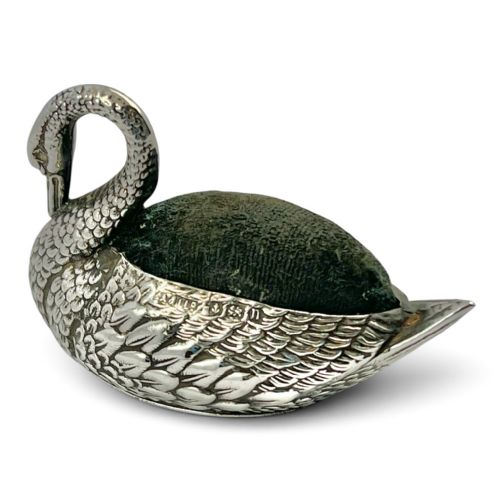
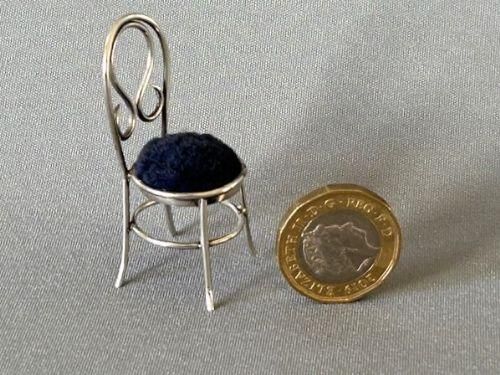
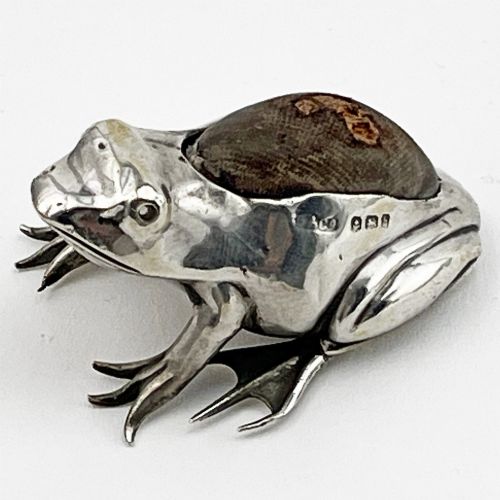
An antique silver pin cushion serves as both a functional dressing table accessory and a decorative miniature, designed to hold sewing pins securely in place. When searching for an antique silver pin cushion, buyers encounter everything from simple geometric boxes to elaborate figural pieces shaped as animals and objects.
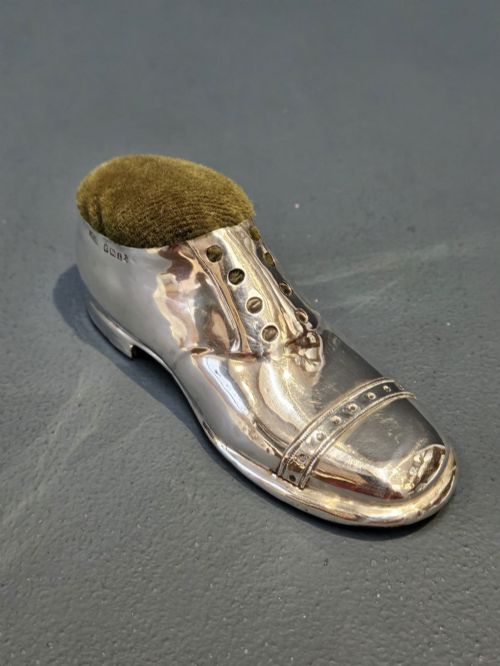
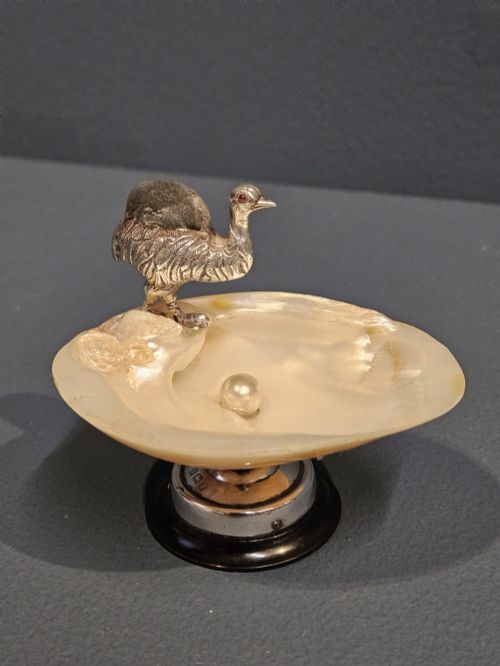
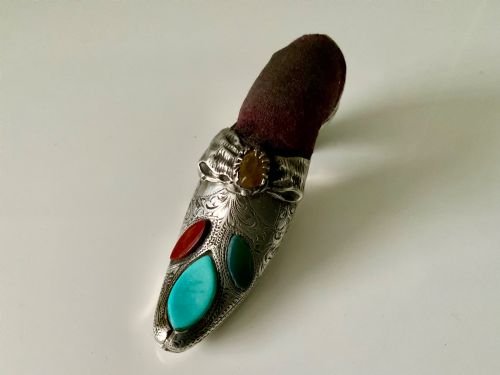
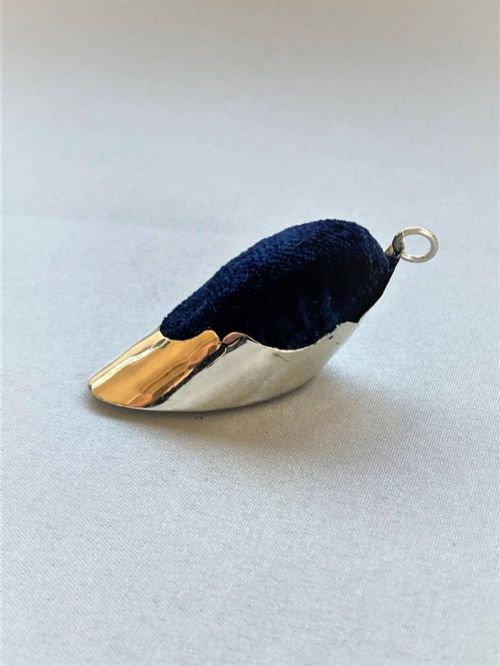
The pieces on this page span several distinct periods, including Victorian, Edwardian, and George V eras, alongside pieces attributed to the 19th Century and Regency periods. Novelty forms dominate the selection, bringing together domestic items, vehicles, and animal subjects created during the height of the novelty silver boom.
Beyond whimsical novelty shapes, simpler jewellery boxes and hat pin cushion stands also appear among the dressing table accessories. Most examples rely on sterling silver frames paired with internal padding covered in velvet, silk, or felt.
How they were made
Silversmiths constructed the outer bodies of these pieces using sterling silver or solid silver, often shaping the metal through stamping, casting, or hand-beating. Birmingham and Chester assay offices frequently marked these items, recording the exact year of production alongside the maker's mark.
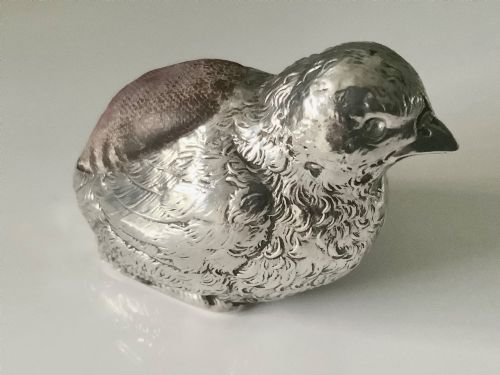
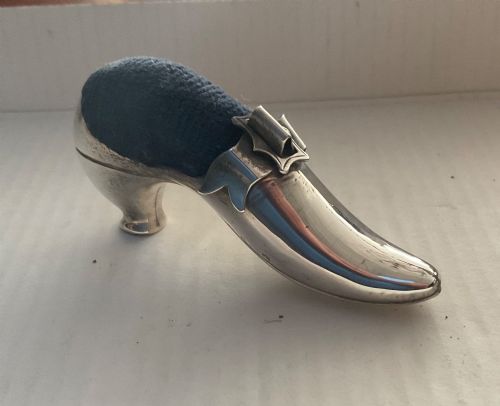
The internal cushioning required textile work, inserting wool, felt, or fabric into the silver hollows and securing it over a base of velvet or mother of pearl. Detailed novelty models like birds, pigs, and boots required precise joints and chasing to define feathers, fur, and laces on the silver surface.
Antique Silver Pin Cushion Retail Price Guide 2026
Typical asking prices for silver pin cushion among the pieces listed under this phrase on Sellingantiques today, from the lower quarter to the upper quarter. They describe what is for sale here now, not the wider market.
Materials across these listings include sterling silver, glass, velvet, felt, and mother of pearl.
What varies in quality
The distinction between ordinary and superior pieces rests largely on the complexity and crispness of the silver modelling. Novelty forms that capture realistic anatomical details in animals or clean architectural lines in objects demonstrate superior silversmithing skill compared to plain geometric containers.
Preservation of the original velvet, silk, or felt pad significantly influences desirability, as replacements alter the piece's integrity. Clear, legible hallmarks stamped directly onto the silver body or bezel also add confidence regarding the origin and date of manufacture.
Adie & Lovekin·Sampson Mordan & Co.·George W Shiebler·Artificer's Guild
The Antique Silver Pin Cushion Glossary
- Sterling silver
- An alloy of silver containing 92.5 percent silver by mass and 7.5 percent other metals, usually copper. This standard metal forms the primary structural body of nearly all pieces listed here.
- Hallmark
- An official stamp applied by an assay office to guarantee the purity of precious metal items. These marks typically show the maker, standard, assay town, and date letter.
- Novelty silver
- Silver items fashioned into humorous or realistic shapes outside their normal utilitarian form. Animals, vehicles, and household objects represent the most common subjects in this category.
- Assay office
- An organisation set up to test the purity of precious metals and apply official marks. Birmingham and Chester offices frequently stamp the pieces found in this collection.
Antique Silver Pin Cushion: Frequently Asked Questions
What were antique silver pin cushions used for?
These items held sewing pins on dressing tables or desks, keeping sharp points organised and close at hand during tailoring or embroidery work.
Victorian and Edwardian households valued them as both practical sewing tools and decorative ornaments for domestic display.
How do I identify an Edwardian pin cushion?
Edwardian examples typically date between 1901 and 1910, often displaying hallmarks from Birmingham or Chester alongside naturalistic animal novelty forms.
The silver work from this era frequently utilises detailed chasing to depict birds, pigs, and dogs with distinct personalities.
Are the cushion inserts original fabric?
Many pieces retain their original velvet, wool, or felt stuffing, though some older items have undergone textile replacement due to natural wear.
Examining the tightness of the fit and the wear pattern on the fabric helps determine whether the material dates to the period of the silver mount.
Which novelty shapes are most common?
Animals such as pigs, chicks, dogs, and birds appear frequently across Edwardian and Victorian selections, alongside miniature household items like shoes and wheelbarrows.
Figural models required high skill from the silversmith to balance the whimsical exterior shape with a functional pad.