



Antique Silver Nut Dish
These antique silver nut dish examples bring whimsy and utility to the table, combining figural charm with practical silver service.
What They Are
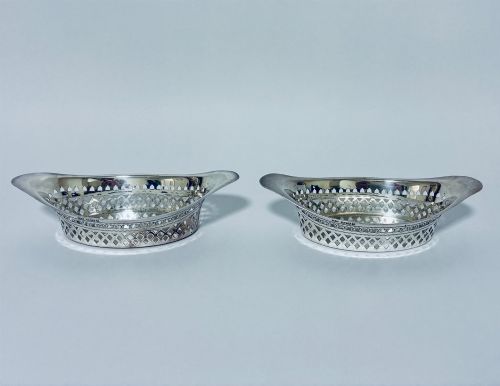
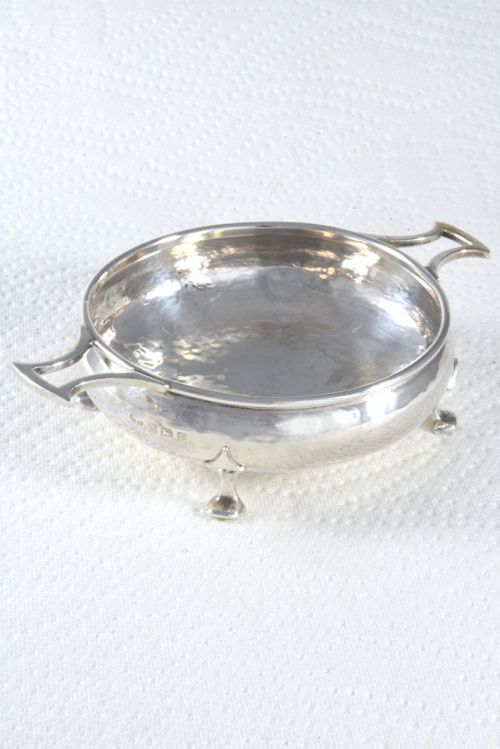
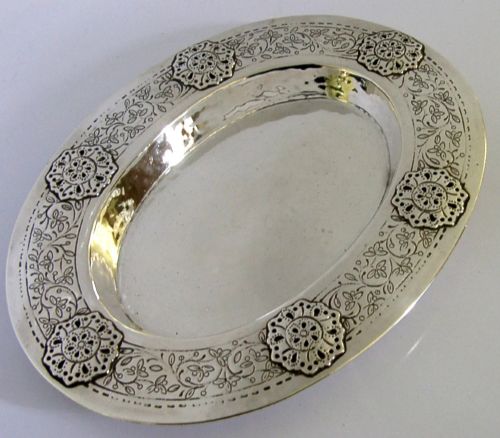
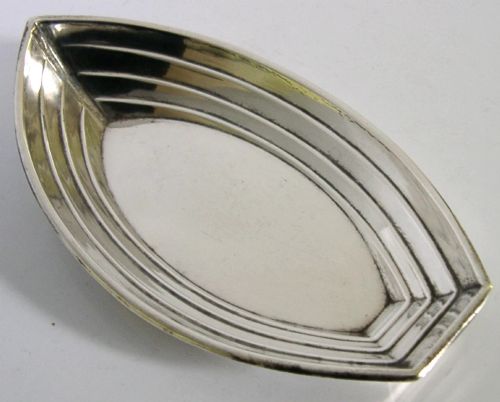
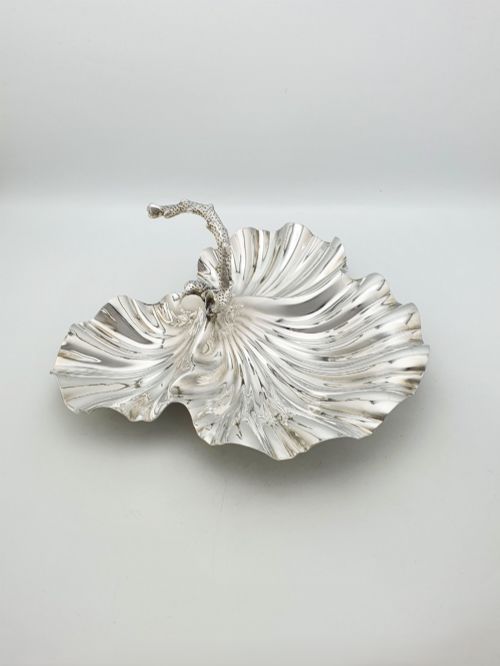
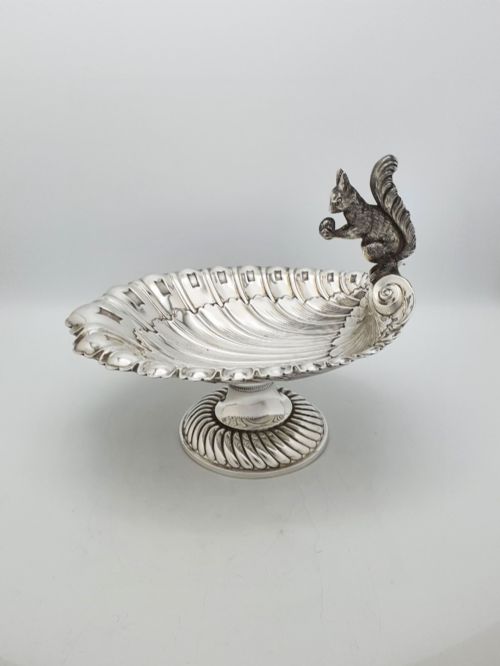
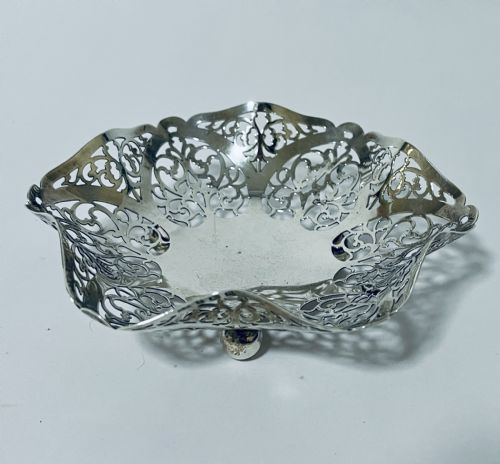
An antique silver nut dish is a specialised serving vessel designed for hospitality, most frequently encountered in figural silver-plated forms featuring squirrels or naturalistic nut decoration alongside solid silver bonbon and trinket dishes.
The selection ranges from Victorian and Edwardian silver-plated figural pieces depicting squirrels alongside the bowl to George V and Art Deco sterling silver bowls and dishes from the nineteen twenties and thirties.
How They Were Made
Maker workshops produced these items using sterling silver or silver plate, sometimes combining the metal with cut crystal for preserve and nut containers.
Casting and chasing techniques created the figural squirrels and naturalistic floral details seen across nineteenth-century and twentieth-century examples.
Listings span the Victorian, Edwardian, and Art Deco periods, utilising sterling silver, silver plate, and cut crystal materials.
What Varies in Quality
Quality rests in the crispness of the casting on figural elements like squirrels and the depth of the floral chasing on solid silver vessels.
Maker attribution and the thickness of the silver plate over the base metal also distinguish standard production from finer workshop output.
William Hutton·Francis Howard·William Comyns·Martin Hall and Co
The Antique Silver Nut Dish Glossary
- Silver plate
- A thin layer of silver fused to a base metal core such as copper or Britannia metal. This technique allowed Victorian manufacturers to produce elaborate figural tableware at a lower cost than solid silver.
- Chasing
- A metalworking technique where the smith pushes metal from the front using punches and hammers to create raised decorative patterns. This creates surface relief without removing metal.
- Bonbon dish
- A small decorative bowl intended for holding sweets, nuts, or small confections during formal dining or tea service. These pieces typically feature openwork or pierced rims.
- Sterling silver
- An alloy of ninety-two point five percent silver and seven point five percent other metals, usually copper. This standard ensures structural durability while maintaining the lustre of pure silver.
Frequently Asked Questions
What is a squirrel nut dish?
A squirrel nut dish is a Victorian or Edwardian figural serving vessel incorporating a cast squirrel motif beside or upon the bowl.
These pieces held nuts for after-dinner socialising and combined novelty design with functional tableware.
How do I clean silver plate?
Silver plate requires gentle cleaning with a specialised non-abrasive silver polish and a soft cloth to protect the underlying metal layer.
Avoid aggressive scrubbing that might wear through the thin silver coating over the base metal.
Are these dishes solid silver?
Many examples are silver plated over a base metal rather than made from solid sterling silver.
Maker marks and hallmarks stamped on the base indicate whether the piece is solid silver or plated ware.
When were figural nut dishes made?
Figural squirrel nut dishes were predominantly produced during the Victorian and Edwardian periods around the late nineteenth and early twentieth centuries.
Later examples from the nineteen twenties and thirties tend toward geometric Art Deco bowls and plain sterling bonbon dishes.