
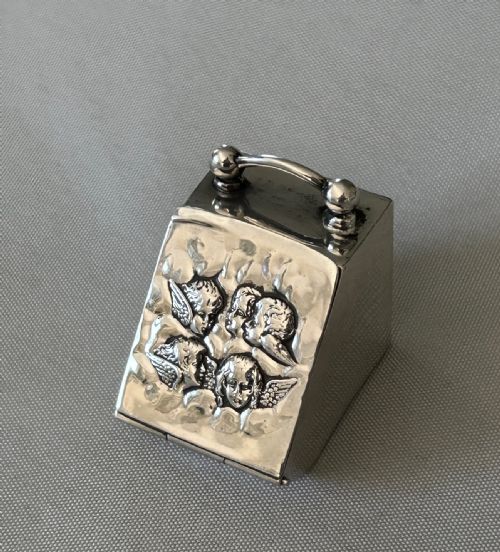


Antique Silver Novelty Case
These small, ingenious pieces of antique silver novelty case design turn everyday utility into miniature sculpture, capturing Victorian and Edwardian wit.
Antique Silver Novelty Case
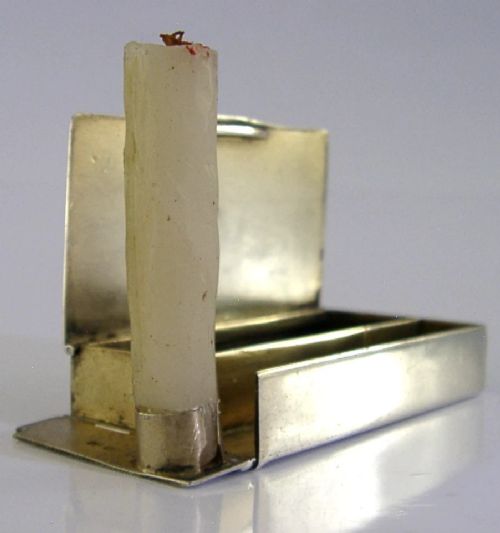
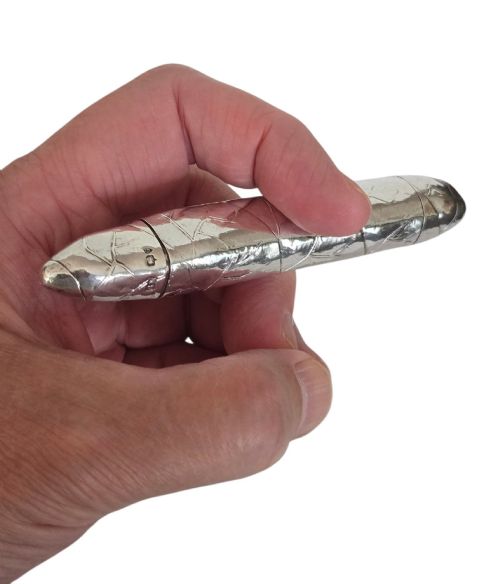
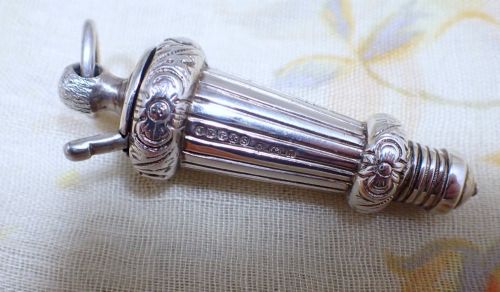
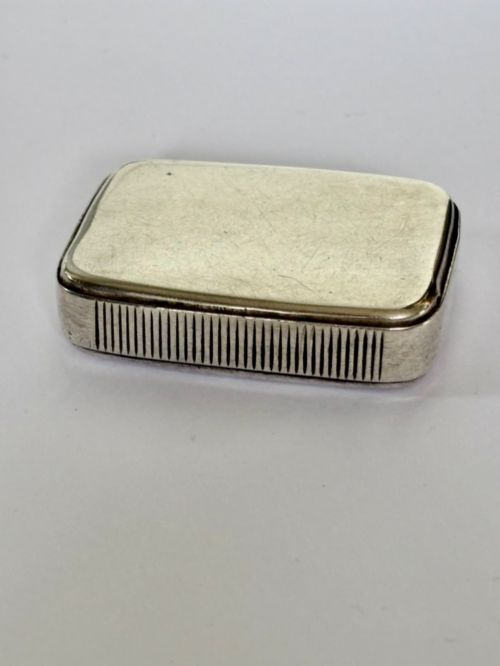
An antique silver novelty case combines practical function with clever disguise, taking the form of animals, books, boots, or household objects rather than standard rectangular boxes. When searching for this phrase, collectors encounter vesta cases, stamp boxes, needle cases, and card cases spanning the Georgian, Victorian, and Edwardian eras.
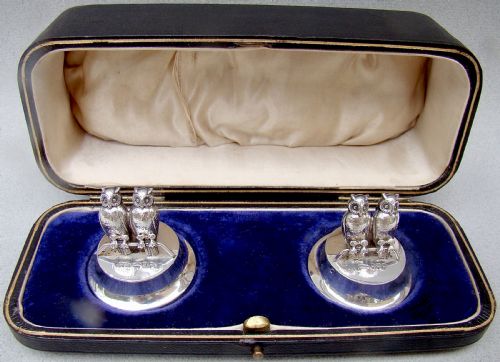
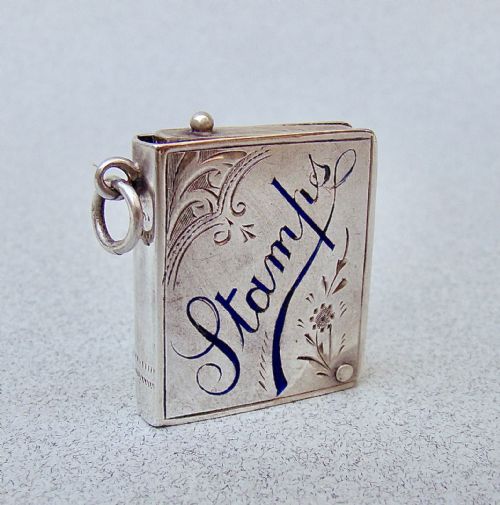
The most frequent examples on this page are Victorian and Edwardian vesta cases modelled as owls, elephants, boars, dogs, and sentry boxes alongside stamp boxes shaped like books and wheelbarrows. These items served specific social rituals of the nineteenth and early twentieth centuries, housing matches, postage stamps, or calling cards with unexpected mechanical trick openings.
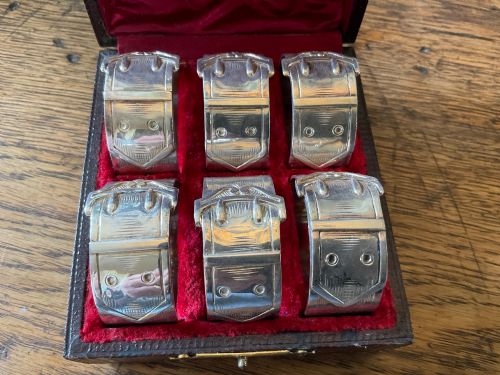
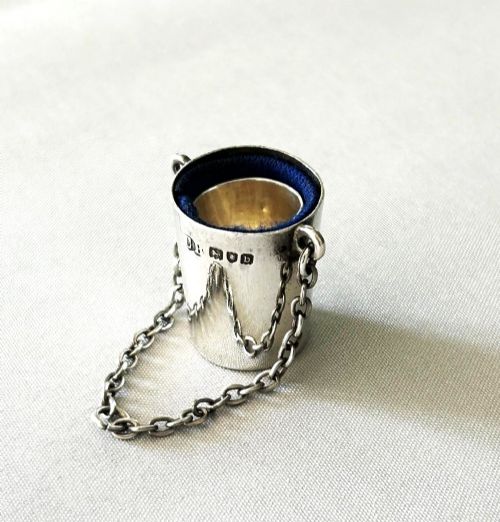
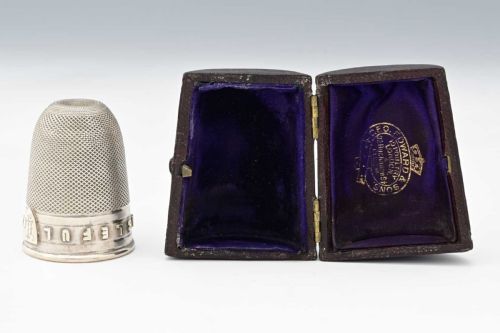
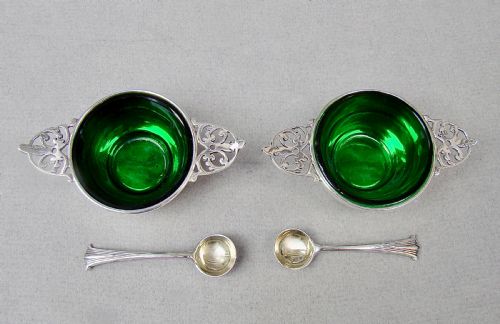
Beyond match safes, the selection includes desk accessories, menu holders, thimble buckets, and pendant cases executed in silver plate, sterling silver, and enamel. Each piece reflects the playful ingenuity of period silversmiths who transformed functional desk and pocket wares into conversation pieces.
How they were made
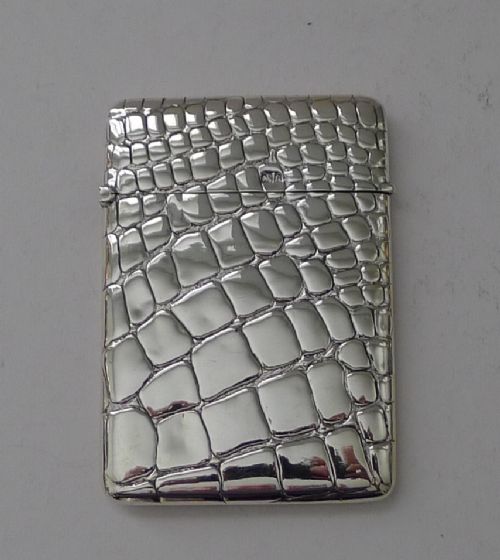
Silversmiths utilised sterling silver and silver plate, frequently combining the metal with coloured enamel, glass, velvet, leather, or leatherette to render realistic textures on animal and architectural forms. The fabrication relied on stamping, casting, and repoussé work to achieve high-relief details such as fur, feathers, and reptilian skin.
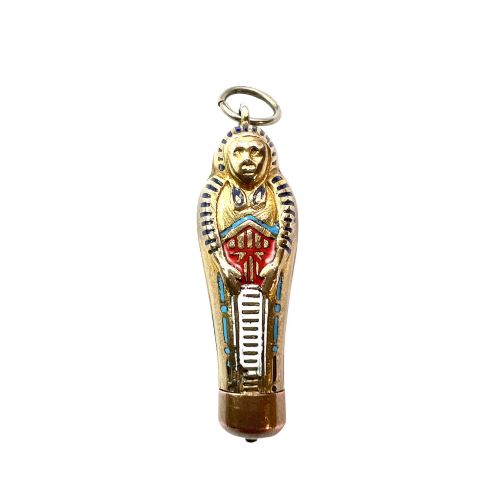
Intricate mechanical elements such as spring clips, slide-opening lids, and trick catches required precise metalworking to ensure the miniature containers operated smoothly. Artisans applied parcel gilt finishes or polychrome enamel highlights to accentuate eyes, coats, and decorative borders on subjects ranging from Egyptian sarcophagi to domestic animals.
Listings feature items from the Georgian, Victorian, and Edwardian periods, utilising sterling silver, enamel, glass, and leather.
What varies in quality
Pieces by documented makers or those incorporating undamaged coloured enamel and complex trick spring actions stand apart from simpler mass-produced match holders. The depth of the relief work and the preservation of original hallmarks inside the case further distinguish cabinet pieces from ordinary pocket utility items.
Levi & Salaman·Sampson Mordan & Co·A & J Zimmerman·Crisford & Norris·Josiah Williams & Co·Laurence Emanuel
The Antique Silver Novelty Case Glossary
- Vesta case
- A small pocket container designed to hold safety matches, often fitted with a striking stripe on the base. These boxes frequently took imaginative animal and figural shapes.
- Repoussé
- A metalworking technique where the artisan hammers the silver from the reverse side to form a raised design in relief on the front. This method creates tactile textures on card cases and match safes.
- Silver gilt
- Sterling silver that has been coated with a thin layer of gold on its interior or exterior surfaces. This finish protected the metal from tarnishing and added visual richness.
- Hallmark
- An official stamp applied to precious metals indicating the standard of purity, the assay office of origin, and the year of manufacture. These marks provide definitive dating for Victorian and Edwardian pieces.
- Menu holder
- A small desk or dining accessory designed to prop up place cards or menu cards on a table. They often mirrored the whimsical figural themes of novelty vesta cases.
Antique Silver Novelty Case: Frequently Asked Questions
What were antique silver novelty cases used for?
These items served daily domestic and social functions, holding matches, postage stamps, calling cards, or sewing needles in concealed compartments.
Owners carried them in pockets or kept them on desks as functional conversation pieces that demonstrated personal wit and taste.
How do I identify a Victorian vesta case?
Victorian examples usually feature clear British assay hallmarks stamped on the rim, lid, or interior, indicating the town, year, and sterling standard.
Stylistically, they lean towards naturalistic animal forms, heavy repoussé work, and mechanical trick openings popular during the nineteenth century.
How should I care for antique silver cases?
Maintain the metal with a soft microfibre cloth to remove dust and gentle silver cleaner designed to preserve fine detail and hallmarks.
Avoid abrasive polishes that can wear down delicate enamel work, repoussé relief, and small mechanical hinges.