



Antique Silver Nips
These antique silver nips bring tactile elegance to the tea table, offering a refined way to handle sugar lumps during service.
Antique Silver Nips
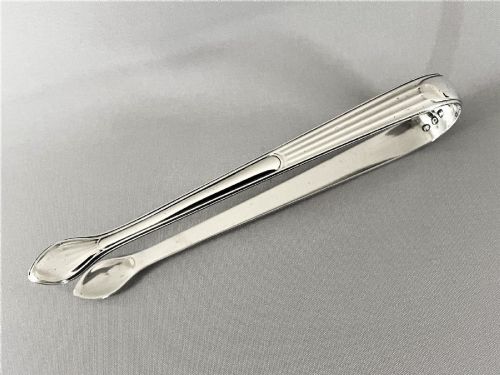
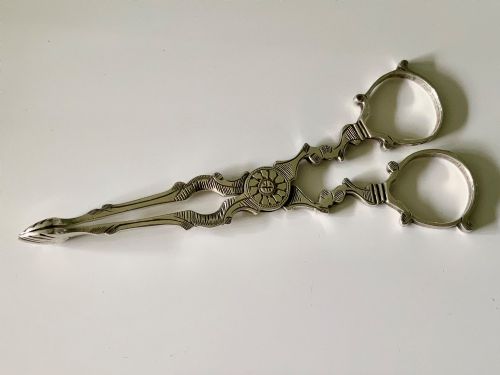
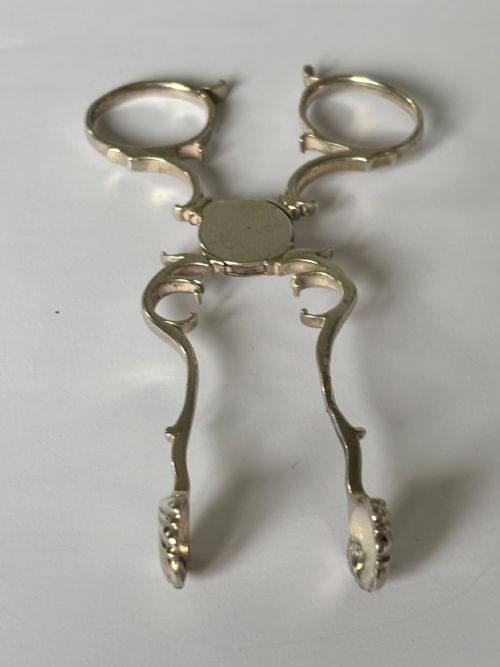
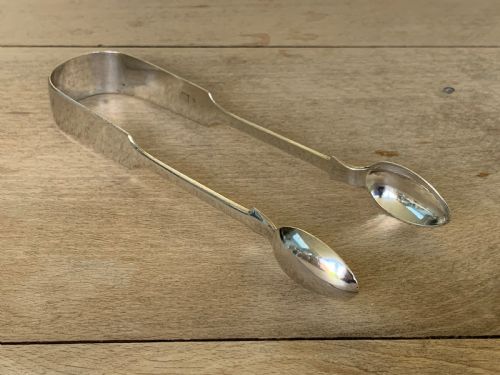
When you search for antique silver nips, you enter a field dominated by small serving implements designed for sugar lumps, encompassing both sprung tongs and scissor-action nips. The forms on this page span Georgian, Victorian, and Edwardian periods, stretching from mid 18th Century cast examples into the 20th century.
The most common variants you will meet are standard sterling silver tea tongs alongside early scissor-type nips and novelty designs. Makers worked within British provincial assay offices as well as major centres, producing pieces that reflect shifting dining fashions from the Georgian era through to mid 20th century modernism.
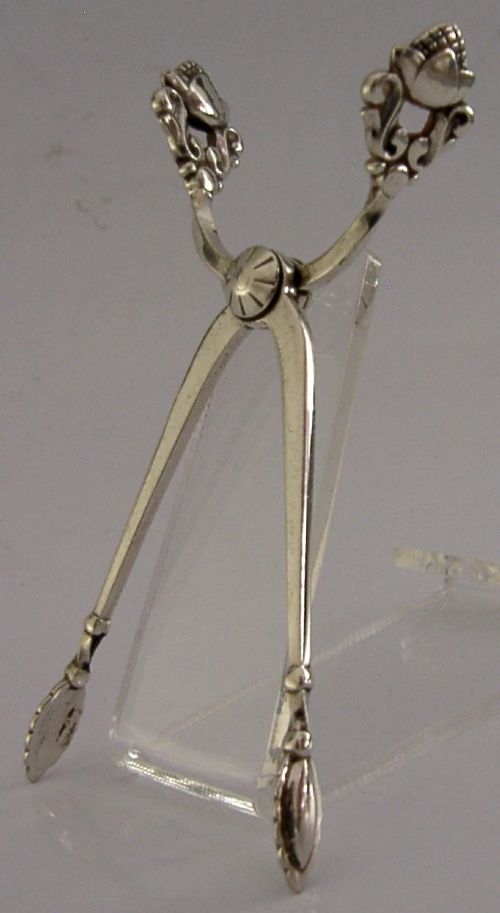
Regional British provenance appears frequently, with pieces originating from London, Chester, Newcastle, and Exeter. Alongside these British items, Scandinavian modernist work from workshops such as Georg Jensen offers a distinct aesthetic contrast.
Assessing quality and execution
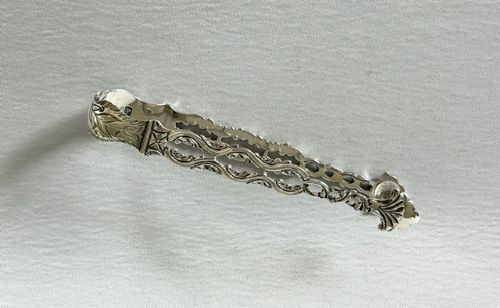
The distinction between standard utility items and exceptional pieces rests on the crispness of casting and the complexity of decorative work. Pierced patterns executed by hand display a sharper interior profile and greater depth than mass-produced alternatives.
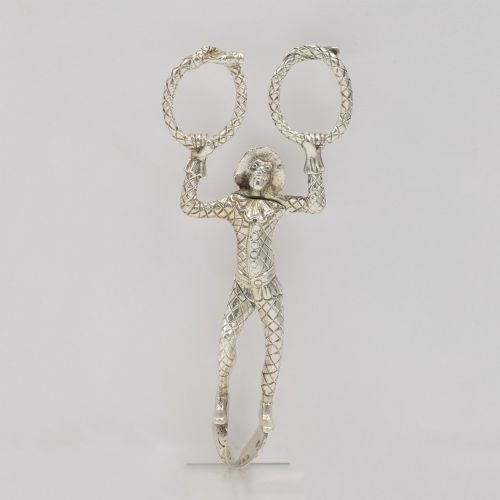
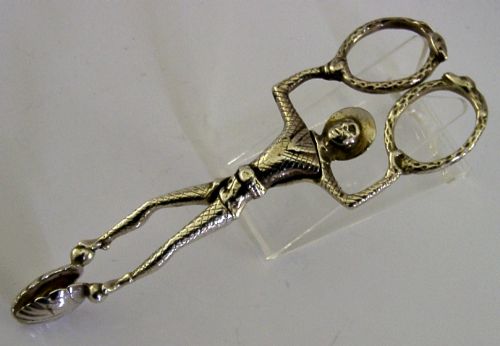
Figural and novelty variants derive their standing from the precision of their articulated joints and the sculptural modelling of figures like harlequins or eagle claws. Maker marks and clear provincial or London hallmarks further anchor the standing of individual pairs.
Materials recorded across the archive include solid sterling silver alongside fitted presentation linings of velvet, silk, and leatherette.
Bateman Family·Dee & Fargus·Thomas Tookey·Georg Jensen·Josiah Williams & Co·Henry Stuart Brown·John Walton·Francis Higgins·Berthold Muller
The Antique Silver Nips Glossary
- Sugar Nips
- Small scissor-action implements originally used for nipping fragments from large sugar loaves before lump sugar became standard.
- Sugar Tongs
- Sprung implements designed for lifting sugar lumps into a teacup, largely superseding scissor nips by the late 18th century.
- Sterling Silver
- A silver alloy containing 92.5 percent pure silver by mass, standard for British plate and marked with the lion passant.
- Assay Office
- An official body charged with testing the purity of precious metals and stamping items with appropriate hallmarks.
- Novelty Silver
- Silverware fashioned into playful, unusual, or zoomorphic shapes, highly sought after by collectors for its whimsical nature.
Antique Silver Nips: Frequently Asked Questions
What is the difference between sugar nips and sugar tongs?
Sugar nips typically feature a scissor action with small bowl ends or cutting edges, reflecting an era when sugar was broken down from large loaves. Sugar tongs use a sprung, single-piece metal bow to pick up pre-formed sugar lumps.
Scissors-style nips are generally earlier in date, whilst sprung tongs became the standard format across the Georgian and Victorian periods.
How do I date antique silver nips?
Dating relies heavily on the hallmarks stamped into the silver, which include maker marks, assay office symbols, and date letters corresponding to specific years. Stylistic clues, such as early mid 18th century cast forms versus Edwardian naturalism, also help narrow the period.
The inclusion of specific monarchical styles like George III or George IV provides a reliable baseline for manufacturing eras.
Were these used exclusively for tea?
Tea service was the primary setting for these implements, as sweetened tea became a staple of British domestic life from the Georgian period onward. They sat alongside teapots, caddies, and sugar basins on the table.
Some cased sets combined the tongs directly with matching tea spoons for presentation and gift purposes.
What are novelty sugar tongs?
Novelty tongs are pieces shaped into playful or figurative forms, such as harlequins, jesters, wishbones, and articulated eagle claws. Makers utilised these designs to showcase technical skill in movement and casting.
These pieces were popular in the late 19th and early 20th centuries and remain distinct collector focuses today.