




Antique Silver Gilt Jewellery
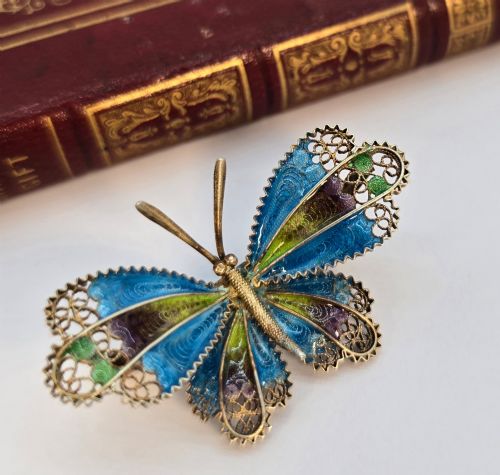
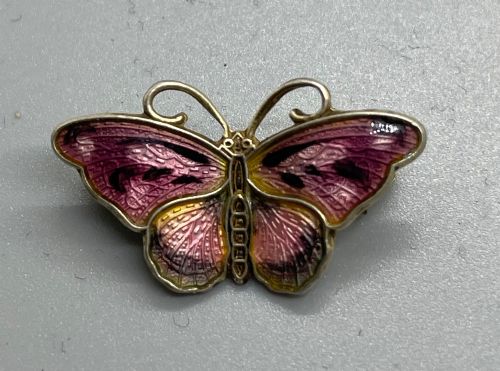
These pieces of antique silver gilt jewellery combine base silver with a warm gold layer, bringing rich colour to brooches, pendants and trinket boxes.
Antique Silver Gilt Jewellery
The objects take many forms, from enamel butterfly brooches and turquoise chatelaines to intricate pendants and belt buckles. Pieces originating from Austro-Hungarian workshops and British makers frequently appear on this page.
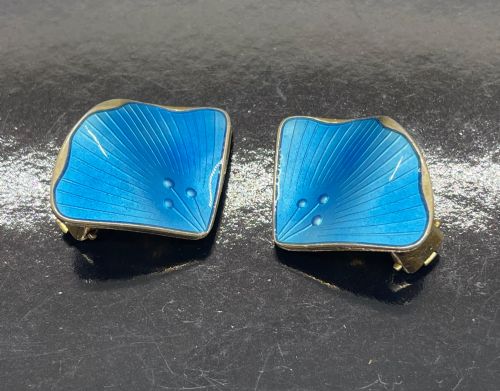
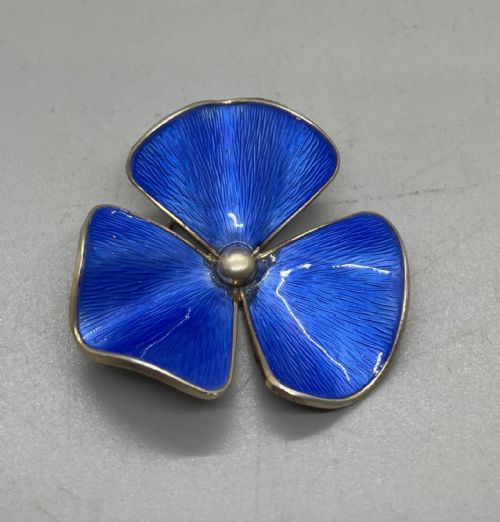
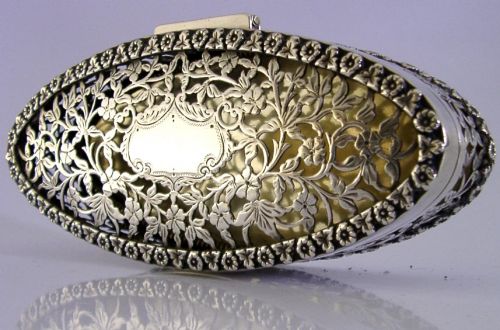
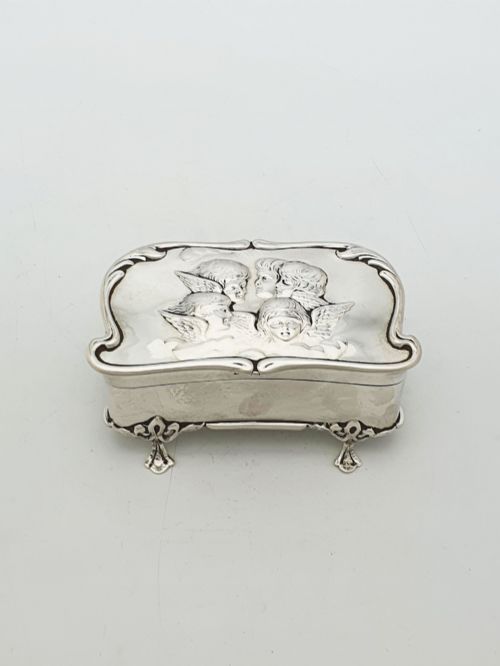
Enamel work, paste stones, pearls and crystal frequently accompany the silver gilt metalwork. Buyers find both delicate wearable ornaments and larger trinket boxes finished with gilt interiors.
How they were made
Makers utilised solid silver or sterling bases, applying a layer of gold through fire gilding or electroplating to achieve the characteristic rich surface tone. This technique allowed artisans to combine the durability of silver with the visual warmth of gold.
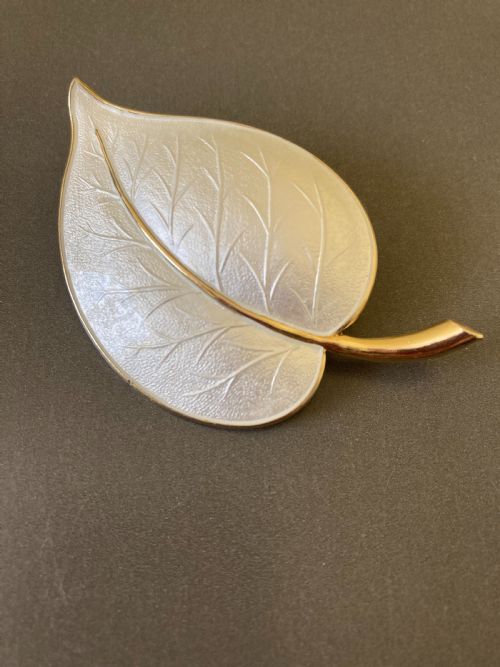
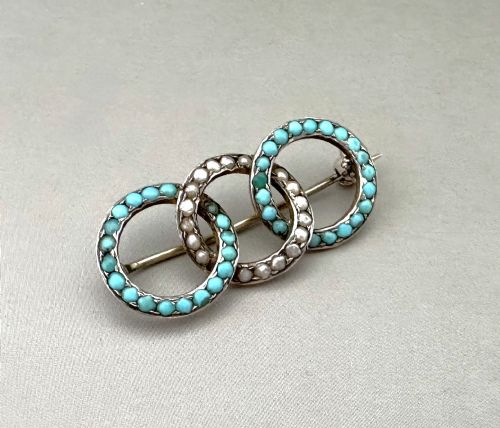
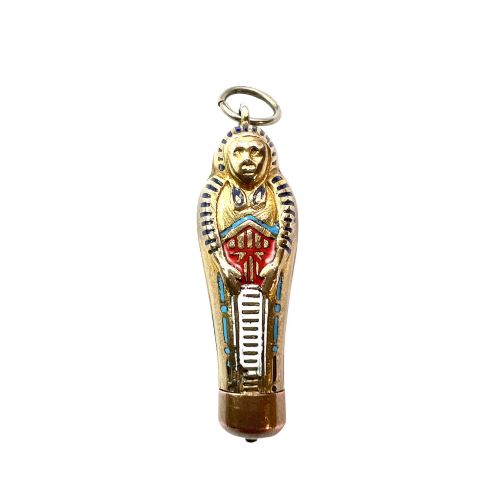
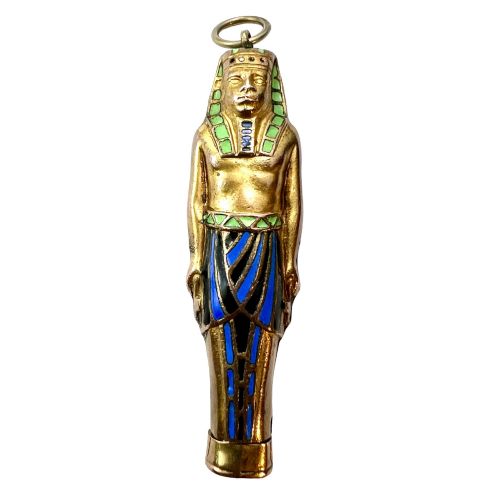
Enamelling, including plique-à-jour techniques, added vibrant colour to brooches and pendants alongside set gems such as turquoises, garnets and seed pearls. Metal components were cast, chased and engraved with motifs reflecting Renaissance Revival, Art Nouveau and Victorian styles.
Listings feature items spanning the nineteenth century through the 1940s, incorporating Victorian, Edwardian, Art Nouveau and Art Deco design styles.
What varies in quality
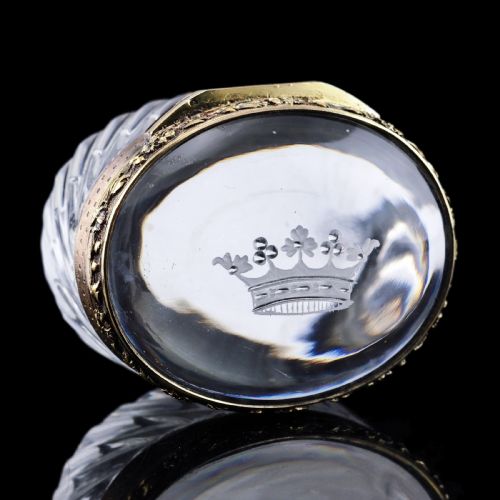
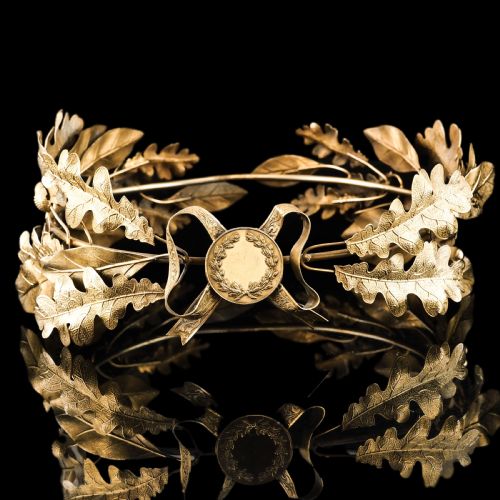
The depth and preservation of the gold layer determine much of the visual success in these items, as heavy wear reveals the silver underneath. Superior examples retain crisp chasing on foliate wreaths, crowns and rococo decorations without softening of detail.
The intricacy of subsidiary work separates standard items from exceptional ones, particularly in the delicacy of plique-à-jour enamel or the precise matching of turquoise and pearl settings. Maker attribution, such as pieces bearing marks from Marius Hammer or Heinrich Levinger, elevates the standing of an item.
A & J Zimmerman Ltd·Marius Hammer·Gustav Gaudernack·Levinger & Bissinger·Meyle & Mayer·Heinrich Levinger
The Antique Silver Gilt Jewellery Glossary
- Silver gilt
- Silver that has been coated with a thin layer of gold. This process provides the appearance of solid gold while utilising a silver base.
- Plique-à-jour
- An enamelling technique where enamel is applied in cells without a backing, creating a translucent, stained-glass effect. It is frequently seen in Art Nouveau pendants and brooches.
- Chatelaine
- A decorative belt hook worn with suspended utility attachments such as scissors, watches or keys. Victorian examples often feature ornate silver gilt metalwork.
- Asyk
- A traditional cordiform pendant originating from Central Asian Turkmen tribes. These pieces display distinct cultural motifs in silver and gilt.
- Paste
- Hand-cut glass or lead crystal used to imitate gemstones. Skilled artisans faceted and set these stones into period jewellery and metal boxes.
Antique Silver Gilt Jewellery: Frequently Asked Questions
How do I clean antique silver gilt jewellery?
Use a very soft dry cloth to gently remove dust from the surface. Avoid liquid dips or harsh polishing cloths, as these will strip away the thin layer of gold.
Store pieces separately in soft pouches to prevent scratching the gilt surfaces and delicate enamel work.
How can I tell the period of these pieces?
Examine the overall design style, such as flowing organic lines for Art Nouveau items or heavier revival motifs for Victorian pieces. Hallmarks and maker stamps stamped into the metal provide definitive dates and assay office locations.
Construction methods also help, as early clasps and settings differ significantly from later twentieth-century manufacturing techniques.
What is the difference between silver gilt and solid gold?
Silver gilt consists of a silver core covered by a layer of gold applied through gilding or plating. Solid gold items are uniform in metal composition throughout the entire object.
Silver gilt allows for intricate chased details typical of silver work while offering the warm visual appeal of gold.
Were these items worn daily?
Many items served specific social functions, such as chatelaines holding keys or propelling pencils used for writing notes. Others, like decorative brooches and hair ornaments, formed part of daily fashionable attire for Victorian and Edwardian society.
Boxed items and trinket caskets stayed on dressing tables to store small valuables and keepsakes.