




Antique Enamel Butterfly
These antique enamel butterfly pieces combine vibrant colour and fine metalwork, capturing the delicate insect across brooches, bowls, and vases.
Antique Enamel Butterfly
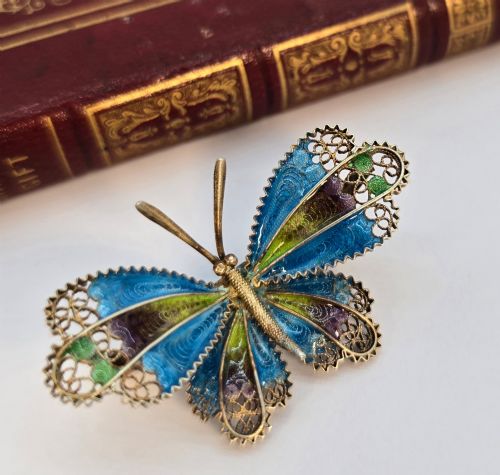
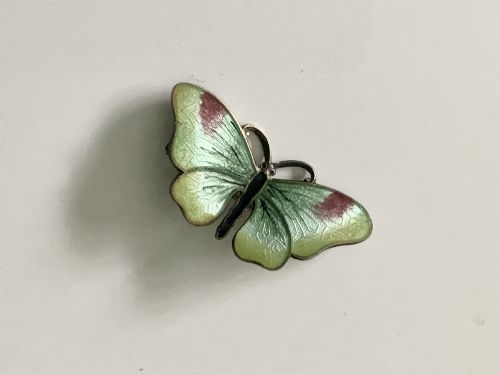
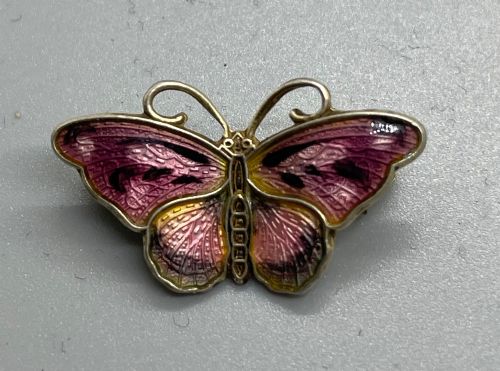
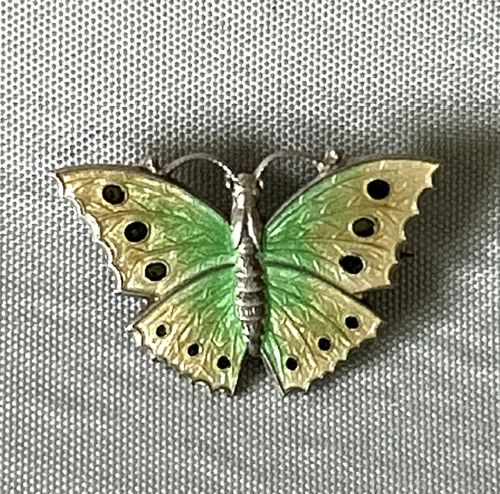
When you search for antique enamel butterfly, you meet a distinct group of decorative objects and jewellery spanning several decades from the late nineteenth century into the twentieth century. The selection leans heavily towards wearable pieces, with silver brooch pins and pendants forming the majority of the items.
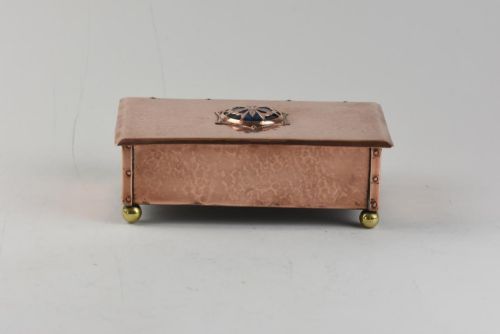
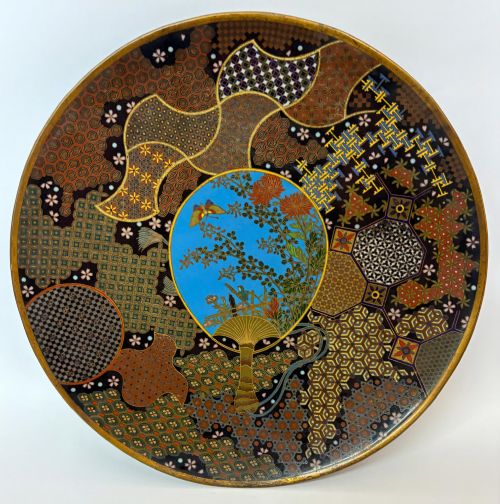
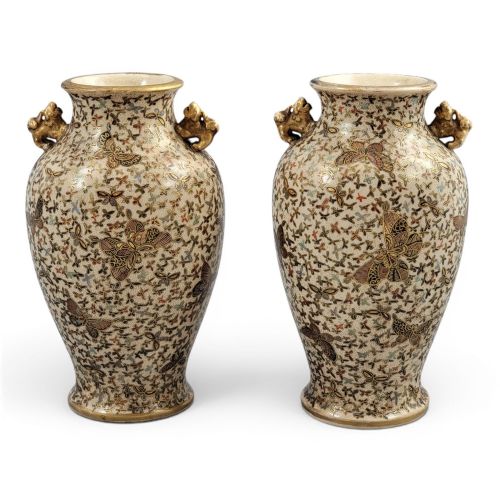
Beyond jewellery, the broader forms include porcelain bowls, earthenware vases, copper boxes, and decorative chargers. These larger objects originate from diverse traditions, notably Japanese Meiji period cloisonne and Chinese export porcelain alongside continental European metalwork.
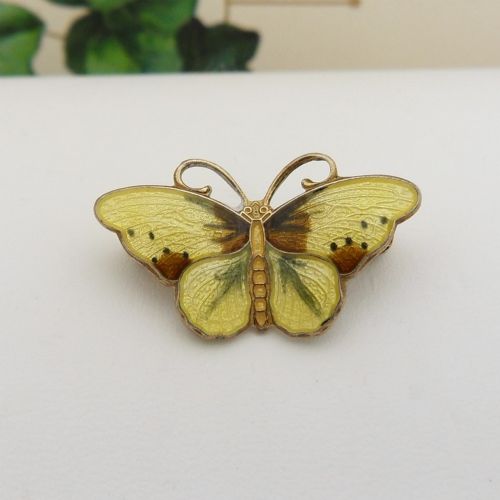
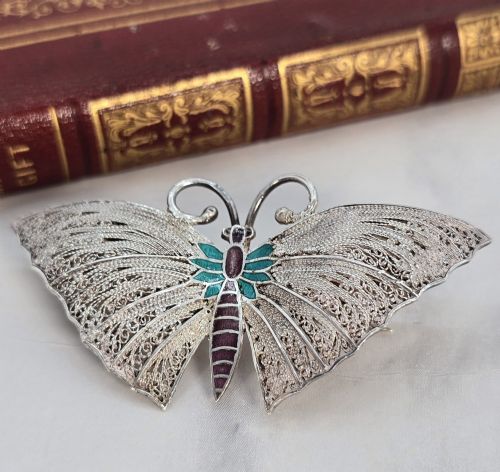
The wearable items frequently utilise sterling silver, silver gilt, or silver filigree as a base for translucent or opaque enamel work. Pieces from around nineteen thirty often showcase guilloche patterns beneath brightly coloured enamel coatings.
How they were made
Makers fused powdered glass to metal surfaces through high-temperature firing, applying techniques such as cloisonne, where thin wire partitions hold the enamel colours in place. Guilloche engraving incised geometric patterns into the silver base before a translucent enamel layer was applied over the top.
Plique-a-jour enamel work allowed light to pass directly through the translucent colour cells without a backing metal, creating a stained-glass effect visible in Art Nouveau jewellery. Filigree construction twisted fine silver threads into intricate openwork outlines of wings and bodies.
Porcelain and earthenware versions employed hand-painted enamel pigments applied over a glazed ceramic body and fired again to fix the decoration. Ormolu mounts and brass or copper overlays were then added to complete boxes, vases, and desk accessories.
What varies in quality
The depth and complexity of the enamel work dictate the visual impact of each piece. Simpler opaque coatings contrast with intricate guilloche engravings and translucent layers that catch the light.
Metal selection and wirework precision separate standard production from superior examples. Fine silver filigree and plique-a-jour cells require advanced hand skills compared to stamped base metals.
The artistry in depicting the subject matter itself varies from rigid symmetry to organic, lifelike rendering. Signed studio pieces and identifiable maker attribution elevate certain items above unmarked commercial output.
Martin Mayer·Albert Carter·Kinzan
The Antique Enamel Butterfly Glossary
- Guilloche
- A decorative mechanical technique that etches precise repeating patterns into a metal surface. Enamel applied over this engraving creates shifting light effects.
- Cloisonne
- A method of decorating metal objects by soldering flat metal wires to the surface to form compartments for enamel paste. These wires remain visible as thin outlines in the finished design.
- Plique-a-jour
- An enamelling technique similar to cloisonne where the enamel has no backing metal, allowing light to shine through the transparent colour. This creates a delicate, window-like appearance.
- Silver Gilt
- Silver that has been coated with a thin layer of gold on its exterior surface. This treatment provides the warmth of gold alongside the structural properties of silver.
- Famille Rose
- A Chinese ceramic palette featuring an opaque pink enamel introduced during the Qing dynasty. The style dominates much of the export porcelain decorated with floral and insect motifs.
Antique Enamel Butterfly: Frequently Asked Questions
How do I date an enamel butterfly brooch?
Dating relies on stylistic markers such as the geometric lines of nineteen thirty Art Deco pieces or the flowing organic curves typical of nineteen hundred Art Nouveau work. Hallmarks and metal stamps on the reverse provide additional clues regarding origin and production era.
Changes in clasp design and pin fittings also assist in narrowing down the manufacturing period. Older nineteenth-century pieces often feature C-clasps and heavier box hinges compared to later safety catches.
What is guilloche enamel?
Guilloche enamel involves a mechanical lathe engraving precise geometric patterns onto a silver or metal base. A translucent coloured enamel is then fired over the engraved metal, allowing the pattern underneath to show through.
This technique was widely used on Scandinavian and continental brooches during the early decades of the twentieth century. The resulting surface catches light differently depending on the angle of view.
How should I clean antique enamel?
Cleaning requires mild soapy water and a soft cloth to remove surface dust without scratching the glass or metal. Harsh chemical dips and abrasive pastes must be avoided because they damage the enamel surface and strip gilding.
Jewellery should be dried thoroughly after cleaning, and porcelain or metal vessels need gentle handling around any applied or ormolu mounts. Ultrasonic cleaners are unsuitable for antique enamel pieces due to the risk of cracking.
What is the difference between cloisonne and champleve?
Cloisonne uses thin metal wires soldered upright onto a metal base to create small cells for coloured enamel paste. These wire outlines remain visible on the finished surface between the fired enamel sections.
Champleve involves carving or etching troughs directly into the thick metal plate to hold the enamel. The remaining solid metal forms the boundaries of the design rather than applied wire.