

Antique Openwork Pendant
An antique openwork pendant brings intricate metalwork and coloured gems together, offering a delicate piece of history to wear against the skin.
Antique Openwork Pendant
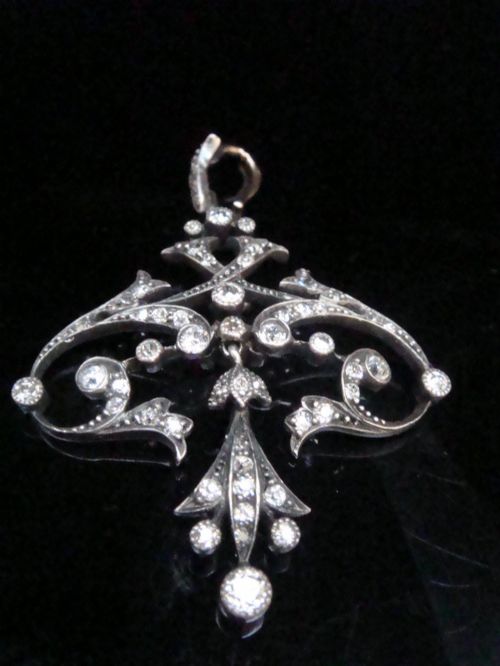
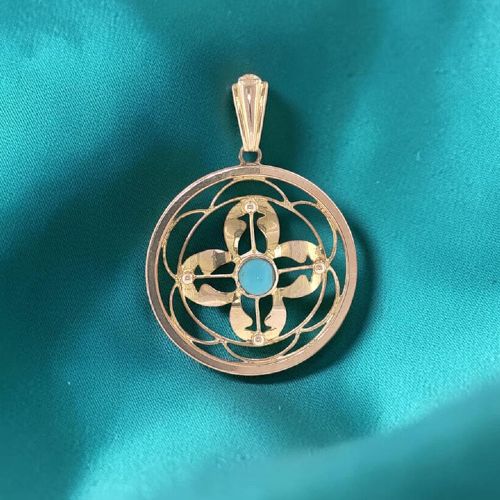
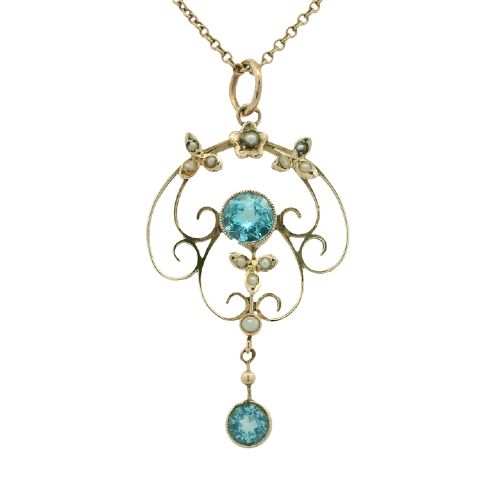
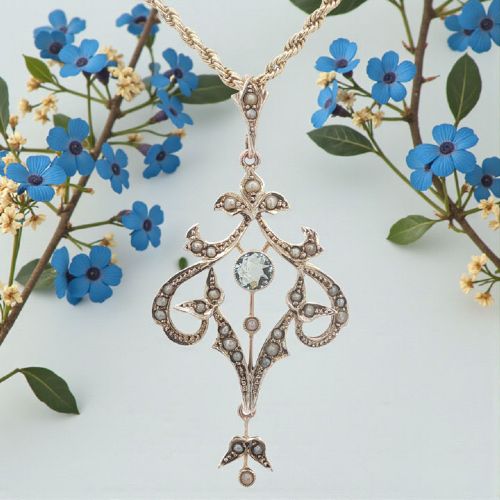
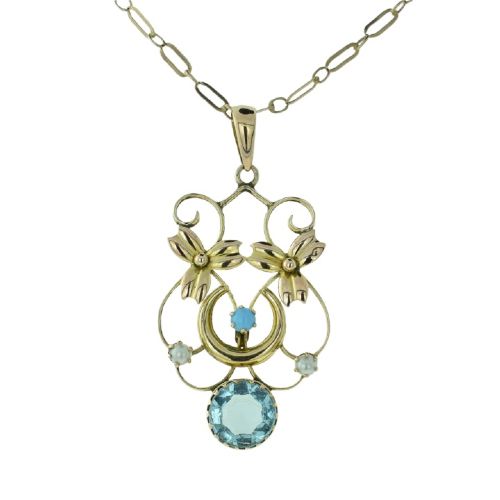
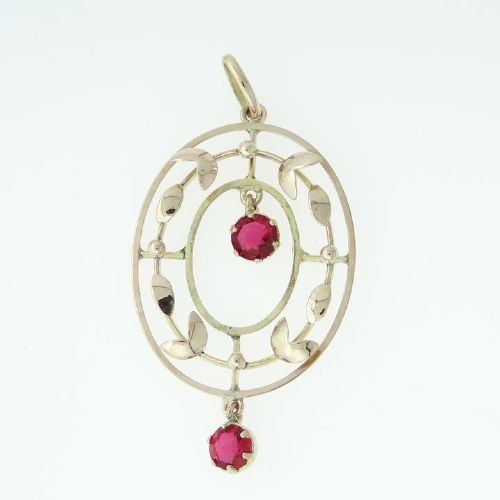
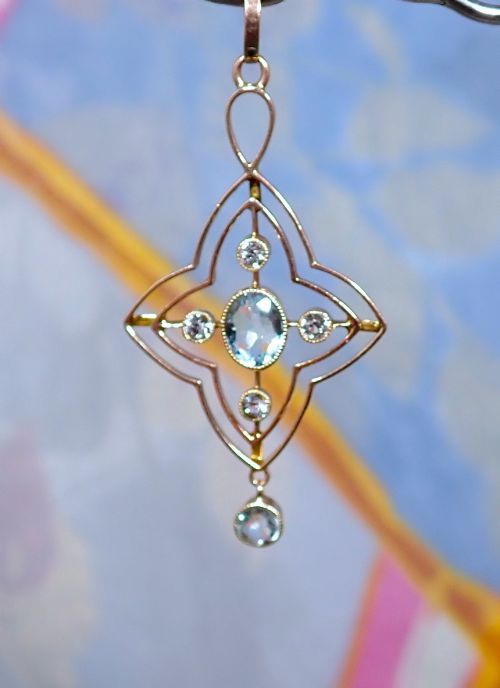
An antique openwork pendant is a decorative drop ornament characterised by pierced or pierced-out metalwork that creates a light, airy design. These pieces often incorporate frames shaped into floral, geometric or flowing motifs typical of the periods in which they were made.
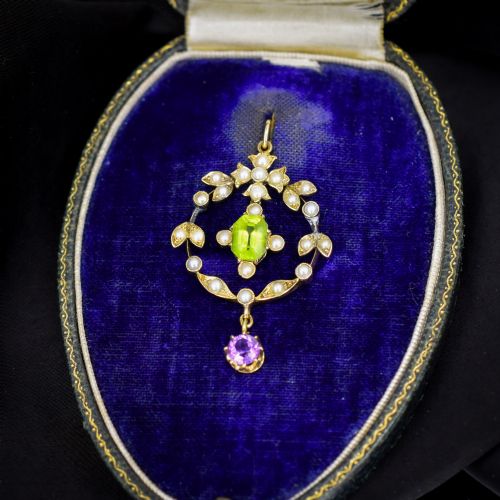
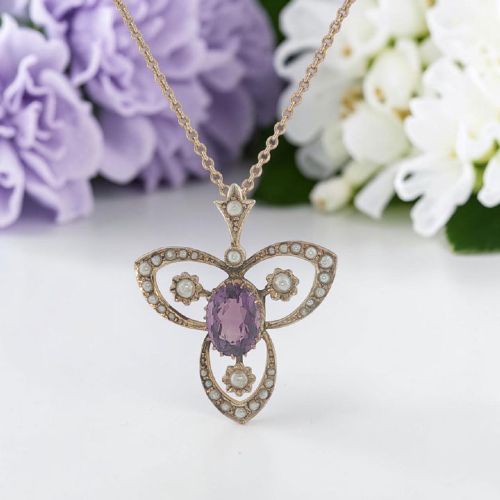
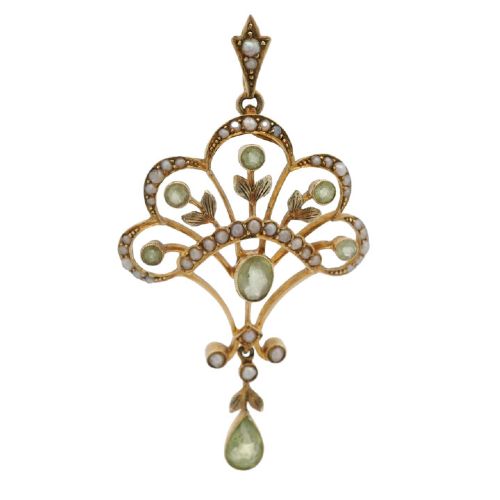
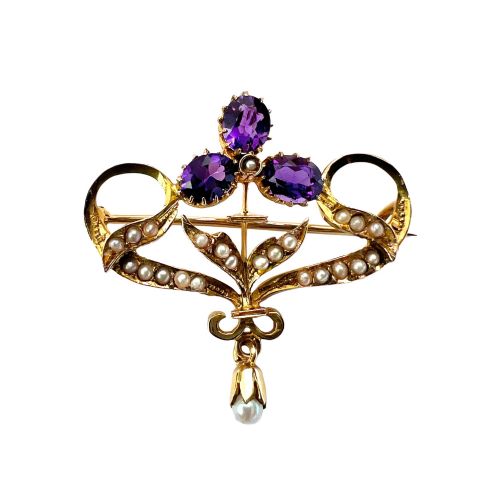
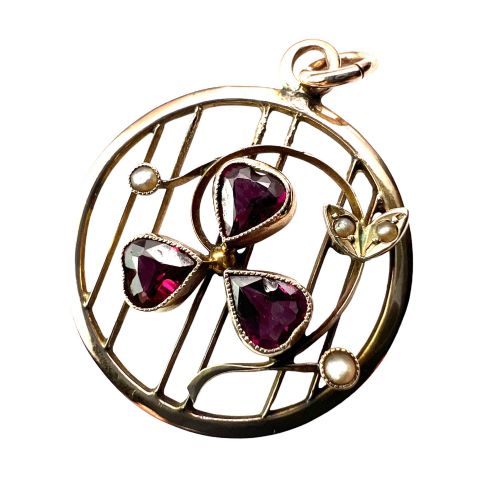
The versions most commonly met on this page date from the late nineteenth and early twentieth centuries, spanning Victorian, Edwardian and Art Nouveau eras. Alongside gold and silver settings, many examples incorporate drops or clusters featuring gemstones like peridot, amethyst, garnet and seed pearl.
How They Were Made
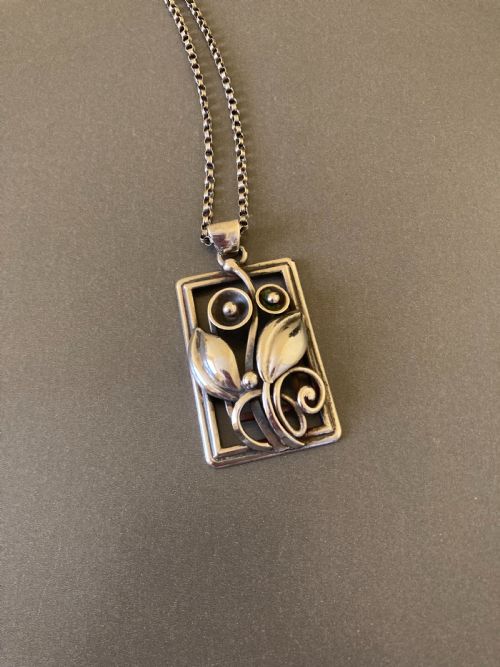
Makers utilised yellow, rose and white gold in various purities alongside silver and platinum to form the structural framework of the jewellery. Piercing and sawing techniques created the signature openwork patterns, allowing light to pass directly through the design.
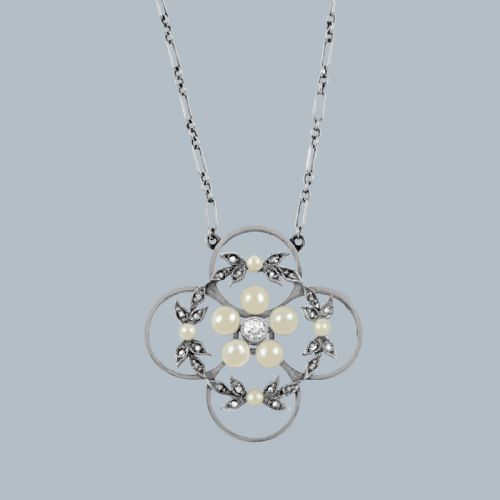
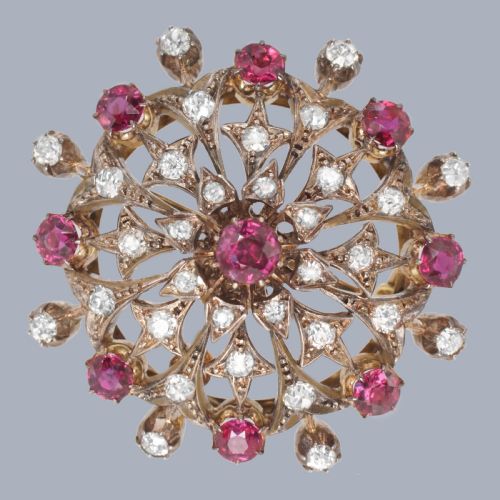
Gemstones including diamonds, aquamarines, topazes and seed pearls were then set using claw, collet or flush settings. Many items also integrated convertible mechanisms, permitting a single pendant to function equally as a brooch.
Several Edwardian designs double up as clover hearts, packing botanical luck and romantic symbolism neatly into pierced gold.
What Varies in Quality
The standard of an openwork pendant rests upon the crispness of the pierced metal and the harmony of the overall design. Finer examples display meticulous hand-piercing that maintains structural integrity while retaining a delicate appearance.
The selection and matching of gemstones also dictate the grade of a piece, with well-matched natural stones and secure original settings distinguishing superior items from simpler work.
S. Blanckensee & Son·WH Haseler for Liberty and Co
The Antique Openwork Pendant Glossary
- Openwork
- Metalwork pierced or cut through to create a patterned design where the background shows right through the piece. This technique lightened the weight of the jewellery while adding visual complexity.
- Lavalier
- A pendant featuring a primary drop suspended from a smaller link or chain, popular during the Edwardian period. Such designs often incorporate swinging gemstone elements.
- Seed Pearl
- Very small natural or cultured pearls used extensively in Victorian and Edwardian cluster and floral jewellery. They are typically half-drilled and secured onto tiny pins.
- Paste
- Hand-cut glass used as a gemstone substitute in antique jewellery. High-quality paste was faceted and foiled to mimic diamonds or coloured stones.
- Cabochon
- A gemstone cut with a smooth, rounded, convex top rather than faceted edges. This style highlights the natural colour and inclusions of stones such as garnets and opals.
Antique Openwork Pendant: Frequently Asked Questions
How do I wear an antique openwork pendant?
These pendants suspend easily from delicate chains made of compatible gold or silver to sit near the collarbone. Because many period examples also feature a pin on the reverse, they can alternate between necklace wear and use as a lapel brooch.
When pairing with modern necklines, consider the drop length and whether the piece includes swinging elements that require a simpler chain. Storing them flat in a lined box prevents the delicate openwork frame from catching on other items.
How can I tell an Edwardian pendant from a Victorian one?
Victorian pieces often feature heavier gold work, richer coloured stones like garnets, and denser clusters or locket backs. Edwardian items tend to favour lighter platinum or yellow gold settings, floral garlands, and pastel gems such as peridots and seed pearls.
Examining the reverse of the setting and the style of the piercing often reveals the characteristic lightness and transition towards platinum seen in the early twentieth century.
Can I wear my pendant every day?
While these pieces were made to be worn, their age and delicate openwork structures require mindful handling during daily activities. Removing the jewellery before swimming, exercising or housework protects the fine metal strands and seed pearls from moisture and impact.
Gentle cleaning with a soft cloth keeps the metal and stones bright without putting strain on the antique structure or loosening the original claw settings.