


Antique Silver Enamel Jewellery
Antique silver enamel jewellery brings together coloured vitreous glass and silverwork in pieces designed to catch the eye.
Antique Silver Enamel Jewellery
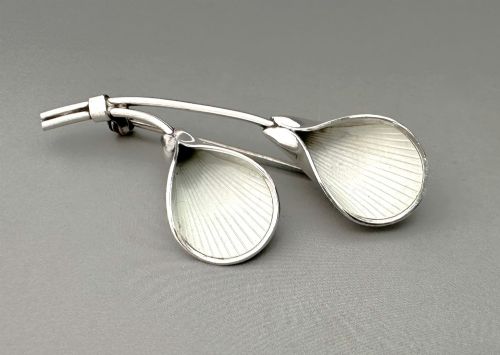
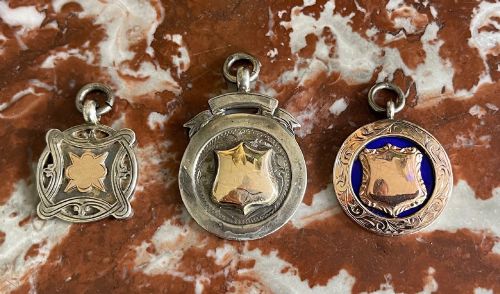
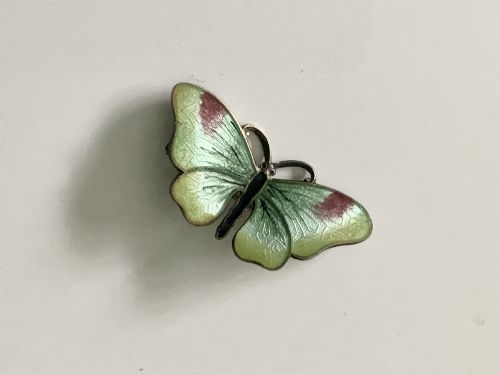
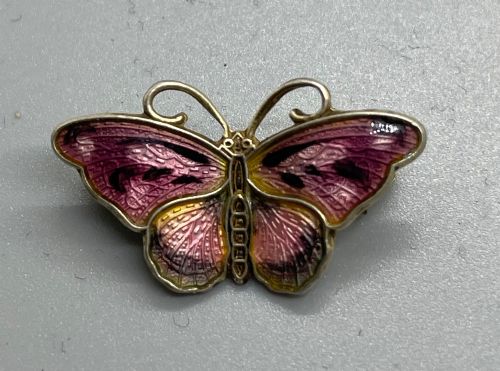
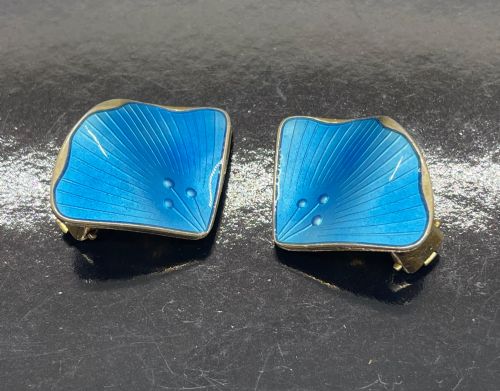
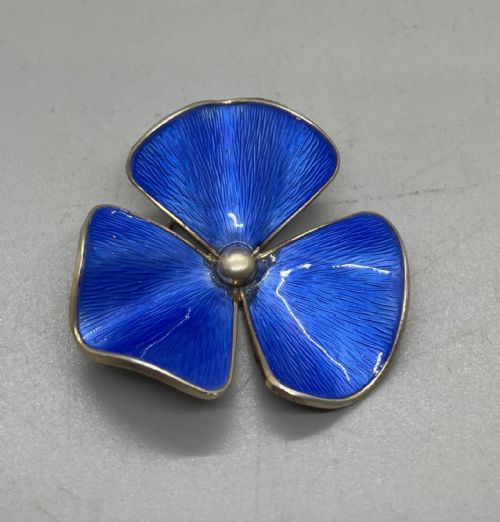
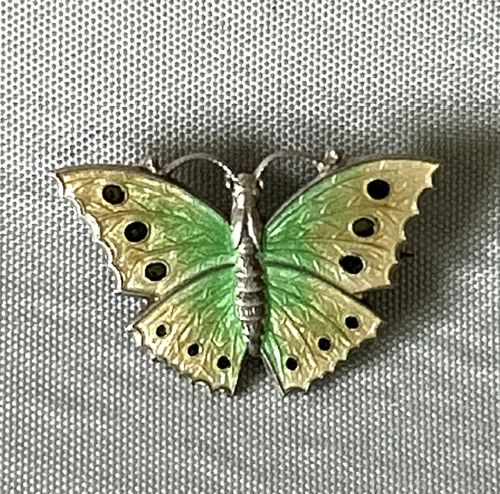
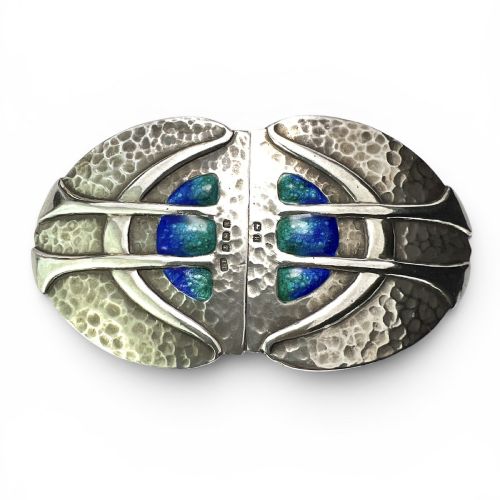
Antique silver enamel jewellery encompasses decorative wearable items created across the nineteenth and early twentieth centuries, featuring silver mounted with vitreous enamel. These pieces emerge primarily from the Arts and Crafts and Art Nouveau movements, displaying the characteristic hand-worked aesthetics of those periods.
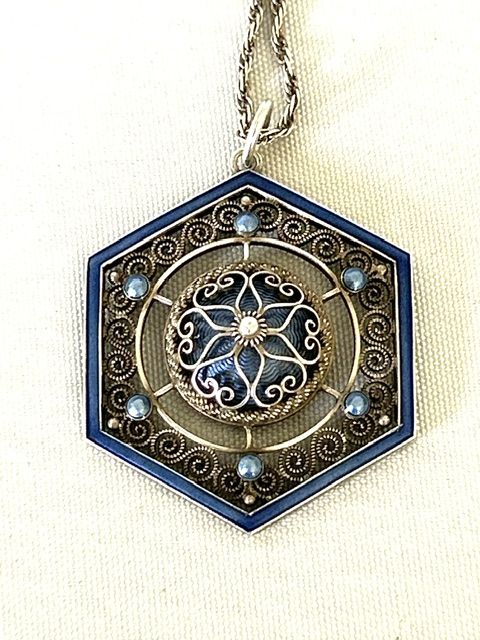
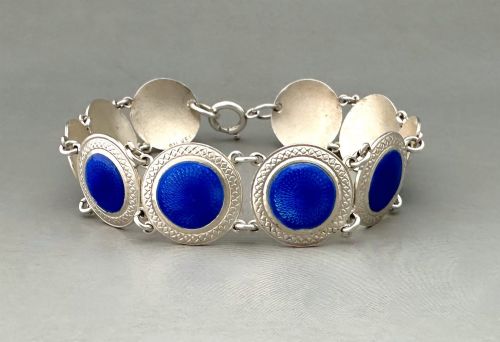
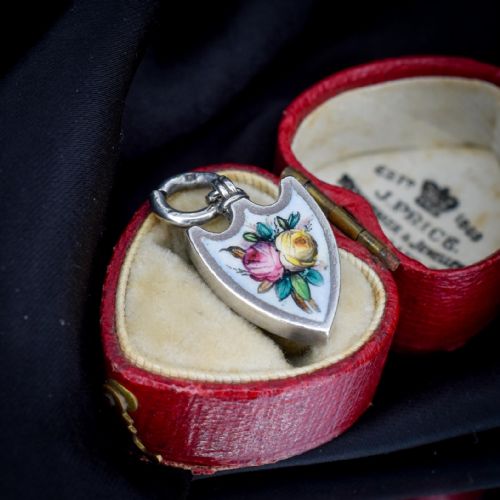
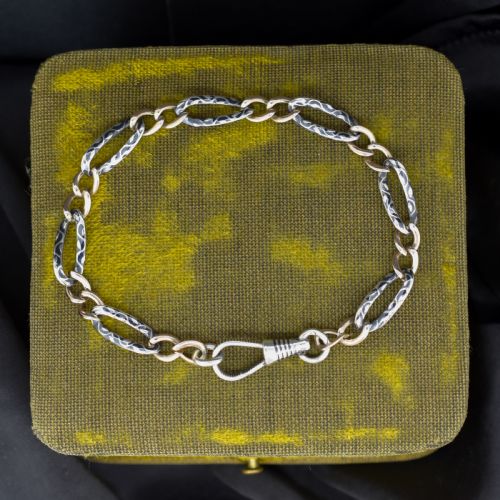
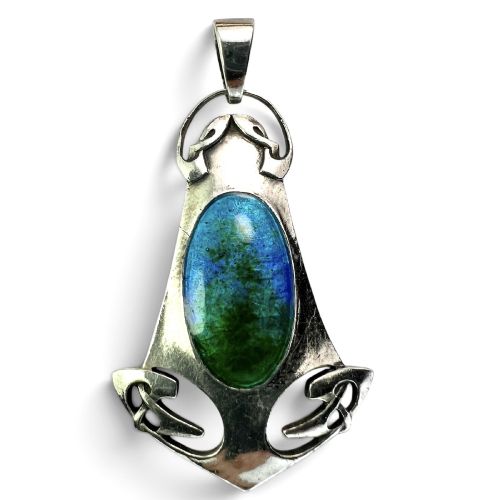
Buyers regularly encounter pendant necklaces, bracelets and necklaces on this page, often set with blue enamel or delicate landscape scenes. The forms reflect the design priorities of the nineteen hundreds and nineteen tens, alongside earlier nineteenth-century examples and later nineteen-twenty pieces.
Makers and designers working in silver and enamel during this era produced wearable art that combined metalwork with coloured glass surfaces. These items range from simple cloisonné necklaces to complex designer pendants embellished with pearls.
How they were made
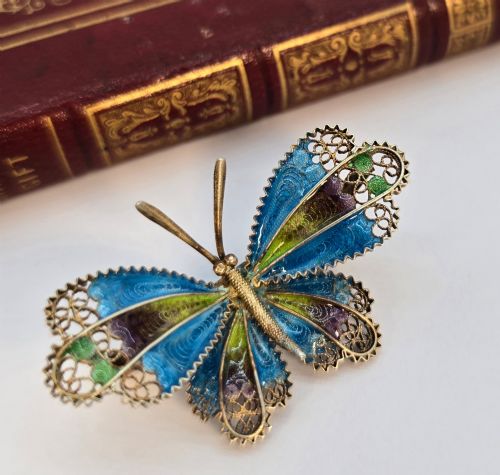
Craftsmen shaped sterling silver into structured mounts and settings, employing techniques such as cloisonné to partition the design fields before applying coloured vitreous enamel. This powdered glass was fired at high temperatures to fuse permanently with the metal base, producing a glossy, durable surface.
Additional decorative elements like pearls are integrated into the silverwork to accent the enamel panels. The combination of hand-formed silver frames and fired glass required precise thermal control to prevent cracking during the cooling process.
Antique Silver Enamel Jewellery Retail Price Guide 2026
Typical asking prices for silver enamel jewellery among the pieces listed under this phrase on Sellingantiques today, from the lower quarter to the upper quarter. They describe what is for sale here now, not the wider market.
Early twentieth-century makers hid tiny wire cells inside their silver pendants, trapping coloured glass forever in miniature glass windows.
What varies in quality
The distinction between standard items and exceptional pieces rests on the precision of the metalwork and the clarity of the fired enamel. Master silversmiths and named designers achieved finer line work in their silver mounts and smoother, more even surfaces in the vitreous glass.
Design complexity and the presence of supplementary materials, such as natural pearls or intricate landscape painting within the enamel, elevate the standing of a piece. The hand of a recognised designer or workshop accounts for significant variation in artistic execution.
Murrle Bennett·Archibald Knox·Liberty and Co·Wilhelm Fuhner
The Antique Silver Enamel Jewellery Glossary
- Vitreous Enamel
- A material made by fusing powdered glass to a metallic substrate through firing at high heat. It provides the vivid, glossy colour seen across these silver mounts.
- Cloisonné
- A technique where thin metal wires are soldered to a silver base to create compartments that hold the coloured enamel paste before firing. This method produces distinct cell-like patterns in the finished design.
- Arts and Crafts
- A design movement spanning the late nineteenth and early twentieth centuries that prioritised hand craftsmanship and traditional materials over mass production. Pieces from this style frequently use silver and blue enamel.
- Art Nouveau
- An international style prominent around nineteen hundred, characterised by organic, flowing lines and natural motifs. Jewellery from this period often incorporates landscape enamel and delicate pearl accents.
- Sterling Silver
- An alloy of silver containing ninety-two point five percent pure silver and seven point five percent other metals, usually copper. It provides the durable structural framework for antique enamel jewellery.
Antique Silver Enamel Jewellery: Frequently Asked Questions
What periods do these pieces come from?
The listings span from the nineteenth century through the nineteen hundreds, nineteen tens and nineteen twenties. Most items originate from the height of the Arts and Crafts and Art Nouveau movements.
Design characteristics shift from organic floral motifs of the early nineteen hundreds to geometric cloisonné work of the nineteen twenties. Each period brings distinct manufacturing techniques and aesthetic priorities to the silver and enamel mounts.
How should I care for silver enamel jewellery?
Vitreous enamel is essentially glass and requires gentle handling to prevent chipping or scratching against hard surfaces. Store pieces individually in soft pouches away from other metal items.
Clean the silver components carefully with a soft polishing cloth while avoiding abrasive dips that could seep under or damage the enamel edges. Professional cleaning is recommended for fragile designer pieces.
What is the difference between cloisonné and standard enamel?
Cloisonné involves soldering fine silver wires onto the base metal to form distinct cells that separate different colours of enamel paste. This creates a defined grid of metal outlines within the design.
Standard enamel fills recessed depressions or entire surface areas without the wire partitions. Both techniques require high-temperature firing to vitrify the glass powder.