



German Art Nouveau Pendant
A german art nouveau pendant brings Jugendstil design to the neckline, combining organic forms with vibrant enamel and precious stones to capture the spirit of the early twentieth century.

German Art Nouveau Pendant
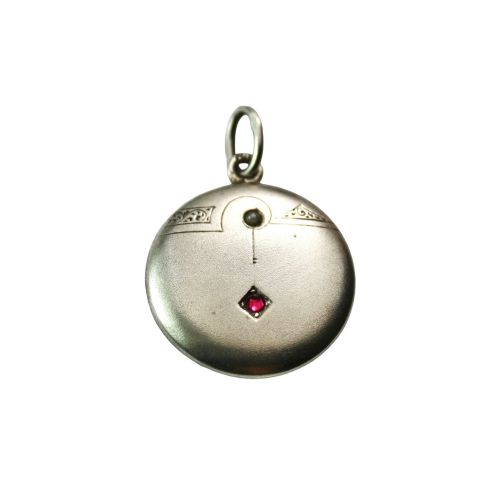
When you search for a german art nouveau pendant, you are looking at intricate jewels that reflect the design movements of the nineteenth and twentieth centuries. These pieces encompass pendants, pendant necklaces, pendants and lockets, and pendant brooches designed in the distinct Art Nouveau style.
The versions you are most likely to meet on this page hail from the nineteen hundreds and nineteen tens, alongside nineteenth-century examples. They emerge in forms ranging from romantic lockets and snake heads to butterflies and botanical motifs.
Materials and construction
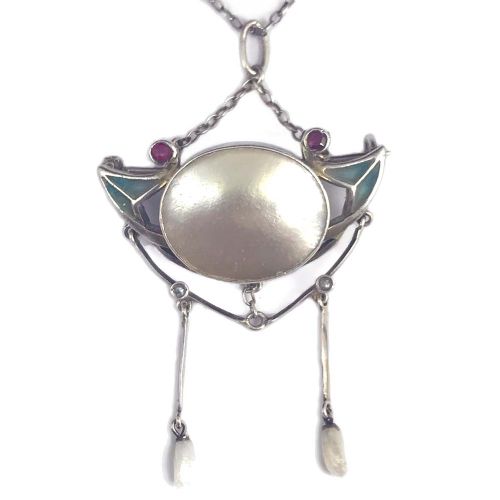
Silversmiths built these jewels using silver and silver gilt as the primary foundation metals for the mounts and frames. Artisans applied plique-a-jour and landscape enamel techniques to create translucent colour effects that catch the light.
Workshops embellished the metalwork with pearls, seed pearls, paste, and stones such as citrine, chrysoprase, hematite, and amazonite. Makers combined these elements into pendant drops and mirrored locket constructions.
German Art Nouveau Pendant Retail Price Guide 2026
Typical asking prices for german art nouveau pendant among the pieces listed under this phrase on Sellingantiques today, from the lower quarter to the upper quarter. They describe what is for sale here now, not the wider market.
Listings span the nineteenth century through the nineteen tens, featuring silver, silver gilt, and plique-a-jour enamel.
Assessing quality
The standard of enamel work distinguishes superior pieces from simpler examples, particularly the precision and transparency of plique-a-jour panels. Finer jewels display sophisticated handling of translucent glass that mimics stained glass in miniature.
The choice of set stones and pearls further elevates a piece, alongside the intricacy of the underlying silver or silver gilt metalwork. Maker attribution and documented workshop origins add distinction to the finest survivals.
Wilhelm Fuhner·Levinger & Bissinger·Otto Prutscher·Meyle & Mayer·Heinrich Levinger·Martin Mayer·Ludwig Knupfer·Theodor Fahrner
The German Art Nouveau Pendant Glossary
- Jugendstil
- The German variant of the Art Nouveau movement, named after the Munich art magazine Die Jugend. It influences the flowing, organic lines seen across these jewels.
- Plique-a-jour
- An enamelling technique where enamel is applied without a backing metal, creating a stained-glass effect that lets light pass directly through the design.
- Silver gilt
- Silver that has been coated with a thin layer of gold on its surface. This finish provides a warm golden tone while retaining the underlying properties of silver.
- Paste
- Hand-cut and polished glass used as a gemstone substitute in historic jewellery. It allows for bright colour and sparkle in decorative settings.
- Chrysoprase
- A gemstone variety of chalcedony that contains small amounts of nickel. Its apple-green colour appears frequently in period metalwork.
German Art Nouveau Pendant: Frequently Asked Questions
What is a german art nouveau pendant?
A german art nouveau pendant is a piece of historical jewellery created during the early twentieth century or late nineteenth century. These jewels showcase the organic lines and natural motifs characteristic of the continental Jugendstil movement.
They combine silver and silver gilt with vitreous enamel work and various gemstones. Many function as standard necklaces, while others double as brooches or incorporate mirrored lockets.
How do I wear a antique pendant safely?
Wearing historic jewellery requires gentle handling to protect delicate enamel work and set pearls. Pair these pieces with appropriate chains that match the weight and scale of the silver mount.
Store the pendant separately in a lined box to prevent friction against other items. Avoid exposing enamel and softer stones to harsh chemicals, perfumes, or ultrasonic cleaning methods.
How do I date a Jugendstil pendant?
Dating relies on stylistic markers, materials, and documented workshop active periods from the late nineteenth century into the nineteen tens. The presence of specific enamelling techniques and stone choices often points toward the nineteen hundreds.
Maker marks and workshop stamps on the reverse provide the most reliable evidence for chronological placement. Comparing the design motifs to documented archival pieces helps narrow down the decade.
What is plique-a-jour enamel?
Plique-a-jour is an enamelling technique that resembles miniature stained glass because it lacks a solid backing. Fused glass sits within open cells of metal wire to let light shine through the translucent colours.
This method demands high skill from the artisan to prevent the enamel from cracking during the firing process. It remains a hallmark of fine Art Nouveau metalwork.
Are these pendants marked with maker stamps?
Many period pieces bear maker marks, initials, or workshop stamps on the reverse of the silver mount. These signatures help identify the firm or designer responsible for the creation.
Unmarked examples still find attribution based on distinct stylistic traits, enamel palettes, and recorded catalogue designs. Expert comparison with known works aids in confirming origin.