

Antique Silver Dresser Box
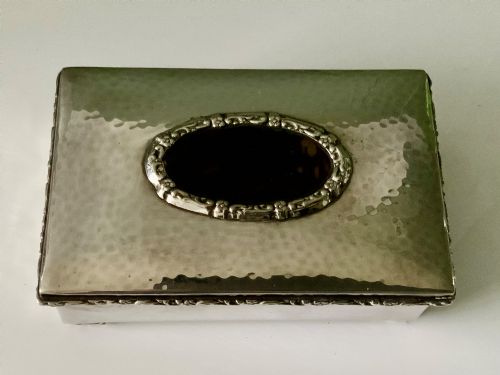
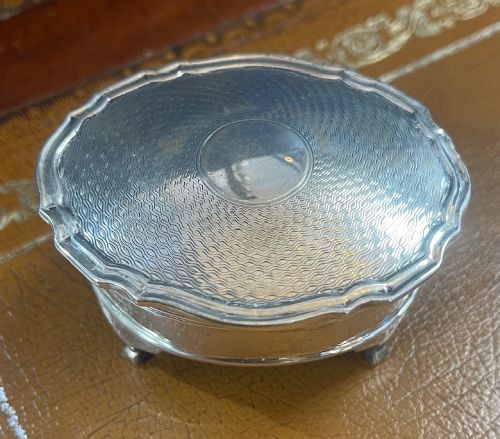
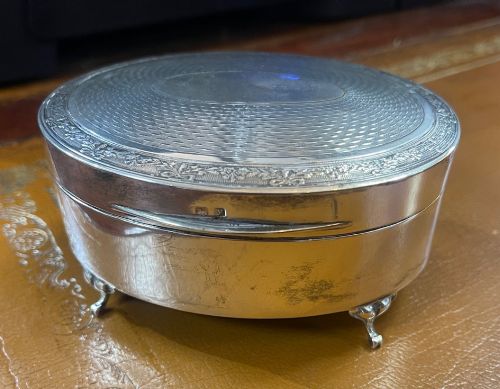
An antique silver dresser box is a small receptacle for personal valuables, combining metalwork and glass to sit upon a dressing table.
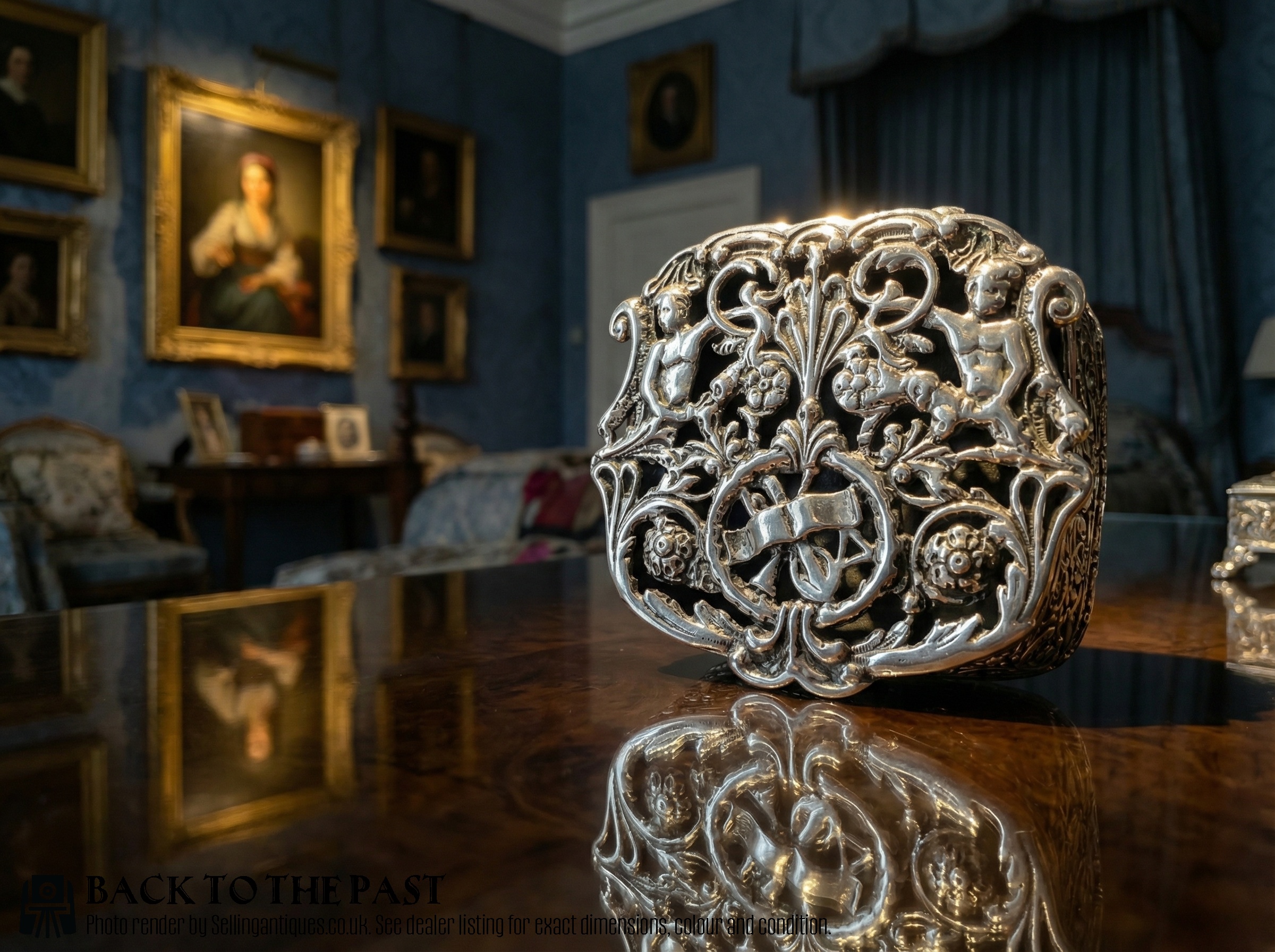
Antique Silver Dresser Box
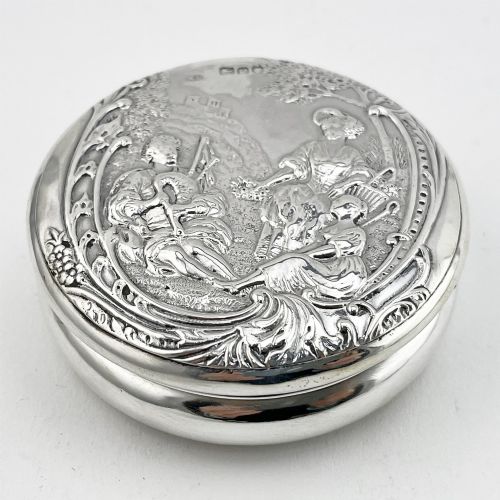
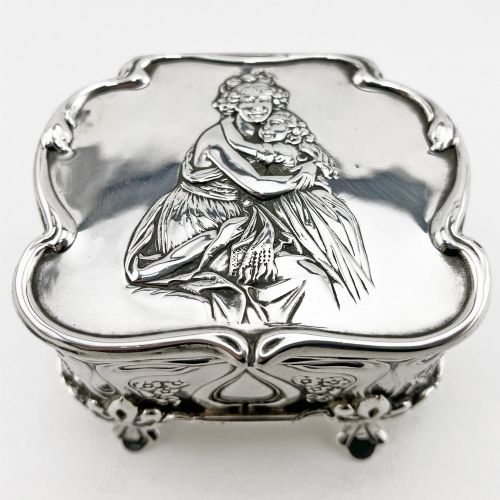
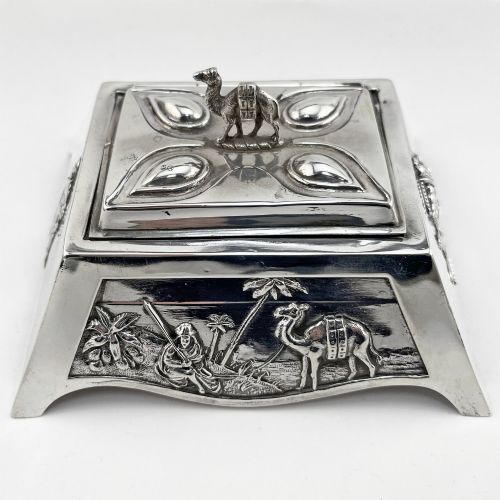
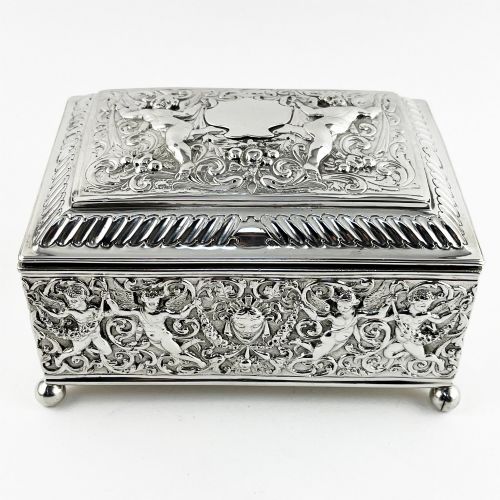
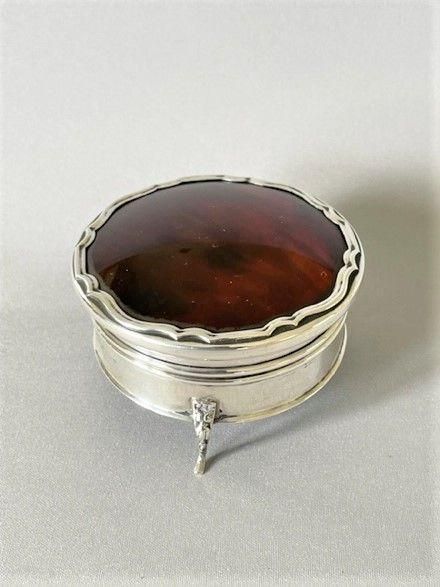
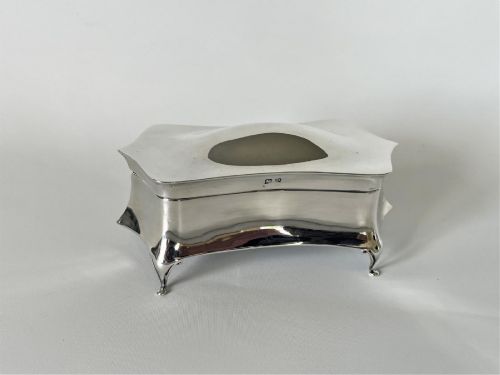
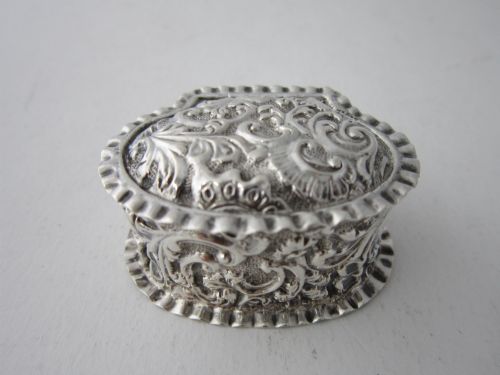
An antique silver dresser box is encountered in various forms designed for personal use, ranging from small pill and ring boxes to larger jewellery caskets and vanity jars. The pieces span the Victorian, Edwardian, and George V periods, alongside continental and Asian export origins.
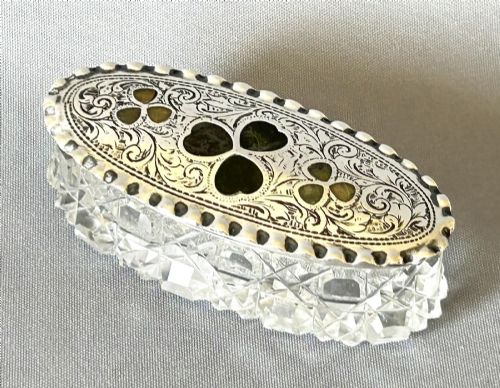
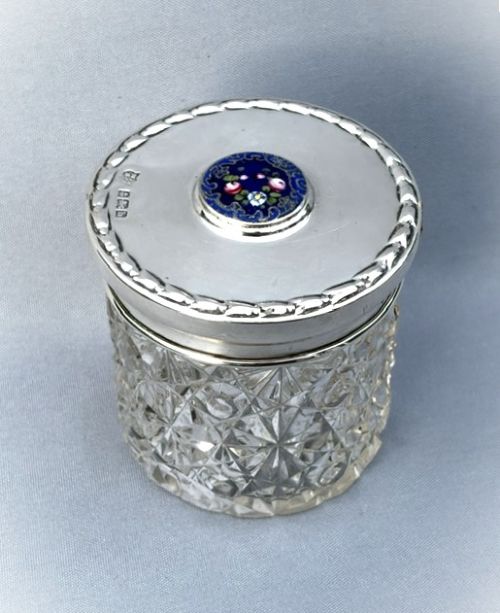
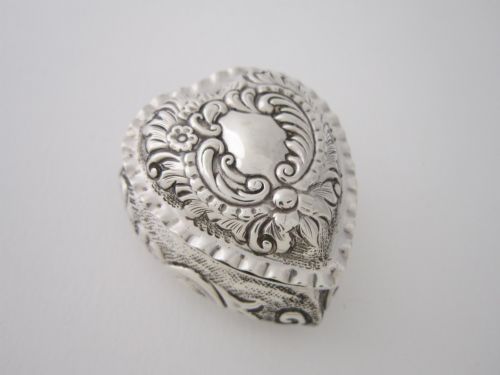
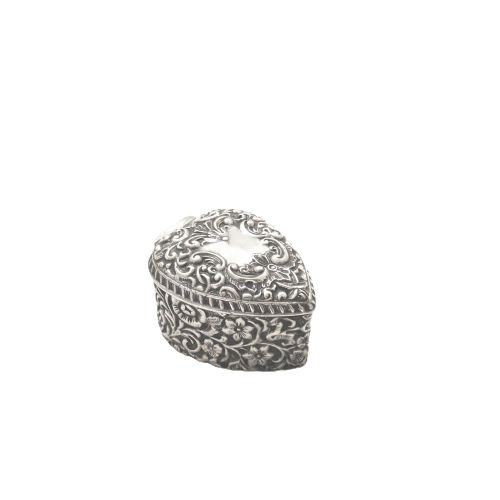
Makers produced these items in shapes such as hearts, ovals, and rectangular caskets, often intended to hold trinkets, cufflinks, or cosmetics upon a dressing table. The selection includes specific variations like cut crystal vessels with silver mounts and pot pourri containers.
Materials and technique
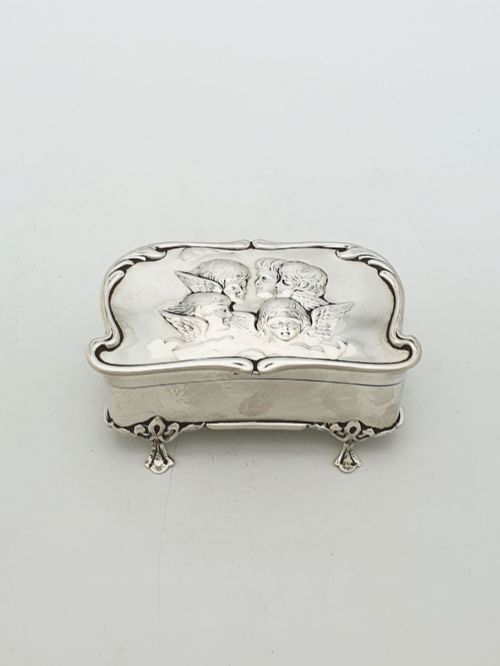
Silversmiths utilised sterling silver and silver plate for the primary structure, frequently incorporating gilt interiors to prevent tarnishing from cosmetics or jewellery. Decorative techniques span repoussé relief work, engraved floral scrolls, and figural cherub motifs.
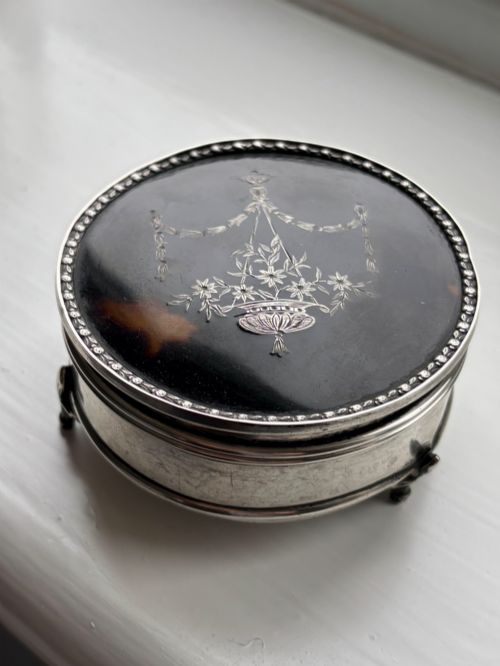
Secondary materials such as tortoiseshell, faux tortoiseshell, enamel, and cut glass appear combined with the metal framework. Makers employed techniques associated with Art Nouveau, Arts and Crafts, and Secessionist styles to ornament the surfaces.
Antique Silver Dresser Box Retail Price Guide 2026
Typical asking prices for silver dresser box among the pieces listed under this phrase on Sellingantiques today, from the lower quarter to the upper quarter. They describe what is for sale here now, not the wider market.
Listings feature items from the Victorian, Edwardian, and George V periods, incorporating materials such as enamel, cut glass, and tortoiseshell.
Quality and execution
The standard of an antique silver dresser box rests on the crispness of its repoussé decoration and the snugness of the lid closure. Pieces featuring hand-engraved scrolls or detailed figural relief demonstrate greater artisan involvement than plain variants.
The integration of secondary materials like enamel, tortoiseshell, or cut crystal dictates the refinement of the object. Heavier gauge metalwork and intact gilt linings elevate the construction standard above lighter, mass-produced counterparts.
Ollivant and Botsford·Goldsmiths and Silversmiths Company·Fleetwood Varley·A and J Zimmerman Ltd·Wang Hing and Company·Walker and Hall·Josef Margold
The Antique Silver Dresser Box Glossary
- Sterling silver
- An alloy containing 92.5 percent silver by mass, forming the primary metal standard for British dresser boxes. It provides durability and a bright lustre.
- Repoussé
- A metalworking technique where the smith hammers the design from the reverse side to form raised relief on the front. This creates textured floral or figural ornamentation.
- Gilt interior
- A thin layer of gold applied to the inside surface of a silver box. This treatment protects the silver from chemical reactions with cosmetics or tobacco.
- Tortoiseshell
- The shell of certain turtle species used historically as an overlay panel on dresser boxes. It adds a mottled brown and amber pattern beneath silver piqué work.
- Cut glass
- Glassware shaped and patterned with geometric facets using a cutting wheel. It forms the body of vanity jars fitted with sterling silver lids.
Antique Silver Dresser Box: Frequently Asked Questions
What were antique silver dresser boxes used for?
These containers held personal items such as rings, pins, trinkets, and cosmetics on a bedroom dressing table. Wealthy owners stored daily jewellery pieces within reach.
Some variants served specific purposes as pill boxes, snuff boxes, or cigar containers. The inclusion of gilt interiors helped protect the silver from corrosive substances.
How do I date a silver dresser box?
British pieces typically carry hallmarks stamped into the metal, indicating the assay office, date letter, and maker's mark. These tiny stamps provide the exact year of manufacture.
Stylistic indicators like Art Nouveau whiplash lines or Edwardian floral scrolls also point to specific decades. Comparing the decorative motifs helps narrow down unmarked examples.
How should I clean silver dresser boxes?
Light dusting with a soft cloth maintains the surface without removing historical patina. Avoid harsh chemical dips that strip away deliberate antiquing or damage delicate enamel.
Special care is necessary when dealing with inset materials like tortoiseshell or glass. Moisture should be kept away from organic panels to prevent warping.
Are these boxes made of solid silver?
Many examples are fashioned from solid sterling silver, while others utilise silver plate over a base metal core. Hallmarks distinguish solid metal from plated alternatives.
Some items combine silver mounts with bodies made entirely of cut glass or tortoiseshell. Examining the edges and interior reveals the construction method.