


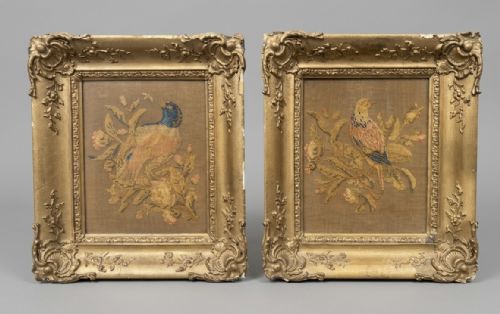
Antique Silk Needlepoint
Antique silk needlepoint brings centuries of hand-stitched detail into modern rooms through framed pictures, samplers and panels.
Antique Silk Needlepoint
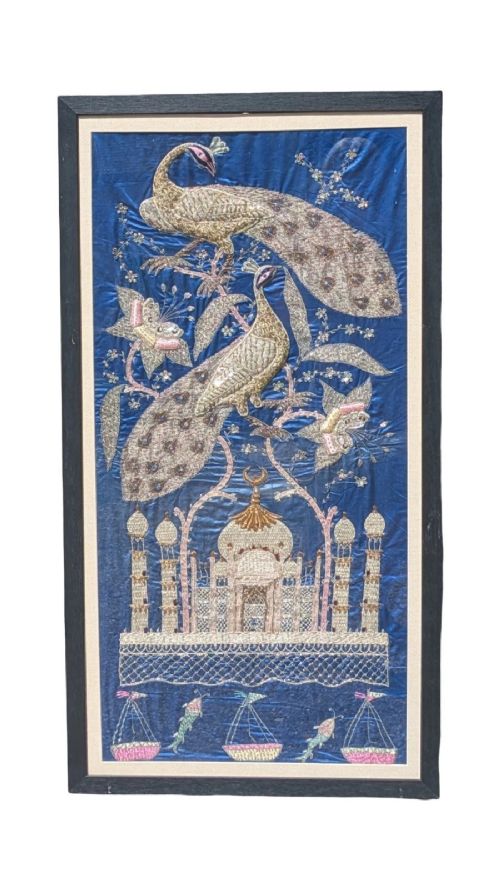
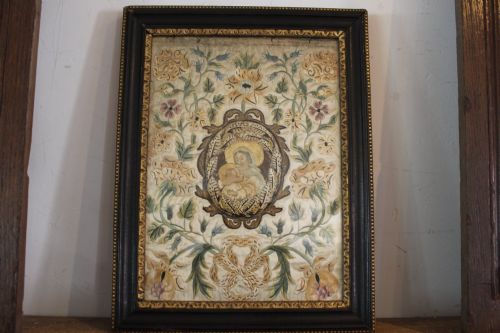
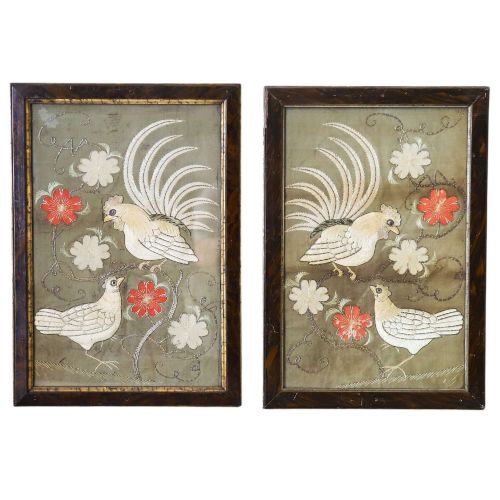
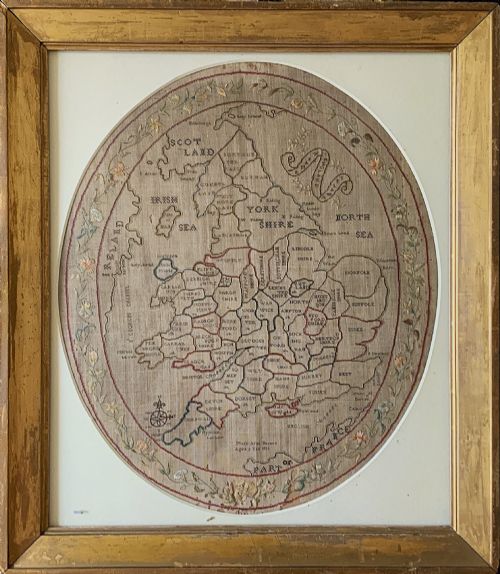
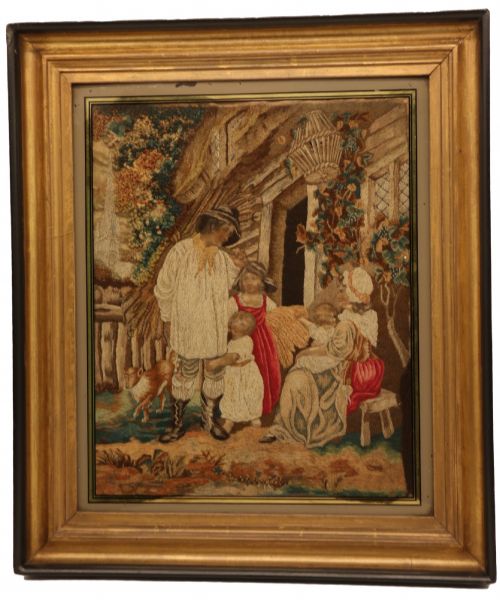
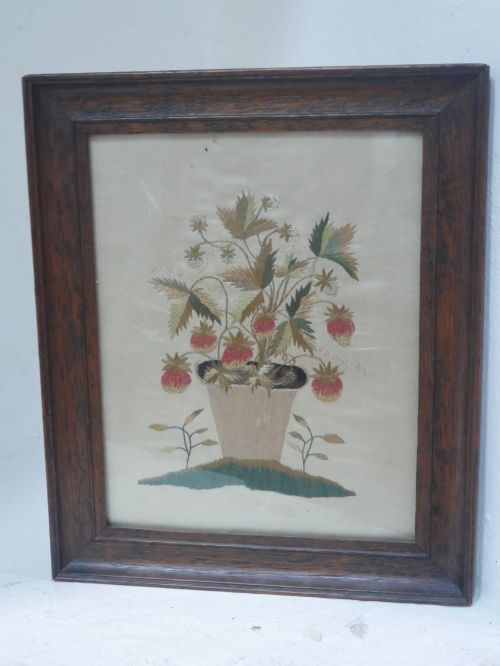
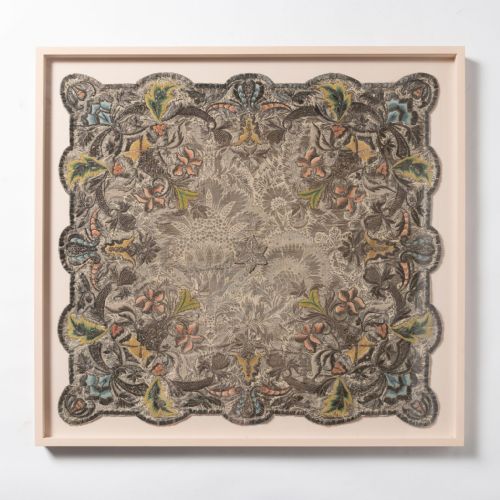
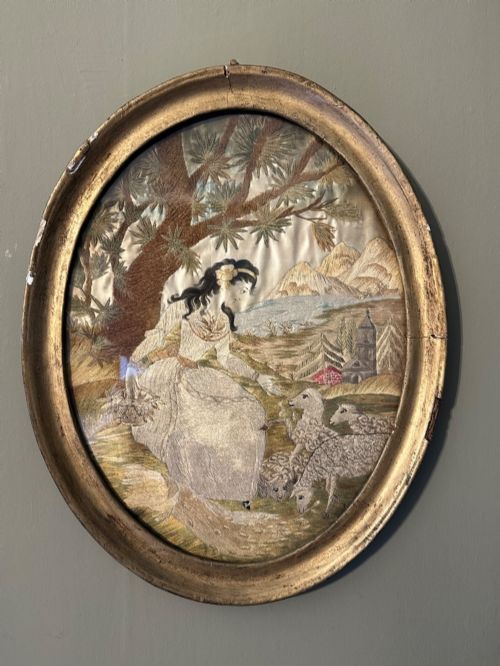
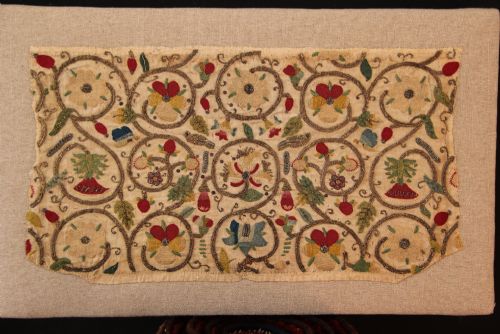
When you search for antique silk needlepoint, you encounter framed textile art, needlework pictures and samplers spanning the seventeenth century to the twentieth century. These works capture pastoral scenes, maps, birds and figurative subjects through intricate threadwork.
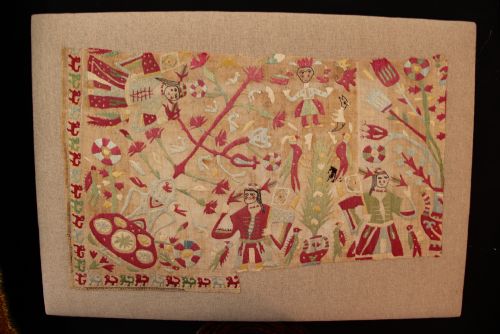
The version you are most likely to meet on this page is a framed nineteenth century picture or an eighteenth century sampler, often executed by hand on linen or silk grounds. English, French, Chinese and Greek Island origins appear frequently across the collection.
What varies in quality
The execution of the stitching dictates visual success, separating hurried schoolroom exercises from masterly pictorial panels. Finer examples display subtle tonal shading in silk floss and precise anatomical rendering of figures, birds or horses.
Condition of the delicate silk threads and the stability of the original frame govern the grade of a piece. Works retaining vibrant colour and crisp detail command greater appreciation among collectors.
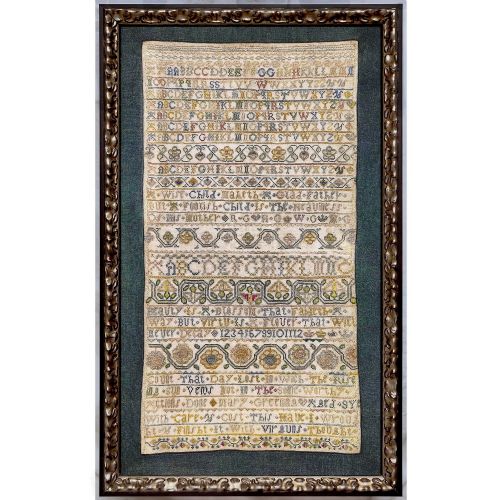
Young stitchers recorded their exact ages alongside intricate maps and moral verses, leaving permanent signatures in silk thread.
Mary Banion·Mary Greening·Louiss Elkins·Elizabeth Horn
The Antique Silk Needlepoint Glossary
- Sampler
- A piece of needlework demonstrating various stitches and motifs, often created by young learners to prove proficiency. Historical examples frequently incorporate alphabets, numerals and genealogical records.
- Verre églomisé
- A process of applying gold or silver leaf to glass combined with engraving and painting. Frames utilising this technique provide a decorative border to nineteenth century pictures.
- Band sampler
- A long, narrow textile featuring horizontal rows of distinct embroidery patterns. These seventeenth and eighteenth century formats preserve stitch repertoires.
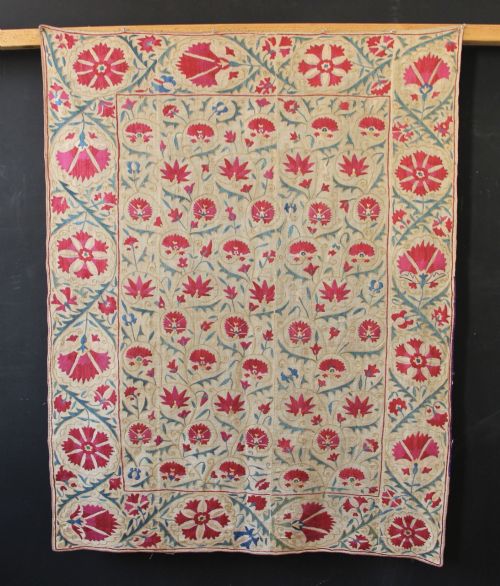
- Suzani
- A type of embroidered tribal textile originating from Central Asia. These large decorative panels employ vibrant silk threads on cotton or linen foundations.
Antique Silk Needlepoint: Frequently Asked Questions
How do I date an antique needlework picture?
Examine the materials, framing style, and subject matter alongside any stitched signatures or dates. Seventeenth and eighteenth century works often feature distinct band layouts or Stuart motifs, while nineteenth century pieces lean toward pastoral or narrative scenes.
Supporting documentation or inscriptions on the reverse of the frame can further narrow down the decade of production. Stylistic shifts in costume and lettering also provide reliable chronological clues.
Where should I hang silk needlepoint?
Display framed needlework away from direct sunlight to prevent the silk threads from fading and losing their original vibrancy. Interior walls with stable temperature and humidity protect the delicate textiles and wooden frames from warping.
Avoid damp areas such as kitchens or unheated spaces where moisture can degrade linen grounds and metal threads. Proper placement ensures the longevity of these historical artworks.
What is the difference between needlepoint and embroidery?
Needlepoint is stitched on an open-weave stiff grid canvas, covering the entire foundation ground with thread. Embroidery encompasses a broader range of decorative stitching applied directly onto a pre-existing woven fabric like linen or silk.
Both techniques appear across historical textile art, though samplers and pictorial panels utilise distinct stitch combinations depending on the period.