


Antique Silk Fauteuil
An antique silk fauteuil brings genuine French seating history into a room, offering carved wooden frames paired with traditional silk upholstery.
Antique Silk Fauteuil
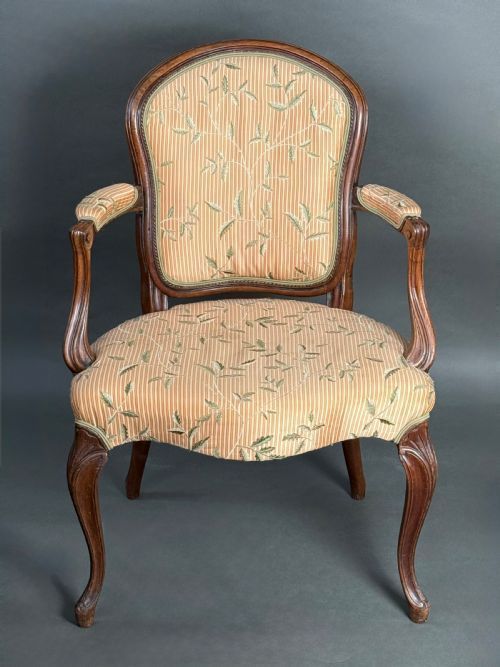
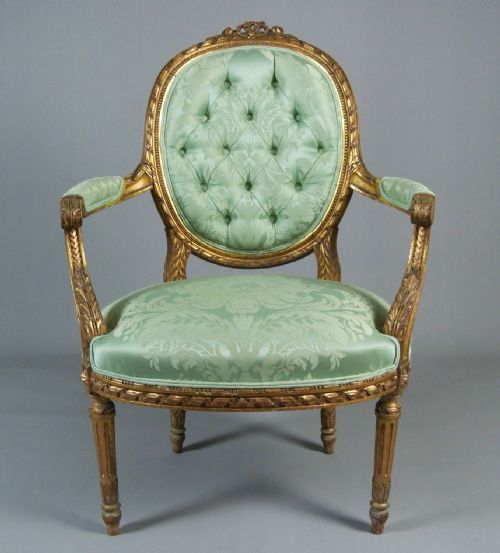
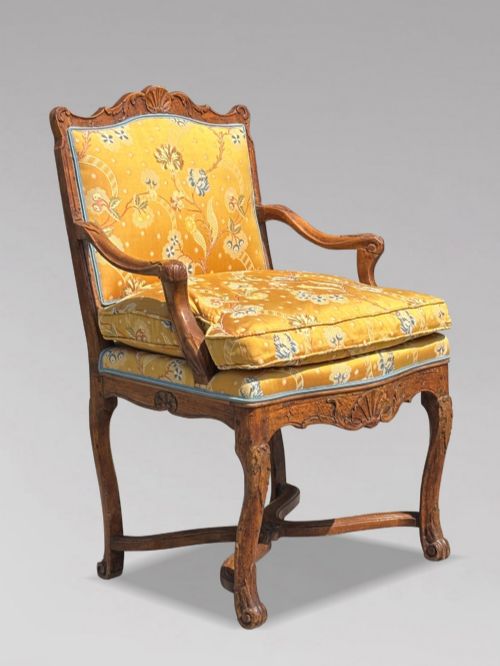
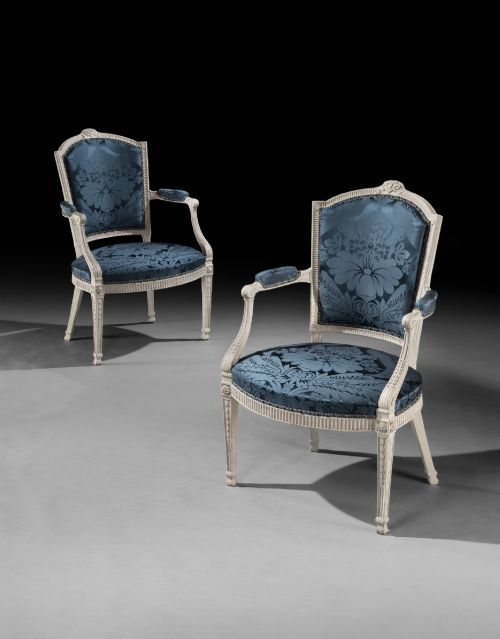
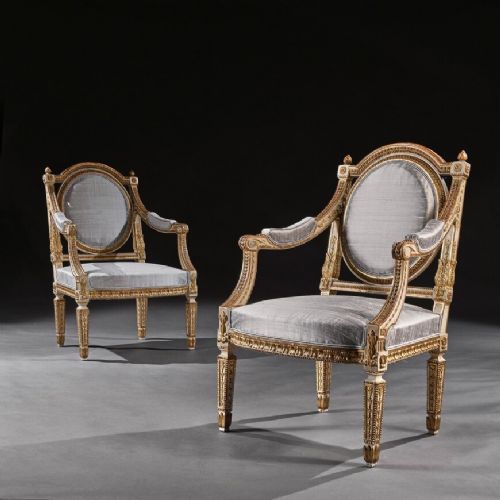
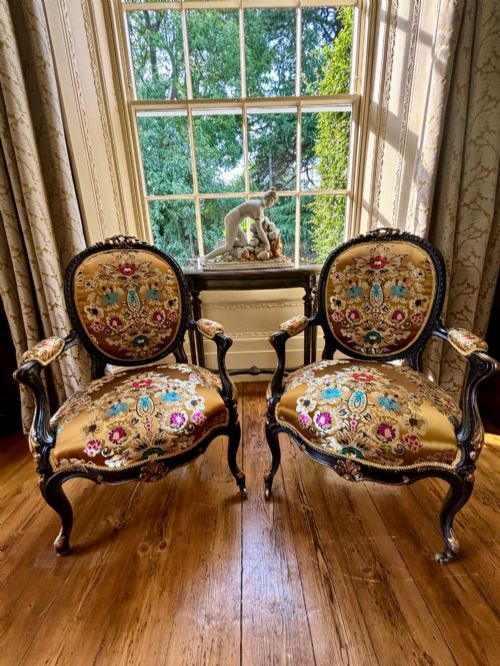
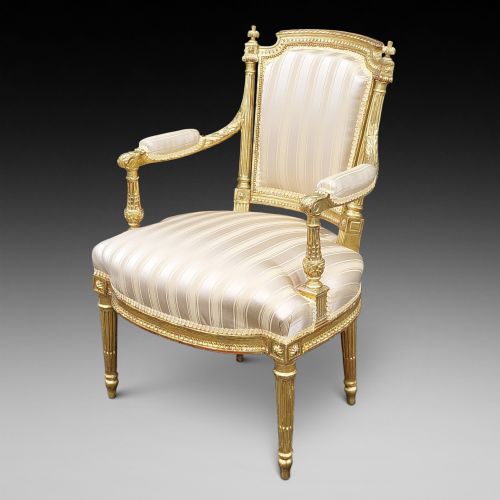
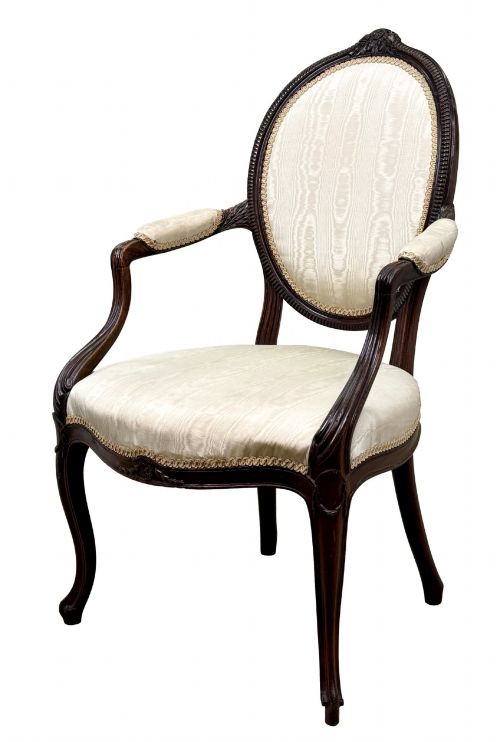
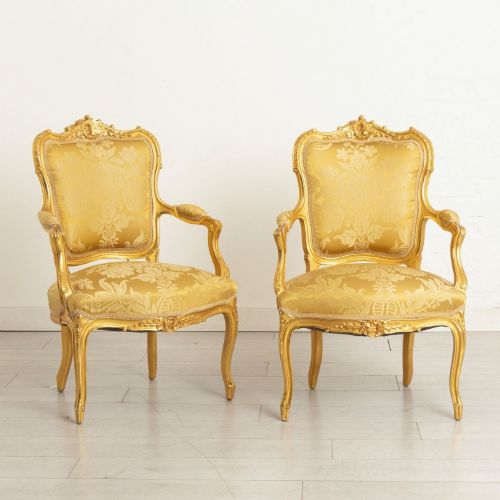
An antique silk fauteuil represents an open-armed upholstered seat developed primarily in France during the eighteenth and nineteenth centuries. These chairs combine formal woodwork with textile covers, serving both functional seating and decorative roles in historic interiors.
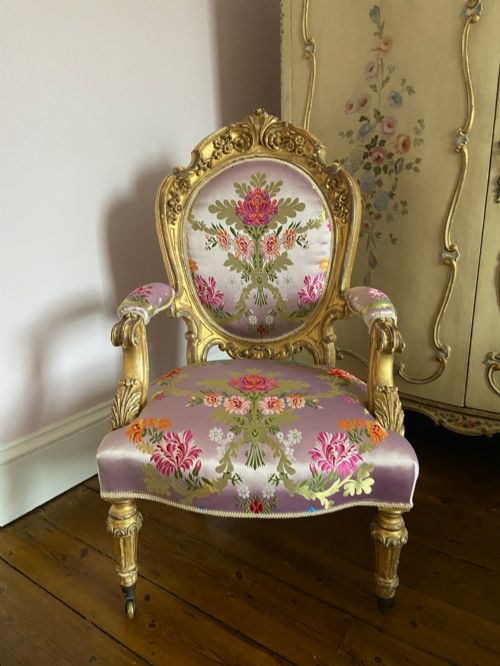
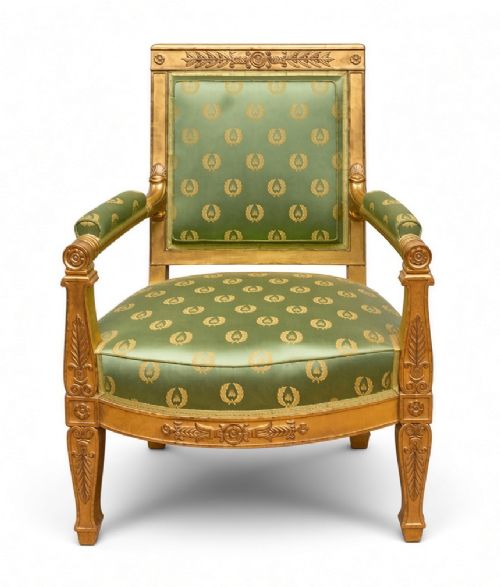
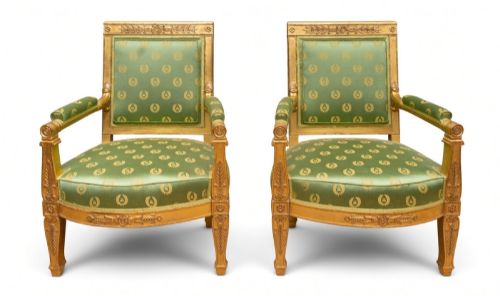
Buyers browsing this selection will frequently encounter pieces styled after Louis XV or French Rococo designs alongside later nineteenth century revivals. Walnut, giltwood, and carved wood dominate the structural frames, often paired with silk damask or plain silk covers.
Materials and Construction
Maker workshops shaped these frames from solid timbers including walnut, mahogany, fruitwood, and giltwood, using traditional joinery to support the open arm design. Carvers worked directly into the wood to create curvilinear motifs before gilding or painting the surfaces.
Upholsterers secured silk fabrics, including silk damask, over padding built into the seat and back rails. Brass tacks or decorative gimp often finished the edges where the textile met the wooden frame.
Early cabinet makers shaped these open armrests specifically to accommodate the expansive pannier skirts worn by eighteenth century courtiers.
Judging Quality and Execution
Quality rests upon the crispness of the hand-carved detail in the wood and the integrity of the underlying joinery. Finer examples display deep, deliberate carving rather than shallow moulding, maintaining structural rigidity across the open arms.
The choice and execution of the textile elevate a piece, with heavy silk damask offering a more substantial historical presence than plain modern fabrics. Original gilding or well-preserved painted finishes distinguish superior workshops from later provincial interpretations.
Jacob-Desmalter·Thomas Chippendale·Colefax and Fowler
The Antique Silk Fauteuil Glossary
- Fauteuil
- An open-armed upholstered armchair with exposed wooden framing, typical of French seating design. These chairs typically feature padded armrests and a wide seat.
- Giltwood
- Timber coated with a thin layer of gold leaf or gilt pigment. This finish was widely applied to formal salon chairs.
- Silk Damask
- A reversible figured fabric woven on a loom, featuring patterns created by contrasting warp and weft threads. It is frequently chosen for period upholstery.
- Rococo Revival
- A nineteenth century design movement that reinterpreted the asymmetrical scrolls and floral motifs of the eighteenth century. This style appears frequently in Victorian seating.
- Directoire
- A transitional French style bridging Louis XVI and Empire periods, characterised by neoclassical restraint. Pieces from this era show simpler lines than their rococo predecessors.
Antique Silk Fauteuil: Frequently Asked Questions
What is an antique silk fauteuil?
An antique silk fauteuil is a traditional French upholstered armchair featuring an open wooden frame and silk fabric covering. These chairs originated in royal and aristocratic households to accommodate voluminous period clothing.
Today they function as statement pieces in drawing rooms and bedrooms. They combine decorative woodwork with comfortable upholstered seating.
How do I identify the period?
Dating relies on examining the carved motifs, wood types, and structural proportions of the frame. Eighteenth century examples tend to exhibit fluid rococo asymmetry, while nineteenth century revivals often repeat these forms with heavier timber construction.
Comparing the stretcher placement and arm attachment methods helps distinguish original period pieces from later revival interpretations. Maker stamps or labels, when present, provide definitive chronological placement.
How should I care for silk upholstery?
Silk requires protection from direct sunlight to prevent fibre degradation and colour fading over time. Regular gentle vacuuming with a soft brush attachment removes surface dust before it settles into the weave.
Professional textile cleaners should handle any spills or deep cleaning requirements. Placing the chair away from direct heat sources preserves both the wooden frame and the fabric integrity.
Where were fauteuils used?
These chairs historically occupied formal salons, withdrawing rooms, and bedchambers in grand European residences. They provided comfortable seating for conversation while displaying the owner's taste and wealth.
In modern settings, they sit well as occasional chairs in living spaces or studies. Their compact proportions allow them to fit easily beside fireplaces or reading tables.