


Antique Silk Art
Antique silk art encompasses centuries of woven, embroidered, and painted textiles designed to bring colour and texture into interior spaces.
Antique Silk Art
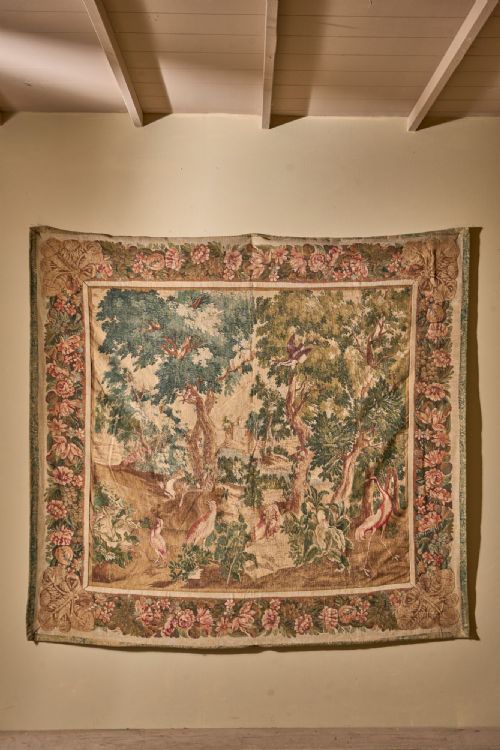
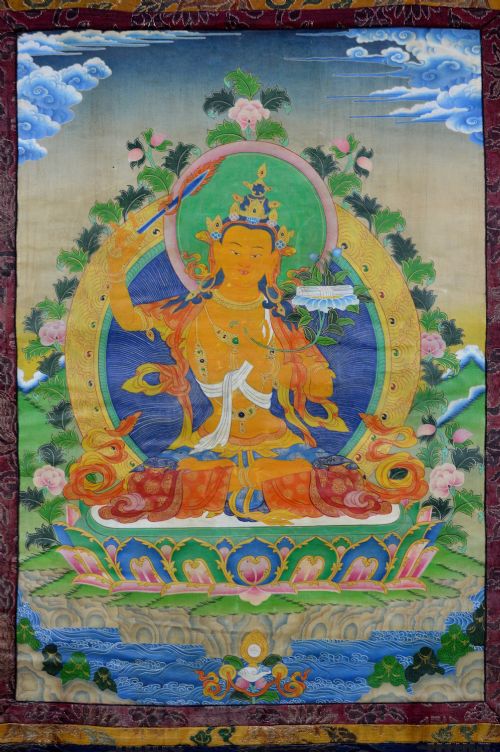
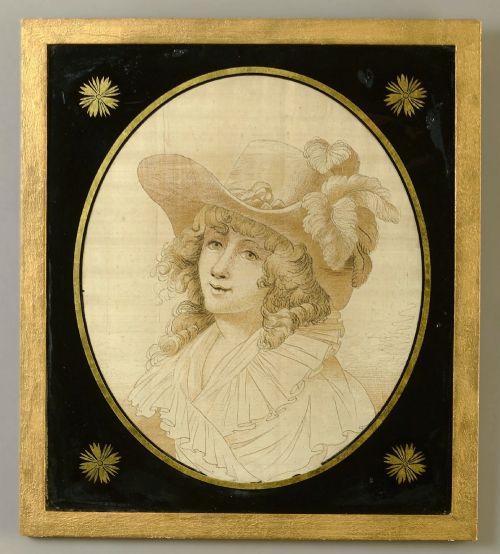
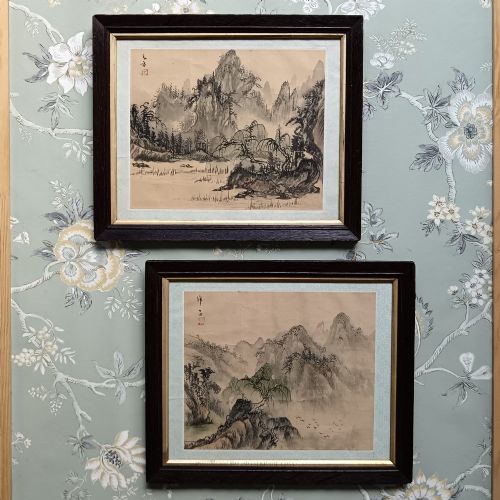
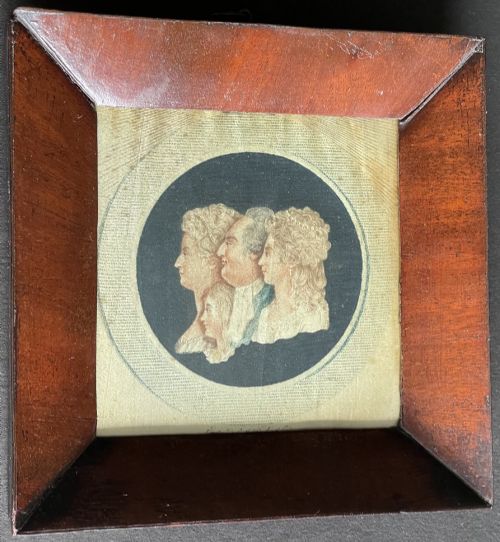
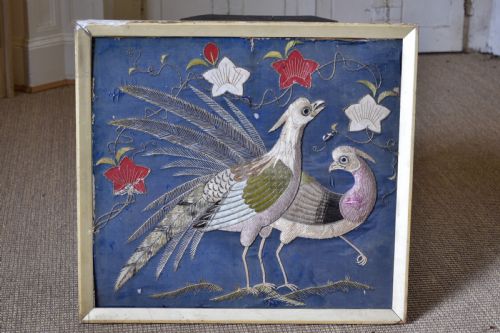
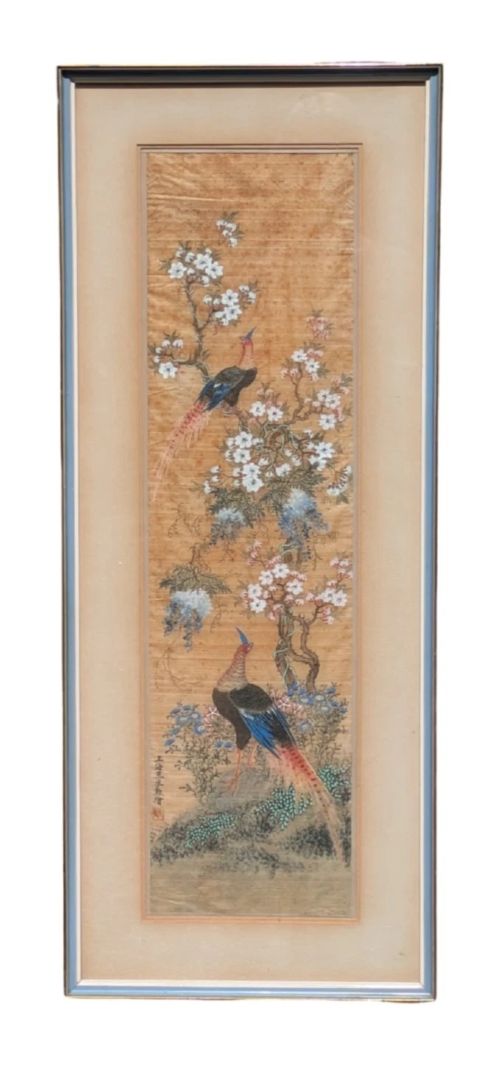
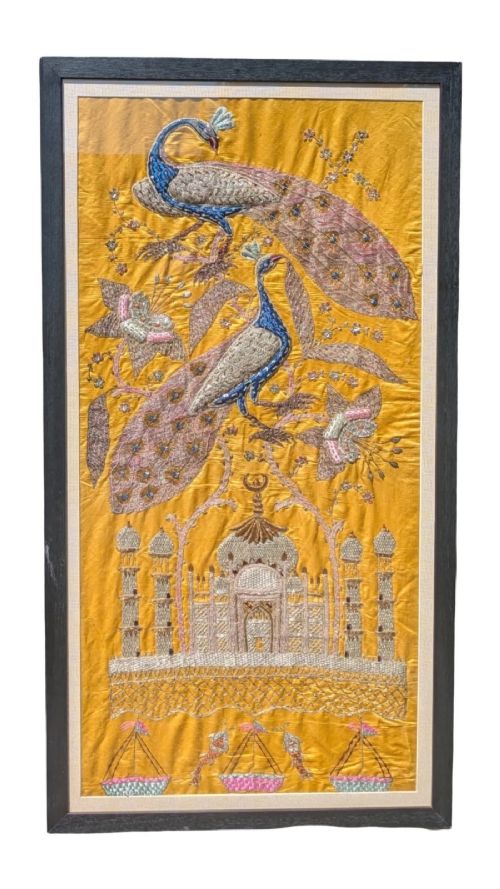
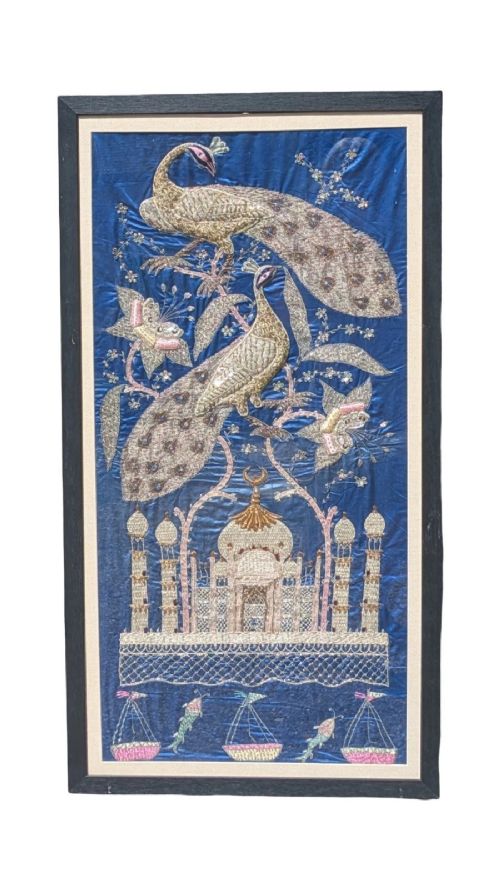
When searching for antique silk art, buyers encounter a diverse range of objects including framed embroideries, painted scrolls, wall hangings, and textile panels. These works span multiple centuries and geographical regions, reflecting both European portraiture traditions and intricate Central Asian or East Asian craftsmanship.
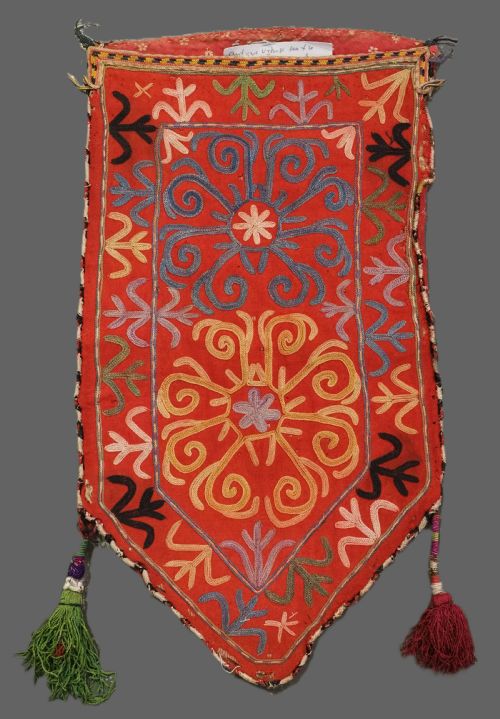
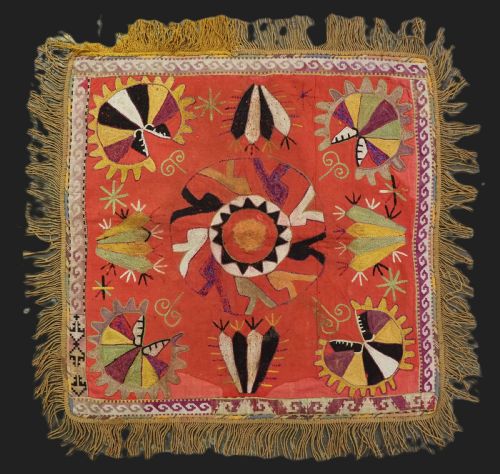
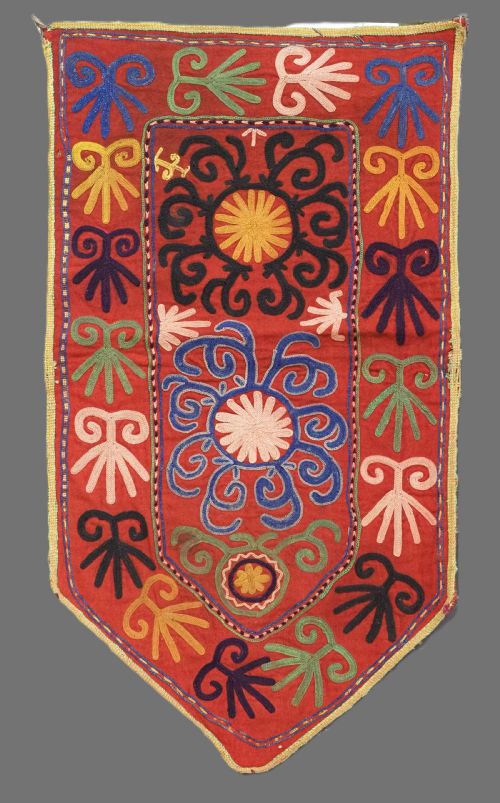
The most common examples on this page are nineteenth-century Central Asian dowry embroideries, Chinese silk paintings, and framed European needlework pieces. Such items served decorative, ceremonial, or domestic purposes within their original contexts before transitioning into collectable wall art.
Pieces range from small, detailed needlework markers and rank badges to large wall hangings and detailed Suzani panels. Each format offers a distinct glimpse into the textile traditions and artistic standards of its period of origin.
How They Were Made
Support structures varied widely according to origin and era, utilising wooden frames, glass protection, original scrolls, or specialised backing materials like gilded wood and faux tortoiseshell. Central Asian and Chinese creations frequently relied on dense, multi-coloured stitch work designed to create vibrant, textured pictorial scenes.
Listings feature periods from the seventeenth century through the Art Deco era, encompassing European portraiture, Chinese silk paintings, and Central Asian tribal embroideries.
What Varies in Quality
The standard of an antique silk art piece is determined by the density of the stitching, the precision of the hand-painted or embroidered lines, and the overall integrity of the fibres. Master artisans achieved extraordinary detail in facial expressions, flora, and fauna, whereas simpler utility items prioritized bold geometric or tribal patterns.
Preservation of the original materials significantly influences the standing of a piece, particularly regarding colour retention in the silk floss and the stability of the ground fabric. Items retaining their original frames, scrolls, or backing materials preserve their historical context more completely than altered or later-mounted examples.
Stevens of Coventry·Charles Jervas·Henry Pickering
The Antique Silk Art Glossary
- Suzani
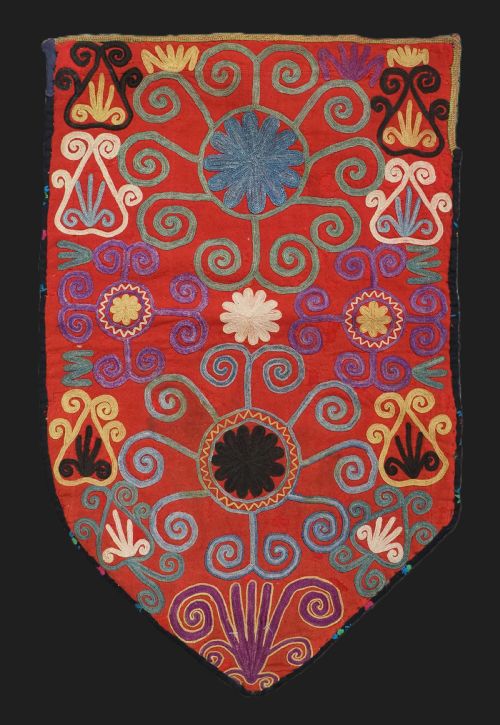
- An embroidered tribal hanging originating from Central Asia, typically worked in silk on a cotton or linen ground with large floral motifs. These vibrant textiles served as dowry items or wall decorations.
- Rank Badge
- A square embroidered patch worn on official robes in imperial China to denote the civil or military rank of the wearer. They are highly sought after as miniature works of textile art.
- Needlework
- A general term for decorative work produced with a needle, including embroidery, tapestry, and sampler work. Historic examples often demonstrate the maker's proficiency in various stitches.
- Silk Floss
- Unspun silk fibres used in embroidery to create smooth, glossy surfaces with subtle light reflection. This material allowed artisans to achieve painterly shading effects in needle art.
- Scroll
- A length of silk or paper mounted on rollers for vertical or horizontal hanging, common in traditional East Asian art. They protect delicate paintings and calligraphy when rolled.
Antique Silk Art: Frequently Asked Questions
How do I hang antique silk art safely?
Protect antique silk art from direct sunlight by placing pieces away from windows to prevent the delicate fibres and dyed threads from fading. UV-filtering glass and professional framing help support the weight of the textile without putting tension on historic stitches.
Ensure hanging locations maintain stable humidity and temperature levels to protect organic materials like silk, cotton, and wood from environmental degradation. Avoid hanging heavy wall hangings by single points; instead, distribute weight evenly across a secure mounting system.
What is a Suzani wall hanging?
A Suzani is a large, hand-embroidered textile created primarily in Central Asia by women as part of traditional dowries. These pieces typically feature bold floral motifs, vines, and sunbursts worked in vibrant silk floss onto a cotton foundation.
Historically used to decorate domestic interiors, today they function as striking wall art or soft furnishings. Their large scale and rich iconography make them focal points in traditional and modern interiors alike.
How do I tell Chinese silk paintings from European works?
Chinese silk paintings and embroideries frequently utilise traditional motifs such as landscapes, flora, fauna, and imperial rank symbols mounted on scrolls or rigid frames. The brushwork and composition follow classical East Asian artistic conventions, utilising ink and watercolour directly on woven silk.
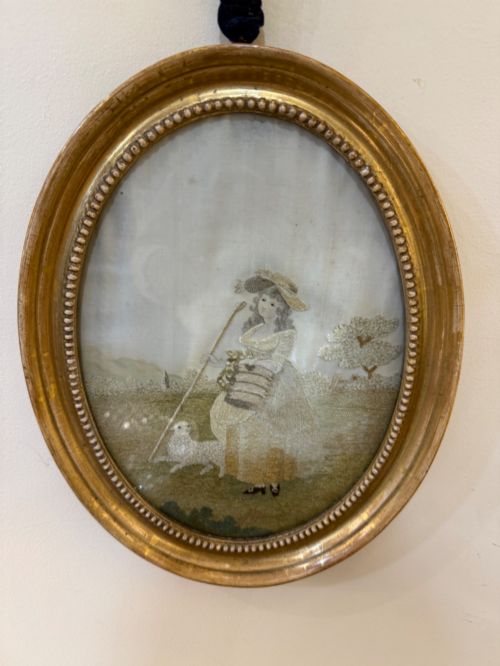
European silk art from the eighteenth and nineteenth centuries tends to feature portraiture, botanical studies, samplers, or genre scenes executed through needlepoint or oil painting on canvas and silk. The framing, subject matter, and stitching styles clearly differentiate these Western decorative traditions from Asian counterparts.
Were these silk pieces always framed?
Many antique silk textiles, such as Central Asian dowry embroideries and Ottoman fragments, were originally created to be hung loose, draped over furniture, or used as ceremonial covers. Framing became more common as these items entered the collector market and required protection from dust and handling.
East Asian scrolls and textile panels were designed to be rolled or hung directly from wooden dowels according to seasonal display customs. When evaluating framed pieces, collectors consider whether the framing is period-appropriate or a later addition intended for modern domestic display.