

Antique Silhouette Art
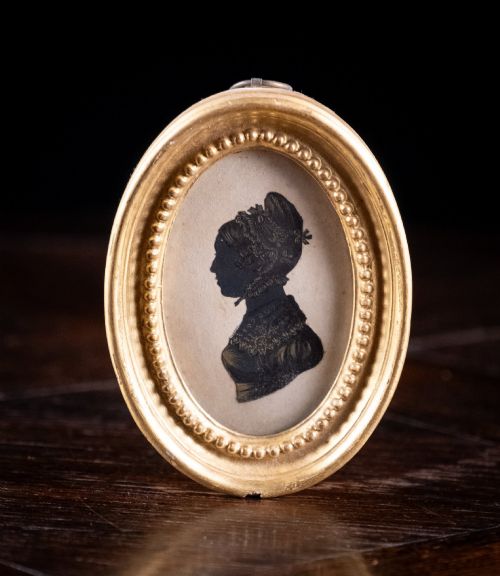
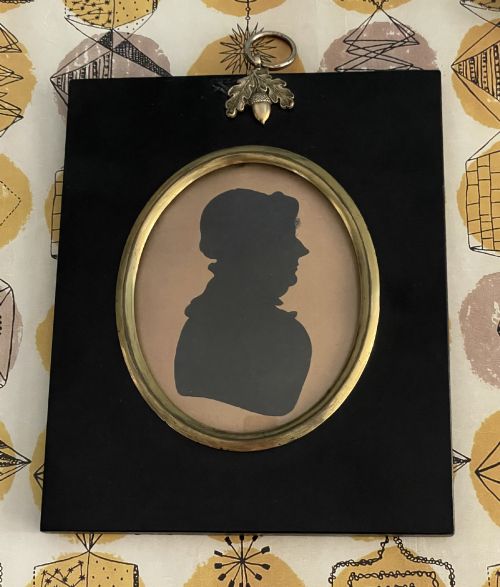
Antique silhouette art captures the sharp profile of a sitter in ink, paper, or glass, offering an intimate glimpse into past lives.
Antique Silhouette Art
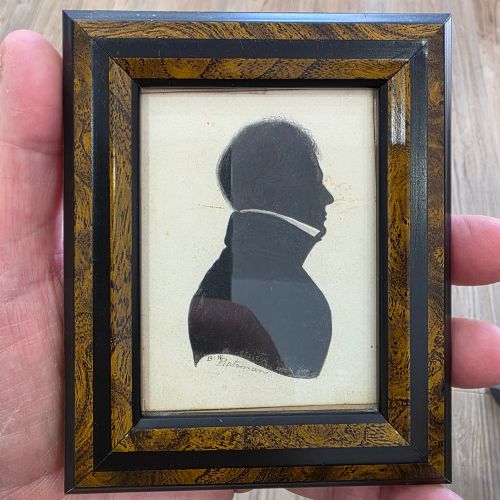
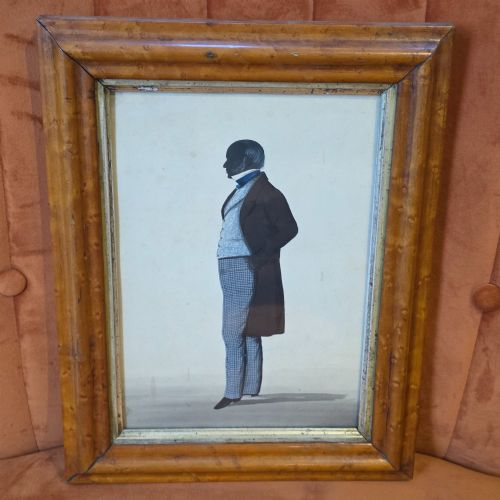
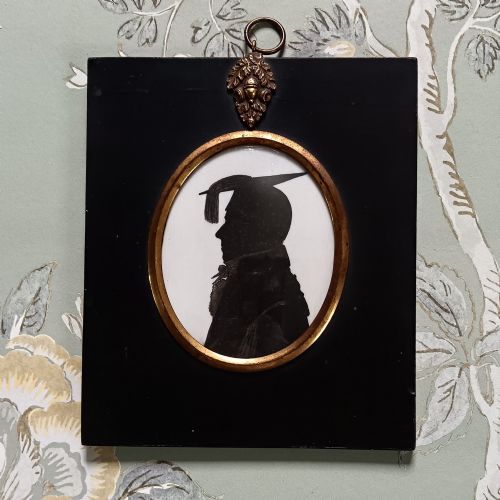
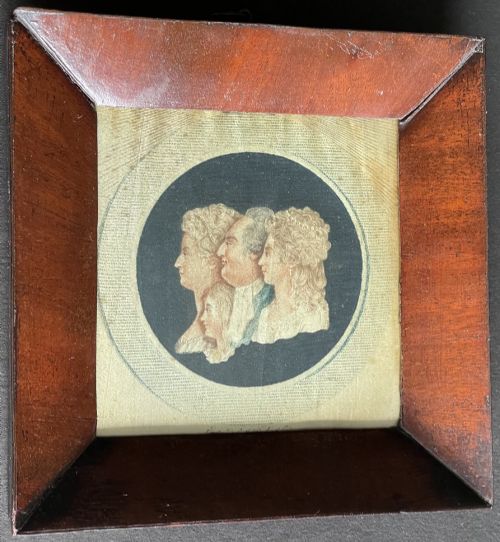
When you search for antique silhouette art, you encounter profile likenesses produced before the advent of photography, spanning the Georgian, Regency, and Victorian periods.
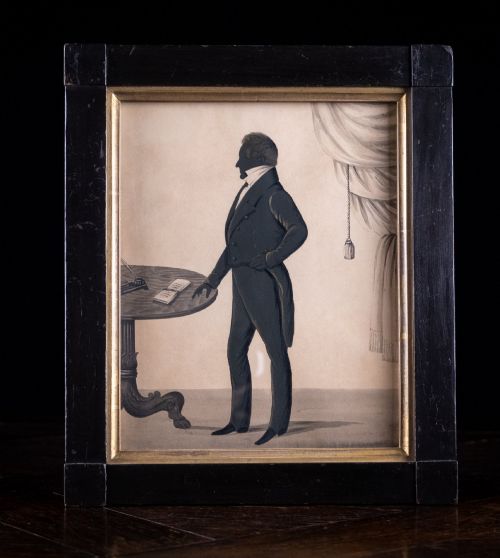
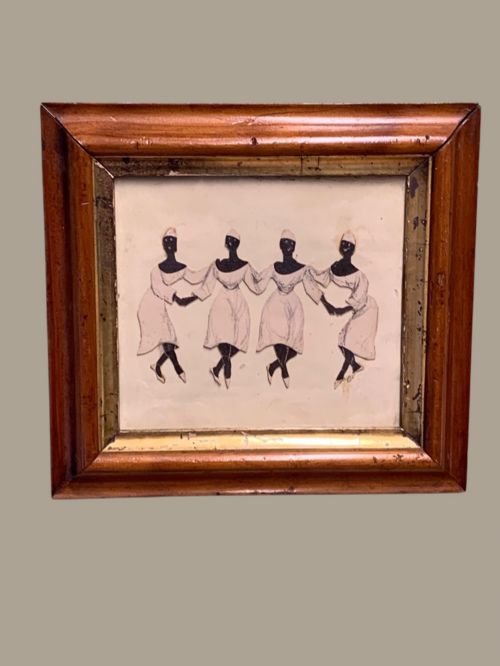
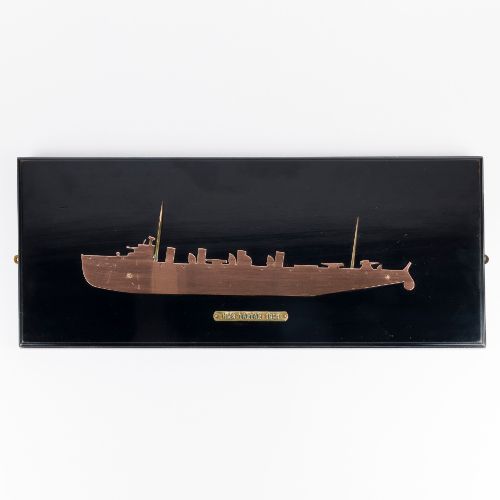
The selections on this page lean heavily towards 19th-century framed wall art and portrait miniatures, ranging from simple cut paper to elaborate conversation pieces.
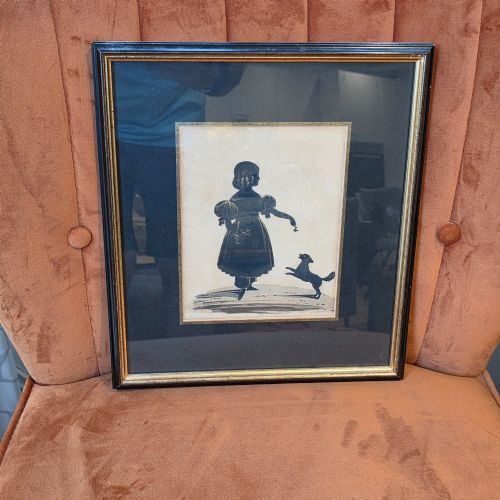
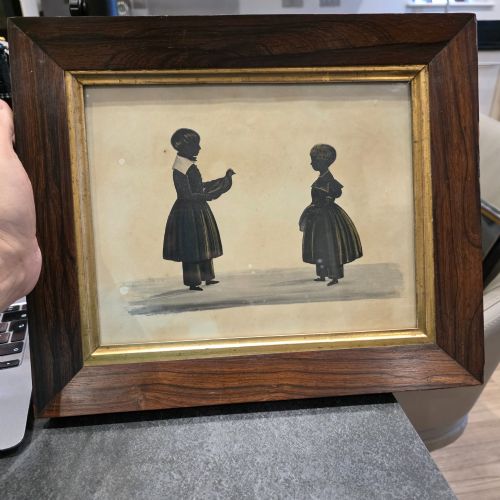
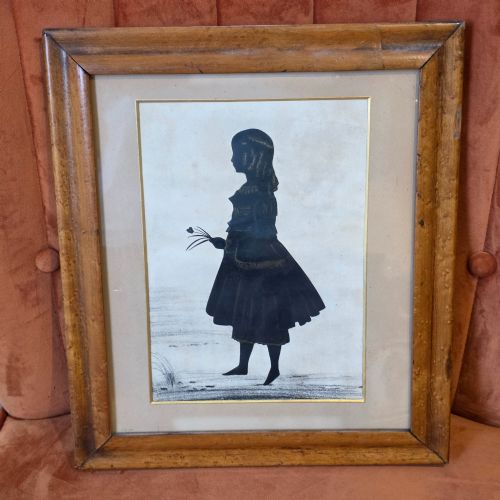
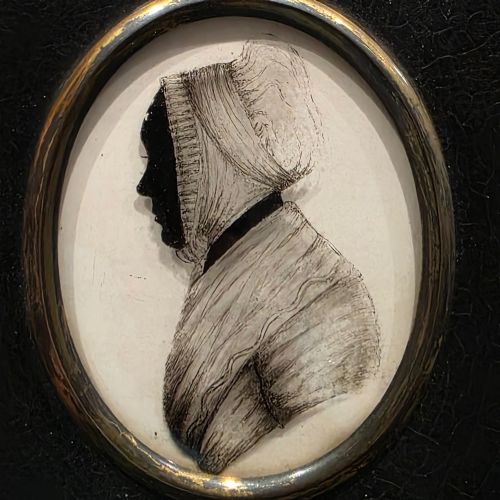
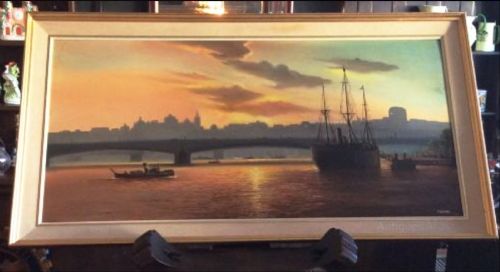
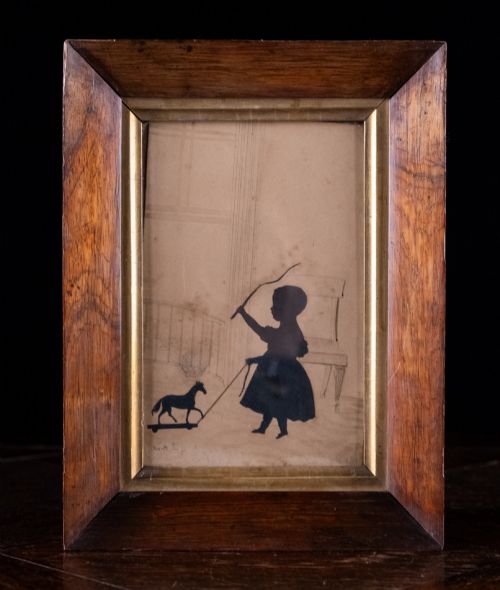
Subjects include gentlemen, elegant ladies, children with animals, and maritime scenes rendered in folk art or neoclassical styles.
How They Were Made
Artists utilised black paper, ink, and watercolour, often mounting the cut profile against a contrasting background or painting directly onto glass.
Frames made of ebonised wood, rosewood, or brass frequently enclose these works, occasionally incorporating gold leaf to highlight details on the clothing or hair.
Listings span the eighteenth to the twentieth centuries, featuring paper, glass, brass, and rosewood.
What Varies in Quality
The precision of the hand-cutting and the fineness of the brushwork determine the distinction between standard artisan output and master portraiture.
Condition of the delicate paper, glass backing, and original framing elements heavily influence the integrity of the surviving piece.
William James Hubard·John Miers·Augustin Edouart·George Atkinson·Frederick Frith·J. Deacon
The Antique Silhouette Art Glossary
- Silhouette
- A solid profile portrait, typically filled in with a dark colour, capturing the outline of a subject. This form gained immense popularity in the eighteenth and nineteenth centuries.
- Reverse painted on glass
- A technique where the artist paints the image on the reverse side of a glass panel, often incorporating gold leaf for highlights. The finished portrait is viewed through the front of the glass.
- Ebonised wood
- Timber treated to resemble ebony, providing a deep black finish commonly used for framing profile portraits. It creates a stark contrast that makes the lighter elements stand out.
- Portrait miniature
- A small-scale painting or silhouette, highly detailed and intimate in nature. These pieces were often designed to be carried or worn as pendants.
Antique Silhouette Art: Frequently Asked Questions
How do I date a silhouette?
Dating relies on costume, hair styling, and framing materials characteristic of the Georgian, Regency, or Victorian eras.
Signatures, stamps on the reverse, or known working dates of silhouette artists also provide secure chronological markers.
Where were silhouettes displayed?
Owners typically hung framed silhouettes in parlours or private chambers alongside other family portraits.
Smaller miniature versions were kept in protective leather cases or worn as jewellery close to the heart.
Are silhouettes painted or cut?
Makers used both methods, sometimes combining them by cutting paper profiles and adding ink or watercolour details.
Others painted directly onto plaster, card, or glass surfaces with fine brushes.
How do I care for antique silhouettes?
Keep delicate paper and watercolour pieces away from direct sunlight to prevent fading of the dark pigments.
Maintain stable indoor humidity to protect fragile glass panels and historic wooden frames from degrading.