





Regency Dog Portrait
A regency dog portrait brings canine companionship from the early nineteenth century straight onto the wall with oil, paper, and ink.
Regency Dog Portrait
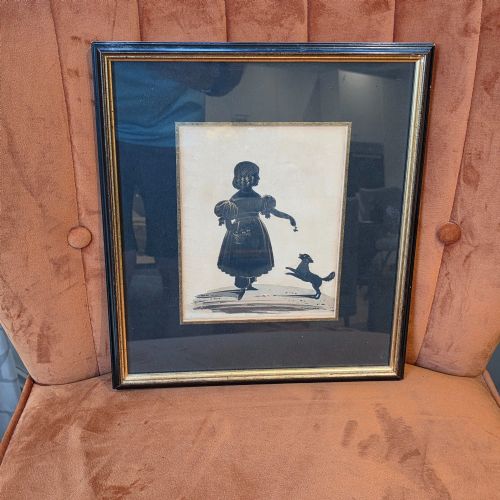
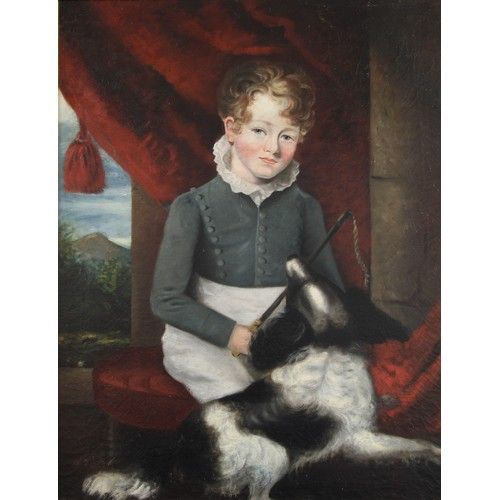
A regency dog portrait captures hounds, pointers, and pets across the nineteenth century and the Georgian era in various mediums. Buyers searching this phrase encounter framed artwork, oil paintings, and silhouettes depicting animals alongside their owners or alone.
The most common examples on this page are oil paintings and watercolours rendered by British artists and country house schools. These works range from primitive and folk art depictions to sporting paintings celebrating named hounds and working dogs.
Subjects include specific animals like Lady and her litter or a bull bitch named Lucy, alongside country gentlemen and children with their canine companions. The framing typically consists of wood, such as maple, housing paper, canvas, or glass.
How they were made
Artists painted these subjects using oil on canvas, applying pigment to capture the texture of a hound's coat or the details of a landscape. Watercolour and ink on paper appear frequently, often combined with cut paper for silhouettes.
Makers utilised brass and wood to construct frames, protecting the delicate paper and canvas works behind glass. Engravings involved transferring inked designs from metal plates onto paper to produce detailed prints of celebrated animals.
Regency Dog Portrait Retail Price Guide 2026
Typical asking prices for regency dog portrait among the pieces listed under this phrase on Sellingantiques today, from the lower quarter to the upper quarter. They describe what is for sale here now, not the wider market.
Listings feature oil on canvas, paper, watercolour, ink, and brass across nineteenth century and Georgian periods.
What varies in quality
The sophistication of the brushwork and the anatomical accuracy of the animal distinguish different tiers of work. Skilled painters render the musculature and expression of hounds and pointers with precision, whereas folk art examples rely on simpler, naive charm.
The original framing and the survival of the surface material influence the character of the piece. Works retaining their early maple frames and untouched painted surfaces hold greater historical integrity than those with modern restorations.
William James Hubard·Augustin Edouart·Samuel Raven·J F Marie Huet Villiers·James Ward·Samuel John Egbert Jones
The Regency Dog Portrait Glossary
- Silhouette
- A portrait cut from paper or painted in solid black profile. These works often capture the exact outline of a dog or child.
- Folk Art
- Artistic production outside the formal academic tradition, often characterised by a flat perspective and naive charm. Many early nineteenth century dog paintings show these regional traits.
- Sporting Art
- Depictions of hunting, shooting, and game animals alongside horses and hounds. This genre documents named pointers, setters, and country pursuits.
- Engraving
- An image printed from a metal plate into which lines have been cut with a burin. These prints record celebrated animals and their pedigrees.
Regency Dog Portrait: Frequently Asked Questions
What is a regency dog portrait?
A regency dog portrait is an artwork from the early nineteenth century depicting a canine, either alone or with its owner.
These pieces use oil paint, watercolour, ink, or cut paper to record specific animals and sporting hounds.
How were these dog portraits displayed?
Original owners hung these works in country houses and parlours, often using maple or wooden frames.
Many paper silhouettes and watercolours were placed behind glass to protect the delicate medium from moisture and dust.
Are all regency dog paintings formal art?
Not all pieces follow academic traditions, as many belong to folk art or primitive styles.
These naive works focus on character rather than strict anatomical proportions, reflecting regional British tastes of the period.
How do I identify the period of a dog portrait?
Dating relies on costume clues, framing materials, and the specific style of the brushwork or silhouette cutting.
Works from this era typically show early nineteenth century attire or Georgian characteristics alongside period paper and wooden supports.