
Antique Sideboard Cupboard
When you need an antique sideboard cupboard, you are looking at substantial storage furniture built to hold dining silver, linen, and provisions.
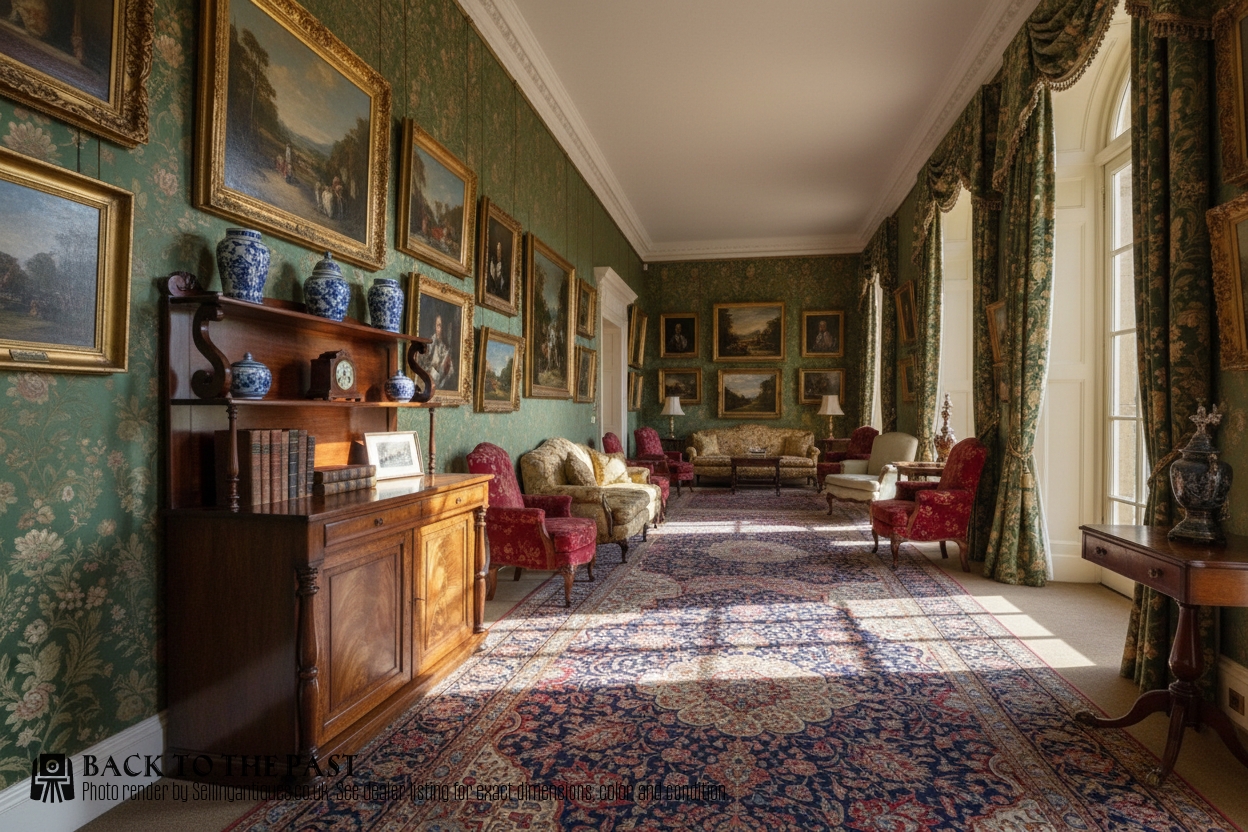
Antique Sideboard Cupboard
An antique sideboard cupboard brings together the deep storage of a heavy cabinet and the serving surface of a traditional sideboard, appearing frequently in 18th, 19th, and early 20th-century forms.
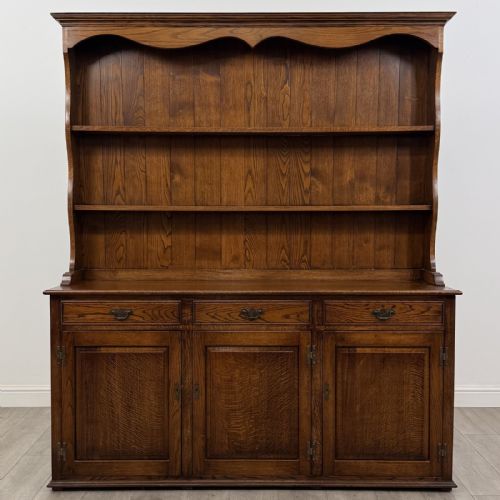
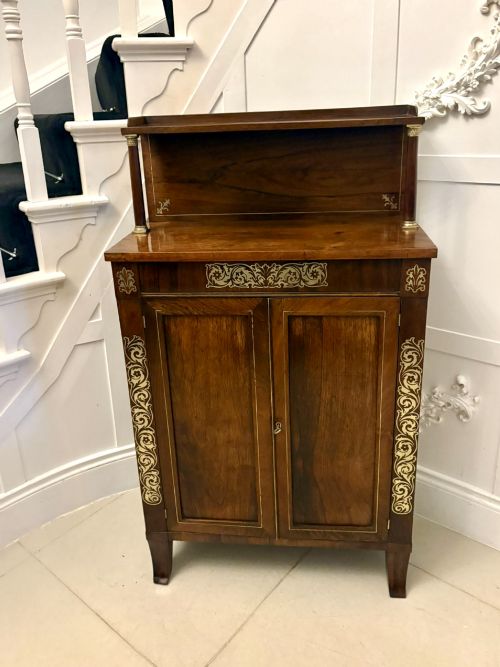
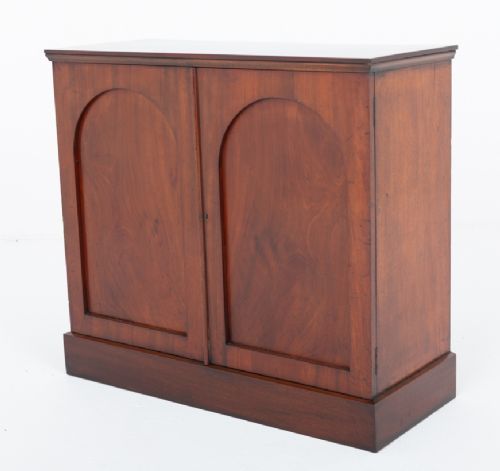
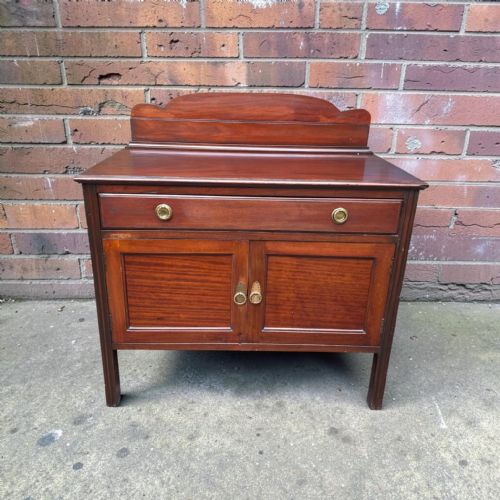
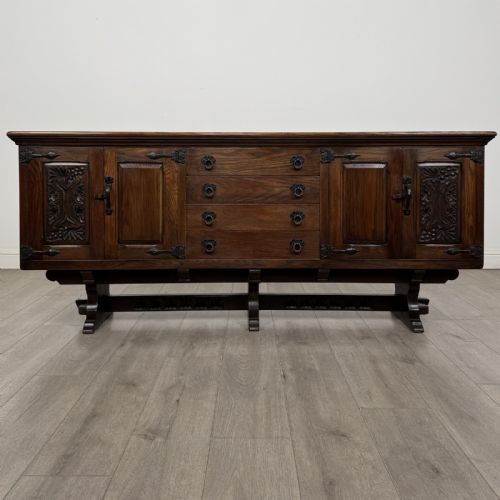
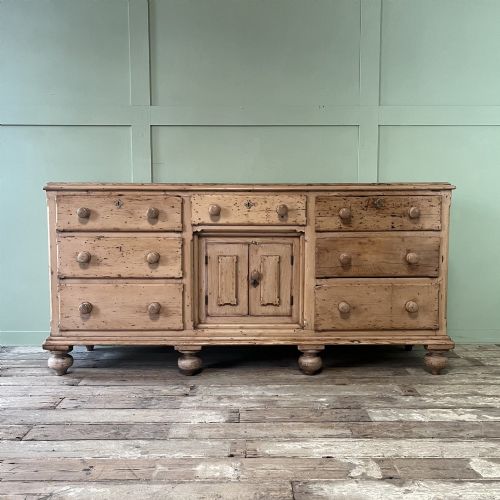
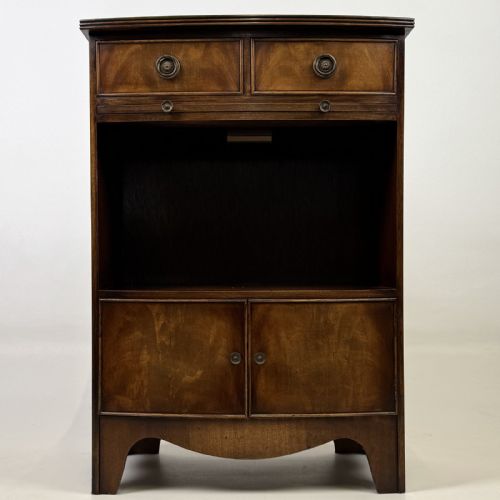
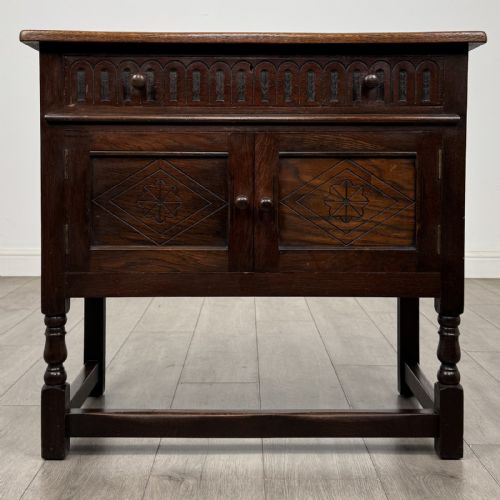
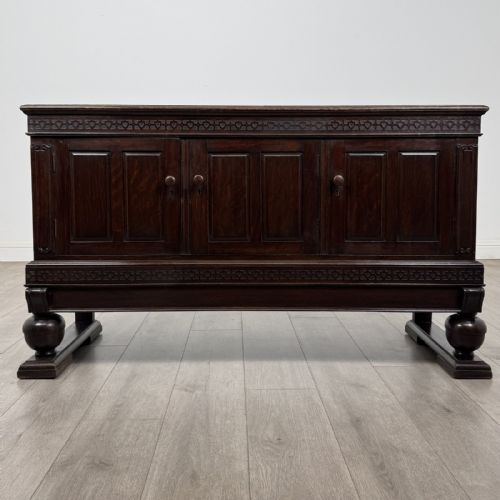
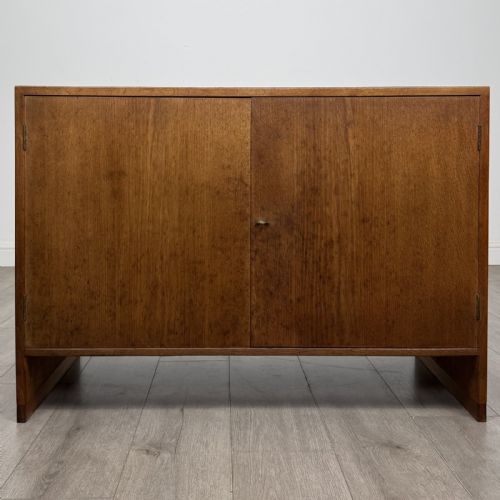
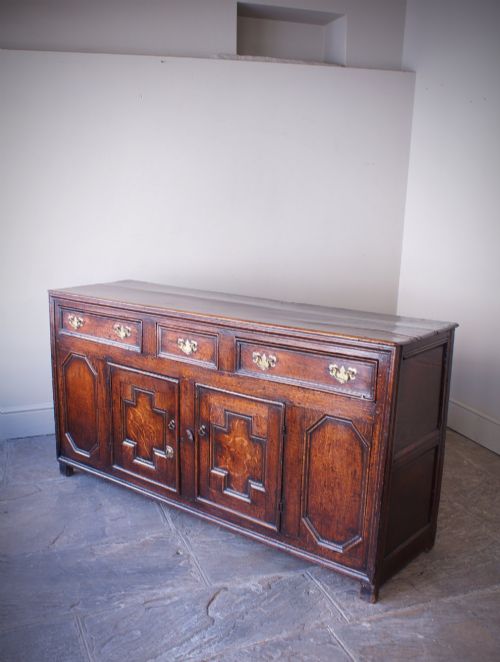
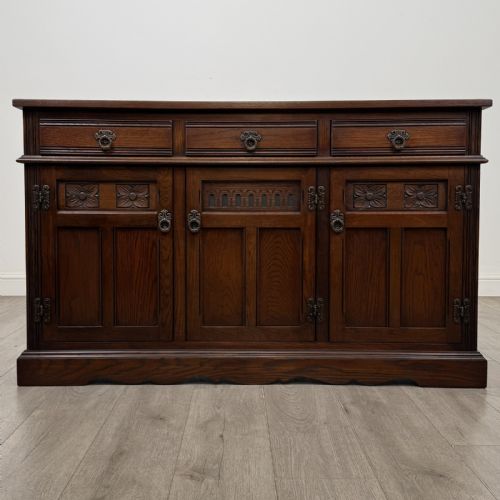
You will encounter pieces ranging from formal Georgian mahogany breakfronts and Regency chiffoniers to robust Victorian and Edwardian oak dressers, alongside country pine and French walnut examples.
These items were originally designed for the dining room, hall, or kitchen to organise household goods while adding a commanding architectural presence to the interior.
Materials and Construction
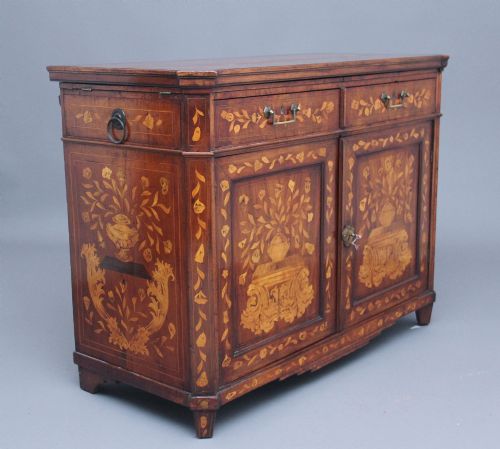
Cabinet makers relied heavily on solid timbers like oak, mahogany, and pine, frequently applying flame mahogany veneer or walnut to create rich surface patterns on doors and drawers.
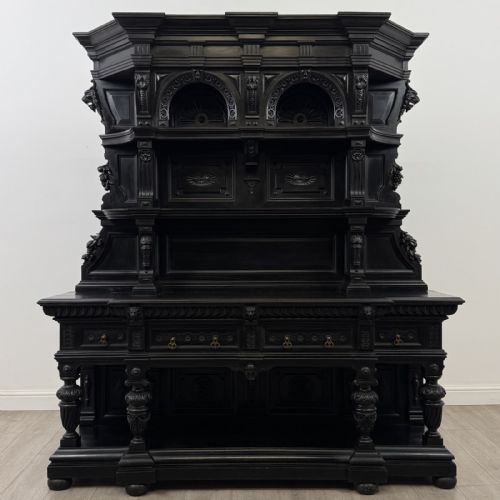
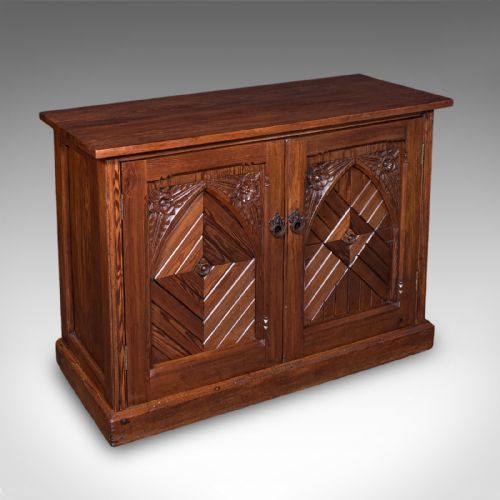
Construction methods involved pegged joints, dovetailed drawer construction, and hand-carved ornamentation, complemented by brass handles, hinges, and occasional glass paneling.
Listings feature oak, mahogany, pine, and walnut across Victorian, Georgian, and Edwardian periods.
Craftsmanship and Proportion
Superior examples display balanced proportions, tight joinery, and carefully selected timber grains, such as matched flame mahogany or quarter-sawn oak, rather than plain planks.
The depth of hand-carving, the crispness of applied mouldings, and the original integrity of the brass hardware and internal shelving separate standard utility pieces from workshop masterpieces.
Shoolbred and Co·James Winter and Sons·Edwards and Roberts
The Antique Sideboard Cupboard Glossary
- Chiffonier
- A compact sideboard or low cabinet, popular during the Regency and Victorian periods, featuring doors enclosing shelves and frequently a raised tier on top.
- Breakfront
- A cabinet design where the central section projects forward from the flanking wings, creating a strong architectural rhythm across the front.
- Dresser Base
- A low rectangular cabinet fitted with drawers above cupboard doors, originally used in country kitchens for food preparation and storage.
- Court Cupboard
- An antique enclosed storage piece, typically in oak and dating from earlier centuries, featuring an upper recessed section supported by pillars.
- Flame Mahogany
- A wood veneer cut from timber forks where the grain creates a dramatic, flickering flame-like pattern across large cabinet doors.
Antique Sideboard Cupboard: Frequently Asked Questions
What is an antique sideboard cupboard?
These pieces are large storage furniture items that combine closed cupboard compartments with a surface for serving food or displaying items.
They evolved across the 18th and 19th centuries to serve dining rooms and kitchens as functional domestic hubs.
How do I date an antique sideboard cupboard?
Dating relies on identifying the primary wood species, construction techniques like dovetailing, and the prevailing decorative style.
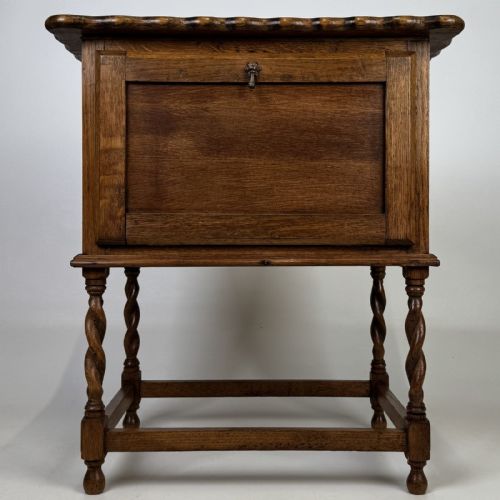
Georgian pieces tend to show cleaner classical lines, while Victorian and Edwardian examples often feature heavier carving or turned barley twist legs.
Where should I place one in my home?
These cabinets work naturally in dining rooms for tableware, or in hallways and living spaces as statement storage units.
Their substantial top surfaces also make them suitable for displaying lamps, books, or decorative objects.
How do I tell oak from mahogany pieces?
Oak exhibits a visible, open grain with characteristic medullary rays, often appearing in country dressers and Revival styles.
Mahogany displays a smoother, reddish-brown grain that takes a high polish, frequently seen in formal Regency and Victorian formats.