


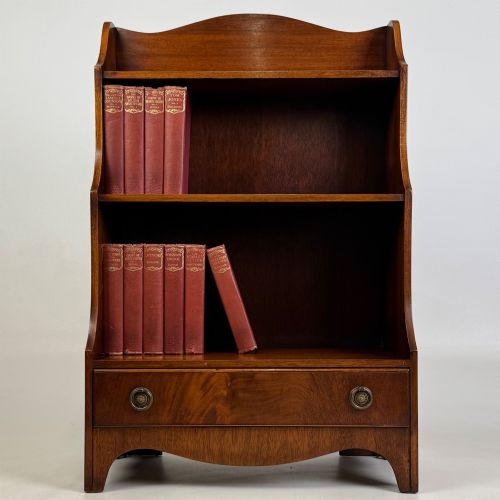


Antique Shelf with Drawer
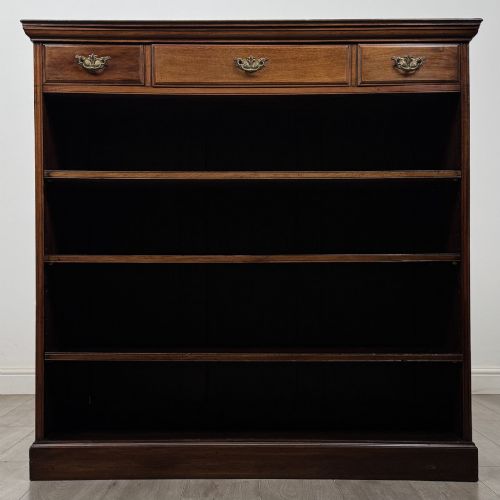
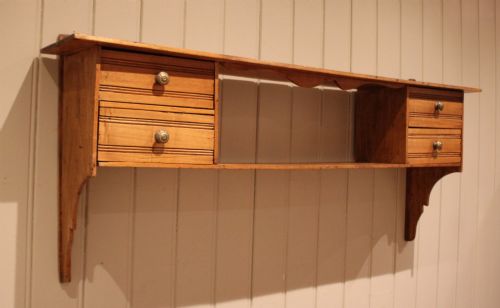
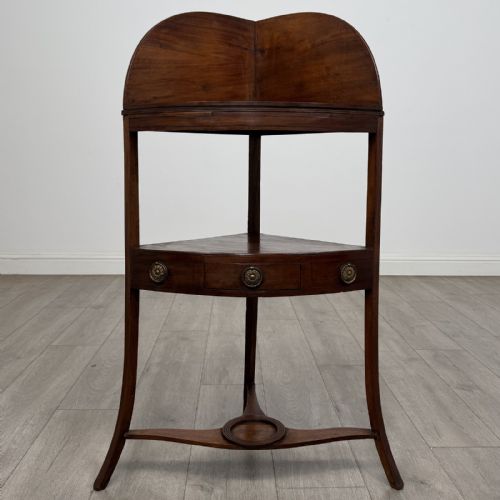
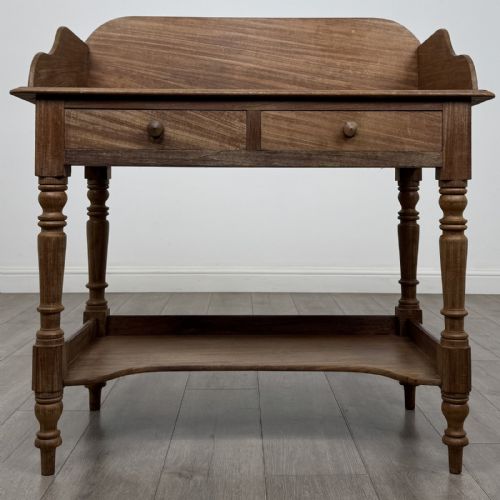
An antique shelf with drawer brings practical surface space and open display together, housing books and curiosities in mahogany, walnut, oak, and rosewood.
Antique Shelf with Drawer
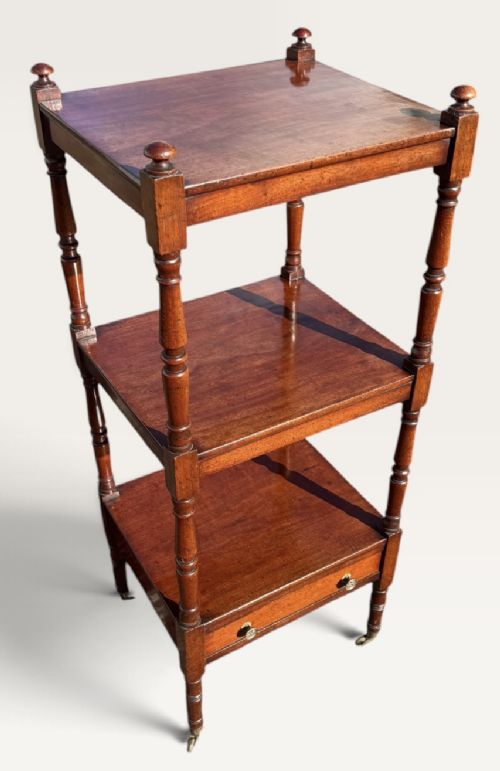
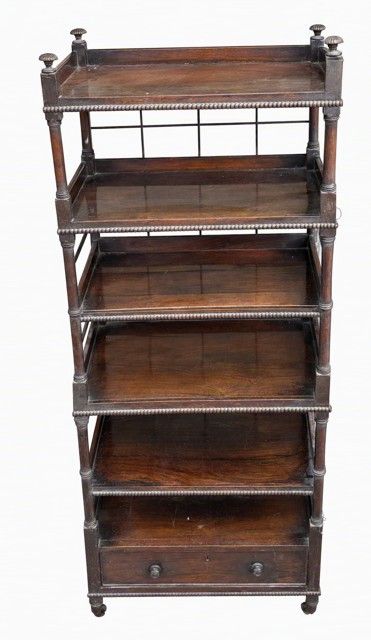
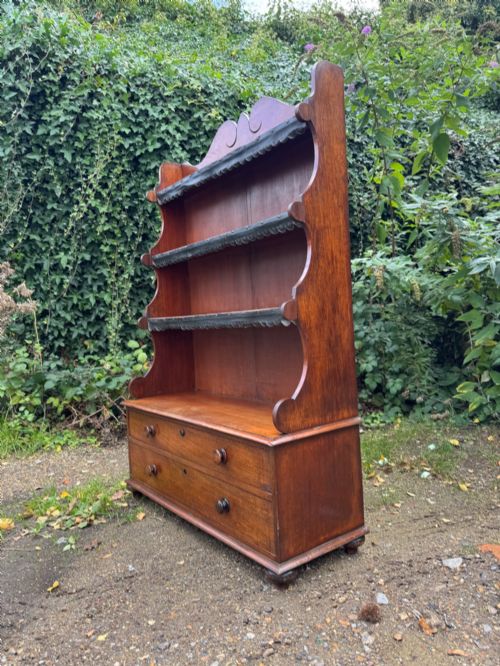
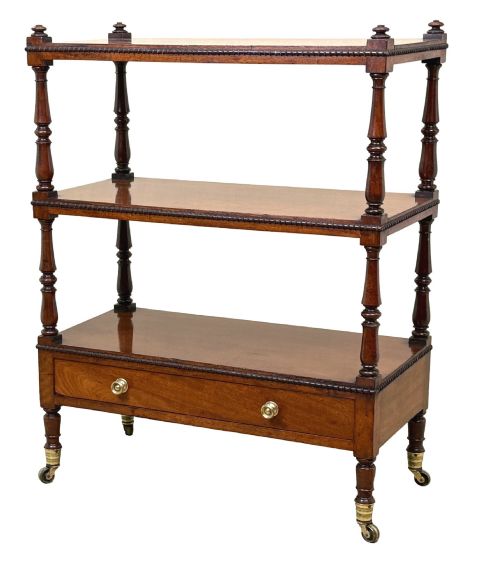
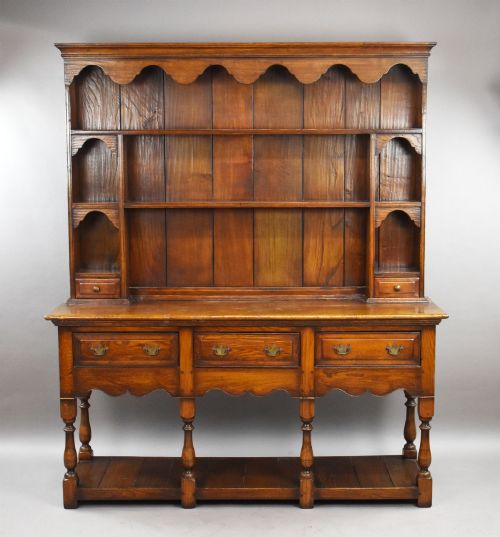
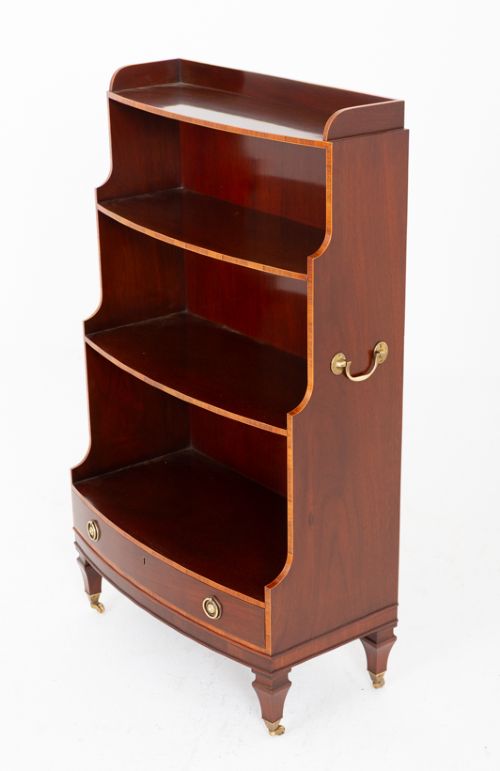
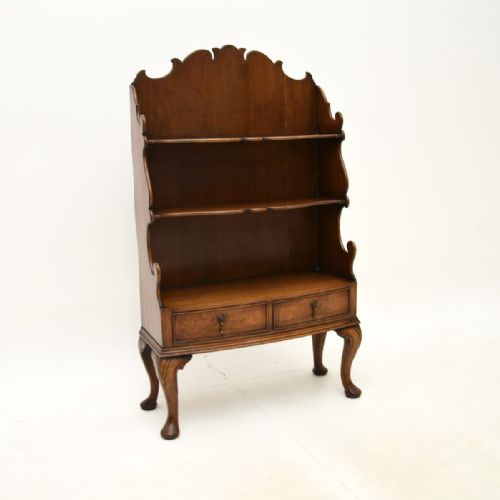
An antique shelf with drawer combines open display tiers or hanging shelves with integrated storage compartments, appearing across the Georgian, Victorian, and Edwardian periods. These versatile pieces function as bookcases, side tables, etageres, and whatnots equipped with single or multiple drawers.
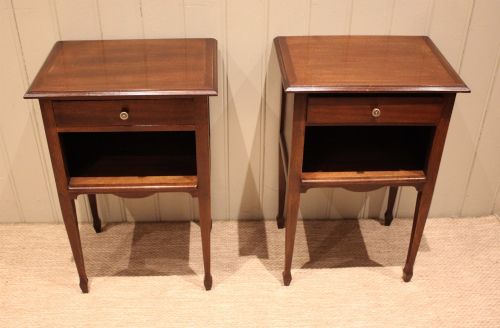
The versions most commonly met on this page include mahogany and oak pieces from the nineteenth and early twentieth centuries. They range from multi-tiered whatnots with drawers to low side tables and bookcases featuring fitted shelving alongside enclosed compartments.
How they were made
Cabinetmakers constructed these pieces primarily in solid and veneered timbers such as mahogany, oak, rosewood, walnut, and satinwood, occasionally incorporating brass inlay and glass. Structural framing relied on traditional joinery methods suited to supporting stacked shelving tiers and hanging weights.
Surfaces were finished with natural wax or polish to highlight the grain patterns of the figured wood. Individual elements like barley twist supports, carved details, and mirrored backs were integrated into specific styles including Victorian, Edwardian, and George III revivals.
Antique Shelf with Drawer Retail Price Guide 2026
Typical asking prices for shelf with drawer among the pieces listed under this phrase on Sellingantiques today, from the lower quarter to the upper quarter. They describe what is for sale here now, not the wider market.
Several pieces combine open display tiers with secretive cellarettes, proving that Victorians needed quick access to their bottled comforts.
What varies in quality
Quality depends on the selection of timber, such as heavily figured walnut or matched mahogany veneers, and the crispness of any applied carving or brass inlay. Superior examples display refined proportions and careful attention to the joinery connecting the shelves to the upright supports and drawer housings.
The integration of the drawer compartment within the shelving structure dictates the overall standard of manufacture. Well-made pieces maintain smooth drawer operation alongside stable, rigid tier construction without relying on excessive secondary reinforcement.
Gillows·Samson and Son London
The Antique Shelf with Drawer Glossary
- Whatnot
- An open piece of furniture with multiple tiers used for displaying ornaments and books, frequently fitted with a lower drawer.
- Etagere
- A set of open shelves for displaying small objects, sharing close design roots with the multi-tiered whatnot.
- Waterfall bookcase
- A shelving unit where each successive shelf is shallower than the one below, following a stepped vertical profile.
- Chiffonier
- A compact sideboard cabinet, sometimes featuring upper shelving or a mirrored back alongside enclosed storage.
- Cellarette
- A lockable compartment or drawer originally designed for holding bottles, occasionally incorporated into lower sections of nineteenth-century whatnots.
Antique Shelf with Drawer: Frequently Asked Questions
What rooms suit an antique shelf with drawer?
These pieces fit naturally into studies, living rooms, and hallways where both display space and concealed storage are useful. Their compact footprints allow them to function as bedside units, side tables, or bookcase alternatives.
The open tiers accommodate books and decorative items, while the integrated drawer keeps smaller everyday objects out of sight. Their varied timber tones harmonize easily with both traditional and contemporary interiors.
How do I date a tiered whatnot?
Dating relies on observing the combination of timber choices, turning styles on the supports, and overall construction methods. Early nineteenth-century examples often utilise rosewood or finely grained mahogany, while later Victorian versions may feature barley twist columns or applied mirror backs.
Changes in cabinetmaking fashions help narrow down the period. Georgian and Regency pieces tend towards restrained classical lines, whereas Edwardian and later revivals incorporate diverse regional and historical styles.
Can these shelves hold heavy books?
Most multi-tiered whatnots and display shelves are designed for lighter ornaments, ceramics, and modest volumes rather than heavy reference libraries. Sturdier open bookcases and adjustable library units in oak or mahogany provide the structural support needed for heavier loads.
Checking the thickness of the timber and the rigidity of the upright supports indicates how much weight a specific shelf can safely manage. Wall-securing brackets are worth considering for taller units holding substantial quantities of books.
How do I maintain the wood finish?
Routine care involves dusting with a dry, soft cloth and occasionally applying a traditional beeswax to nourish the timber. Avoiding direct sunlight and sudden temperature shifts prevents the wood from drying out or splitting.
Harsh chemical sprays should be avoided as they can degrade the polished surface over time. Regular, gentle waxing preserves the natural lustre of mahogany, walnut, and oak.