

Antique Settees and Sofas
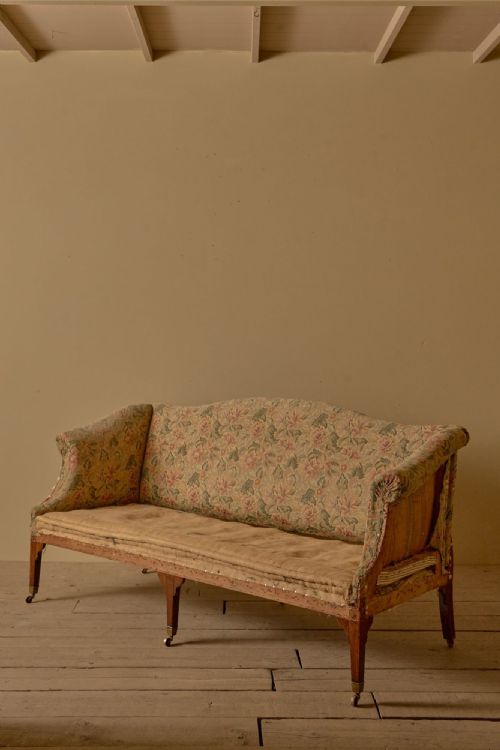
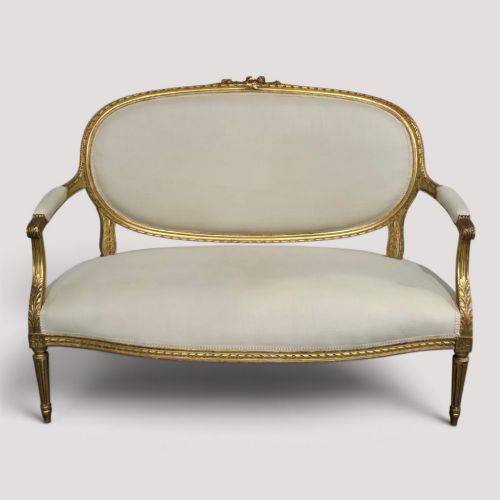
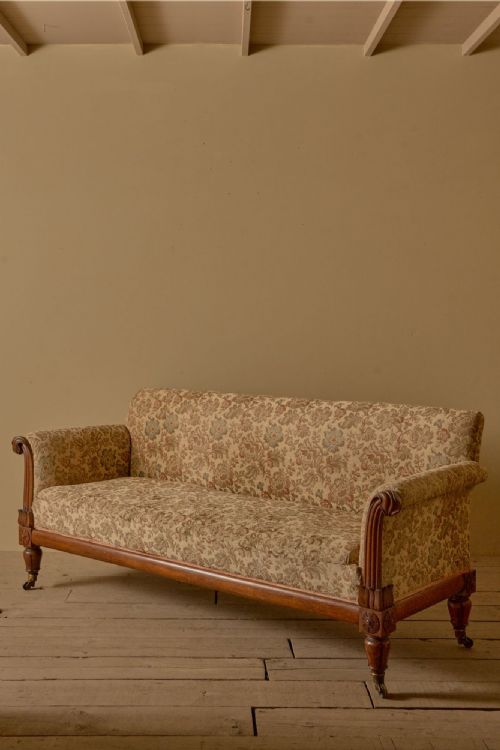
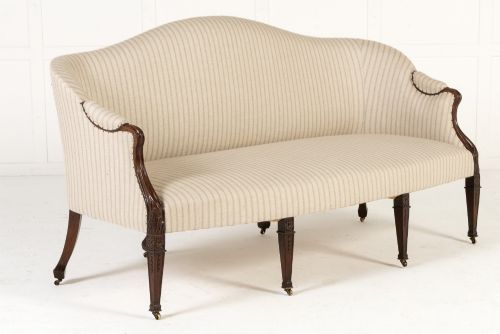
Antique settees and sofas offer substantial seating built across the nineteenth and early twentieth centuries in varied revival styles.
Antique Settees and Sofas
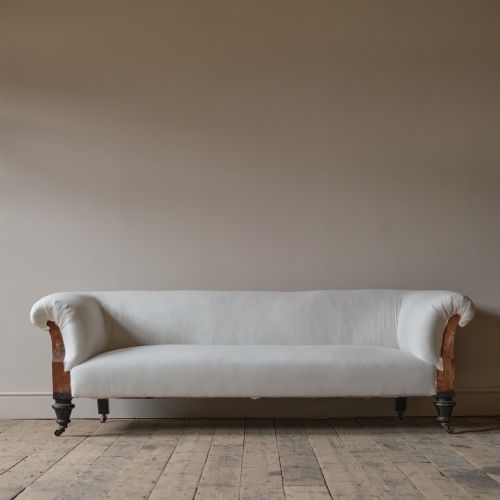
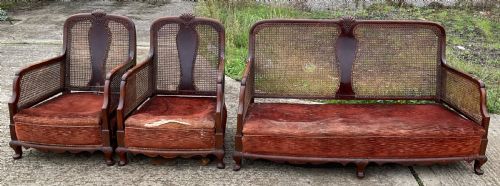
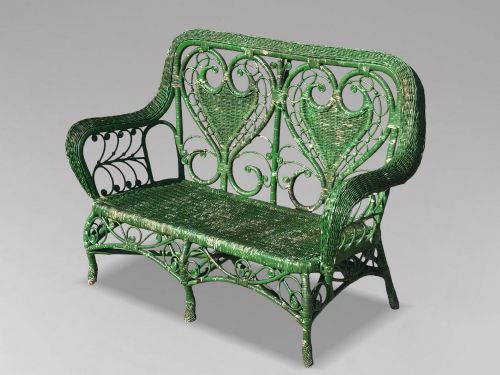
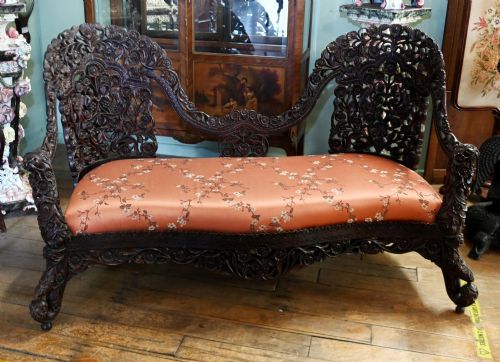
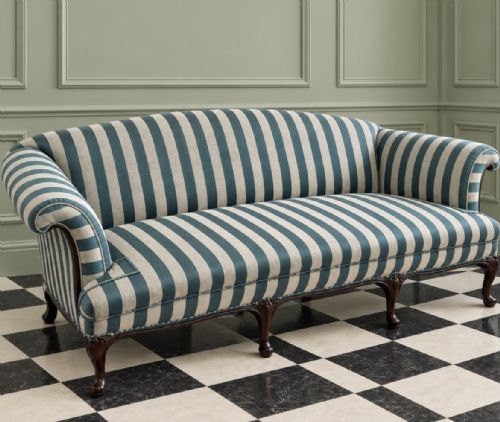
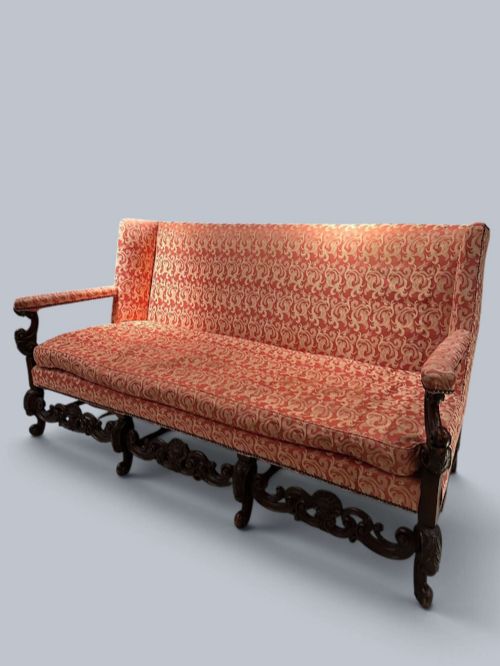
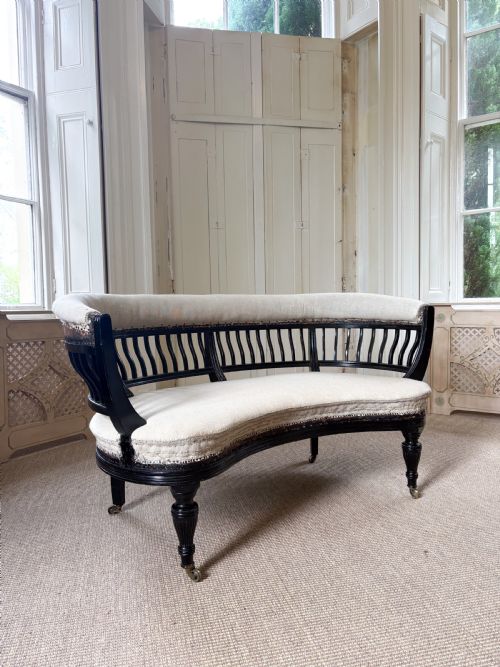
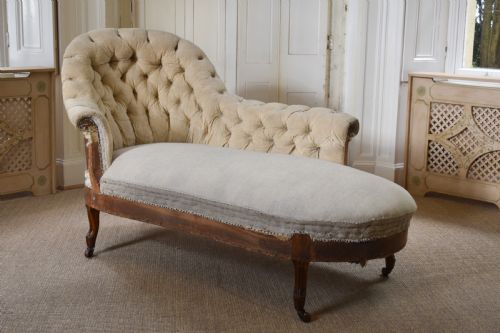
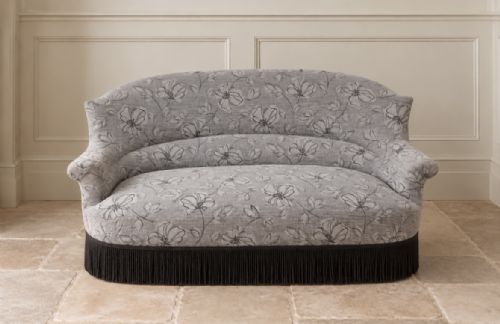
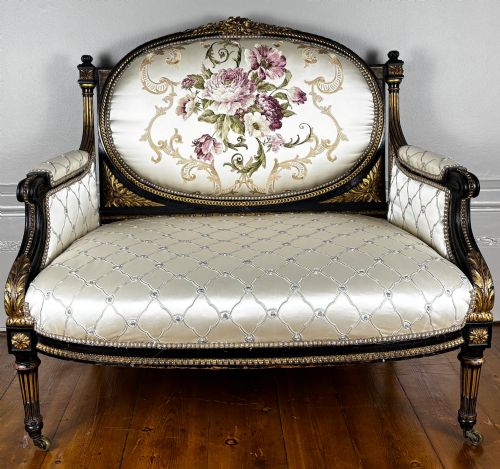
When buyers search for antique settees and sofas, they encounter seating spanning the Victorian, Edwardian and Art Deco periods, alongside French and English revival designs. The forms range from double-ended settees and camel backs to Chesterfield sofas, drop-end designs and salon suites.
Victorian walnut and mahogany pieces dominate the listings, frequently featuring carved wooden frames, exposed timber and button backs. Alongside these, Edwardian and French examples appear in smaller formats or with cane work and gilt finishes.
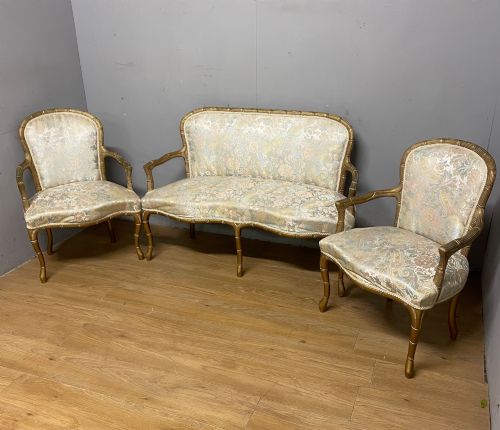
Seating suites and multi-piece salon groups also occur, providing matching chairs alongside the main settee. These pieces reflect the formal reception rooms and country houses for which they were originally built.
Materials and construction methods
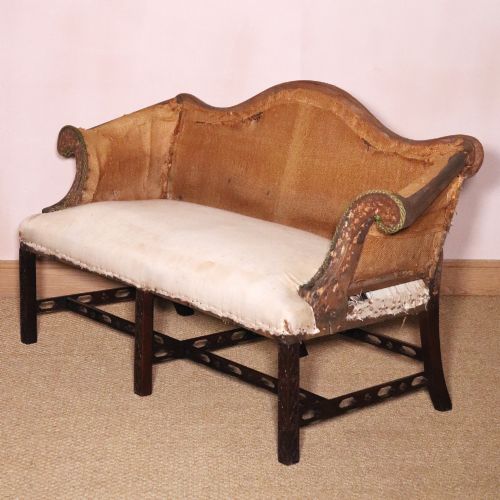
Makers built these frames primarily from hardwoods such as mahogany, walnut, oak and rosewood, occasionally utilising satinwood, padauk wood or ebonised timber. Structural support often involved sprung settee bases and webbed upholstery foundations.
Upholstery utilised traditional materials including calico, leather, velvet, brocade and modern fabric coverings over deep padding. Brass castors, carved detailing and inlaid woodwork completed the frames of finer pieces.
Antique Settees and Sofas Retail Price Guide 2026
Typical asking prices for settees and sofas among the pieces listed under this phrase on Sellingantiques today, from the lower quarter to the upper quarter. They describe what is for sale here now, not the wider market.
Listings feature mahogany, walnut, oak, and rosewood alongside leather, velvet, calico, and brass.
Assessing craftsmanship and condition
Quality separates pieces by the depth of hand-carved detail in the wooden frames and the integrity of the underlying sprung construction. Maker attribution, such as work originating from established workshops, elevates certain pieces above standard production items.
The choice of primary timber, the preservation of original inlay, and the execution of cane work or button-backed upholstery distinguish high-end examples. Re-upholstered pieces vary depending on whether traditional stuffing and fabric choices respect the original period aesthetic.
Howard and Sons·Miles and Edwards·Hampton and Sons·Thonet
The Antique Settees and Sofas Glossary
- Chesterfield
- A deep-buttoned sofa traditionally upholstered in leather or heavy fabric, featuring arms and back of the same height.
- Double-Ended Settee
- A sofa with scrolled or raised ends of equal height, allowing a person to recline against either side.
- Camel Back
- A sofa with a serpentine or arched wooden or upholstered back that curves upward toward the centre.
- Drop-End
- A sofa featuring a hinged arm mechanism that lowers to form a daybed or chaise lounge.
- Bergère
- A closed-arm French armchair or sofa featuring exposed wooden framing and woven cane panels.
Antique Settees and Sofas: Frequently Asked Questions
How do I identify a Victorian Chesterfield?
Victorian Chesterfields typically feature deep button-backed upholstery, rolled arms set at the same height as the back, and turned wooden legs often fitted with brass castors. They utilise heavy leather or dense fabric coverings built on traditional sprung frames.
Examining the underside reveals webbing and hand-tied springs characteristic of nineteenth-century workshop construction methods.
What is the difference between a settee and a sofa?
Historically, a settee referred to an upholstered wooden seat for two or more people, often retaining visible wooden framing around the back and arms. A sofa generally implied a fully upholstered piece designed for lounging.
Over time, makers and buyers used both terms interchangeably, though listings often apply settee to narrower or lighter nineteenth-century timber-framed designs.
How do I clean and maintain antique upholstery?
Maintenance depends on the surface material, requiring careful vacuuming for woven fabrics and specialised leather balms for antique leather Chesterfields. Direct sunlight should be avoided to prevent fading on delicate velvets and brocades.
Professional conservation is recommended for button tufting and internal padding to preserve the structural integrity of the frame.
Where were these pieces used in period homes?
These seating pieces furnished formal drawing rooms, libraries, and country house reception spaces where guests gathered. Smaller salon suites and window seats were placed in bedrooms, hallways, or private parlours.
Drop-end sofas provided versatile resting spaces in sitting rooms during the afternoon hours.