


Brass Castor Settee
A brass castor settee offers classic seating supported by metal castors, bringing traditional comfort and mobility to a room.
Brass Castor Settee
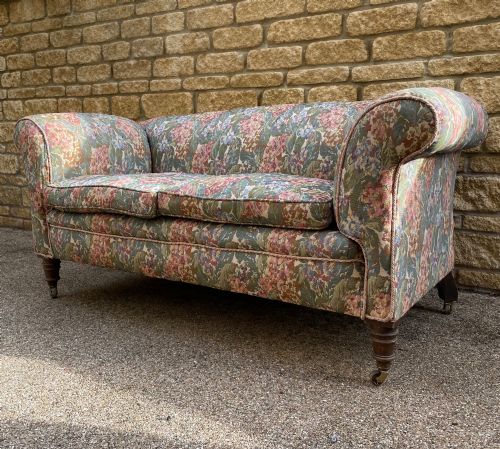
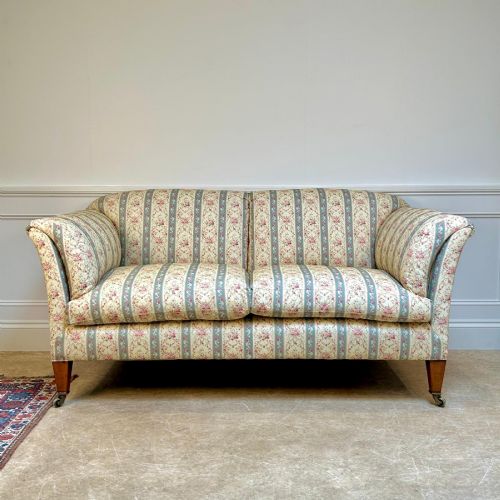
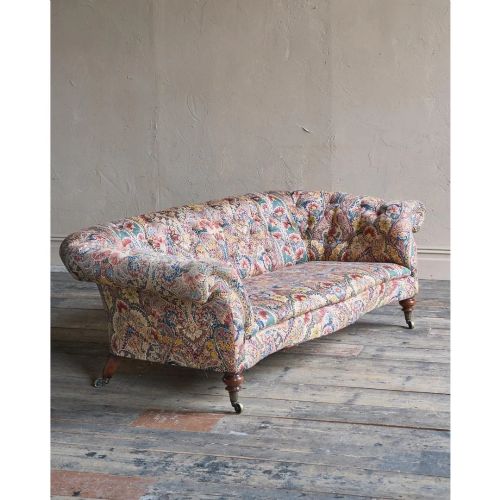
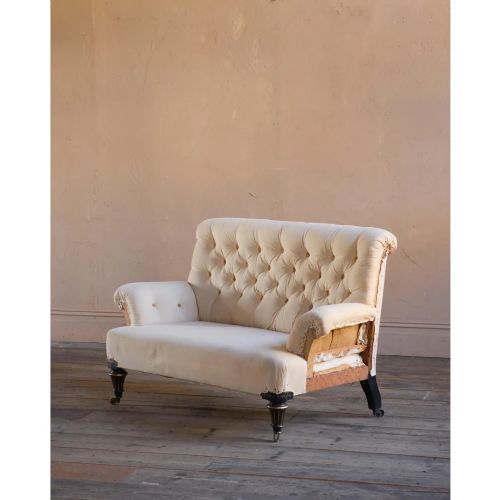
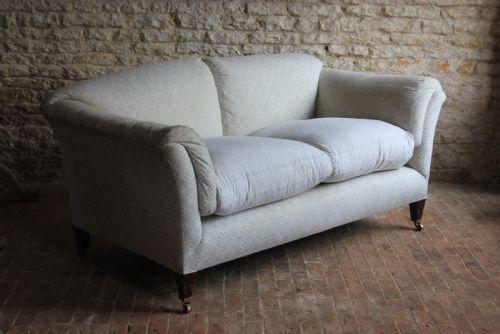
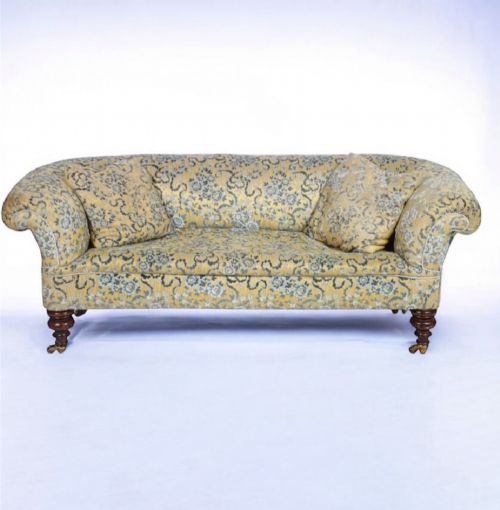
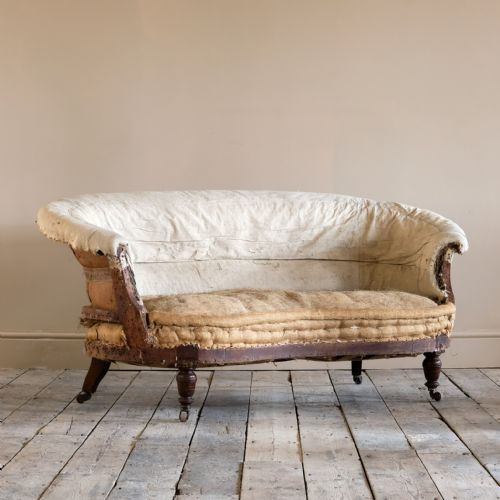
A brass castor settee brings together traditional upholstery and timber frames raised on small metal wheels, providing both portability and style. When searching for a brass castor settee, buyers encounter various forms including two-seater sofas, camel backs, and deep-buttoned Chesterfields.
The pieces listed on this page span several distinct eras, with Victorian and Edwardian examples appearing frequently alongside earlier George III, Regency, and William IV designs. These seating options originate mainly from the nineteenth century and the early twentieth century, reflecting classic English country house tastes.
Materials and construction
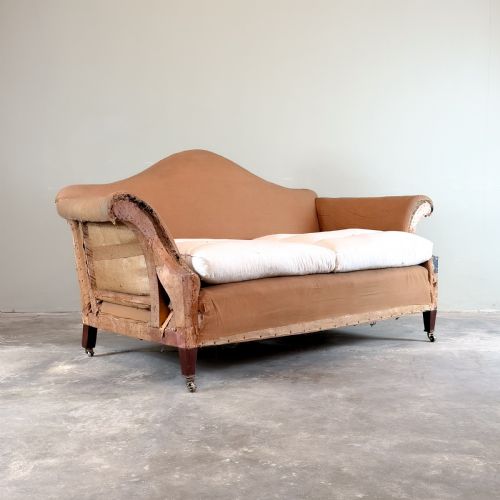
Maker workshops built the structural frames using hardwoods such as mahogany and walnut, ensuring a sturdy foundation for daily use. Upholstery layers typically relied on traditional materials like calico, jute, and various fabrics to build comfortable sprung seats and backs.
Cast brass components were fitted to the base of the legs to allow smooth movement across carpets and wooden floors. These metal fittings range from simple cups to more detailed castors that complement the timber frame.
Listings feature hardwood frames combined with brass, calico, and various upholstery fabrics across Victorian and Edwardian periods.
Assessing quality in a settee
The distinction between standard workshop production and superior output rests on the tightness of the frame joinery and the resilience of the internal stuffing. Finer examples maintain firm springs and balanced proportions without sagging or looseness in the legs.
Maker attribution elevates certain pieces, particularly when stamped signatures or authentic branding appear on the frame or castors. The subtlety of the wood turning and the weight of the brass fittings also signal the standard of the original manufacture.
Howard and Sons·Jackson and Graham·Hampton and Sons
The Brass Castor Settee Glossary
- Castor
- A small wheel fitted to the foot of a piece of furniture to allow easy rolling. These are commonly cast from brass on nineteenth-century seating.
- Chesterfield
- A deep-buttoned upholstered sofa featuring rolled arms of the same height as the back. This form appears frequently in Victorian examples.
- Camel back
- A sofa style defined by a graceful, undulating curved top rail resembling a camel's hump. This profile is seen on Edwardian and earlier frames.
- Chaise longue
- An upholstered couch with one raised end for reclining. William IV versions often showcase exposed mahogany woodwork.
Brass Castor Settee: Frequently Asked Questions
How do I date a settee?
Dating relies on examining the timber frame, upholstery techniques, and the style of the legs and castors. Victorian pieces often show heavier proportions and buttoned backs, while earlier George III models display lighter neoclassical lines.
Looking beneath the upholstery or checking for maker stamps can also help narrow down the decade of manufacture. Comparing the turning of the wood against known period examples clarifies the age.
Are these settees comfortable?
Traditional construction methods using coil springs and horsehair stuffing provide a supportive yet yielding seat. Many period pieces offer deep cushioning designed for formal drawing rooms or country house libraries.
Restored examples maintain this traditional comfort while ensuring internal webbing remains secure. Sitting on various forms helps determine personal preference for depth and back height.
How do I care for brass castors?
Brass castors require occasional dusting and gentle cleaning to maintain their metal finish without harming adjacent wood or fabric. Avoiding harsh chemical polishes prevents damage to the surrounding timber legs.
Checking the pin or screw securing each wheel ensures the castor rolls smoothly across floors. Regular maintenance keeps the mobility mechanism working properly.
Where do these pieces fit best?
A traditional settee suits living rooms, studies, or large hallways where its classic silhouette can serve as a focal point. Their mobility allows them to be repositioned easily for conversation or reading.
Matching the wood tone and fabric to existing room decor ensures the seating integrates smoothly. Country house styles pair well with patterned upholstery and natural timber floors.