
Antique Seed Pearl Jewellery
Antique seed pearl jewellery brings together delicate worked gold and tiny natural pearls, offering a refined grace that collectors prize.
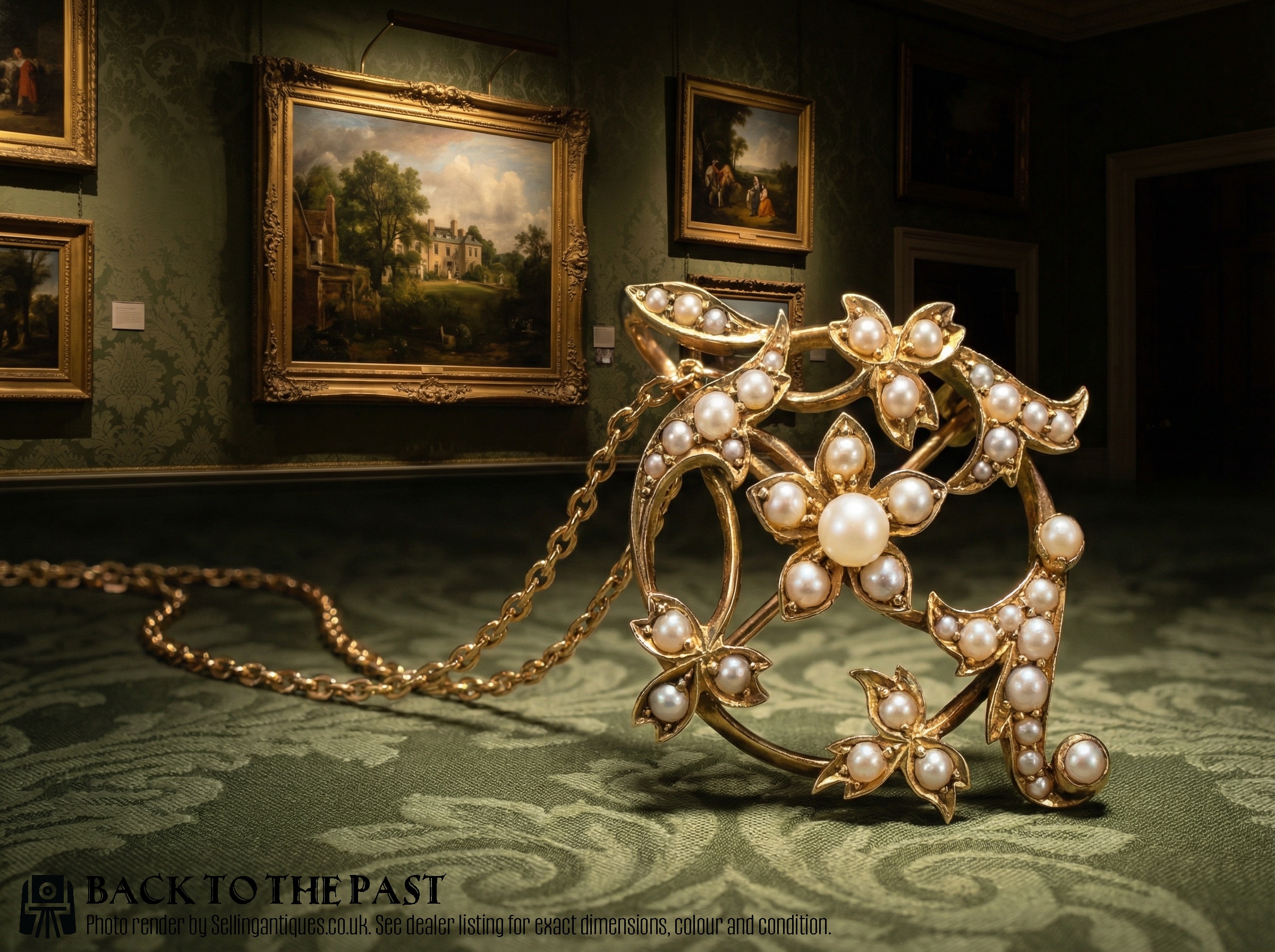
Antique Seed Pearl Jewellery
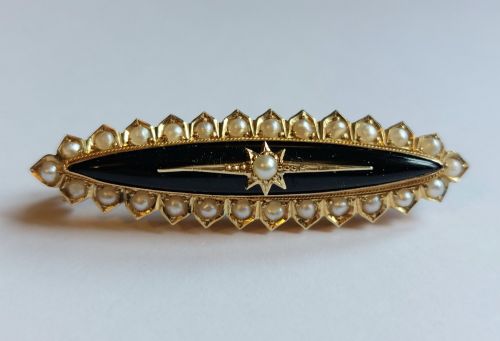
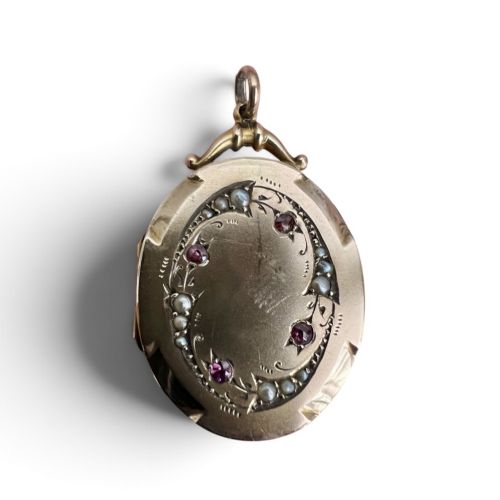
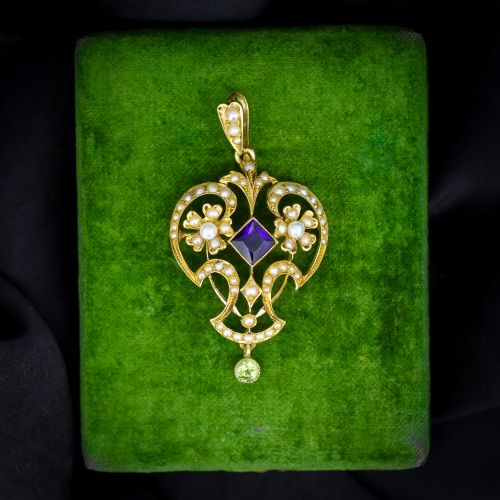
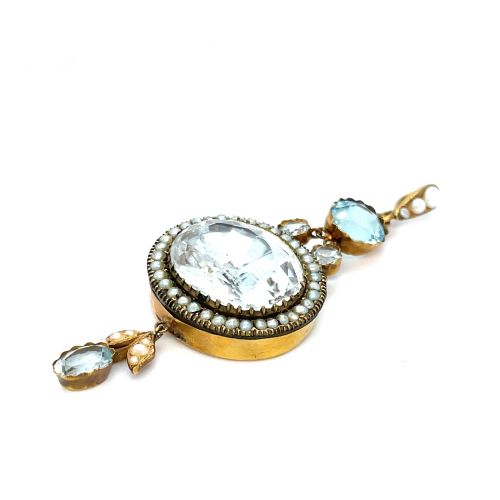
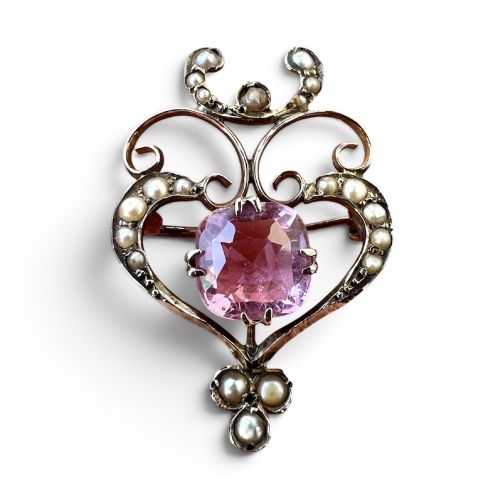
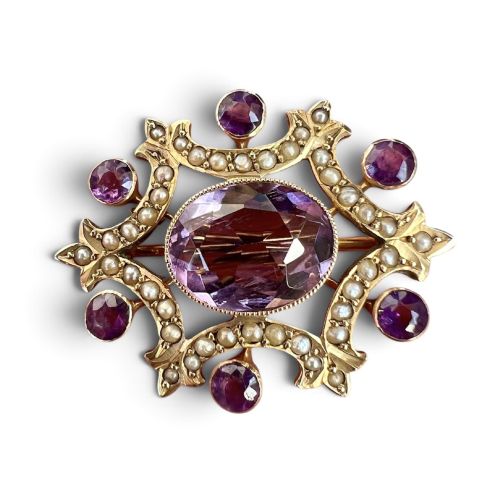
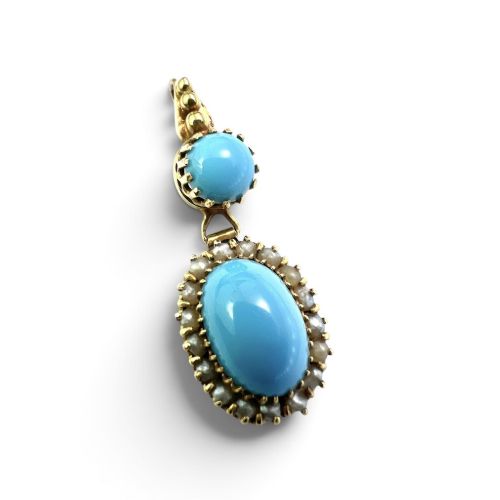
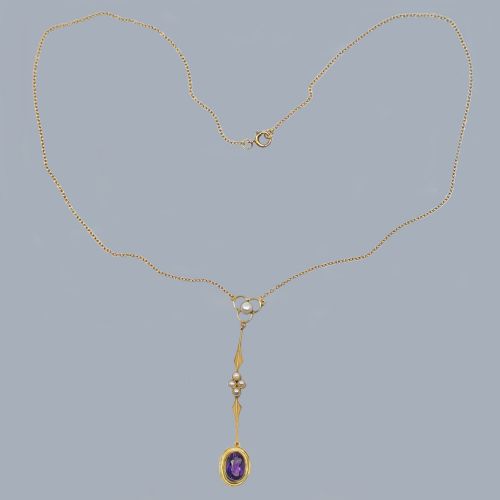
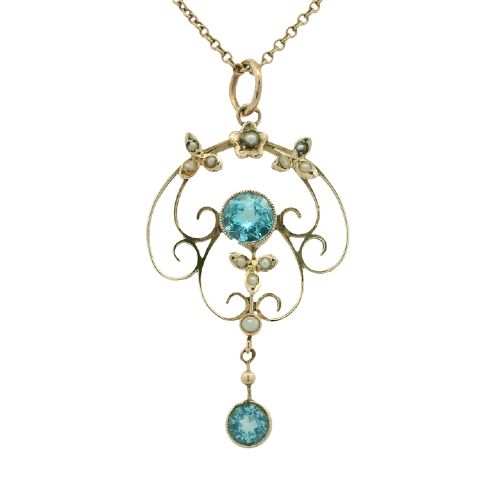
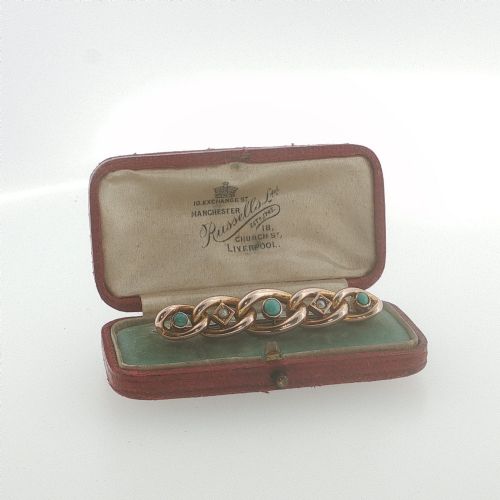
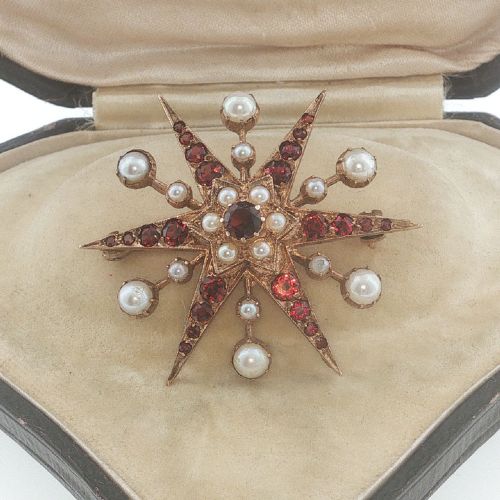
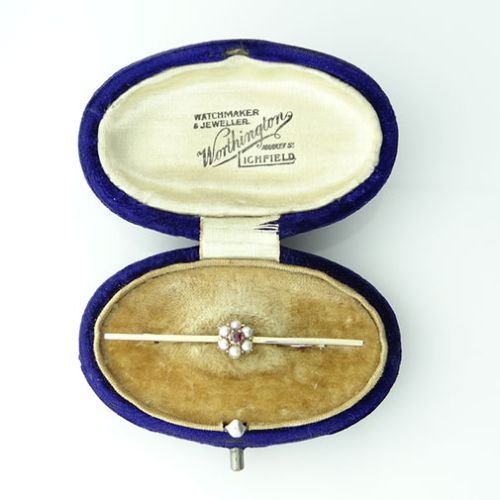
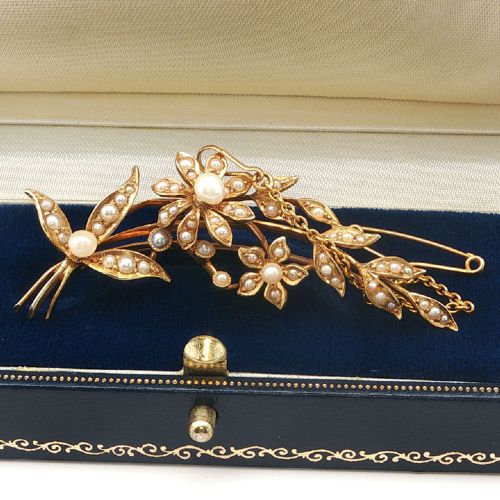
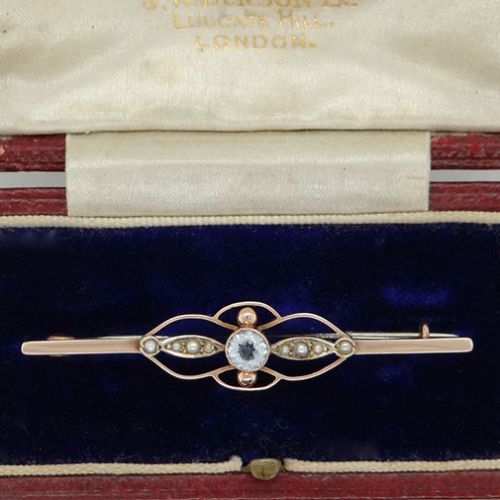
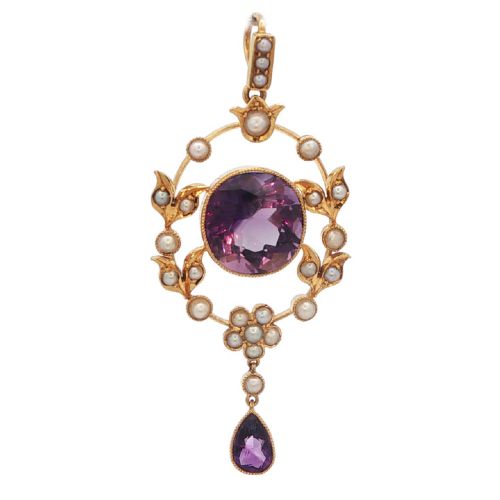
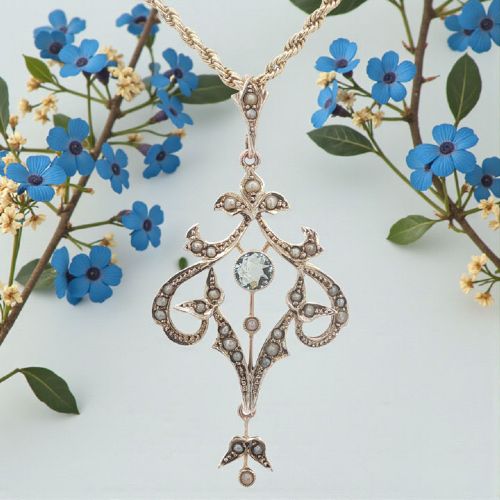
Antique seed pearl jewellery encompasses delicate pendants, brooches, necklaces and bracelets originating from the Victorian era, the late Victorian period and around 1900. These pieces rely on minute, naturally formed pearls gathered together to create intricate floral, celestial and geometric motifs.
The versions most commonly met on this page combine these tiny pearls with warm-toned precious metals such as nine-carat, fifteen-carat and eighteen-carat yellow gold. Additional gemstones like diamonds and chrysoberyl occasionally appear alongside the pearls, adding contrast and sparkle to the traditional designs.
How antique seed pearl jewellery was made
Goldsmiths constructed the foundational settings using cast and fabricated yellow gold in nine-carat, fifteen-carat and eighteen-carat purities. These metal frameworks were shaped into detailed forms, including starbursts and pendants, designed to hold dozens of minuscule pearls securely.
Makers applied fine wirework and delicate collet settings to attach the pearls individually, often mounting them over foiled or closed backs. Accompanying stones like diamonds and chrysoberyl were flush or bezel set into the gold structure to complement the pearled patterns.
Current listings feature items spanning the Victorian era, late Victorian period, and circa 1900, utilising nine-carat, fifteen-carat, and eighteen-carat yellow gold.
What varies in quality
The standard of antique seed pearl jewellery rests upon the uniformity and lustre of the pearls themselves, alongside the complexity of the gold setting. Pieces featuring evenly matched, highly lustrous pearls set closely together without visible adhesive represent a higher tier of craftsmanship.
Heavier gold purities, such as fifteen-carat and eighteen-carat frames, and the inclusion of fine supplementary stones like diamonds or chrysoberyl elevate a piece above simpler nine-carat iterations.
The Antique Seed Pearl Jewellery Glossary
- Seed Pearl
- Very small, naturally occurring pearls historically gathered in large quantities for fine needlework and jewellery. Their petite scale allows for intricate, lace-like arrangements.
- 15ct Gold
- An alloy containing fifteen parts pure gold to nine parts other metals, commonly utilised in British jewellery during the Victorian and Edwardian eras. This specific purity offers a rich, deep yellow hue.
- Celestial Star
- A decorative motif depicting stars, comets or night sky phenomena, frequently rendered in gold with seed pearls and diamonds during the nineteenth century. These designs reflect a Victorian fascination with astronomy.
- Chrysoberyl
- A golden-green gemstone occasionally set alongside pearls in nineteenth-century bracelets and pendants. It provides a distinct, warm colour contrast to the white pearls and yellow gold.
Antique Seed Pearl Jewellery: Frequently Asked Questions
How do I care for antique seed pearl jewellery?
Seed pearls are organic and sensitive to moisture, cosmetics, and perfumes. Wipe them gently with a soft, dry cloth after wearing and keep them away from ultrasonic cleaners.
Store each piece separately in a lined box to prevent the delicate gold settings and tiny pearls from rubbing against other items in your collection.
Can I wear seed pearl jewellery every day?
Because these pieces are delicate and often over a century old, daily wear is generally discouraged. The fine gold wire and historic settings require gentle handling to survive regular use.
Reserve these items for special occasions to protect the minute pearls and intricate mounts from accidental knocks or excessive wear.
What is the difference between Victorian and Edwardian pieces?
Victorian pieces often feature heavier gold work and romantic or celestial motifs, reflecting the styles popular during the reign of Queen Victoria. These commonly incorporate nine-carat or fifteen-carat yellow gold.
Edwardian items, emerging around 1900, tend towards lighter, airier platinum and high-carat gold frameworks with an emphasis on delicate lace-like patterns and diamond accents.
Are these pearls natural or cultured?
The pearls found in these antique pieces are natural saltwater or freshwater specimens harvested long before cultured pearl farming became widespread in the twentieth century. Each one formed organically within the mollusc, accounting for their subtle variations in shape and lustre.
This natural origin gives antique seed pearl items their distinctive, soft shimmer that differs markedly from modern uniform cultured pearls.