

Antique Scumbled Pine
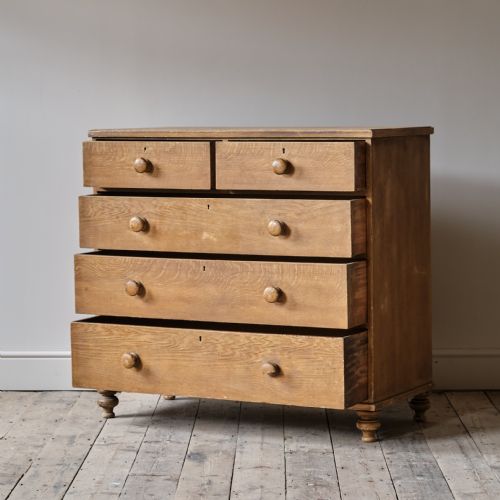
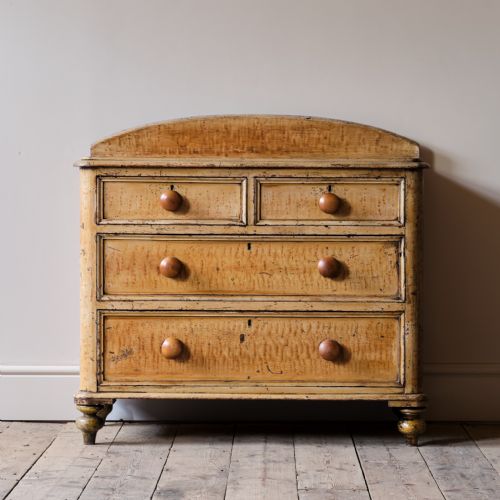
Antique scumbled pine brings rich faux-grain character to furniture, offering durable timber surfaces finished with decorative translucent glazes.

Antique Scumbled Pine
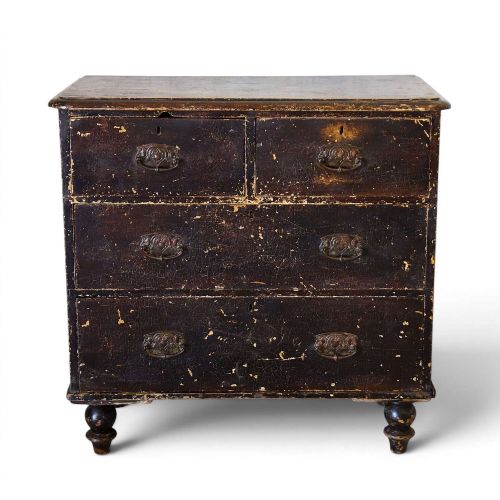
When you search for antique scumbled pine, you encounter utility and storage forms that served country houses, farmhouses and smaller domestic interiors. Chests of drawers dominate the selection, alongside side tables, kitchen dressers, cupboards, wardrobes and blanket boxes dating from the Georgian period through to the early twentieth century.
The majority of pieces you meet on this page belong to the Victorian era, spanning specific regional variants such as Scottish and West Country examples. These items combine practical storage functions with decorative surface treatments intended to mimic expensive hardwoods.
Simpler domestic forms include washstands, mules chests, trunks and settles, reflecting how rural workshops utilised local softwood for everyday household items. Stylistic influences range from rustic country traditions to occasional Art Nouveau or folk art expressions.
How they were made
Carpenters constructed the carcases and drawers using native pine timber, selecting sound boards for fronts and secondary woods for internal drawer linings. Joinery techniques varied from robust dovetailed drawer construction to pegged framing on larger cupboards and dressers.
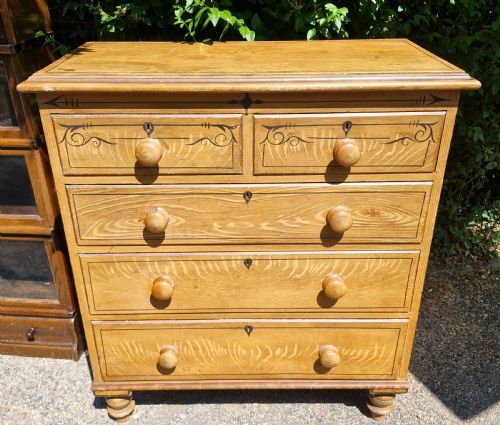
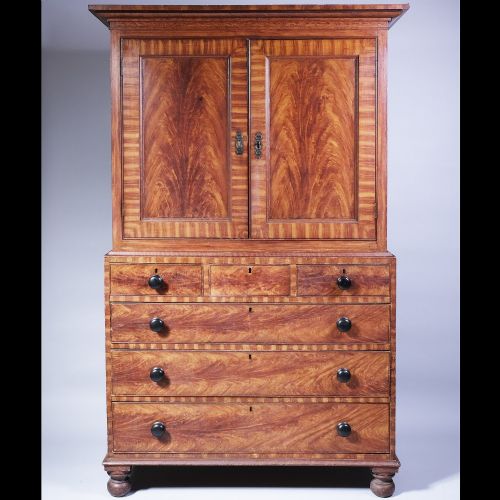
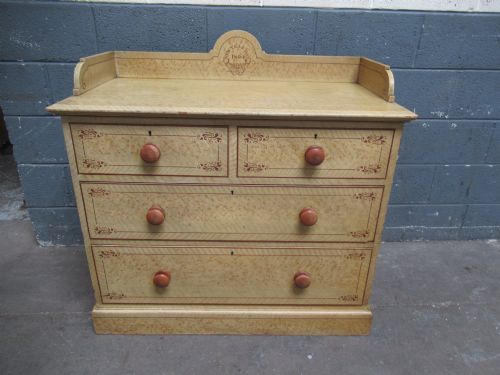
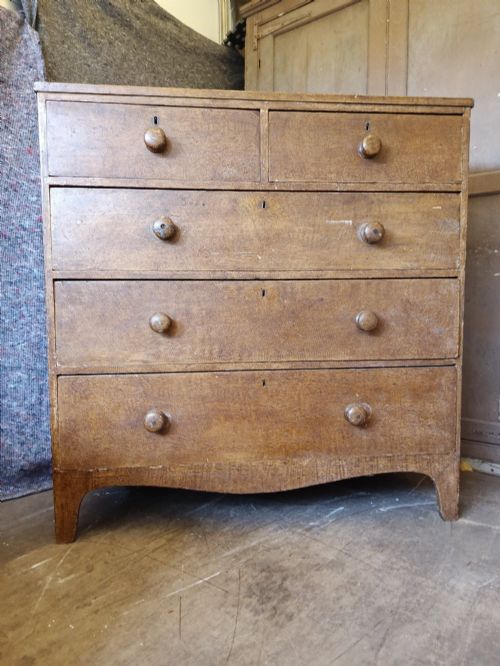
The defining characteristic involves applying a pigmented scumble glaze over a lighter base coat of oil paint. Artisans manipulated this translucent medium using combs, feathers, sponges or brushes to simulate the intricate grain patterns of oak, maple, walnut or marble.
Iron, brass and ceramic hardware completed the pieces, ranging from simple brass drop handles to utilitarian cast iron pulls. Protective clear varnishes were frequently applied over the dried scumble layer to shield the delicate graining effects from daily wear.
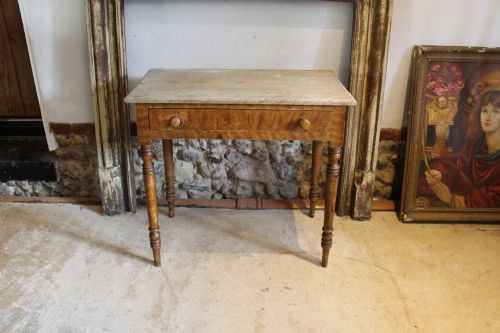
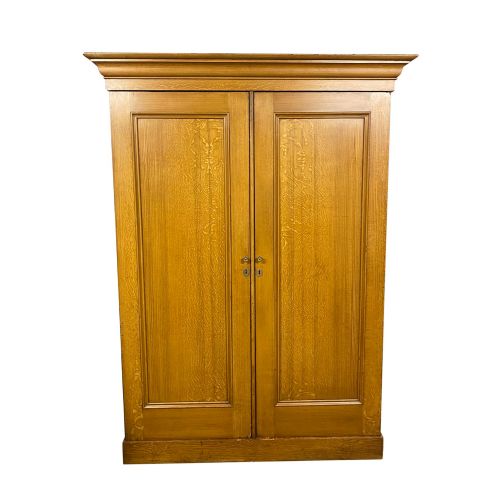
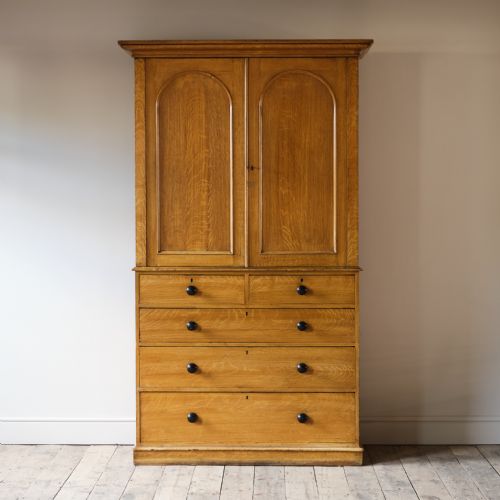
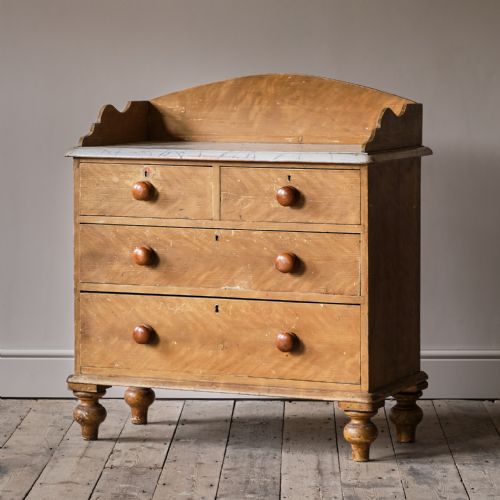
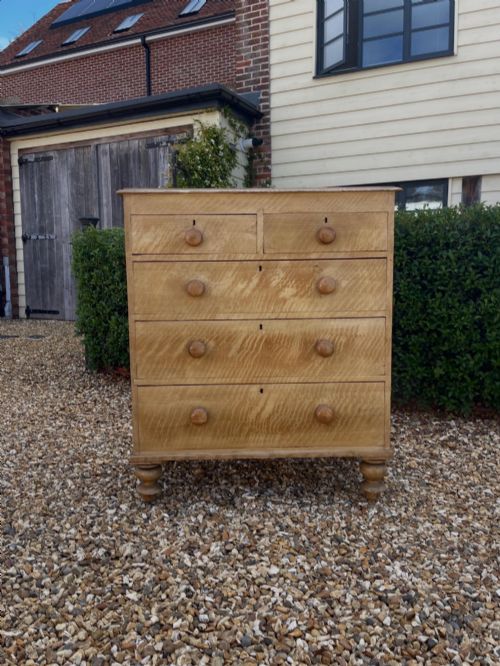
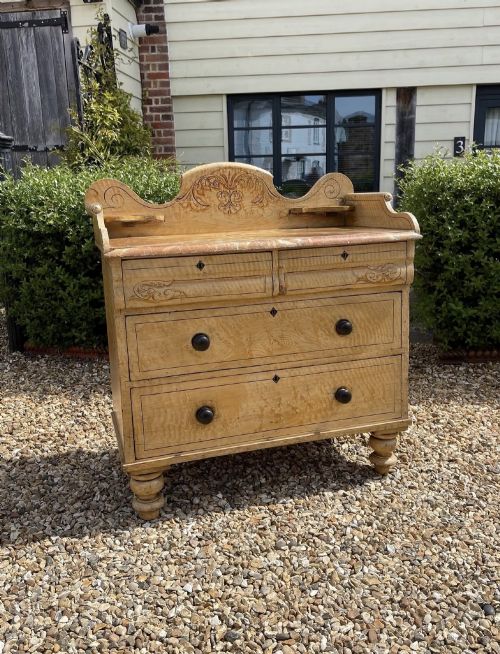
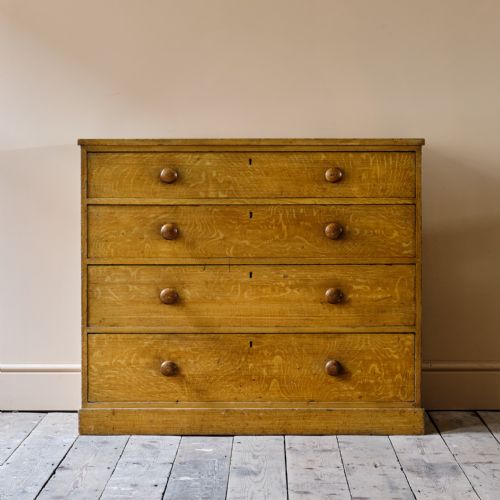
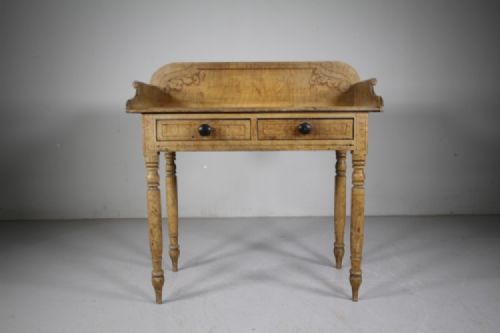
Listings feature 19th-century pine furniture enhanced with scumble glaze, faux oak paintwork, and painted marble tops.
What varies in quality
The standard of an antique scumbled pine piece depends primarily on the skill and ambition of the surface decoration. Master painters achieved convincing depth, convincing tonal variation and naturalistic grain movement that successfully deceives the eye, whereas lesser examples present flat, uniform brushwork without textural variation.
Proportion and structural integrity also separate ordinary utilitarian boxes from finer vernacular furniture. Pieces retaining their original brass or iron fittings, uncompromised structural joints and untouched primary paint surfaces command greater interest than heavily restored or later repainted items.
The Antique Scumbled Pine Glossary
- Scumble
- A translucent layer of tinted oil or varnish brushed over a paler ground colour. Artisans worked this wet glaze using specialised tools to create simulated wood grain or marble patterns.
- Compactum
- A large multi-compartment wardrobe designed for efficient clothing storage. These tall pieces often combined hanging space with internal linen slides and multiple drawers.
- Mule chest
- A storage chest fitted with one or two drawers in the base beneath the main compartment. This hybrid form bridged the gap between traditional blanket chests and modern chests of drawers.
- Washstand
- A dedicated wooden table or small cabinet designed to hold a ceramic basin and jug. They frequently incorporate marble or painted splashbacks to protect surrounding walls.
- Settle
- A high-backed wooden bench with solid sides and a storage box beneath the seat. These robust seats offered shelter from draughts in farmhouse kitchens.
Antique Scumbled Pine: Frequently Asked Questions
What is scumbled pine furniture?
Scumbled pine furniture consists of softwood items coated in a decorative translucent glaze over a solid base paint. Craftsmen manipulated this wet glaze to imitate expensive hardwoods like oak or walnut.
This decorative technique allowed modest pine furniture to achieve a more affluent appearance suited to domestic interiors.
How do I clean scumbled pine?
Clean scumbled pine surfaces gently using a soft, dry cloth to remove accumulated dust and surface dirt. Avoid using harsh chemical cleaners, alcohol or abrasive sponges that could strip the delicate translucent glaze.
Applying occasional specialist wax formulated for historic painted surfaces helps nourish and protect the fragile outer varnish layer.
How can I date scumbled pine?
Dating relies on examining construction methods, timber preparation and hardware styles across the piece. Hand-cut dovetails, secondary woods and specific stylistic markers help place an item from the Georgian era through to the Edwardian period.
Paint analysis and the specific style of the faux-grain finish also offer valuable chronological clues regarding when the piece was decorated.
Where were these pieces used?
These pieces originated primarily in country houses, farmhouses and regional domestic settings across Britain. They served practical daily functions in bedrooms, kitchens, pantries and hallways for household storage.
Their robust construction made them ideal for hardworking domestic environments where expensive hardwood furniture was impractical.