
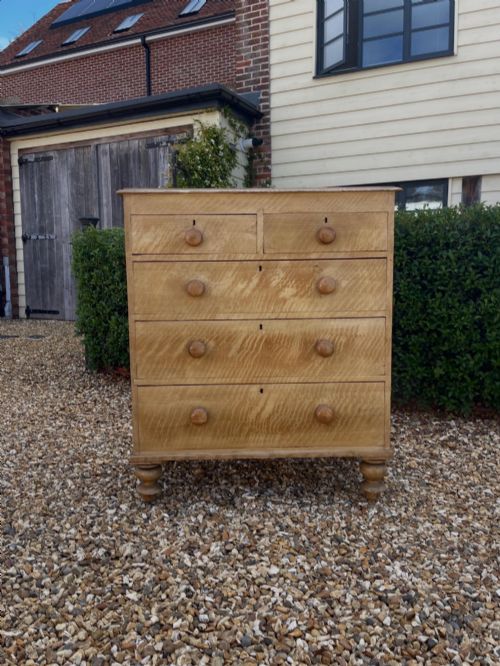
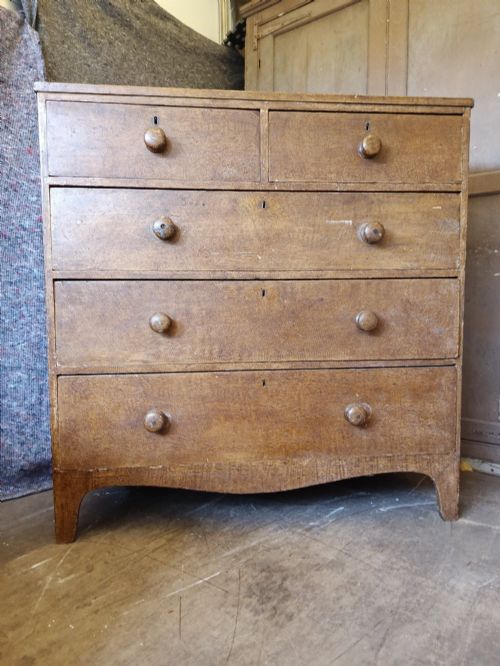
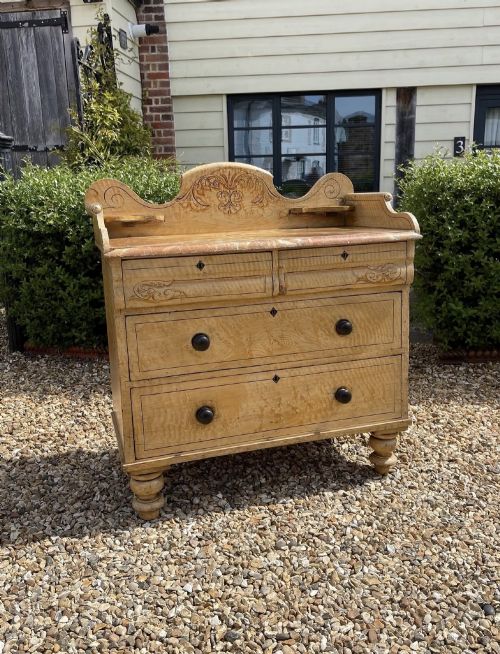

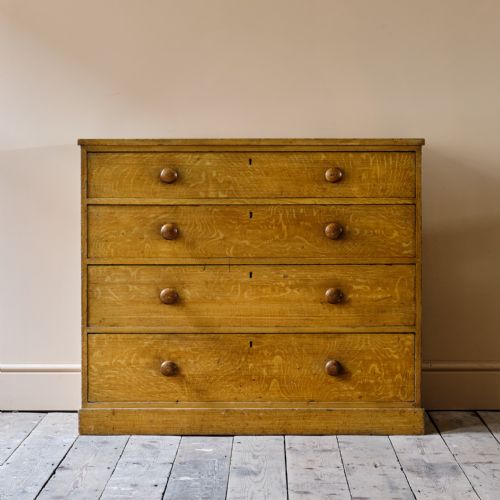


Scumbled Paint Dresser
A scumbled paint dresser brings a rich, textured depth of country character to a room through broken colour work.

Scumbled Paint Dresser
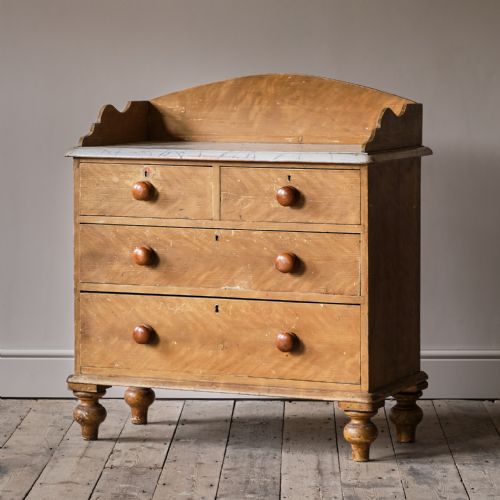
A scumbled paint dresser encompasses nineteenth century kitchen dressers, housekeeper cupboards, and drawer chests finished with layered decorative surface work. These utility pieces originate from various regional workshops, including Scottish and West Country examples in rustic pine.
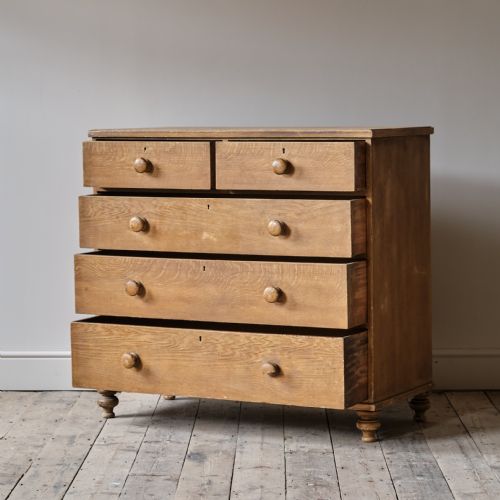
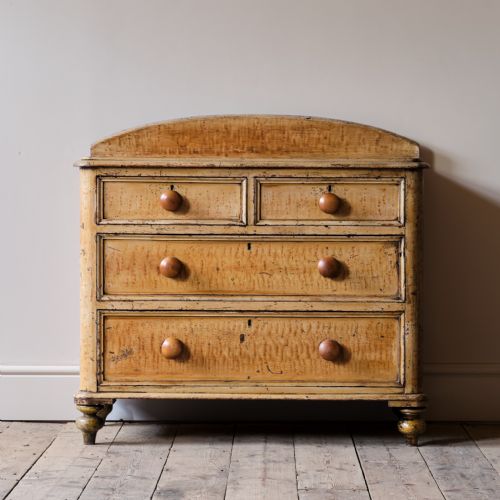
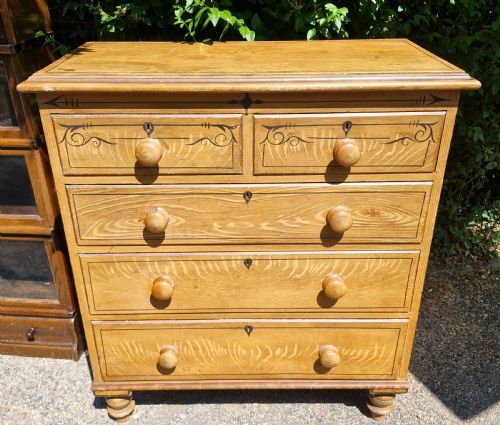
The versions most commonly met on this page are Victorian pine drawer chests and kitchen dressers bearing their original scumbled paint finishes. They bridge the gap between vernacular farmhouse storage and deliberate folk art decoration.
Materials and technique
Makers constructed these carcases from solid pine, selecting softwoods that accepted opaque and translucent ground coats readily. Iron and brass hardware such as drawer pulls and hinges secured the structural elements.
The distinct finish relies on scumbling, a technique where a darker translucent glaze is manipulated over a lighter opaque base coat using rags, combs, or brushes. This simulates the rich grain patterns of costlier hardwoods like oak or mahogany.
Some nineteenth century surfaces show where an apprentice had too much fun with a graining comb on a quiet Tuesday.
Assessing quality
Quality rests in the survival and execution of the original surface paint rather than the underlying softwood construction. Pieces with deeply figured, expressive scumble patterns command greater attention than flat or overpainted equivalents.
Proportion and regional carpentry traits also divide standard utility items from more ambitious country pieces. Well-balanced drawer arrangements and intact original brass or iron fixtures elevate the overall integrity.
The Scumbled Paint Dresser Glossary
- Scumbling
- A decorative painting method involving a translucent glaze dragged over a solid base coat to create mottled texture. This technique mimics natural wood grain.
- Dresser base
- The lower section of a kitchen dresser featuring drawers and cupboards without upper shelving. These provide substantial surface and storage space.
- Housekeeper cupboard
- A large tall storage cabinet traditionally used for linens and provisions in domestic service. They represent utilitarian nineteenth century joinery.
- Regency
- An architectural and design period spanning the early nineteenth century defined by classical restraint. Pieces from this era often show simpler lines.
- Victorian
- The broad period spanning the nineteenth century marked by diverse revival styles and robust domestic manufacturing. Regional country workshops adapted these trends freely.
Scumbled Paint Dresser: Frequently Asked Questions
What is a scumbled paint dresser?
A scumbled paint dresser is a nineteenth century pine storage piece decorated with a specialised translucent glaze technique over a base coat.
This finish creates a textured surface that imitates richer timber grains while remaining firmly rooted in vernacular country traditions.
How do I date a painted pine chest?
Dating relies on examining construction methods, timber thickness, and the formulation of the underlying paint layers.
Nineteenth century pieces typically display hand-cut dovetails and regional joinery traits distinct from later factory-made furniture.
Are these finishes original?
Many pieces retain their original nineteenth century scumbled paint surfaces applied during or shortly after manufacture.
Originality shows in the natural wear patterns, patina, and the way the glaze has settled into the pine grain over decades.
Where were these dressers made?
These items originated across various British regions, with specific examples noted from Scotland and the West Country.
Local joiners built them from readily available softwood to serve domestic storage needs in farmhouses and large kitchens.