


Antique Scroll Bench
An antique scroll bench brings neoclassical elegance to a hallway or drawing room through distinctive swept ends.
Antique Scroll Bench
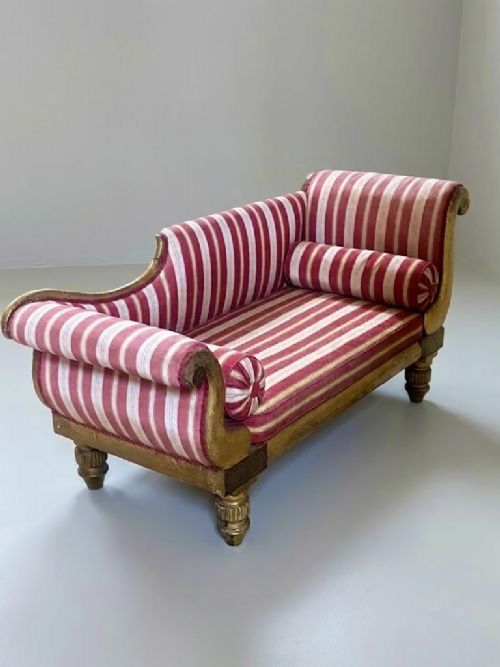
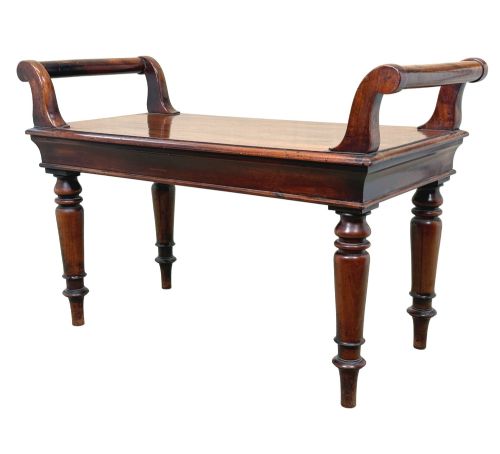
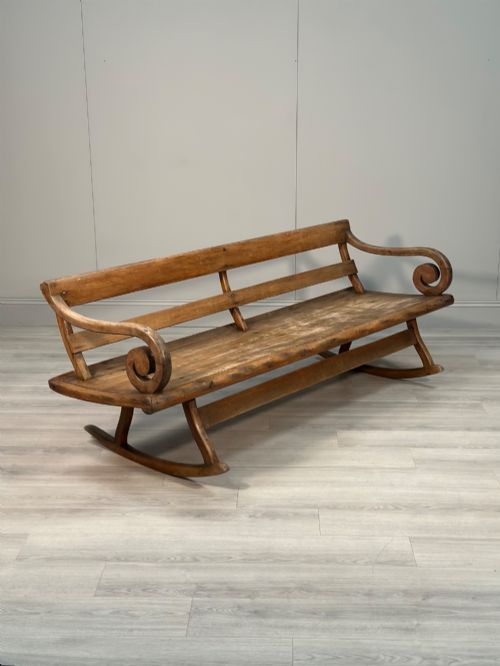
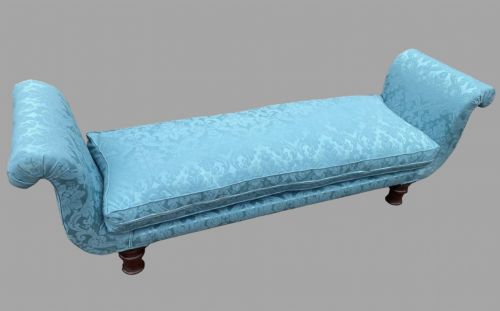
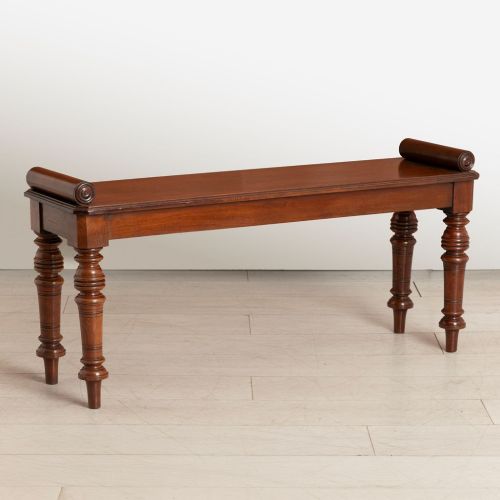
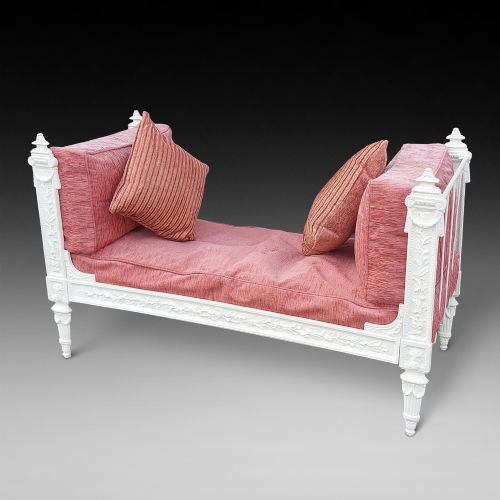
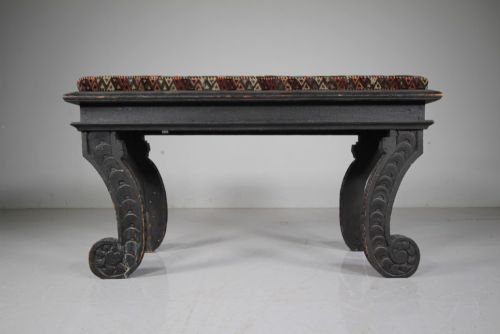
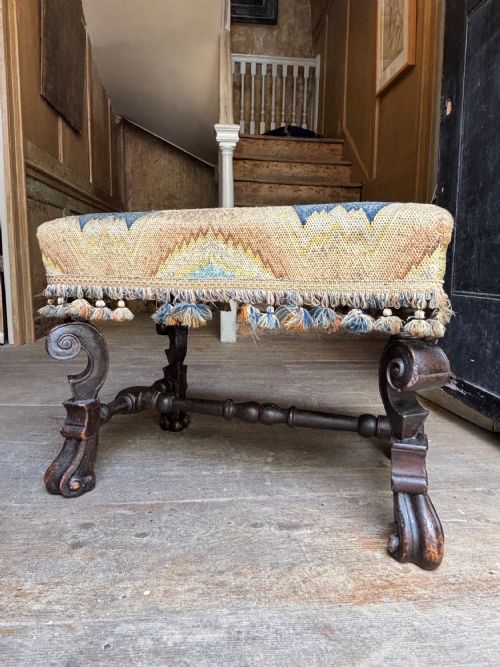
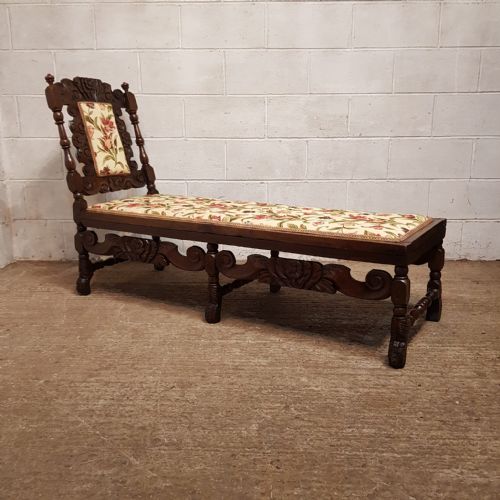
An antique scroll bench encompasses a variety of seating forms designed with distinctive upward-curving ends. When searching for this phrase, buyers encounter window seats, daybeds, and hall benches that reflect these characteristic profiles. The selection spans the nineteenth century through the Edwardian era, capturing both formal Regency designs and later revival pieces.
Most examples found in these listings take the form of window seats or daybeds fashioned in mahogany, rosewood, or walnut. These pieces frequently incorporate upholstered surfaces in silk, velvet, or leather, offering both decorative presence and practical seating for reception rooms and long corridors.
Materials and Construction
Cabinetmakers utilised dense timbers such as mahogany, rosewood, and walnut to build the foundational frames of these seats. These hardwoods permitted crisp carving along the scroll ends and cabriole legs, ensuring structural integrity beneath upholstered elements.
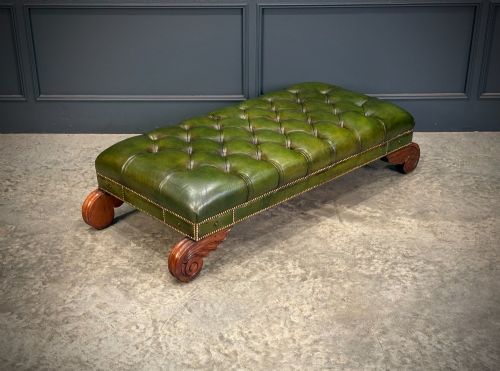
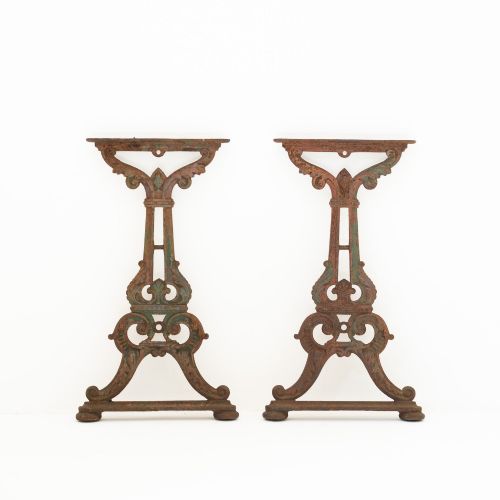
Upholstery techniques varied from traditional horsehair stuffing secured with webbing to buttoned leather and decorative silk or damask coverings. Brass details, cast iron framework, and painted pine finishes also appear among the listed pieces, demonstrating a diverse range of regional and period craftsmanship.
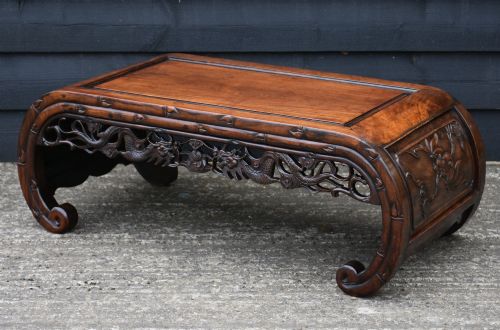
Several pieces double as opium tables, proving that Victorian daydreams and Eastern lounging share an unexpected affinity for scrolling woodwork.
Distinctions in Quality
The degree of refinement in the carved scrollwork and the choice of primary timber distinguish finer examples from standard production. Master craftsmen achieved fluid lines and balanced proportions that elevate the presence of a piece within a room.
The integrity of the frame construction and the fidelity of subsequent upholstery choices dictate the overall standard. Pieces retaining their original timber patination and appropriate period textile coverings hold greater integrity for collectors.
The Antique Scroll Bench Glossary
- Scroll end
- A term describing the outward-curving wooden arm or terminal characteristic of regency seating. This classic classical motif draws inspiration from ancient Greek and Roman furniture designs.
- Window seat
- A long, narrow bench specifically proportioned to fit within the recess of a domestic window. These pieces often feature upholstered tops and scroll arms at one or both ends.
- X-frame
- A structural furniture base formed by intersecting diagonal timbers resembling the letter X. This classical support appears frequently on stools and benches dating from the nineteenth century.
- Giltwood
- Timber that has been coated with a thin layer of gold leaf or gilt gesso. This decorative finish was favoured for formal neoclassical and revival salon furniture.
Antique Scroll Bench: Frequently Asked Questions
Where should I place an antique scroll bench?
These benches suit long hallways, bedroom ends, or beneath large windows where their distinctive silhouettes can be appreciated from multiple angles. Their narrow proportions allow them to sit comfortably against walls without dominating a floor plan.
Ensure the chosen location protects delicate textiles such as silk or velvet from direct sunlight, which can fade period fabrics over time. Pairing a bench with a complementary console table creates a balanced focal point in an entrance hall.
How do I identify a Regency scroll bench?
Regency pieces typically display classical restraint, featuring dark timbers like mahogany or rosewood combined with bold scroll ends and occasional brass inlay. Look for clean architectural lines that reflect early nineteenth-century neoclassical taste.
Later Victorian and Edwardian revivals often exhibit heavier carvings or softer proportions compared to their Regency predecessors. Examining the construction methods underneath helps confirm the period of manufacture.
Are these benches comfortable for daily seating?
Many examples provide firm support derived from traditional upholstery methods such as horsehair stuffing and heavy webbing. While designed primarily for decorative impact in formal rooms, they offer adequate comfort for brief periods.
If intended for regular daily use, consider models with padded squab cushions or upholstered seats that provide a softer surface. The height of the scroll ends should also match how you plan to sit or lean against the piece.
How do I care for antique wood and upholstery?
Maintain wooden frames by applying a microcrystalline wax periodically to nourish the grain and protect the original patination. Avoid using modern aerosol polishes, which can build up harmful silicone residues over time.
Vacuum upholstered surfaces gently using a low-suction attachment to remove dust without damaging fragile textiles. Professional cleaning is recommended for antique silk, damask, or velvet coverings to preserve their delicate fibres.