




Antique Scandinavian Box
An antique scandinavian box brings tactile folk tradition into a modern room, offering storage steeped in hand-painted history.
Antique Scandinavian Box
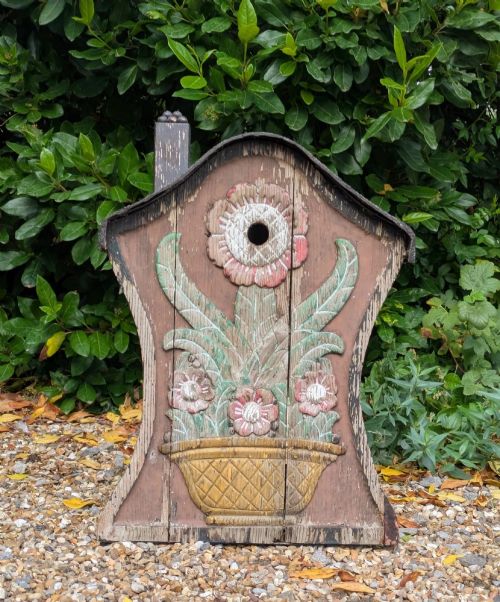
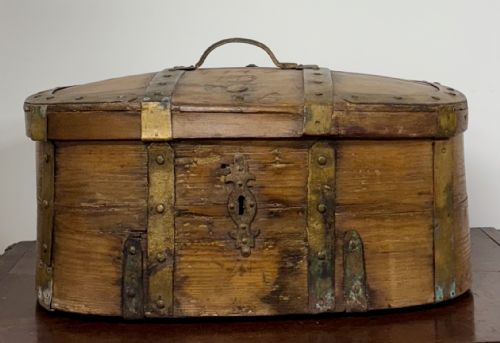
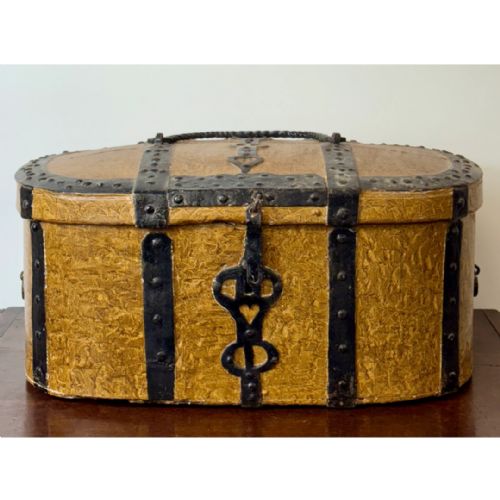
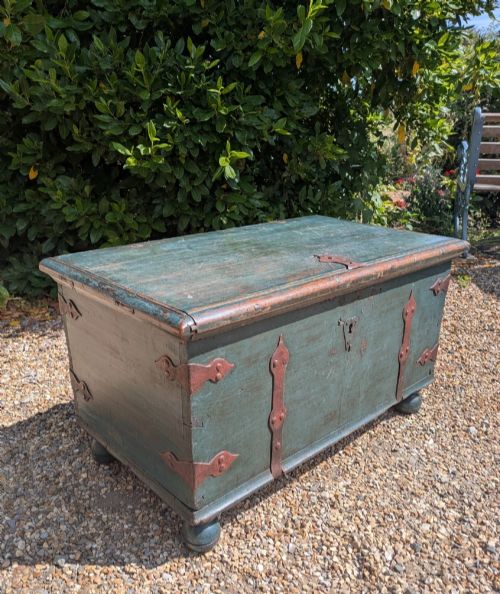
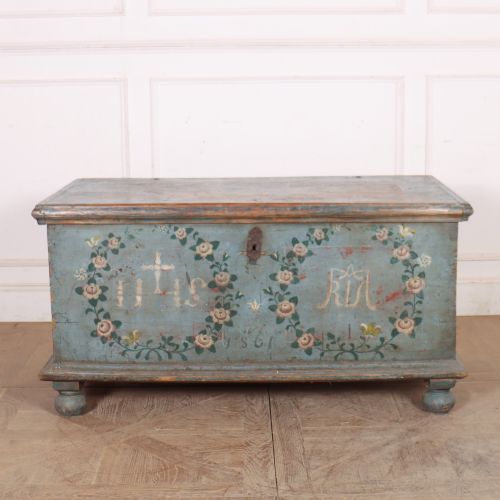
An antique scandinavian box encompasses small tabletop caskets, robust painted strong boxes, and large marriage chests used across rural households. The most common examples seen here are nineteenth-century pine boxes, often decorated with folk art motifs or retaining their original painted finishes.
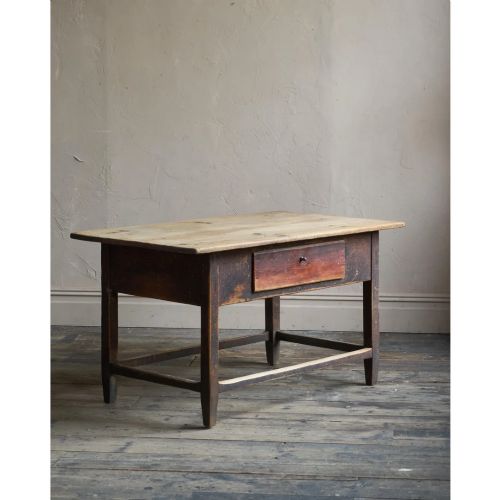
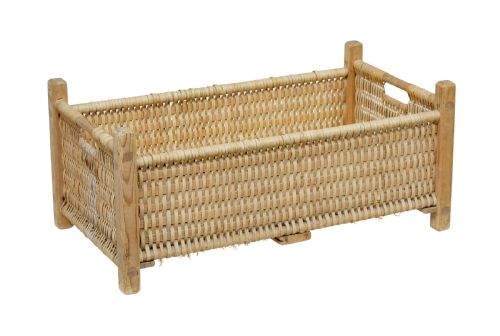
Beyond lidded boxes, the category stretches to include dome-top coffers, dough bins, woven pine baskets, and fitted sewing tables in birch or oak. Regional pieces frequently reflect distinct Scandinavian country styles, ranging from simple rustic storage to sophisticated mid-century silver items.
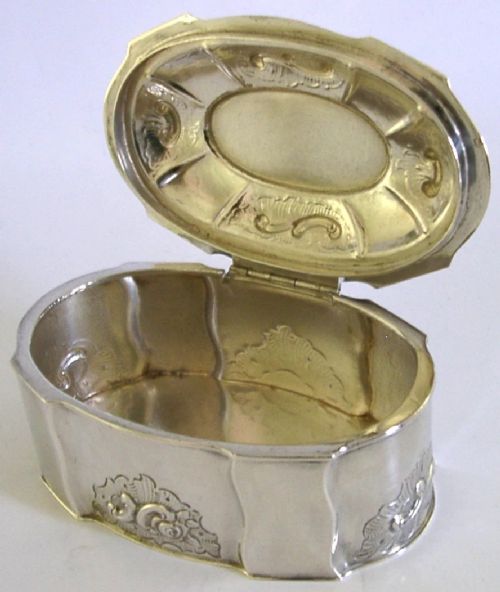
Earlier eighteenth-century trunks and marriage chests anchor the heavier end of the scale, while twentieth-century examples shift towards minimalist sterling silver dressing table boxes and functional design objects.
How they were made
Makers constructed the primary bodies from native softwoods and hardwoods like pine, birch, and oak, frequently shaping timber into strong boxes and oval containers. Hand-forged iron strapwork, brass fittings, and wrought iron hinges reinforced the joints for daily domestic utility.
Surfaces were frequently finished with layers of paint, graining, or intricate folk art brushwork, preserving the wood beneath while creating striking decorative panels. Metalwork items utilised solid sterling silver, shaped into dressing table accessories and decorative tableware.
Current listings feature nineteenth-century painted pine, eighteenth-century oak marriage chests, and twentieth-century sterling silver.
What varies in quality
The survival of original painted surfaces dictates the distinction between ordinary utility items and exceptional folk art pieces, as later repaint obscures historical character. Crispness in hand-forged iron strapwork and the retention of authentic brass hardware also elevate a box above standard domestic stock.
Construction precision separates utilitarian daily containers from celebratory marriage chests, where dovetail joinery and careful shaping display superior joiner craftsmanship. Maker attribution plays a decisive role in later silver works, distinguishing standard studio production from named twentieth-century designers.
Sigvard Bernadotte·Georg Jensen·David Andersen
The Antique Scandinavian Box Glossary
- Marriage chest
- A large wooden trunk commissioned for a wedding, frequently painted with names, dates, or floral motifs to mark the union.
- Strong box
- A heavily reinforced storage container built with iron strapwork and secure locking mechanisms to protect valuables.
- Folk art
- Traditional decorative craftsmanship produced within a rural community, using local stylistic conventions rather than academic fine art rules.
- Treen
- Small handmade wooden objects for domestic use, carved with utilitarian or decorative intent from native timbers.
- Strapwork
- Ornamental bands of metal, often iron or brass, fixed across the exterior of a chest or box to reinforce structural corners.
Antique Scandinavian Box: Frequently Asked Questions
How are antique scandinavian boxes dated?
Dating relies on construction methods, timber selection, and surviving painted decoration. Nineteenth-century pieces typically feature machine-sawn elements or hand-forged iron, while eighteenth-century examples display entirely hand-adzed boards and organic pigment layers.
Secondary clues include hinge styles, lock mechanisms, and any inscriptions painted onto marriage chests. Comparing the wear patterns on the base with known regional typologies helps narrow the decade of origin.
Were painted boxes used daily?
Rural households utilised painted pine chests and strong boxes for storing textiles, grain, documents, and valuables. The thick paint layers served to seal the soft pine timber against dampness and dirt in unheated Scandinavian homes.
Over decades of handling, the paint acquired natural patination, particularly around handles and keyholes where hands touched the surface repeatedly.
How do I care for painted wood?
Painted surfaces require stable room humidity and protection from direct sunlight to prevent the historic pigments from fading or flaking. Dusting with a dry, soft cloth is sufficient for routine maintenance, avoiding modern chemical polishes entirely.
Wax should be applied with extreme caution, as many traditional scandinavian milk paints and distemper finishes absorb oils differently than modern varnishes.
What is a strong box?
A strong box is a heavy timber container fitted with interlocking iron strapwork, corner brackets, and complex internal locking systems. Unlike blanket chests, they were engineered specifically to secure coinage, deeds, and silver.
The inclusion of wrought iron handles allowed these heavy boxes to be transported between locations during travel or emergencies.