
Antique Sauce Boat
When searching for an antique sauce boat, collectors encounter elegant vessels designed for serving gravies and condiments across several centuries.
Antique Sauce Boat
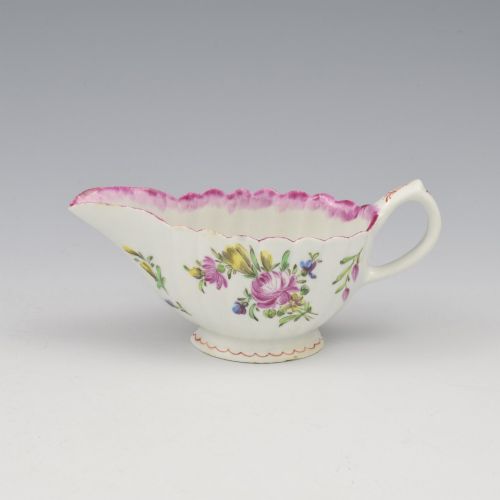
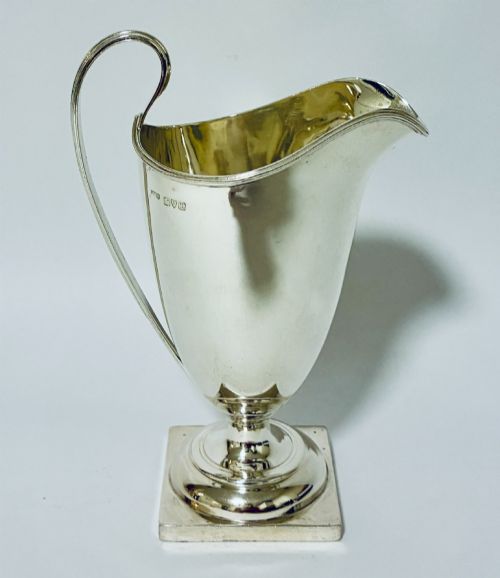
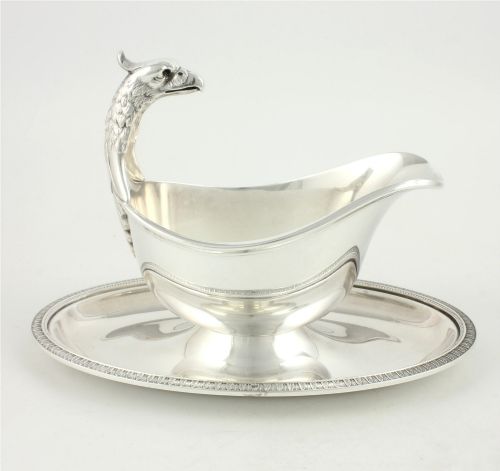
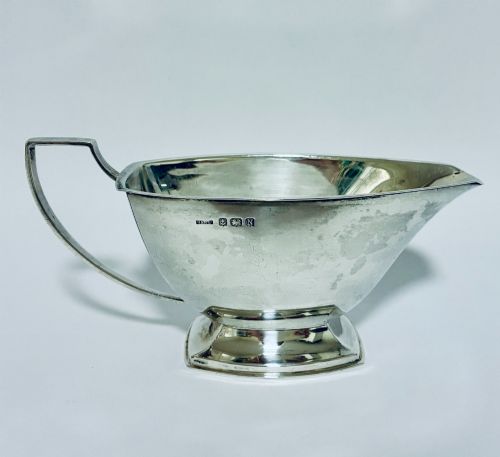
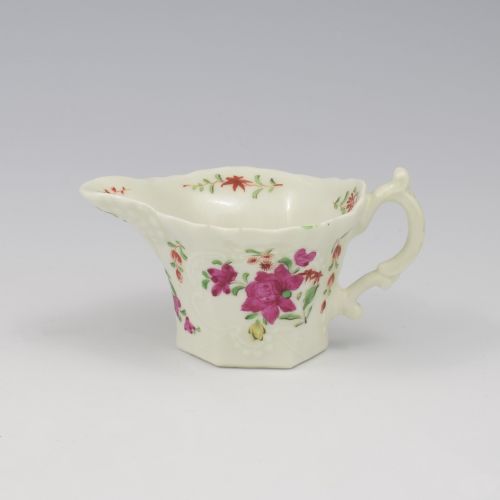
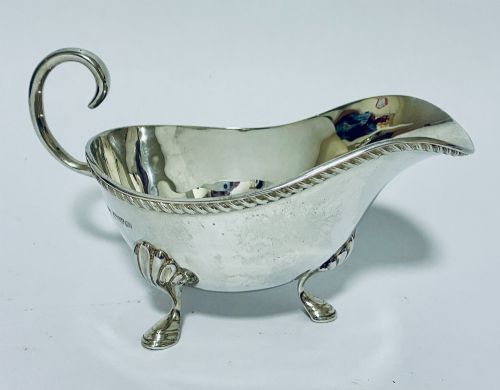
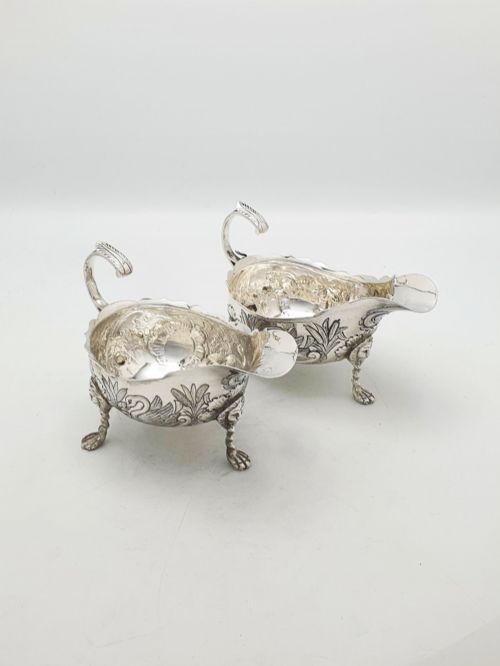
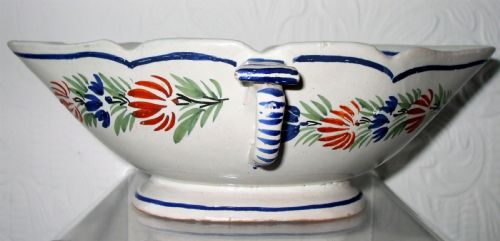
An antique sauce boat serves gravies, dressings, and melted butter at the dining table, taking the form of an open boat-shaped vessel often supported on three or four small feet or a pedestal base. These vessels emerge frequently in sterling silver and silver plate, alongside ceramic iterations spanning the eighteenth and nineteenth centuries.
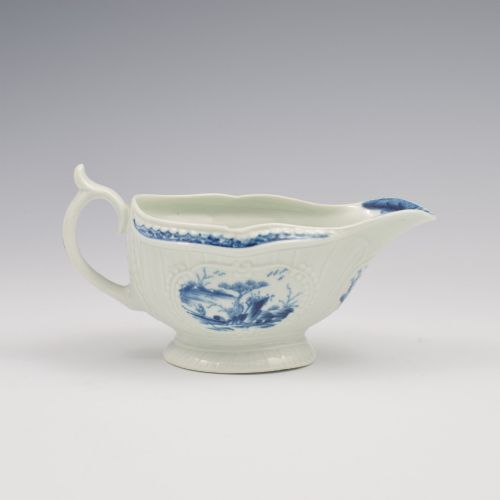
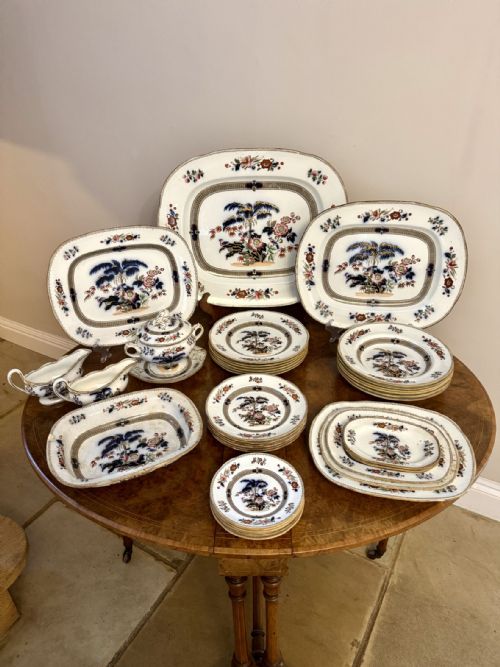
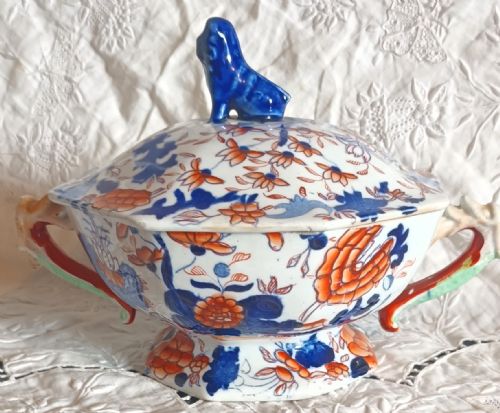
The ceramic examples include soft-paste porcelain, earthenware, bone china, and ironstone, originating from factories such as Worcester, Bow, and Mason's. Silver versions span the Georgian, Victorian, and Edwardian eras, displaying domestic hallmarks and functional spouts paired with scrolled handles.
How They Were Made
Silversmiths constructed sterling silver sauce boats through hammering, casting, and soldering, applying chased or embossed decoration by hand. Silver plated items utilised base metals covered with a thin layer of silver, sometimes employing Old Sheffield plate techniques.
Potters shaped porcelain and earthenware bodies either by hand moulding, press-moulding into metal or plaster moulds, or throwing on a wheel before applying underglaze blue painting, enamels, or transfer printing. Ironstone pieces provided a denser, more durable ceramic body suited for heavier nineteenth-century service.
Antique Sauce Boat Retail Price Guide 2026
Typical asking prices for sauce boat among the pieces listed under this phrase on Sellingantiques today, from the lower quarter to the upper quarter. They describe what is for sale here now, not the wider market.
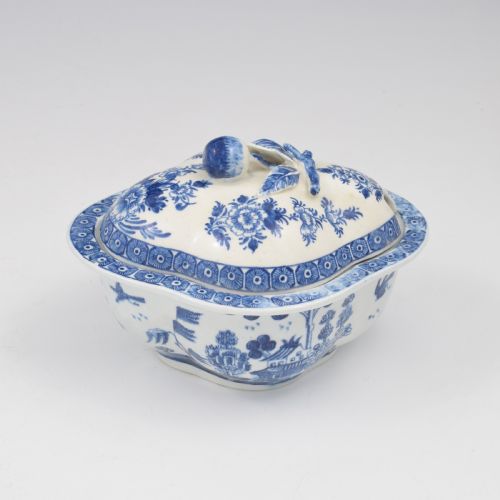
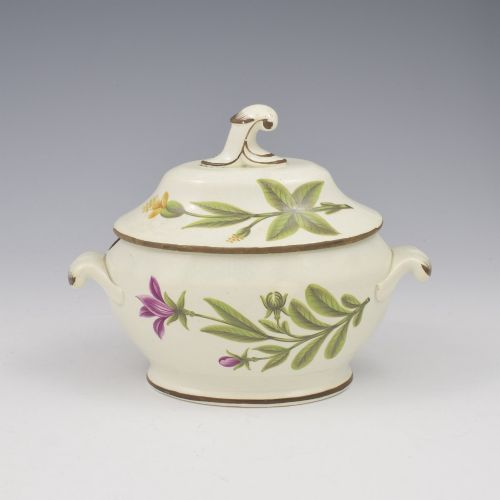
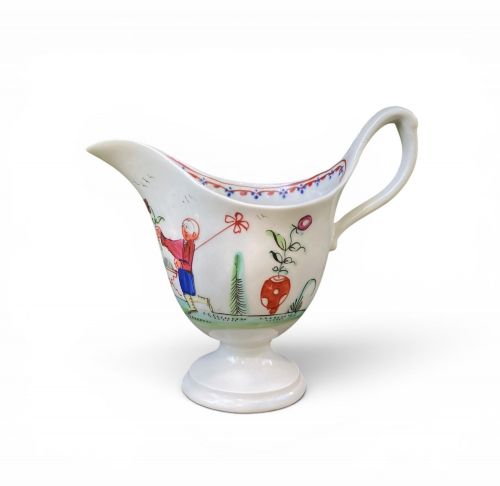
Early ceramic examples showcase botanical illustrations, Chinese figures, and blue and white transfer printed motifs.
What Varies in Quality
Quality rests upon the crispness of casting or moulding, the balance of the handle against the spout, and the weight of the metal or ceramic body. Finer silver specimens display sharp chasing, well-defined hallmarks, and cast feet that integrate seamlessly into the body.
Early porcelain examples show superior translucency, hand-painted clarity in cobalt blue or enamel palettes, and careful finishing around the footrim. Lesser examples display heavy potting, dull glazes, or smudged transfer printing.
Christofle Gallia·Davenport·Bow Porcelain·Mason's Ironstone·Tiffany and Co·Flight Barr and Barr·James Welch·William Skeen·William Collins·William Shaw·Horace Woodward and Co Ltd·John and Joseph Angell·Padley Parkin and Staniforth
The Antique Sauce Boat Glossary
- Sauce boat
- A vessel with a lip and handle designed for holding and pouring gravy or sauce at the table. These pieces often sit upon attached undertrays or separate stands.
- Sauce tureen
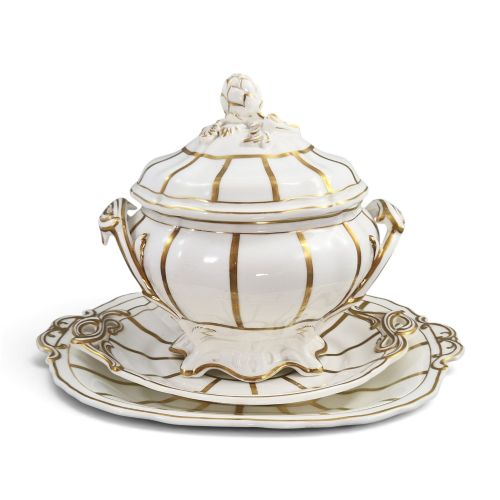
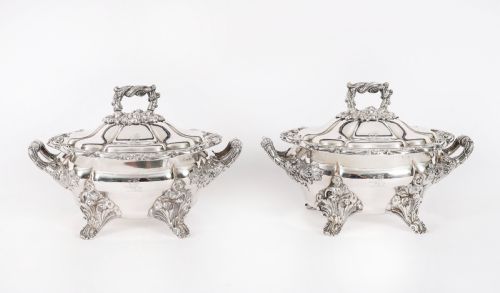
- A covered container for sauce or gravy, usually equipped with two side handles and frequently accompanied by a matching ladle and undertray.
- Soft-paste porcelain
- An artificial porcelain composition fired at lower temperatures than hard-paste, common in eighteenth-century English factories such as Bow and early Worcester. It possesses a warm, slightly creamy body and characteristic glaze pooling.
- Ironstone
- A heavy, durable type of earthenware patented in the nineteenth century by manufacturers like Mason's. It resists chipping better than soft-paste porcelain while accepting rich enamel designs.
- Old Sheffield plate
- A composite material made by fusing a thin sheet of silver onto a copper core, utilised before the invention of electroplating. Edges often reveal thin lines of exposed copper where the metals meet.
Antique Sauce Boat: Frequently Asked Questions
What is the difference between a sauce boat and a gravy boat?
These terms refer to the same vessel type used for serving liquid condiments at the dining table.
Historical usage often applied both names interchangeably depending on regional terminology and the specific depth of the bowl.
Did these pieces always come with stands?
Certain forms included an integral undertray or a matching separate plate, while others rested directly on feet.
Many ceramic tureens incorporated fitted lids and ladles, whereas most silver sauce boats remained open vessels.
How do I date a silver sauce boat?
British silver incorporates hallmarks that indicate the assay office, the specific year letter, and the maker's mark.
Style indicators such as pad feet, beaded borders, or gadrooned rims further narrow the production period.
Can I use antique porcelain sauce boats for dining?
Early soft-paste porcelain and earthenware pieces benefit from gentle hand washing rather than modern dishwashing.
Thermal shock from boiling liquids can occasionally stress fragile eighteenth-century ceramic bodies.