


Antique Satirical Illustration
Antique satirical illustration offers a biting window into past societies, capturing wit and political critique on paper.
Antique Satirical Illustration
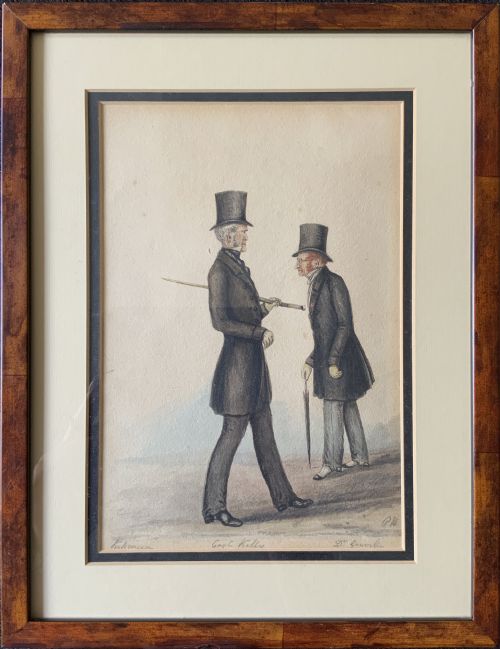
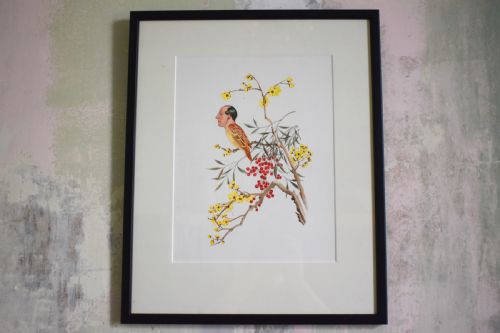
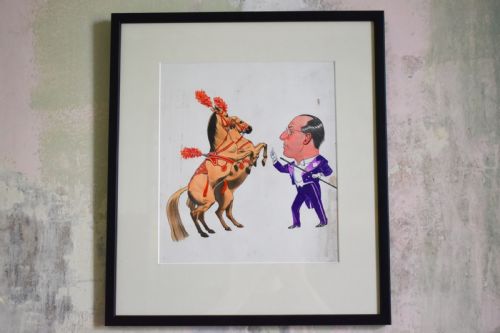
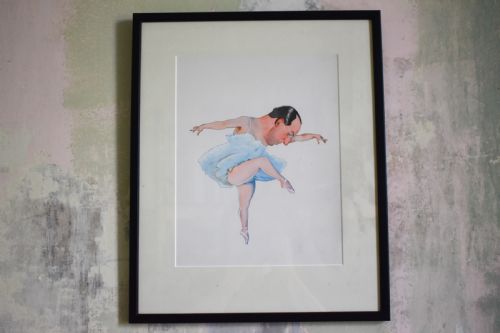
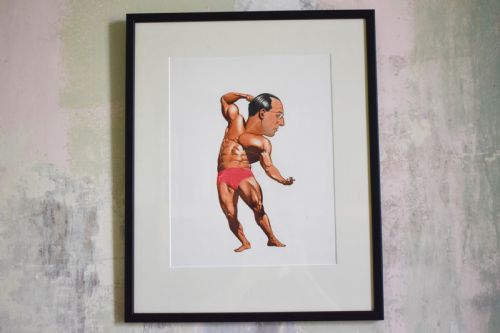
When you search for antique satirical illustration, you encounter witty works on paper that span the eighteenth, nineteenth, and early twentieth centuries. These pieces take the form of framed artwork, original watercolour paintings, and copperplate engravings.
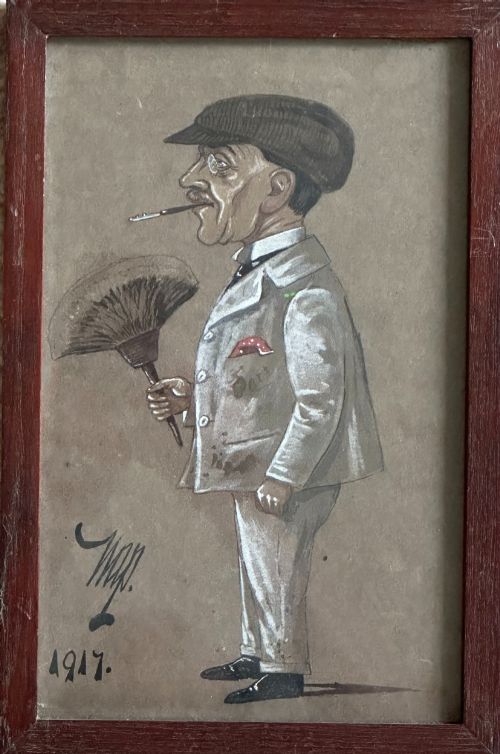
The selections available here range from Georgian social satires and Regency caricatures to Edwardian character studies and political prints. Original watercolours and hand-coloured prints appear frequently across the periods.
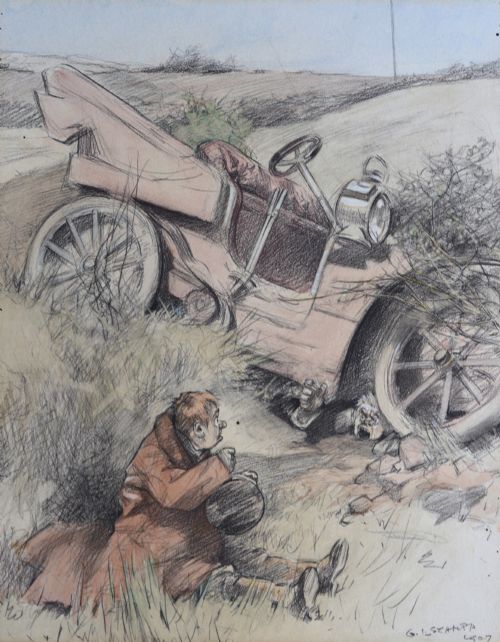
Makers and artists represented include figures such as George Lorain Stampa, Thomas Rowlandson, Thomas Worth, and Henry William Bunbury. Works span from the eighteenth century through the First World War era.
Materials and techniques
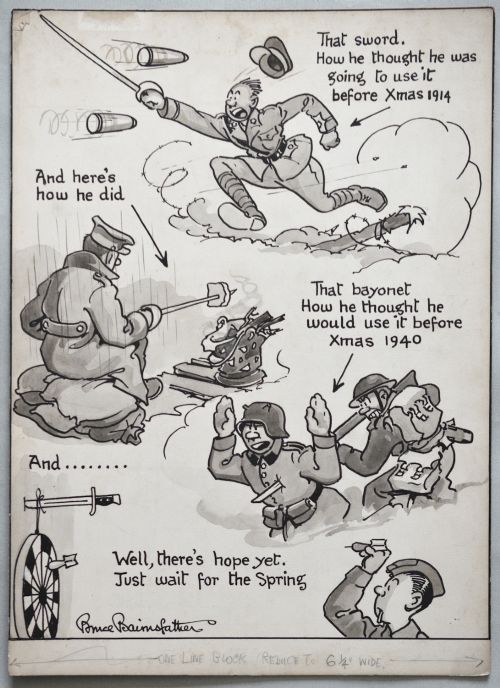
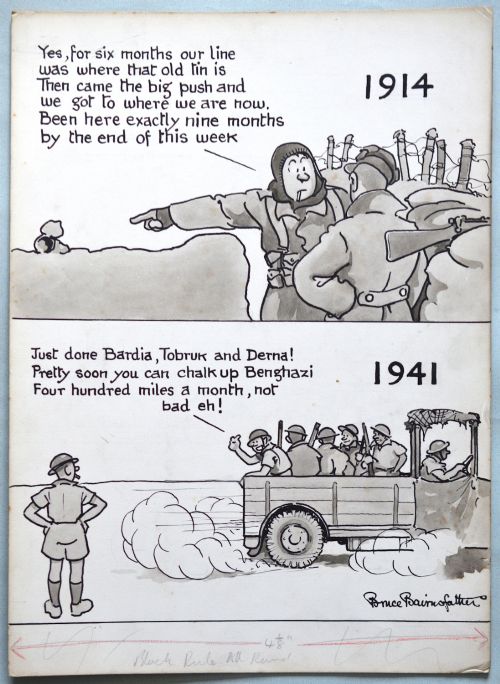
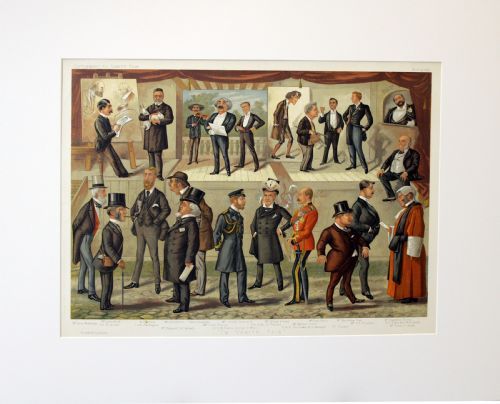
These works are executed on paper, mount board, and wood, utilising ink, watercolour, gouache, and pencil mediums. Print techniques include copperplate engravings and chromolithographs.
Many nineteenth-century prints feature delicate hand colouring applied over ink lines. Original sketches rely directly on pen and ink or watercolour on paper.
The listings feature works created across the eighteenth, nineteenth, and early twentieth centuries on paper and mount board.
Assessing quality and execution
Quality separates through the sharpness of the draughtsmanship and the expressive liveliness of the caricature. Stronger examples display confident ink lines and subtle washes of watercolour that preserve the immediacy of the humour.
The clarity of the print impression and the precision of any hand colouring dictate the distinction in engraved and lithographic works. Original watercolours draw their strength from the direct hand of the artist.
George Lorain Stampa·Thomas Rowlandson·Thomas Worth·Henry William Bunbury
The Antique Satirical Illustration Glossary
- Chromolithograph
- A multicoloured print produced through lithography. This technique allowed vibrant reproduction of satirical magazine plates.
- Copperplate engraving
- An intaglio printing method where an image is incised into a copper plate with a burin. It produces fine, crisp lines suited to detailed social satires.
- Gouache
- An opaque watercolour paint consisting of pigment and a binding agent. It provides solid blocks of colour in original satirical works.
Antique Satirical Illustration: Frequently Asked Questions
How should I display these fragile paper pieces?
Keep them away from direct sunlight to prevent the watercolours and inks from fading over time. Proper framing behind protective glass safeguards the paper.
Ensure mounts are acid-free to protect the vintage paper stock from yellowing or deterioration.
Are these works original or printed reproductions?
The selection includes both unique hand-painted watercolours and period printed engravings or chromolithographs. Individual listings specify whether an item is an original sketch or a period print.
Printed works often derive from contemporary satirical periodicals or published series of plates.
What periods do these satirical illustrations cover?
The pieces span from the eighteenth century through the Edwardian era and into the early twentieth century. Georgian and Victorian examples sit alongside First World War subjects.
Each period reflects distinct social concerns, political climates, and artistic techniques.
How do I identify different print techniques?
Copperplate engravings show fine, recessed lines pressed into the paper, often accompanied by plate marks at the edges. Chromolithographs display smooth colour fields built from multiple lithographic stones.
Hand-coloured prints reveal brushstrokes and tonal variations applied over black ink impressions.