
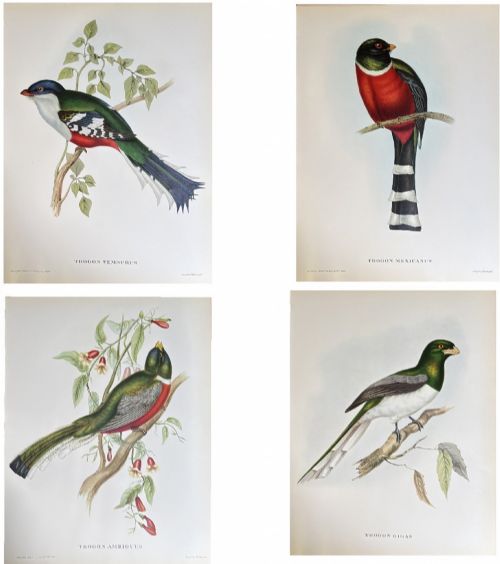
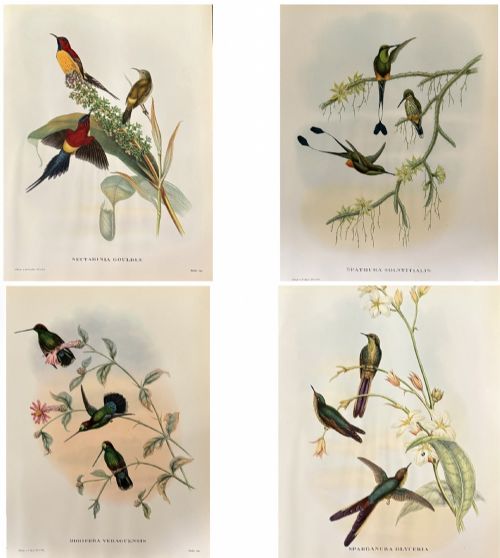
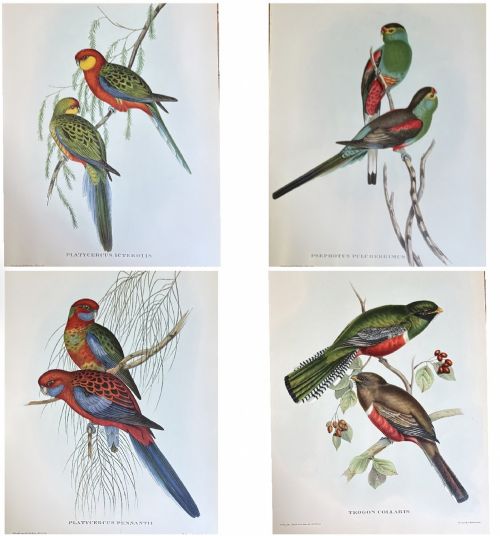
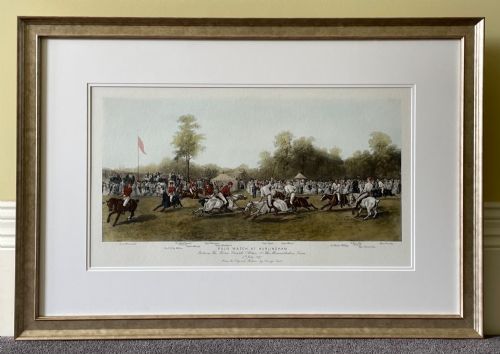
Antique Paper Lithograph
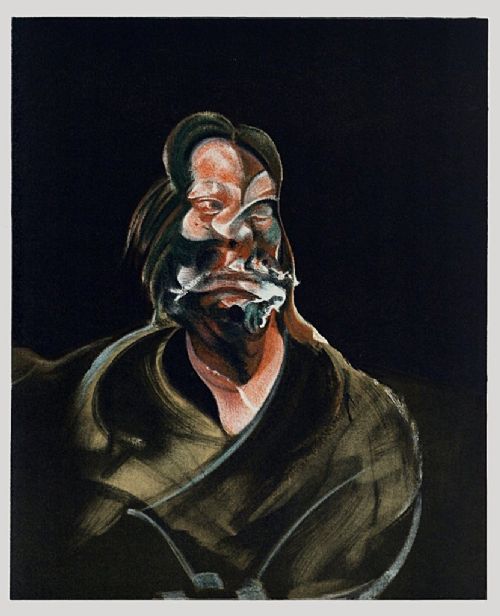
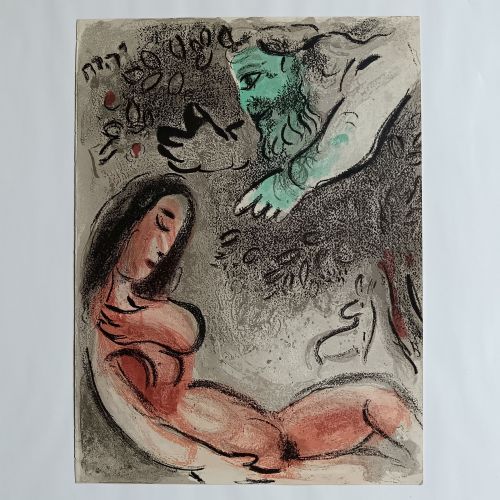
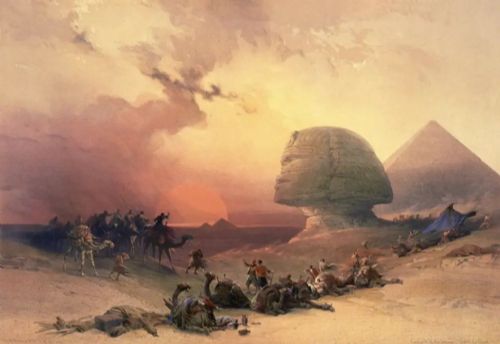
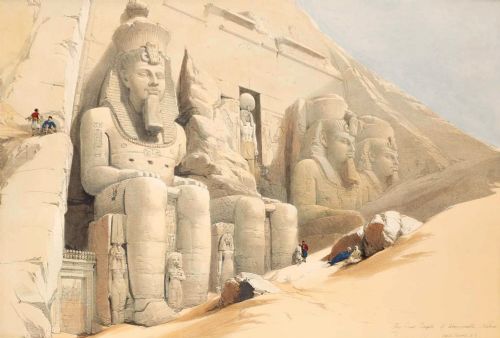
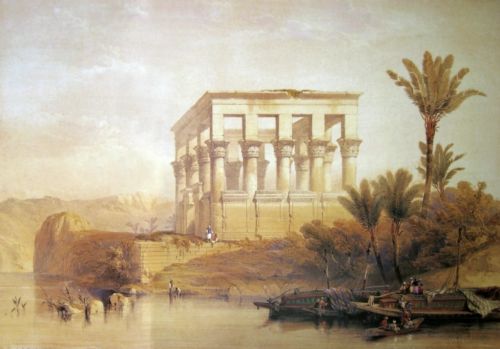
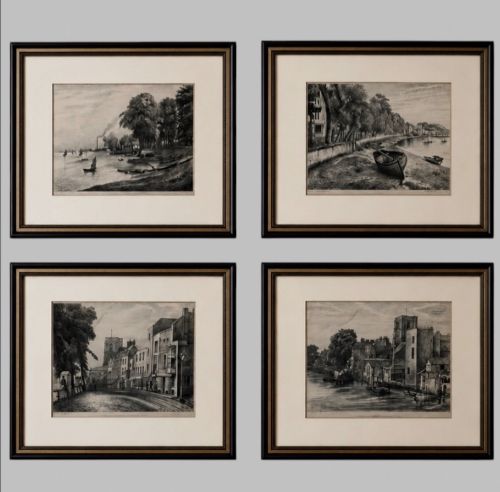
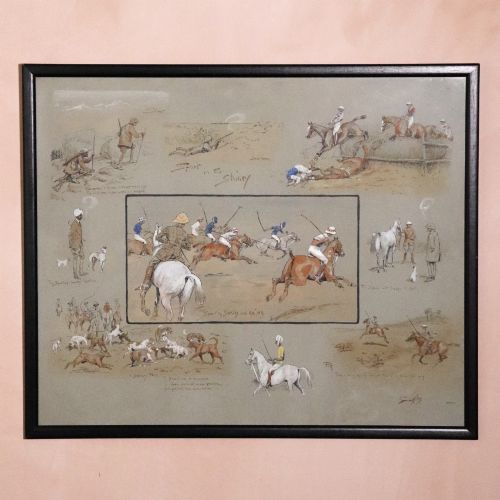
These antique paper lithograph prints bring historical imagery and vivid colour directly into domestic interiors through mid-nineteenth to mid-twentieth-century printing.
Antique Paper Lithograph
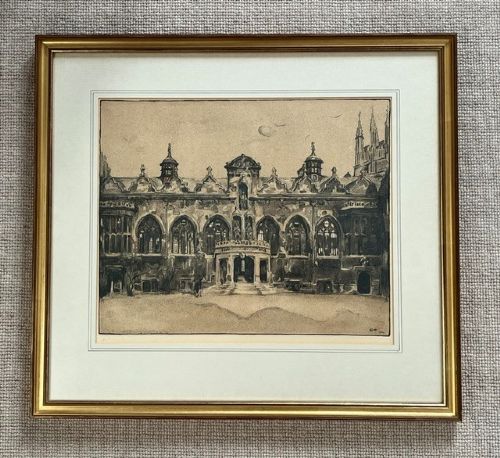
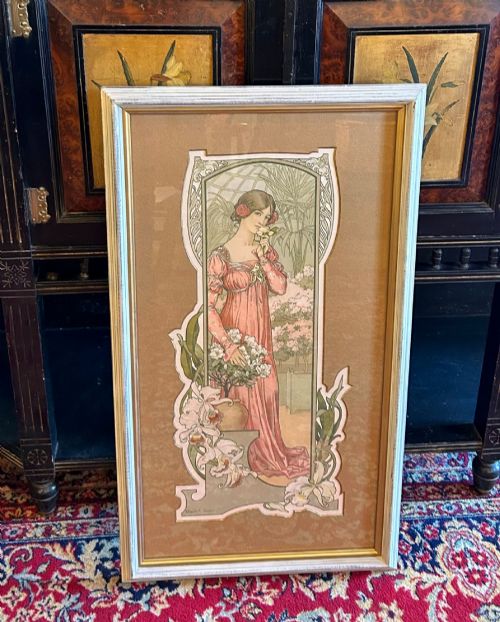
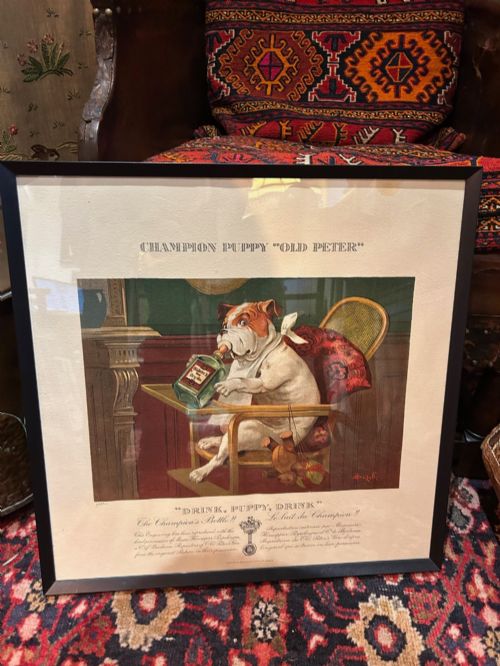
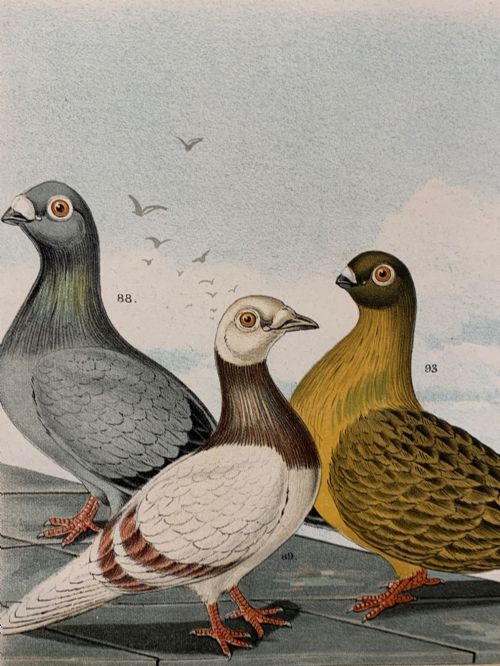
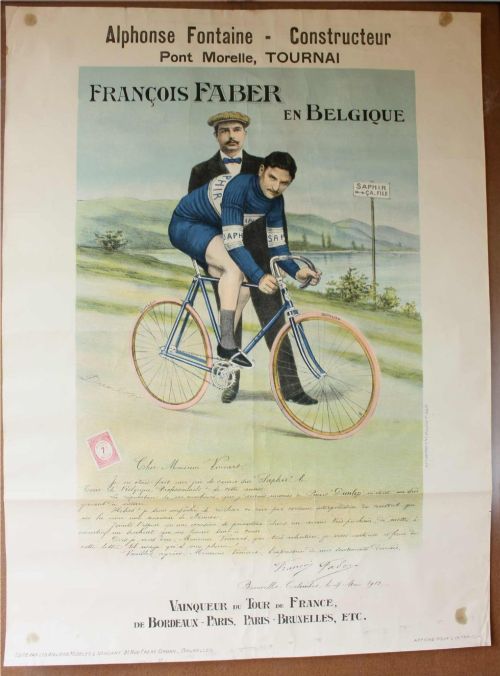
An antique paper lithograph represents a planographic printing method where ink is applied to a treated stone or metal plate before transfer to paper. Buyers seeking an antique paper lithograph encounter framed and unframed works spanning Victorian social caricatures, ornithological studies, and early advertising posters.
The selection ranges from Victorian periodical supplements and Edwardian college scenes to French promotional placards and sporting prints. Many surviving examples originate from serialized publications like Vanity Fair or specialised portfolios issued during the nineteenth and early twentieth centuries.
How They Were Made
Production relied on drawing directly onto porous limestone blocks with greasy crayons or inks, exploiting the chemical repulsion between oil and water to retain the image. Subsequent multi-colour chromolithography required a separate stone for each individual hue, applied sequentially with precise registration.
The resulting ink layers settled onto durable woven or laid paper stocks, occasionally accompanied by hand-applied watercolour highlights or mounted within wooden frames beneath glass panels alongside supportive gesso and metal fixtures.
Several prints feature Victorian pigeons and Louis Wain felines staring down modern viewers with absolute nineteenth-century judgement.
What Varies in Quality
Distinction across the range depends largely on the clarity of the registration during multi-plate printing and the vibrancy of the retained ink pigments. Sharper impressions maintain fine lines and distinct tonal transitions without bleeding or blurring at the edges.
The physical preservation of the paper stock heavily influences standing, where unblemished margins, absence of heavy fading, and untouched original dimensions separate superior survivors from compromised examples.
The Antique Paper Lithograph Glossary
- Chromolithography
- A planographic colour printing technique using multiple limestone blocks. Each individual stone applies a distinct coloured ink to build a rich multi-toned image.
- Lithograph
- An image printed from a flat surface treated to repel ink except where required. The process relies on the mutual aversion of grease and water.
- Chromolithograph
- A colour print produced by applying multiple lithographic stones successively. This method created vibrant posters and magazine supplements in the Victorian era.
- Gesso
- A plaster mixture applied to wood before gilding or framing. It provides a smooth surface for mounting and finishing antique artworks.
Antique Paper Lithograph: Frequently Asked Questions
What is an antique paper lithograph?
An antique paper lithograph is a planographic print produced on paper using stone or metal plates during the nineteenth or early twentieth centuries.
These works encompass everything from satirical magazine inserts and natural history plates to large promotional posters.
How should I frame these prints?
Framing requires archival materials and UV-protective glass to shield delicate paper stocks from environmental degradation and light exposure.
Keeping the paper distanced from the glass prevents moisture accumulation and preserves the ink over time.
How do I identify the period?
Dating relies on subject matter, typography styles, paper characteristics, and printer credits noted on the margins.
Period markers such as Victorian fashion or Edwardian sporting attire often align with known publishing dates for specific series.
Were these prints meant for framing?
Many were originally issued within weekly periodicals, commemorative annuals, or portfolios rather than standalone wall art.
Owners frequently removed them from bindings to frame individually for domestic display.