
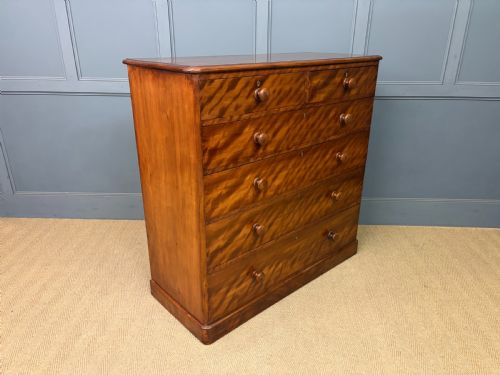

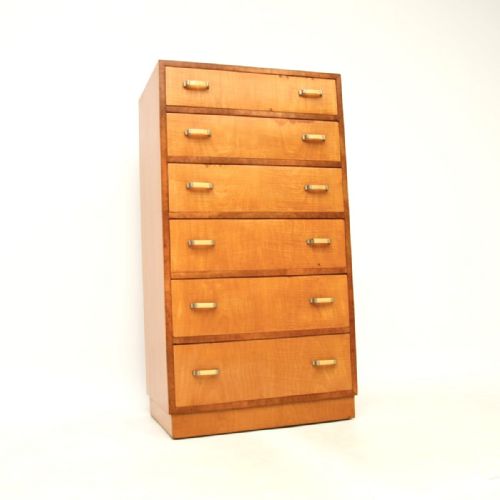
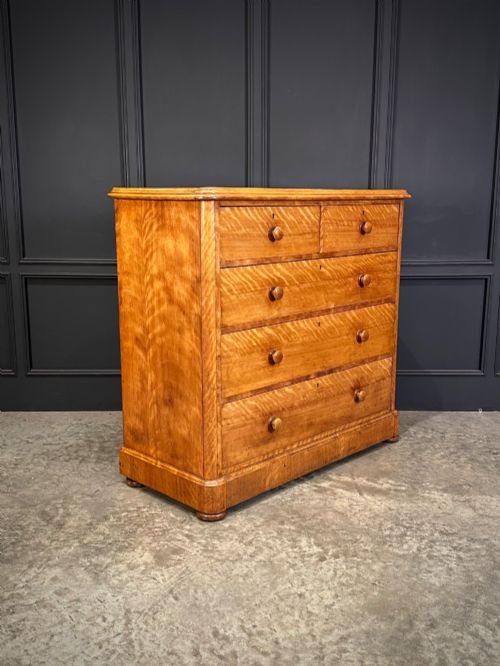
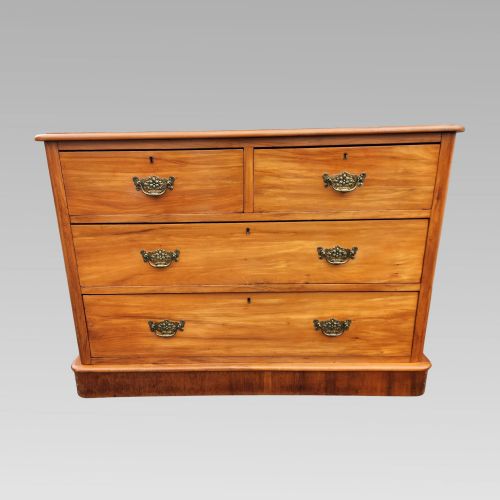
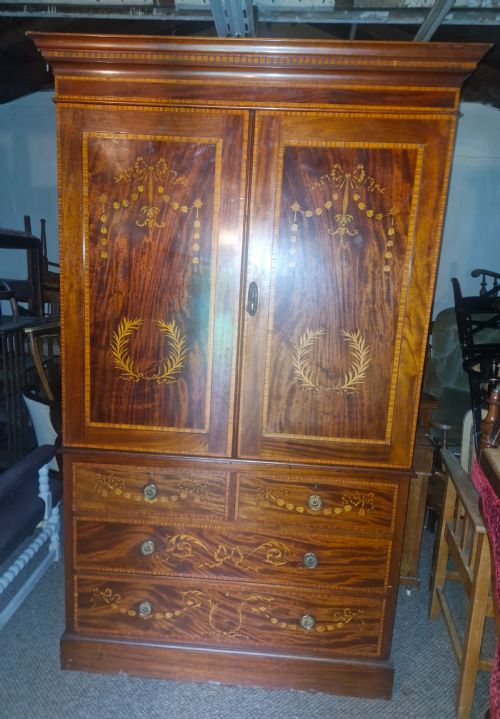
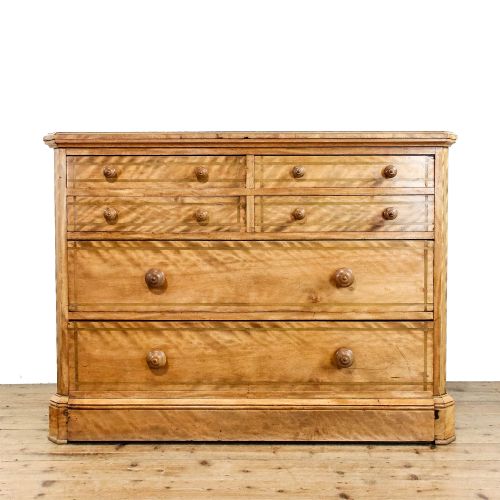
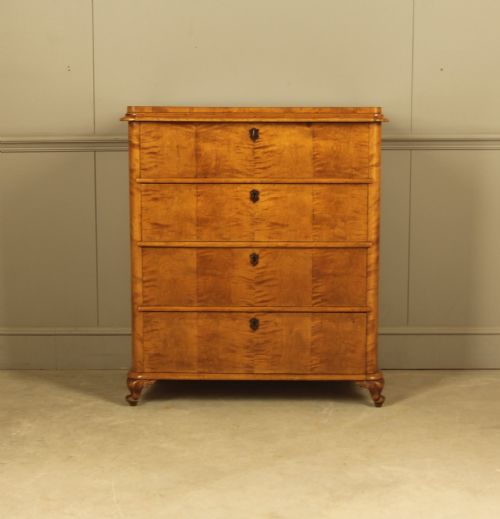
Antique Satinwood Tallboy
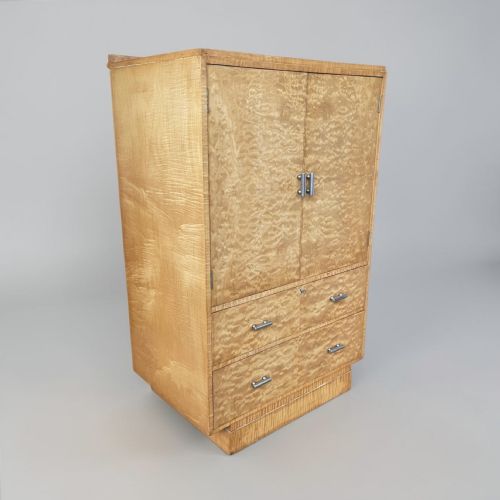
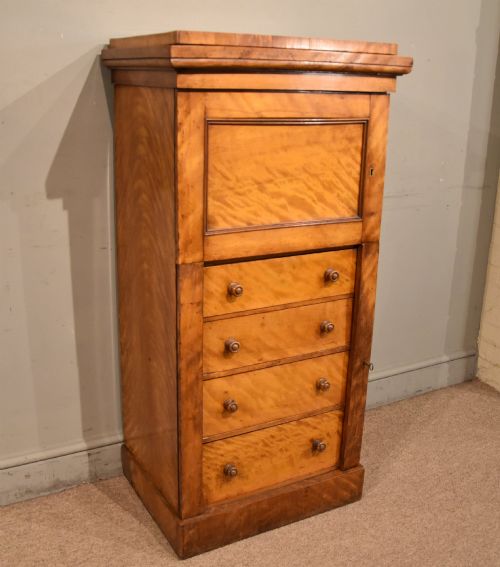
An antique satinwood tallboy is a commanding bedroom storage piece that brings a pale, luminous timber grain and vertical presence to any interior.
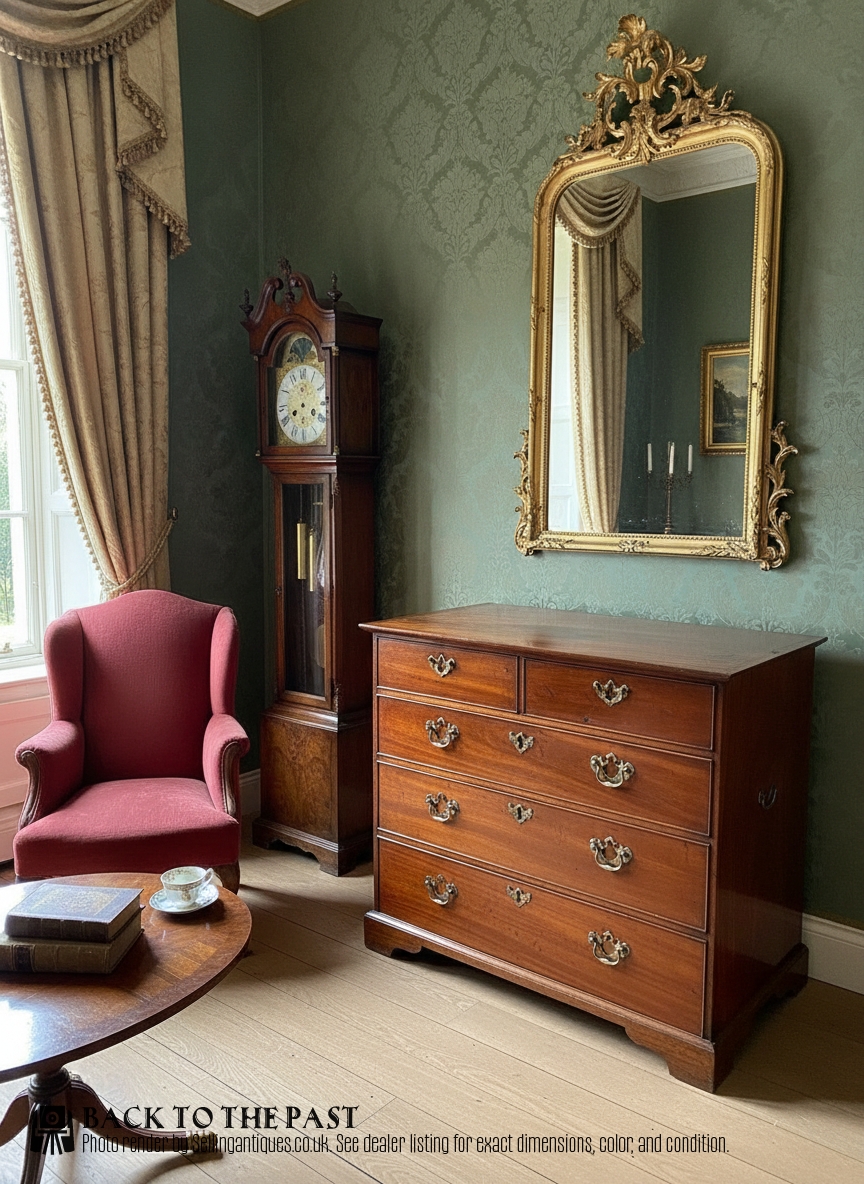
Antique Satinwood Tallboy
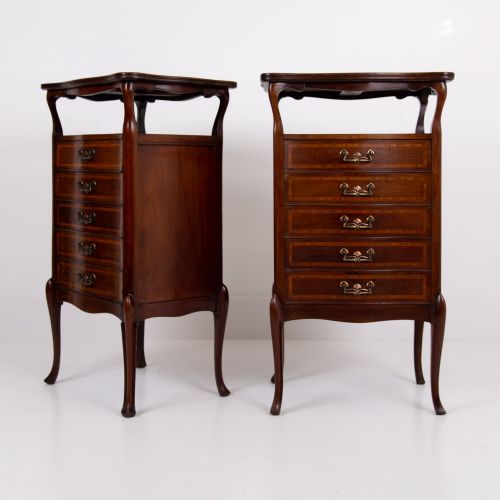
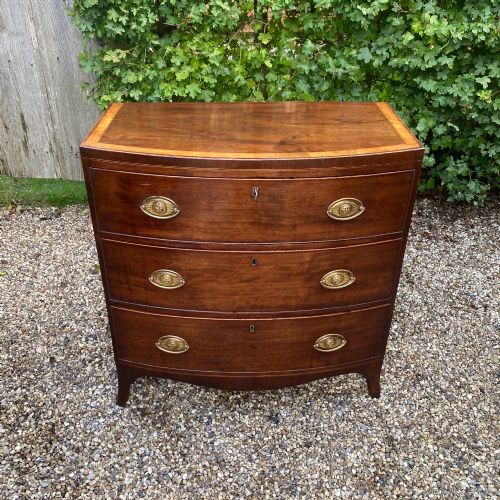
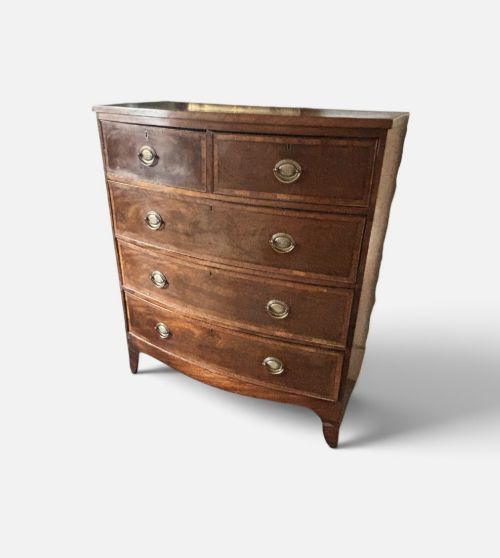
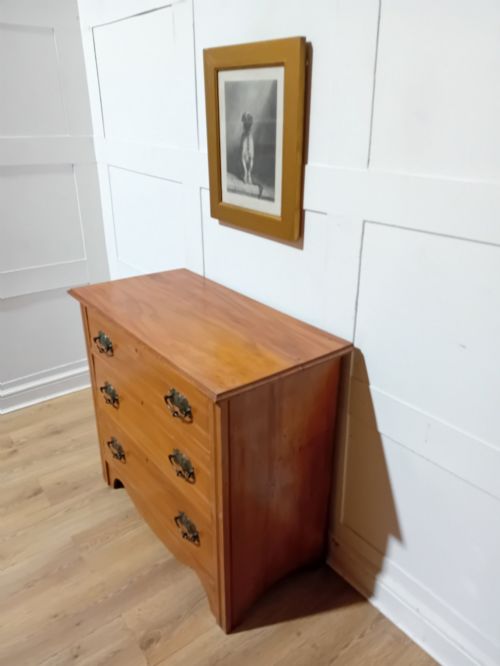
When you search for an antique satinwood tallboy, you encounter vertical storage furniture built from pale exotic hardwoods, alongside closely related tall chests, linen presses, and chests on stand. The pieces span from the eighteenth century through the Victorian, Edwardian, and Art Deco periods, drawing on Georgian, Regency, Sheraton Revival, and Arts and Crafts design traditions.
Edwardian examples and pieces from the late nineteenth century form the core of what you are most likely to meet on this page. These versions often pair a tall carcass with delicate stringing or crossbanding, providing considerable drawer space while maintaining a lighter visual footprint than darker timbers.
Materials and construction
Cabinet makers constructed these tall forms using solid timbers and secondary woods such as pine and mahogany, applying satinwood as face veneers or solid boards to achieve a reflective, golden surface. Workshops integrated brass for handles, key escutcheons, and structural fittings, complementing the yellow hue of the wood.
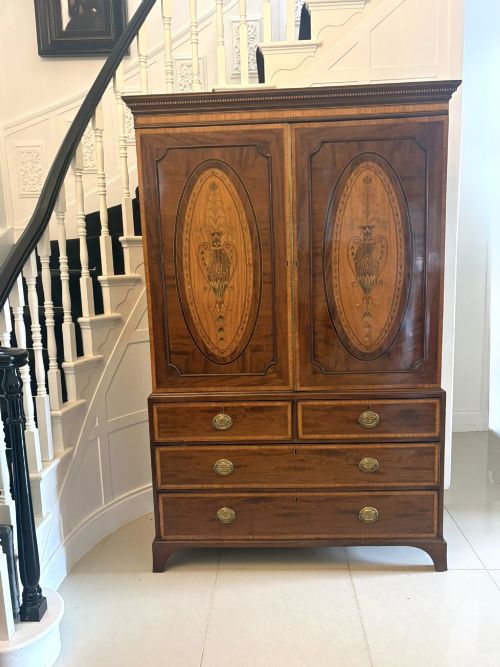
Surfaces frequently display contrasting linear details through satinwood inlay, mahogany banding, and line inlays that frame the drawer fronts and top panels. Carpenters joined structural elements using traditional dovetail joints on drawer construction and sturdy framing to support the height of the piece.
Listings feature tall storage forms spanning Georgian, Victorian, Edwardian, and Art Deco periods, constructed in satinwood, mahogany, satin birch, and pine.
The markers of quality
Superior quality in these tall storage pieces rests on the selection and matching of the timber veneers and the crispness of the inlaid banding. Master cabinet makers chose figured satinwood with strong natural chatoyancy and aligned the grain symmetrically across drawer fronts.
Construction integrity and hardware retention distinguish finer examples from standard production. Original brass handles, smoothly operating drawers with hand-cut dovetails, and retained maker signatures elevate a piece above simpler utilitarian storage.
Harris Lebus of Tottenham·Heal & Son·Heal's·Druce & Co.·Maple & Co.
The Antique Satinwood Tallboy Glossary
- Satinwood
- A dense, lustrous tropical hardwood native to Ceylon and India, known for its pale yellow colour and high natural sheen. It was widely utilised by eighteenth- and nineteenth-century cabinet makers for fine veneer and inlay.
- Tallboy
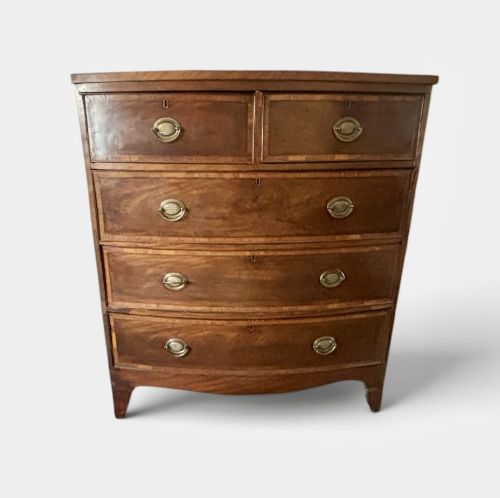
- A traditional tall chest of drawers, often constructed in two sections with a smaller set of drawers sitting atop a wider base. This form maximised vertical storage capacity without demanding additional floor space.
- Crossbanding
- A decorative technique where veneer strips are applied across the grain of the primary wood around the perimeter of a drawer front or tabletop. It creates a contrasting border that frames the central panel.
- Stringing
- Thin, narrow lines of contrasting timber inlaid into shallow grooves on furniture surfaces. This linear detail defines panels, drawer edges, and legs on Sheraton Revival and Georgian pieces.
- Linen Press
- A tall piece of cabinetry featuring upper sliding trays or shelves enclosed by doors, positioned above a base of wider storage drawers. Originally designed to store household linens flat.
Antique Satinwood Tallboy: Frequently Asked Questions
What is an antique satinwood tallboy?
An antique satinwood tallboy is a tall, vertical chest of drawers veneered or built in yellow satinwood, designed to offer maximum storage within a compact floor footprint.
These pieces typically date from the Georgian era through the Edwardian period, often incorporating contrasting mahogany banding and delicate inlaid details.
How were linen presses used?
Linen presses served households as dedicated storage for freshly laundered table linens, sheets, and garments before the widespread use of fitted wardrobes.
The upper cabinet held sliding trays to keep textiles flat and crease-free, while the lower drawers accommodated bulkier items.
How do I care for satinwood furniture?
Satinwood requires stable indoor humidity and protection from direct sunlight to prevent the pale timber from darkening or the veneer from lifting.
Application of microcrystalline wax helps preserve the natural sheen without building up heavy residues on the polished surface.
How can I tell Edwardian pieces apart?
Edwardian tall chests often feature lighter construction, machine-assisted dovetailing alongside hand finishing, and Sheraton Revival neoclassical motifs.
They frequently employ satinwood inlay on mahogany or satin walnut carcases, reflecting the lighter aesthetic of the early twentieth century.