


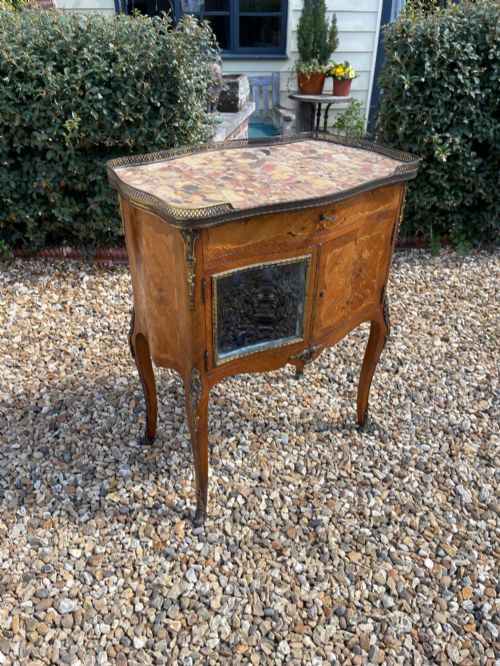


Late Victorian Commode
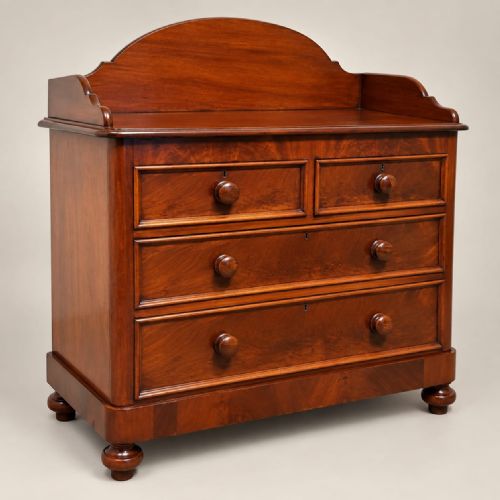
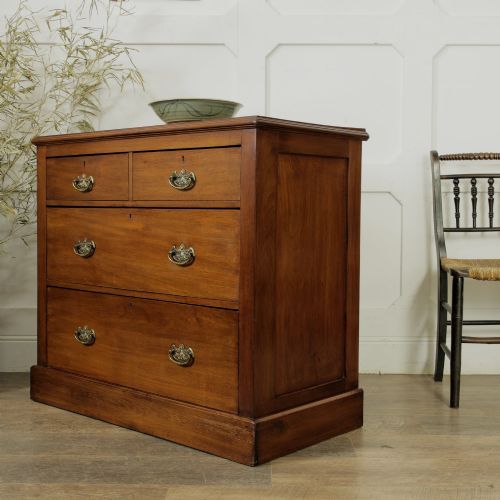
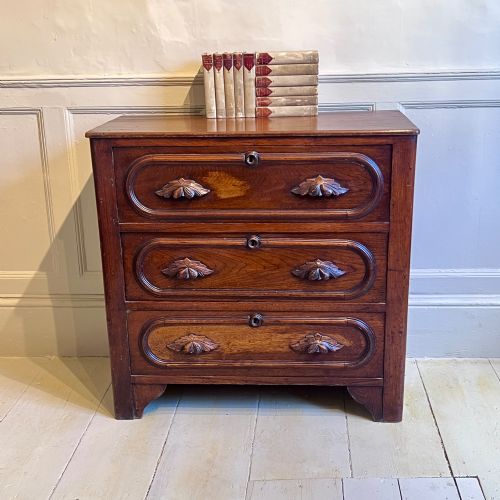
A late victorian commode brings substantial presence and functional storage, crafted in rich mahogany, walnut, and satinwood during the late nineteenth century.
Late Victorian Commode
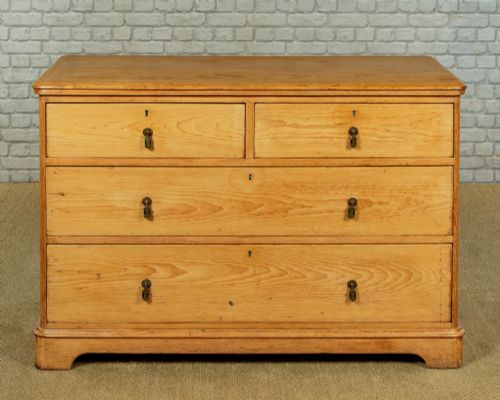
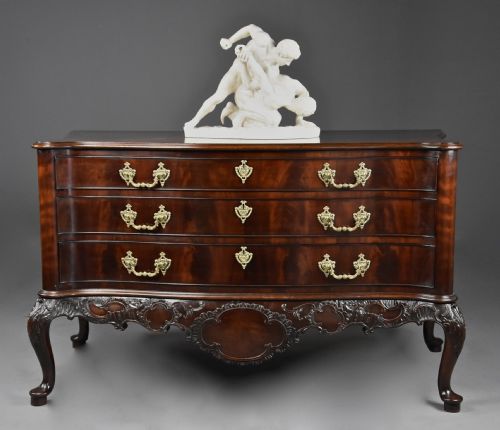
A late victorian commode typically takes the form of a sturdy chest of drawers or a serpentine side cabinet designed for domestic utility. These pieces emerged across the late nineteenth century, spanning various revivalist movements from Sheraton and Hepplewhite to Chippendale and the Aesthetic Period.
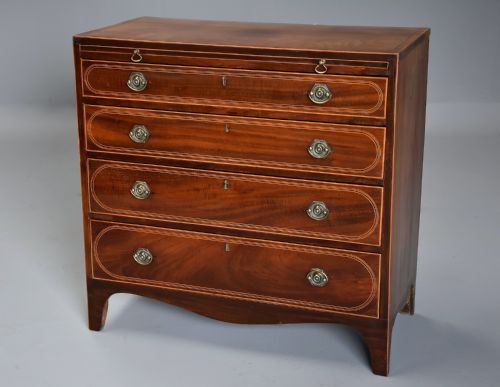
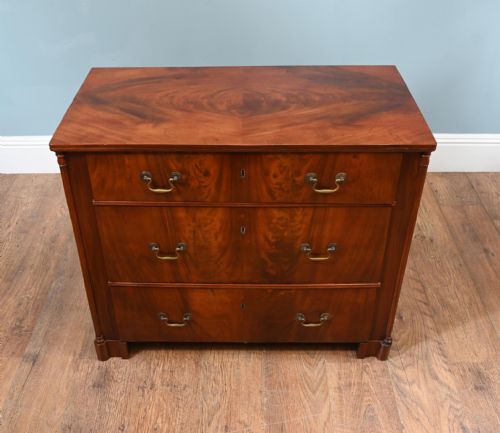
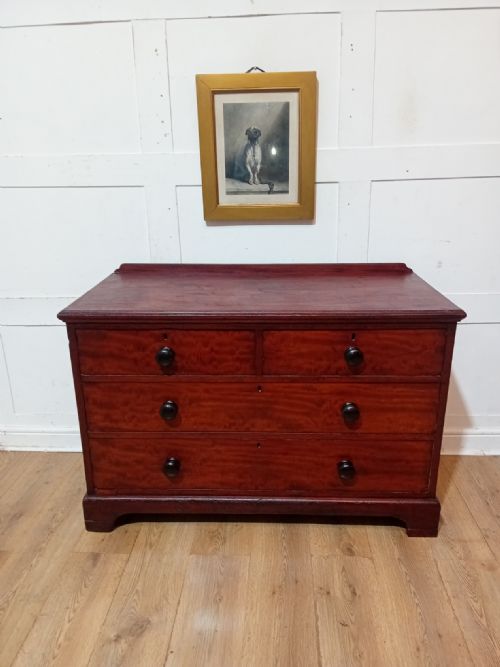
Buyers encountering this selection will most frequently find mahogany, walnut, and pine carcases, often elevated by flame mahogany veneers or intricate satinwood inlay. The proportions range from large serpentine frontages down to compact three-drawer configurations suited for bedroom or parlour placement.
How they were made
Cabinet makers of the period constructed the primary carcases using solid timbers such as mahogany, oak, walnut, and pitch pine. Drawer linings and secondary woods demonstrate traditional dovetail joinery suited to daily service.
Surface decoration relied on flame mahogany veneer, satinwood inlay, and occasional painted details. Brass handles and escutcheons provided the functional hardware finish.
The listings demonstrate a strong presence of mahogany and satinwood, alongside walnut, pine, and oak across various revival styles.
What varies in quality
The degree of refinement in timber selection separates standard utilitarian pieces from more ambitious cabinet work. Matched flame veneers and precise satinwood inlay indicate greater workshop skill.
The complexity of the carcase shape influences the overall standard, moving from straight-fronted chests to serpentine and bow-fronted commodes requiring advanced timber bending and fitting.
Druce & Co·Edwards & Roberts
The Late Victorian Commode Glossary
- Serpentine
- A curved furniture front featuring a convex centre flanked by concave curves. This contour requires specialised woodworking skill.
- Satinwood
- A pale, lustrous timber native to India and Ceylon, frequently utilised for banding, inlay, and decorative veneers during the revival periods.
- Commode
- A low cabinet or chest of drawers designed for domestic storage. In late nineteenth-century usage, the term often describes decorative chests with serpentine or bowed fronts.
- Dovetail
- A traditional interlocking joint used in drawer construction. Hand-cut variations indicate earlier or more meticulous workshop practices.
- Flame mahogany veneer
- Thin slices of mahogany cut from timber fork junctions to produce a fiery, rippling grain pattern. Makers applied these to primary drawer fronts for visual impact.
Late Victorian Commode: Frequently Asked Questions
What is a late victorian commode?
A late victorian commode is a substantial storage chest or cabinet produced during the closing decades of the nineteenth century. These items encompass serpentine chests, bow-fronted drawers, and inlaid side cabinets reflecting various historical revival styles.
They serve primarily as functional bedroom or living space furniture while providing decorative focal points through figured wood veneers and detailed inlay work.
How do I identify a revival style?
Revival styles draw inspiration from earlier eighteenth-century designs such as Sheraton, Hepplewhite, and Chippendale. Cabinet makers of the late nineteenth century reinterpreted these classical proportions using contemporary timber preparation and joining techniques.
Examination of the secondary woods, internal construction methods, and hardware fixings helps distinguish these nineteenth-century interpretations from original Georgian pieces.
Where should I place a commode?
These pieces suit bedrooms, hallways, or living rooms where both surface display area and enclosed drawer storage prove useful. Serpentine and bow-fronted examples require adequate floor space to showcase their curved profiles without obstruction.
Placing wooden furniture away from direct heat sources and strong sunlight preserves the polished finishes and prevents timber movement over time.
What woods were commonly used?
Mahogany and walnut form the backbone of many pieces in this category, often enhanced by flame mahogany veneers. Satinwood and various inlaid borders provided contrast and decorative detail.
Utility pieces relied on pine, pitch pine, oak, and ash for sturdy carcase construction and internal drawer components designed for everyday household use.