


Georgian Period Dressers
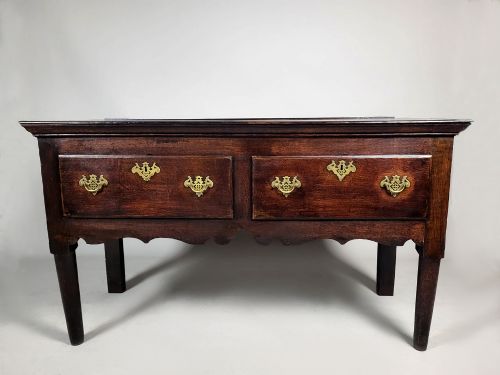
Georgian period dressers and related case furniture offer robust storage and timeless craftsmanship built in oak, mahogany, and walnut.
Georgian Period Dressers
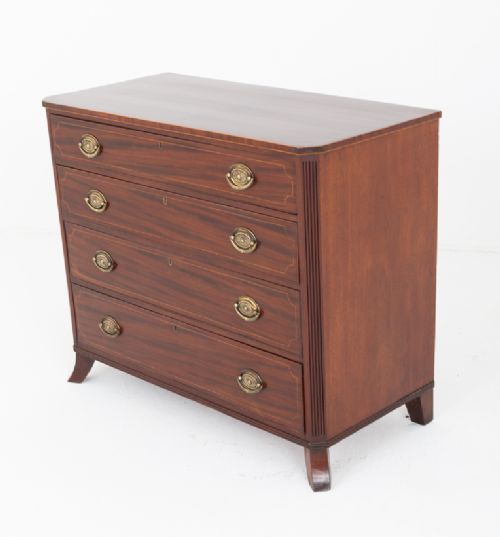
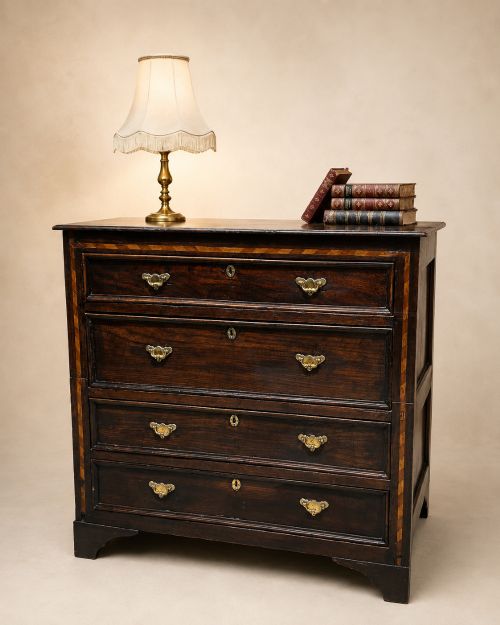
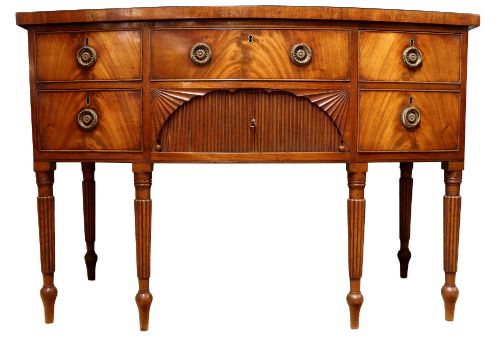
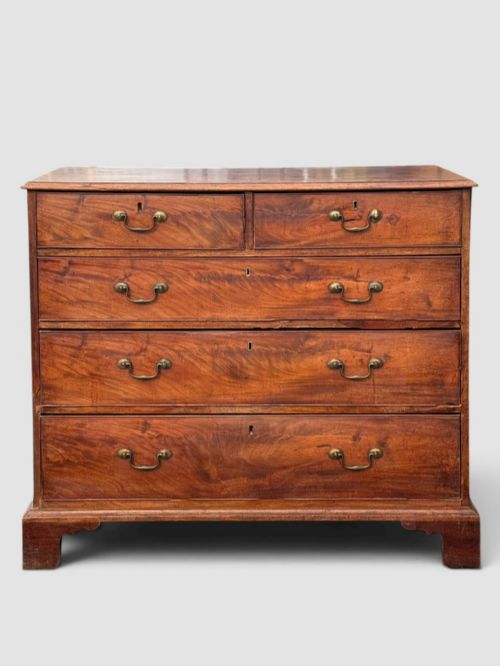
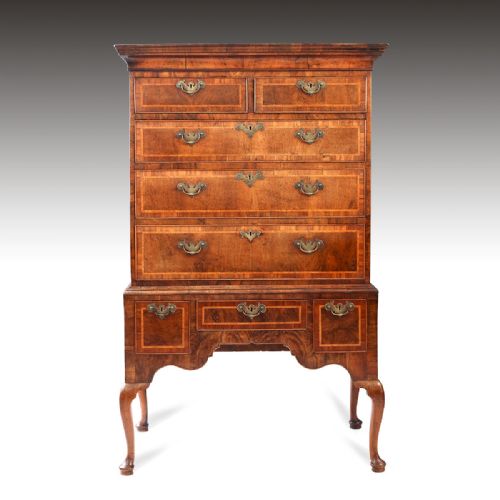
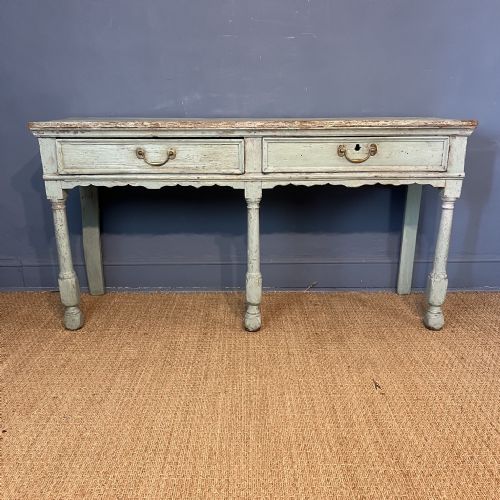
When you search for georgian period dressers, you encounter a varied selection of antique case furniture spanning the eighteenth and early nineteenth centuries. The listings encompass substantial oak dresser bases alongside related forms such as mahogany chests of drawers, sideboards, and occasional cabinets.
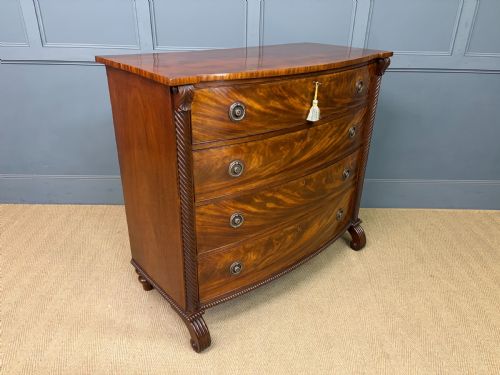
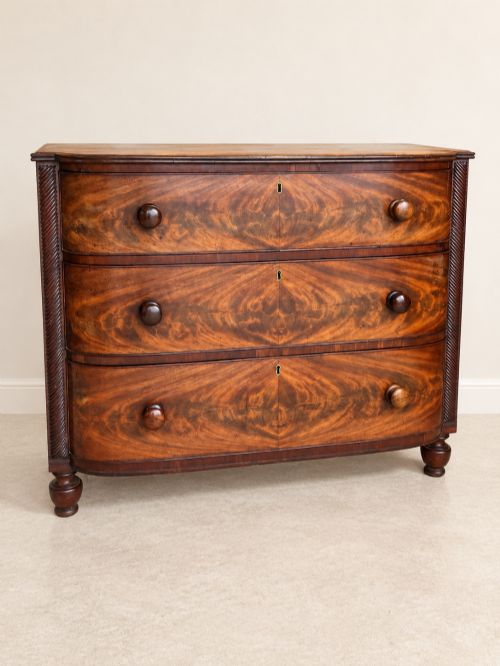
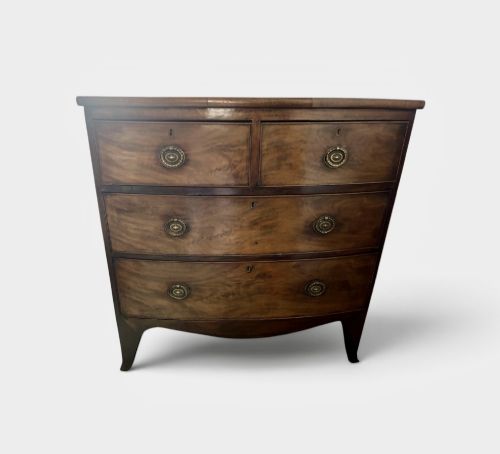
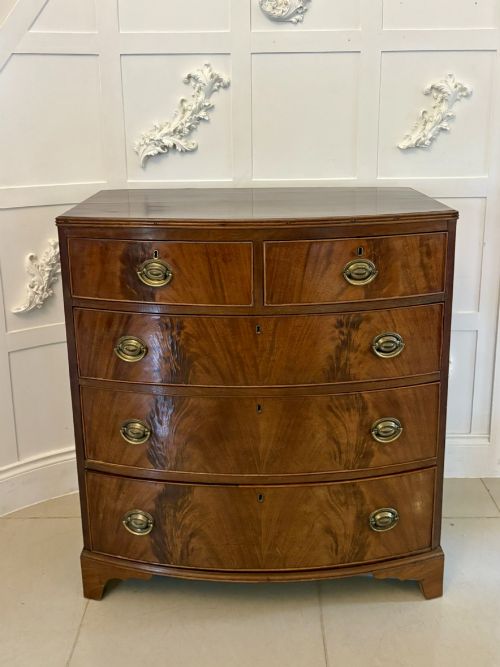
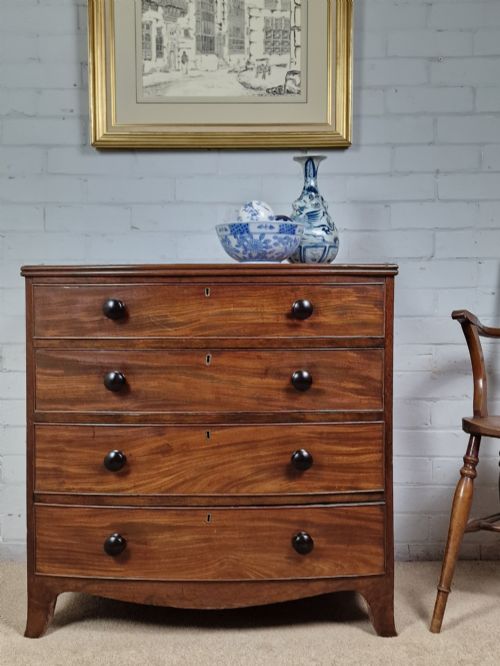
The pieces you are most likely to meet combine practical storage with the distinct design characteristics of the Georgian, George III, and Regency eras. Many examples feature bow fronts, brass hardware, and figured wood veneers.
Origins stretch from early eighteenth-century oak designs to refined Sheraton period satinwood cabinets and faux bamboo Regency pieces. This variety reflects the evolving domestic needs and decorative tastes of British households over successive reigns.
Materials and construction
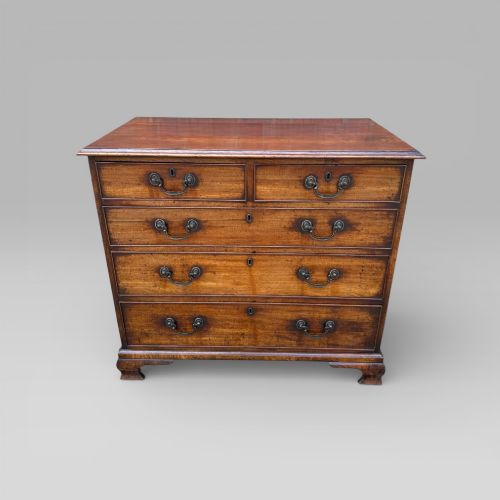
Cabinet makers utilised a selection of native and imported timbers, pairing sturdy structural oak and pine with decorative surfaces of mahogany, walnut, flame mahogany veneer, and satinwood. Iron and brass hardware, including drop handles and key escutcheons, complete the construction.
Surface ornamentation relied on natural grain patterns, geometric mouldings, and subtle inlay work rather than heavy carving. Timbers were selected for figured movement and rich patination, then assembled using traditional joinery methods suited to daily domestic use.
Periods represented stretch from the seventeenth century through the Georgian and Regency eras into the early twentieth century.
Distinctions in standard
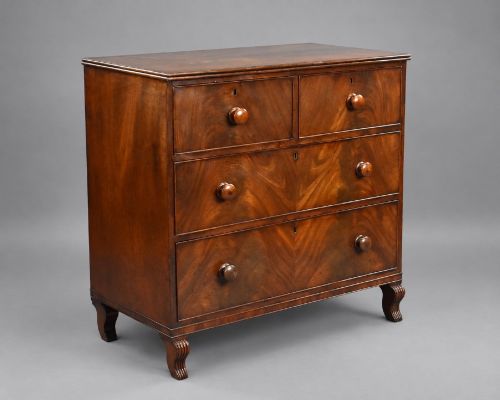
Quality in these items rests upon the selection of timber figures, the crispness of mouldings, and the integrity of the original construction. Pieces fashioned from finely figured flame mahogany or richly patinated oak display a superior visual depth.
The refinement of secondary details, such as hand-cut dovetail joints, matching brass hardware, and intact backboards, separates standard utility items from exceptional examples of cabinet making.
J Moorcroft
The Georgian Period Dressers Glossary
- Bow front
- A convex curved cabinet front that projects outwards in a smooth arc. This profile gained popularity during the late eighteenth century.
- Dresser base
- The lower section of a traditional kitchen or dining room storage unit featuring drawers and cupboards. These items often stand on short legs or potboards.
- Flame mahogany
- Timber cut from the branch forks of the mahogany tree to produce a flickering, highly figured grain pattern. It was frequently utilised on drawer fronts for decorative impact.
- Satinwood
- A durable, yellowish timber prized for its smooth sheen and fine texture. It was often employed for inlaid cabinet work during the Sheraton period.
Georgian Period Dressers: Frequently Asked Questions
What is a dresser base?
A dresser base is the lower portion of a traditional kitchen or dining room storage unit built with drawers and cupboards.
These sturdy pieces provided essential storage for household provisions and tableware before fitted kitchens became common.
How do I identify a George III piece?
George III items typically date from the mid to late eighteenth century and often feature mahogany construction or figured veneers.
Look for refined proportions, brass drop handles, and classical design influences associated with cabinet makers of that reign.
Where were these pieces used?
Georgian case furniture served functional roles across various rooms, from bedroom storage chests to dining room sideboards and hallway pieces.
Their robust construction made them suitable for daily domestic administration and clothing storage.
How do I care for antique wood?
Maintain antique timber surfaces by keeping them away from direct heat sources and sudden humidity changes.
Apply traditional beeswax occasionally to nourish the grain and preserve the natural patination built up over centuries.