




Antique Satinwood Chiffonier
An antique satinwood chiffonier brings pale figured timber and practical enclosed storage to a room, offering both surface display and refined cabinetwork.
Antique Satinwood Chiffonier
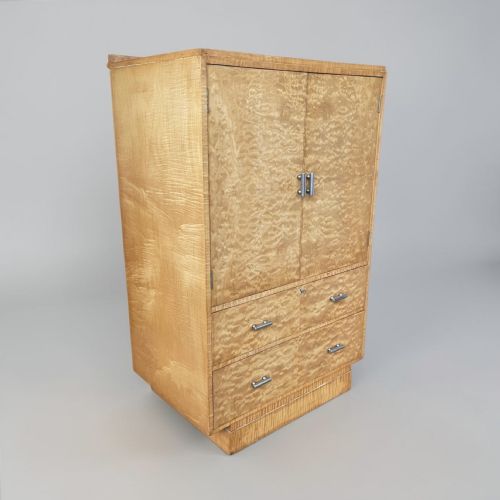
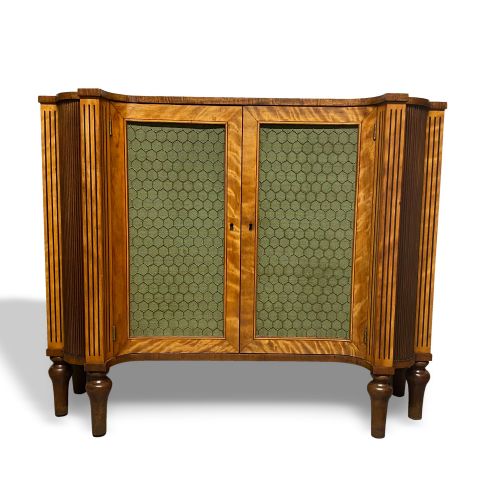
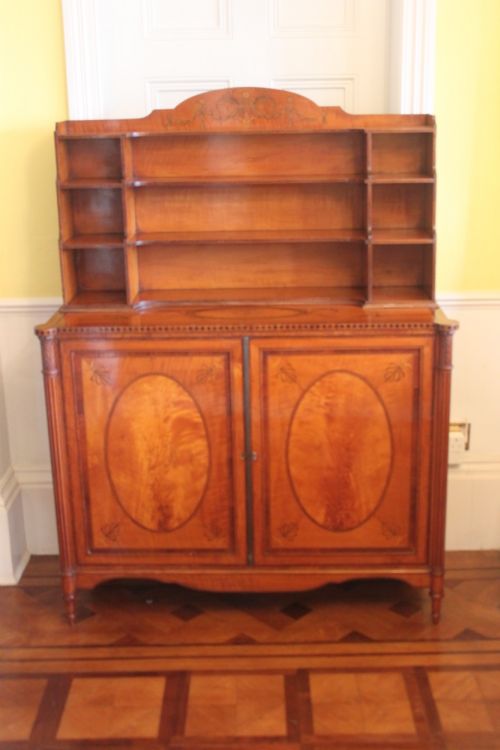
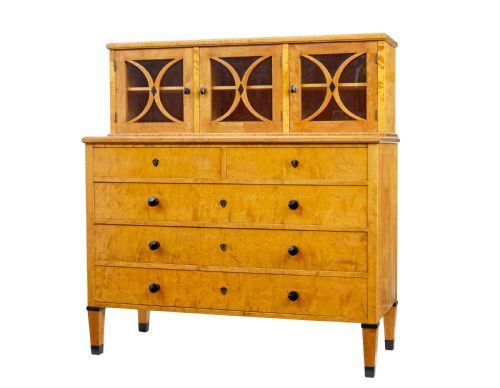
When you search for an antique satinwood chiffonier, you encounter low timber cabinets designed for storage and display, originating from periods spanning the Georgian era through to the Edwardian decades. These pieces function as sideboards, low presses, and credenzas, frequently incorporating glass doors, mirrored panels, or open shelving above the main cupboard base.
The examples recorded here encompass William IV, Regency, and Art Deco iterations alongside traditional 18th Century and 19th Century forms. You are most likely to meet satinwood combined with mahogany, rosewood, or brass details, reflecting styles from Sheraton and Neoclassical to Anglo-Indian and Victorian designs.
Factors that distinguish quality
Quality rests upon the selection and matching of the satinwood veneer, where intricate grain patterns and careful book-matching elevate a piece far above plain timber surfaces. Finely executed painted decoration or delicate inlay work indicates skilled craftsmanship originating from notable workshops rather than standard commercial production.
Structural integrity, the retention of original brass elements such as gilt grills, and the crispness of mouldings separate superior examples from simpler utilitarian cupboards. The depth of colour achieved in the polishing process also dictates visual appeal, as aged satinwood develops a warm, golden luminescence.
Listings feature satinwood combined with mahogany, rosewood, and birch across the 18th Century, 19th Century, and Edwardian periods.
Gillows·Ince & Mayhew·Edwards & Roberts·Lamb of Manchester
The Antique Satinwood Chiffonier Glossary
- Satinwood
- A hard, durable timber prized for its lustrous, golden-yellow appearance and smooth grain. It was frequently used as a veneer on high-status 18th and 19th century furniture.
- Chiffonier
- A low sideboard or cabinet, typically featuring a combination of drawers, cupboards, and sometimes a raised shelf or mirror back. It evolved during the Regency period into a staple dining and drawing room piece.
- Inlay
- A decorative technique where contrasting materials such as lighter woods, brass, or shell are set into recesses flush with the surface of the primary wood. This method defines many Sheraton and Georgian pieces.
- Breakfront
- A piece of furniture whose central section projects forward from the flanking sides. This architectural arrangement creates depth and shadow on cabinets and sideboards.
- Secretaire
- A cabinet or desk incorporating a pull-down writing flap that conceals small drawers and pigeonholes. It merges the utility of a writing desk with the enclosed storage of a cupboard.
Antique Satinwood Chiffonier: Frequently Asked Questions
How were chiffoniers used originally?
These cabinets served primarily in dining rooms and drawing rooms for storing table linen, silver, and china, while the top surface provided space for serving food or displaying decorative objects.
Over time, their role shifted to living spaces where the inclusion of shelves and glazed doors allowed for the exhibition of books and collectibles.
How do I distinguish Regency from Victorian pieces?
Regency and early 19th-century pieces often display cleaner classical proportions, sometimes with Neoclassical or Egyptian revival motifs and fine brass inlay.
Later Victorian and Edwardian examples tend to embrace heavier proportions, richer mixed timbers like rosewood and mahogany, or more elaborate painted decorations.
Is satinwood a solid timber or a veneer?
Cabinetmakers predominantly used satinwood as a fine veneer applied over a sturdier secondary wood such as mahogany or pine to prevent warping and control costs.
Solid satinwood construction does occur, particularly in regional or Anglo-Indian pieces, but remains less common than veneered surfaces.
How do I care for satinwood furniture?
Satinwood benefits from placement away from direct sunlight and heat sources to prevent the pale timber from darkening excessively or the veneer from drying out.
Routine maintenance requires only gentle dusting with a dry, soft cloth, avoiding modern silicone sprays that can damage the antique polish.