


Antique Salt Pepper Caster
An antique salt pepper caster brings refined proportion and functional elegance to the dining table through diverse historical forms.
Antique Salt Pepper Caster
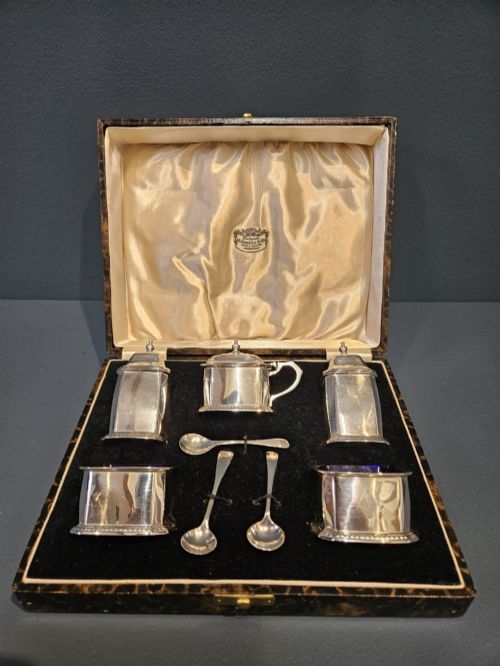
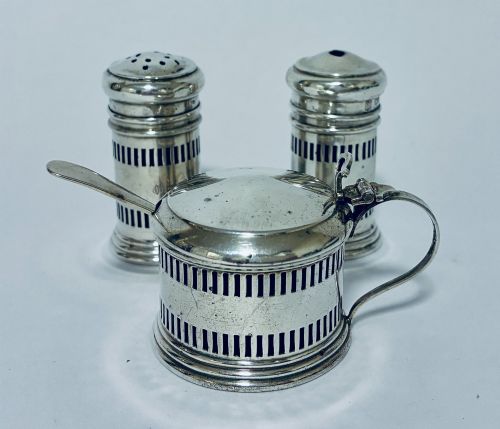
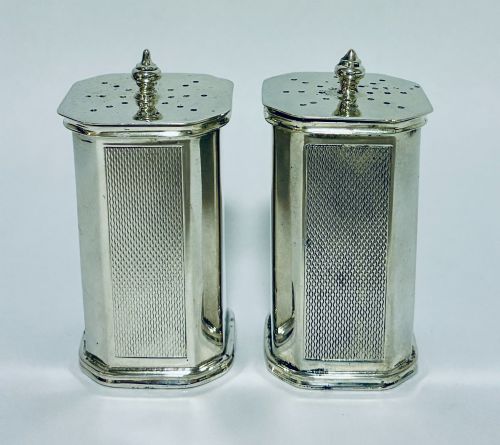
An antique salt pepper caster comprises individual shakers, mustard pots and multi-bottle cruet frames designed for condiment service at the dining table. The selection spans single novelty animal figures alongside larger multi-piece silver and cut glass table sets.
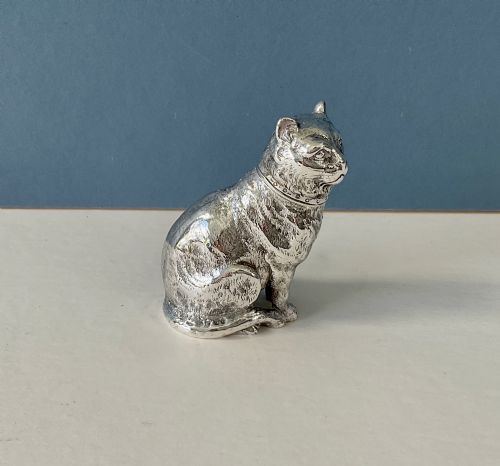
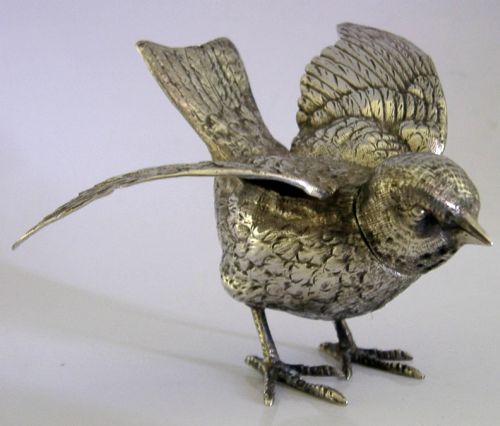
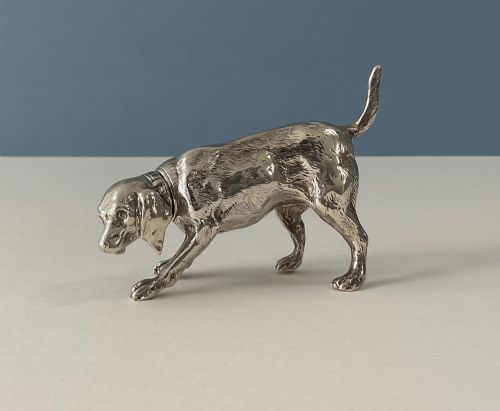
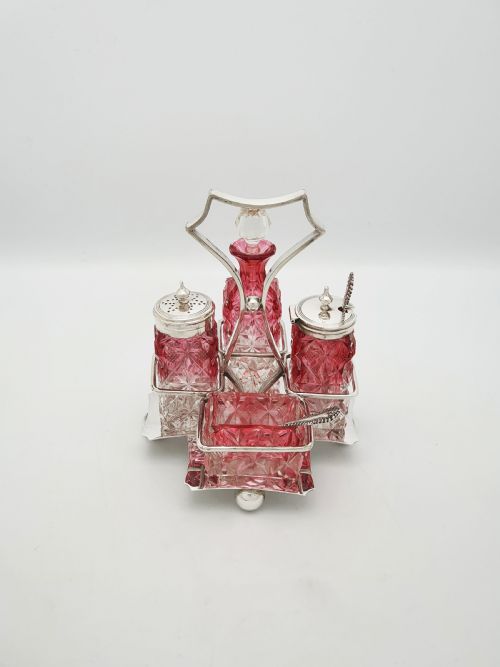
The objects appear in forms ranging from straightforward Georgian casters and Edwardian salt tubs to elaborate Victorian novelty pieces shaped like owls, cats, chicks and dogs. Multi-bottle cruet sets house several matched glass containers within silver or silver plated frames.
Originating across the nineteenth and early twentieth centuries, these items reflect the shifting dining habits of the Victorian, Edwardian and Art Deco periods. Buyers frequently encounter silver plated frames fitted with cut glass bottles or solid sterling silver individual shakers.
What Varies In Quality
Completeness alters the character of multi-bottle cruet sets, distinguishing matched original glass bottles from later replacements. The clarity of cut glass fluting and the precision of fitted silver lids that secure tightly onto their respective containers indicate superior craftsmanship.
Victorian diners enjoyed shaking seasoning from miniature owls, dogs, and Mr Punch's faithful hound Toby.
Goldsmith & Silversmith's·Walker & Hall·Thomas Johnson·Wilmot Manufacturing Co·Berthold Muller
The Antique Salt Pepper Caster Glossary
- Cruet set
- A matched collection of glass bottles or ceramic containers held within a metal frame for dispensing condiments at the table. These frames often include dedicated compartments for salt, pepper, mustard and oil.
- Pepperette
- A small container specifically designed for holding and sprinkling ground pepper onto food. They frequently feature perforated screw-on or push-fit lids.
- Cranberry flashed glass
- Glassware featuring a thin outer layer of deep red glass fused to a clear or contrasting inner body before cutting. This technique creates brilliant light refraction when polished.
- Hallmark
- An official stamp applied by an assay office indicating the purity of precious metal, the maker, and the year of production. British silver bears distinct symbols for cities like London and Birmingham.
Antique Salt Pepper Caster: Frequently Asked Questions
How do I clean tarnished silver cruet sets?
Use a soft microfiber cloth and a mild, non-abrasive silver polish formulated specifically for antique metalware. Avoid harsh chemical dips that strip away delicate patinas and damage fitted glass components.
Take care around pierced decorative sections and hallmarked areas to preserve the stamped maker marks and crisp detailing on figural pieces.
Can I use these antique shakers daily?
Many solid silver and plated cruet pieces remain sturdy enough for regular dining use if handled with reasonable care. Modern fine salt and pepper can be placed inside without harming the interior metal.
Ensure that glass bottles and shakers are thoroughly dried after washing to prevent moisture accumulation near silver collars or fitted lids.
What defines a novelty pepper pot?
Novelty pepper pots take the sculptural form of animals, birds, humans or objects rather than traditional cylindrical shapes. Examples include owls, dogs, cats and figural characters created by Victorian and Edwardian silversmiths.
The functional shaker lid is usually concealed within the head or base of the figure without disrupting the sculptural design.
How do I identify the date of a cruet?
Examine the metal components for official silver hallmarks which include date letters corresponding to specific assay office records. Stylistic cues such as geometric Art Deco lines or ornate Victorian engraving also point to particular eras.
Look for accompanying maker marks stamped onto the base of frames, bottle collars, or individual pepperette bodies.