

Antique Rustic Carver Chair
An antique rustic carver chair brings tactile warmth and vernacular character to a room, offering sturdy arms and a comfortable seat shaped by generations of domestic use.
Antique Rustic Carver Chair
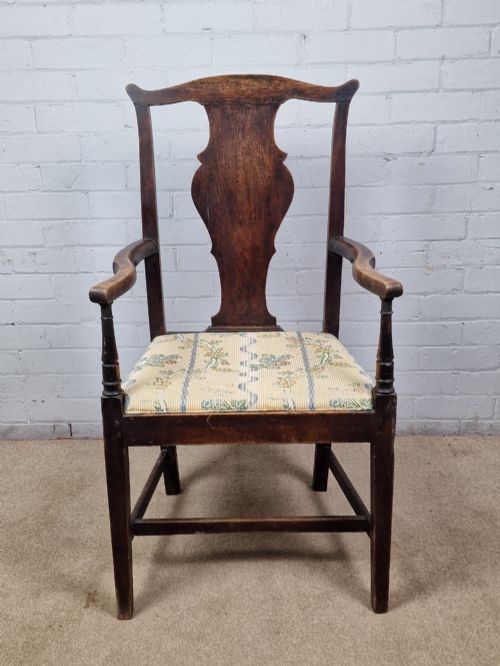
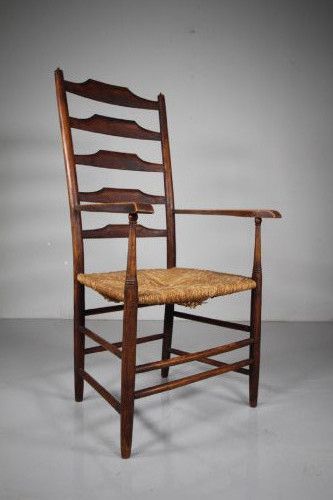
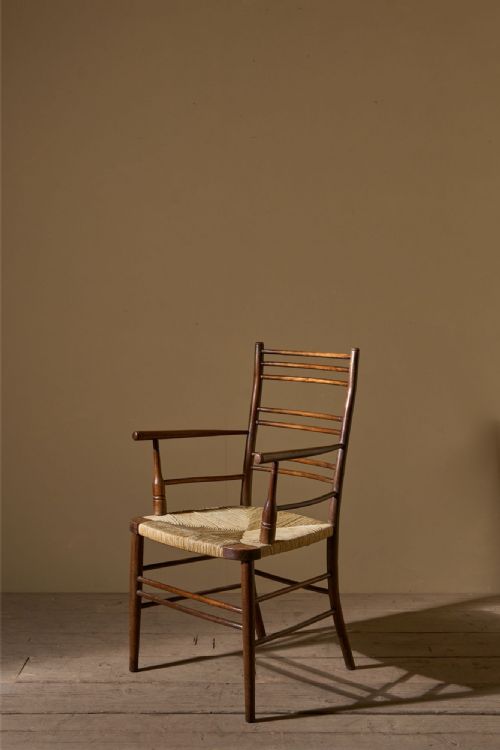
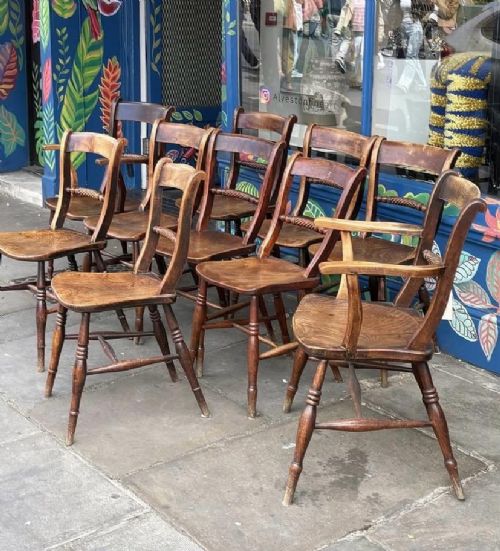
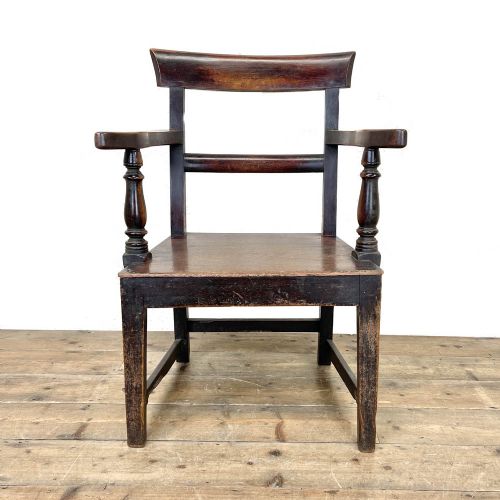
An antique rustic carver chair is a substantial seating option designed with integrated armrests, rooted in domestic vernacular traditions rather than formal courtly workshops. These pieces frequently emerge from the eighteenth and nineteenth centuries, spanning Georgian, Victorian, and Arts and Crafts movements.
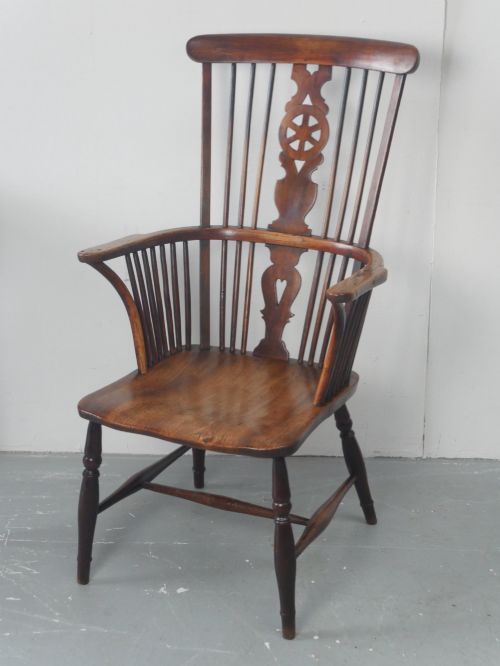
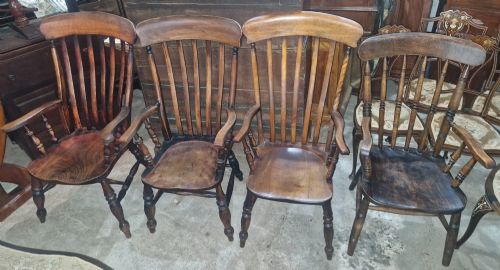
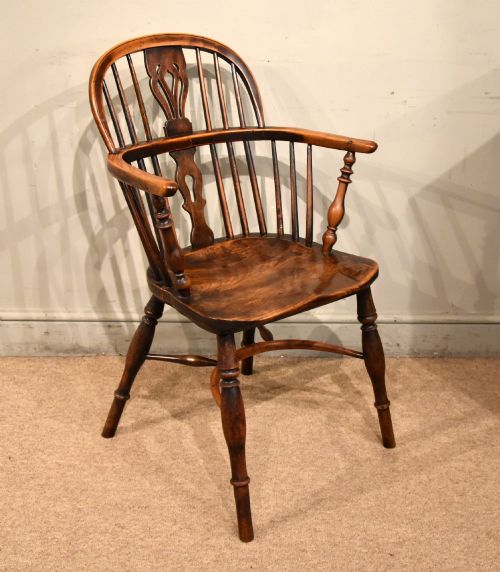
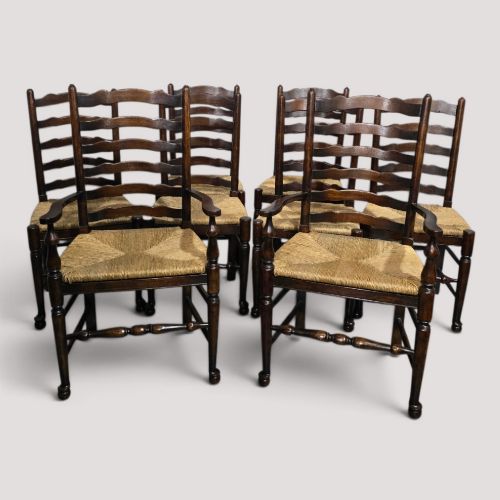
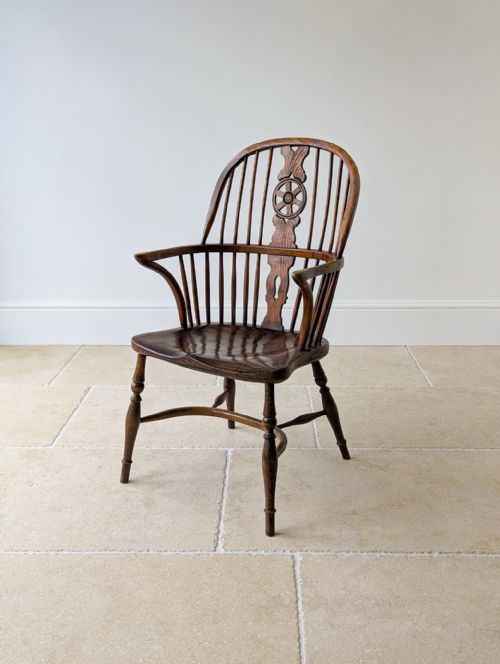
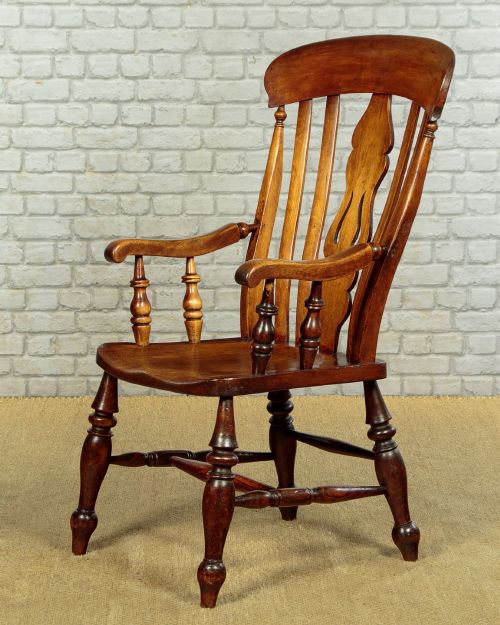
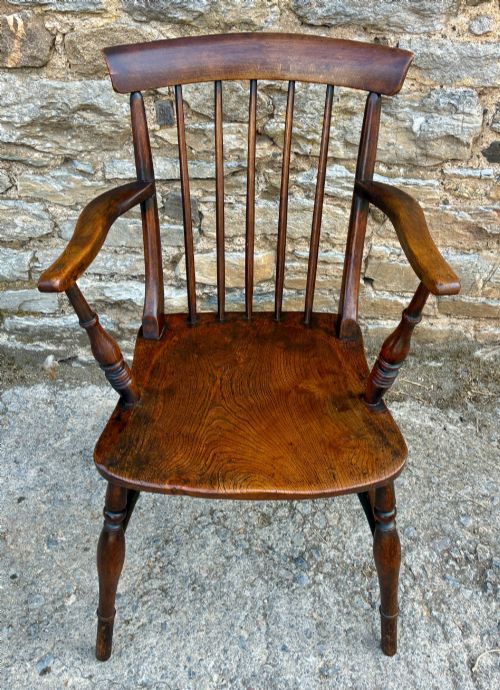
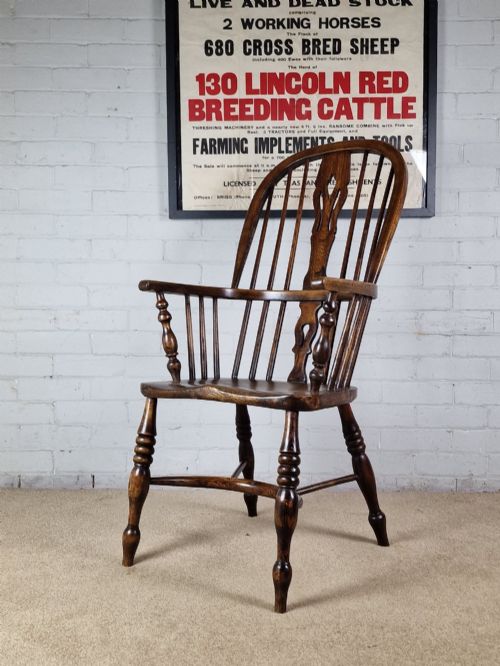
The most common forms encountered on this page are Windsor armchairs and ladder-backed dining carvers. They appear in regional variants such as Lincolnshire and Nottinghamshire patterns, often pairing a shaped elm seat with ash or beech spindles and legs.
Makers utilised native British timbers to construct these chairs for farmhouse kitchens, country houses, and cottages. They stand out through their honest construction methods, where structural components remain visible and functional.
Materials and construction methods
Makers built these chairs using mixed native timbers, typically combining an elm saddle seat with ash for bent bow backs and beech or fruitwood for turned legs. This multi-wood construction exploited the specific mechanical properties of each tree, such as the split-resistance of elm and the elasticity of ash.
Traditional bodgers and country joiners shaped components using drawknives and pole lathes before assembling them with wedged tenon joints. Seats were deeply saddled using adzes and scorps to create an ergonomic hollow for the sitter.
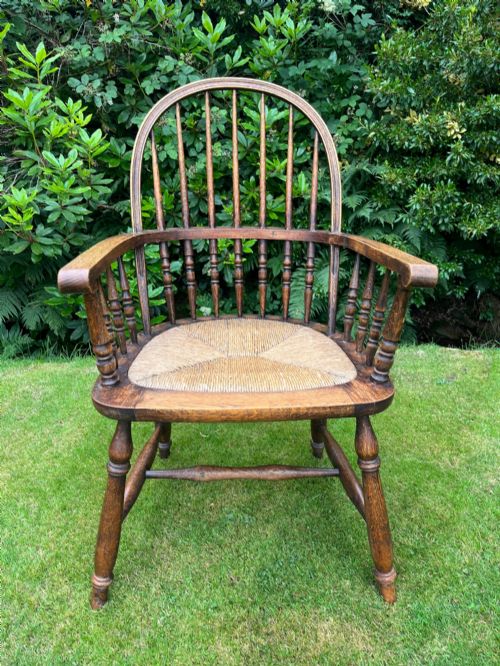
Rush and cane seating frequently supplemented solid wood seats, woven tightly over wooden frames in ladder-backed or spindle-backed variants. Surface finishes generally relied on simple wax or centuries of applied oils that built a deep patina.
Listings demonstrate materials spanning elm, ash, oak, beech, rush, yew, and fruitwood across the eighteenth and nineteenth centuries.
Judging quality and integrity
Quality in an antique rustic carver chair rests upon the harmony of its proportions and the retention of its original surface. Pieces that retain their early patination and undisturbed joinery demonstrate superior survivor status.
The skill of the turner dictates the refinement of the spindles, arm supports, and leg turnings, moving from coarse utility forms to sophisticated regional artistry. A well-balanced hoop back or delicately sculpted comb back indicates higher workshop competency.
Structural integrity depends on minimal timber replacement and the preservation of the wedged joints beneath the seat. Examples that maintain their original seat thickness and unclipped legs represent the upper tier of surviving examples.
Philip Clissett
The Antique Rustic Carver Chair Glossary
- Carver chair
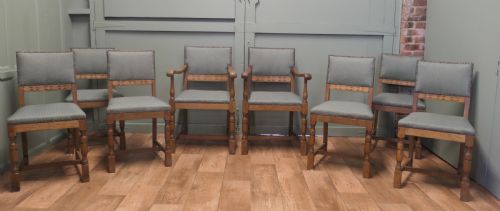
- An armchair, typically designed to match a set of single dining chairs but built with arms for the head of the table.
- Windsor
- A chair constructed with a solid wooden saddle seat into which the legs, back staves, and bow are separately bored and wedged.
- Saddle seat
- A wooden seat base scooped and hollowed by hand to mirror ergonomic contours for sitting comfort.
- Rush seat
- A seating surface woven from dried marsh rushes, wound tightly around a wooden frame to form a supportive grid.
- Stretcher
- A horizontal wooden brace connecting the legs of a chair to improve rigidity and overall structural stability.
Antique Rustic Carver Chair: Frequently Asked Questions
How do I identify a Windsor chair?
A Windsor chair is distinguished by its distinct construction method where the legs and back components are fitted directly into holes bored into a solid wooden seat.
They often feature bowed backrests, steam-bent wooden hoops, and turned spindles. Regional variations across England display unique arm shapes and wheelback motifs.
Where were these chairs used?
These chairs were primarily made for everyday domestic life in farmhouses, country cottages, and vernacular country houses. Their robust construction suited heavy kitchen and dining use.
Over time, they transitioned from utilitarian workspace seating into decorative interior furnishings prized for their honest craftsmanship.
How do I care for rush and wood?
Maintenance involves keeping the timber nourished with occasional applications of bees-wax while protecting rush seats from excessive moisture and direct heat sources.
Gentle dusting preserves the accumulated patina. Avoiding harsh chemical cleaners ensures the historic surface finish remains intact.