




Vintage Woven Rush Chair
A vintage woven rush chair brings tactile warmth and enduring vernacular craft to any room through its natural seating.
Vintage Woven Rush Chair
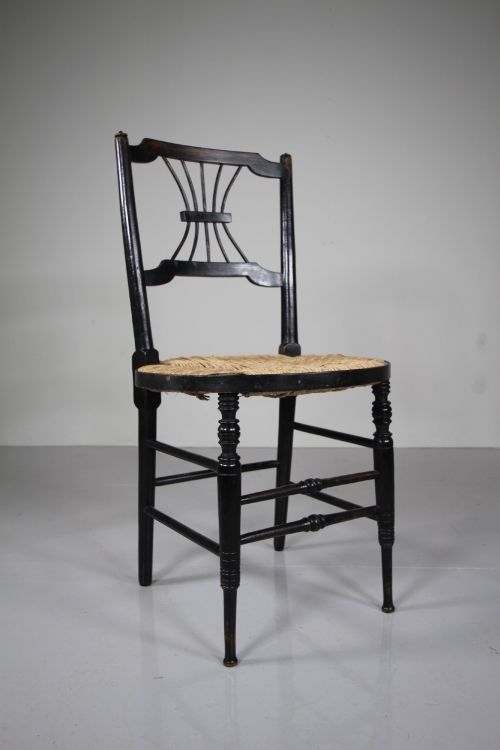
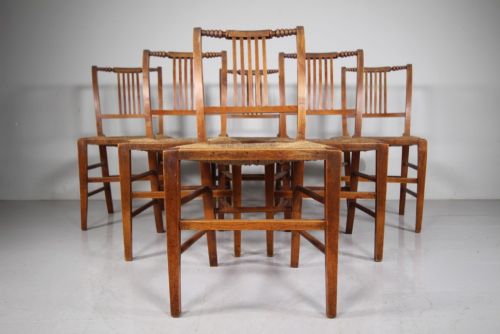
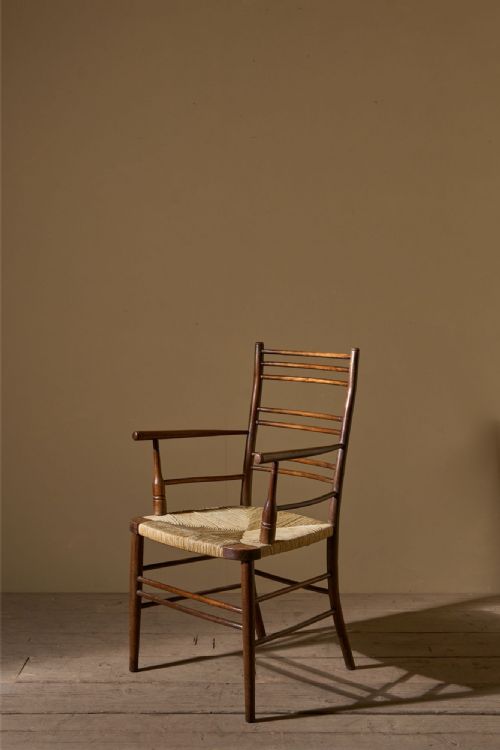
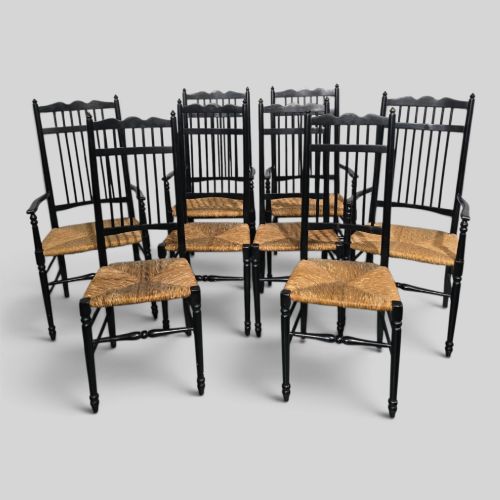
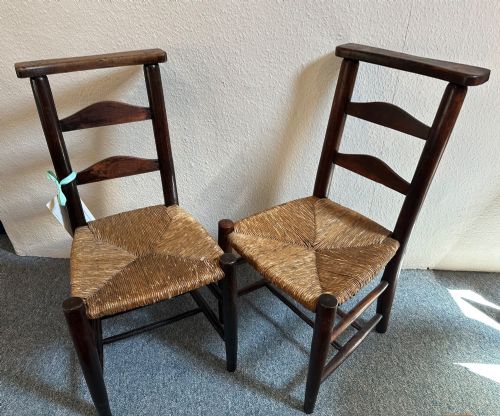
The selection ranges from vernacular ladder-back forms to sophisticated iterations designed by notable makers such as Morris and Co, Liberty and Co, and Heals. These pieces integrate local timbers with hand-woven rush, seagrass, or woven seats.
Simpler country chairs sit alongside architectural examples made for specific locations like St Paul's Cathedral or produced in St Ives studios. Every piece relies on organic seating materials supported by sturdy wooden frames.
Materials and construction methods
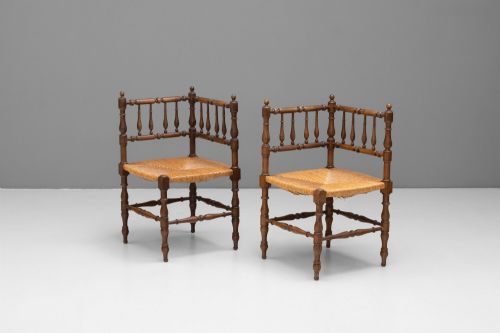
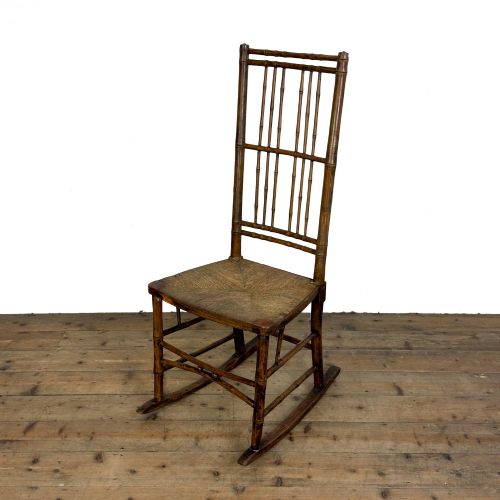
Makers utilised solid hardwoods including oak, elm, beech, fruitwood, mahogany, and teak to construct resilient chair frames. Turned spindles, ladder backs, and faux bamboo turnings provide structural integrity and visual rhythm.
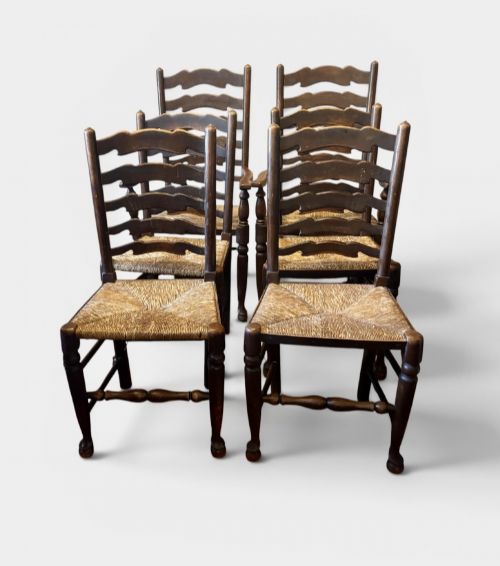
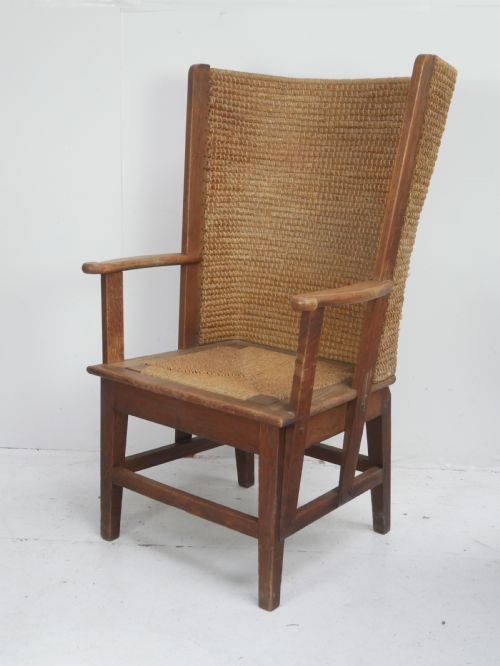
Seats are hand-woven using natural rush or seagrass, wound tightly around timber framing to create a supportive, resilient surface. Surface treatments range from natural waxed wood and ebonised beech to historical painted finishes.
St Paul's Cathedral once ordered rush chairs specifically marked with the cathedral name for institutional seating.
Assessing quality in rush-seated seating
Quality rests upon the tightness and regularity of the rush weaving, alongside the structural soundness of the wooden frame. Tightly twisted marsh grass demonstrates superior craftsmanship compared to loose or deteriorated strands.
The sophistication of the timber turning and the integrity of regional joinery distinguish modest kitchen seating from bespoke Arts and Crafts workshop production.
Morris and Co·Liberty and Co·Heals·Dicon Nance St Ives Studio·Rossetti
The Vintage Woven Rush Chair Glossary
- Rush seat
- A seating surface woven from dried marsh plants twisted into cords. This traditional material yields a flexible and durable platform.
- Ladder back
- A chair back featuring horizontal wooden slats between the upright posts. This regional form provides ergonomic support.
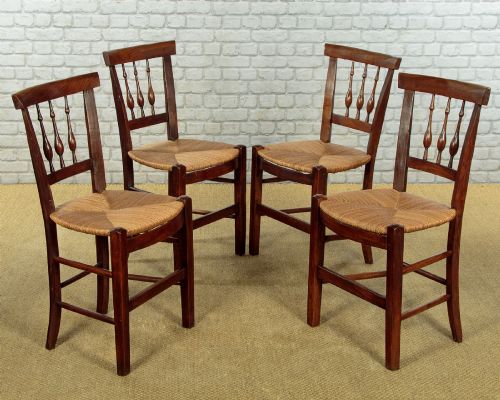
- Spindleback
- A chair design utilising numerous slender turned wooden rods in the backrest. This construction lightens the visual weight of the frame.
- Faux bamboo
- Wood turned and painted to imitate natural bamboo stalks. This decorative technique reflects nineteenth-century aesthetic preferences.
- Vernacular
- Everyday furniture shaped by local building traditions rather than high court styles. These pieces reflect regional materials and utility.
Vintage Woven Rush Chair: Frequently Asked Questions
How do I care for a rush seat?
Keep woven seats clean by brushing them gently to remove dust and maintaining moderate indoor humidity levels to prevent the natural fibres from becoming brittle.
Avoid placing these chairs in direct sunlight or damp environments, which can weaken the dried plant material over time.
Are these chairs comfortable for daily use?
Traditional rush seating yields slightly to the body, offering a surprisingly forgiving surface during prolonged sitting.
Adding loose cushions can increase comfort while preserving the historic woven texture beneath.
How can I date an oak ladder back?
Examine the joinery methods, tool marks on the timber frame, and the wear patterns on the lower rungs where feet rest.
Earlier eighteenth-century examples display hand-turned irregularities, whereas later Arts and Crafts revivals show more uniform machine assistance.
Can damaged rush seats be repaired?
Skilled craftspeople can re-weave damaged sections or entirely replace deteriorated rush using traditional marsh grasses.
Professional re-seating restores structural integrity while maintaining the historic character of the wooden frame.