


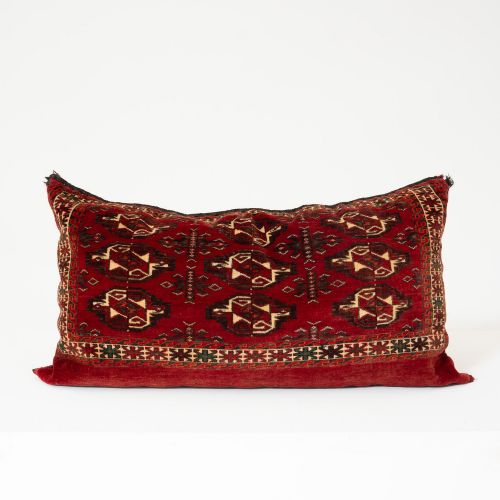
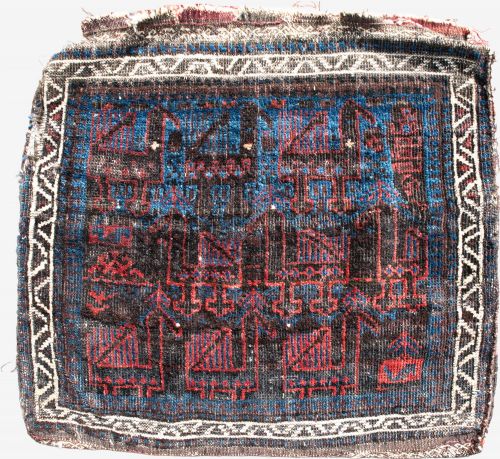


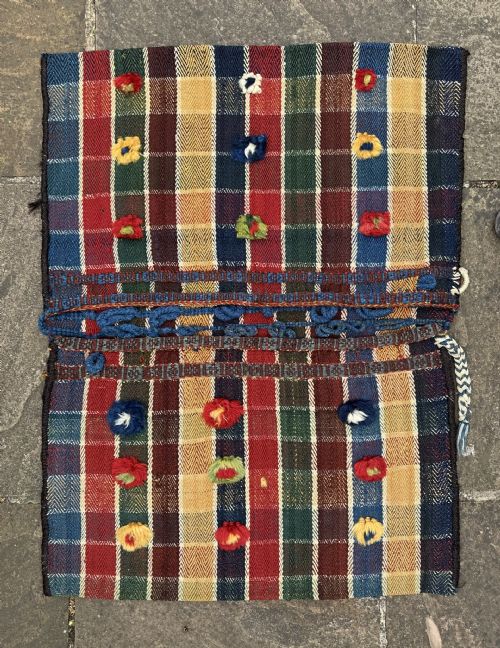

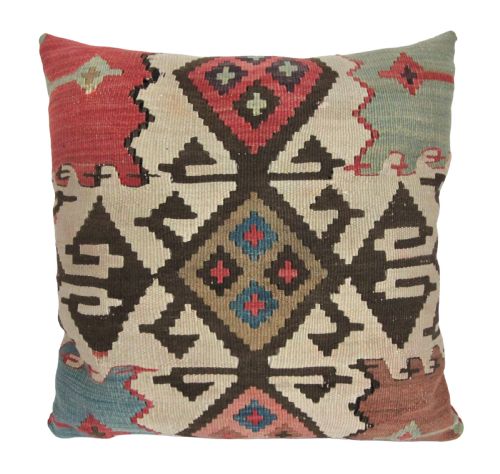

Antique Rug Pillow Cover
An antique rug pillow cover transforms nomadic textiles into practical soft furnishings that ground a room with authentic history.
Antique Rug Pillow Cover
An antique rug pillow cover repurposes historic nomadic weaving into usable home furnishings. When searching for an antique rug pillow cover, buyers encounter cushions tailored from genuine tribal textiles such as saddlebags, storage bags, and kilims.
The material originates mostly from late nineteenth and early twentieth-century tribal groups across Anatolia, Persia, and Central Asia. Makers convert utilitarian objects like torbas, chuvals, and saddlebag faces into cushions, preserving tribal motifs for interior display.
Most examples adapt flatweave kilims or knotted-pile bag fronts into square or rectangular formats. These items bridge traditional ethnography and contemporary domestic comfort, offering tactile connections to nomadic craftsmanship.
How they were made
Weavers constructed these textiles using hand-spun wool and cotton foundations, dyed with natural colorants derived from local plants and minerals. Artisans executed techniques ranging from fine symmetrical knotting to intricate flatweave structures like slit-tapestry.
Makers formed functional containers for nomadic life, employing sturdy materials designed to endure daily migration and harsh handling. Later, handlers adapted these durable bag faces and textiles into cushion formats by adding robust cloth backs.
Antique Rug Pillow Cover Retail Price Guide 2026
Typical asking prices for rug pillow cover among the pieces listed under this phrase on Sellingantiques today, from the lower quarter to the upper quarter. They describe what is for sale here now, not the wider market.
Listings feature pieces originating between eighteen-fifty and nineteen-twenty, utilising hand-spun wool, cotton, and natural dyes.
What varies in quality
Quality rests in the integrity of the tribal weave, the complexity of the traditional design, and the vibrancy of the natural dyes. Superior pieces display precise geometric motifs, dense knotting or tight flatweaving, and harmonious colour palettes that retain their depth.
The condition of the original textile portion dictates the overall standard of the piece. Well-preserved bag faces with intact borders and minimal structural alteration command greater appreciation among collectors than heavily worn fragments.
The Antique Rug Pillow Cover Glossary
- Torba
- A small Turkmen storage bag traditionally used inside a tent. These pieces feature distinctive tribal guls and flatten neatly into decorative cushions.
- Chuval
- A large Turkmen tent bag used for household storage. Their expansive field designs translate effectively into substantial scatter cushions.
- Mafrash
- A rectangular Caucasian or Persian storage bag panel. Handlers often repurpose these flatwoven sides into linear pillow covers.
- Kilim
- A flatweave textile produced without pile by tightly interweaving warp and weft threads. These lightweight fabrics form pliable and smooth cushion covers.
- Gul
- A repeating primary medallion motif found across Turkmen and Central Asian tribal weaving. Each pattern identifies the specific clan or tribe that made the textile.
Antique Rug Pillow Cover: Frequently Asked Questions
What is an antique rug pillow cover?
An antique rug pillow cover is a cushion made by repurposing historic nomadic bags and flatweaves into home decor.
These items use genuine tribal textiles created by weavers in regions like Persia, Anatolia, and Central Asia during the nineteenth and early twentieth centuries.
How do I care for antique wool pillows?
Maintain these textiles by gently vacuuming with a low suction attachment and avoiding direct, harsh sunlight.
Professional specialist cleaning is recommended for antique wool and natural dyes to preserve the integrity of the hand-spun fibres.
Are these covers made from authentic antique rugs?
Yes, the front panels are cut from genuine historic nomadic items such as saddlebags, storage bags, and kilim fragments.
Craftsmen combine these authentic vintage textiles with supportive backing materials to create functional cushions for modern seating.
How do I identify different tribal designs?
Tribal patterns depend on the specific nomadic group, featuring characteristic motifs like Turkmen guls or Anatolian geometric field arrangements.
Studying the palette of natural dyes and the weaving structure helps attribute pieces to groups such as the Baluch, Qashqai, or Yomut.