







Antique Rug Blue Ground
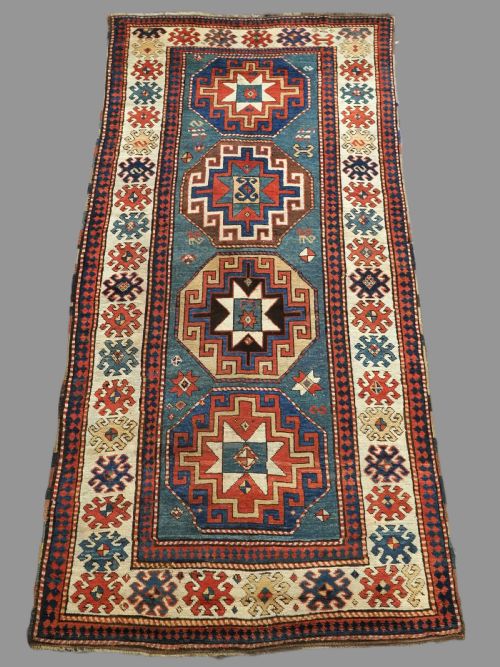
An antique rug blue ground brings deep indigo and soft powder tones beneath traditional Persian, Anatolian and Caucasian motifs.
Antique Rug Blue Ground
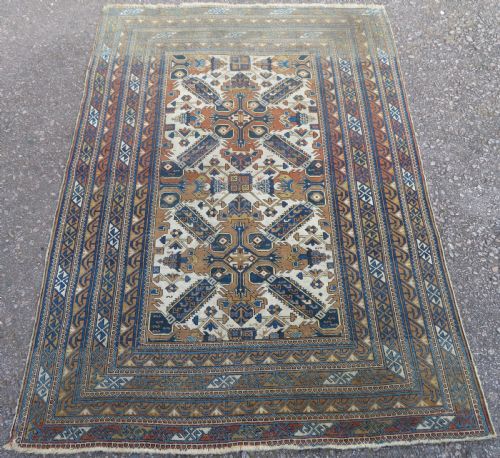
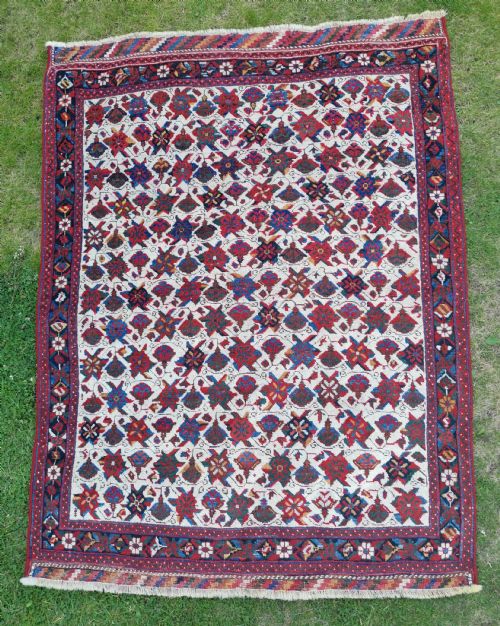
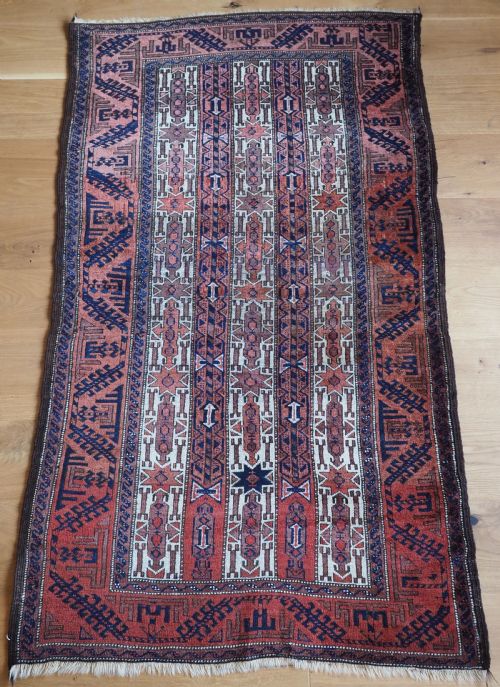
When you search for an antique rug blue ground, you enter a field of woven floor coverings originating from Persia, Turkey, the Caucasus and Central Asia. These textiles range from compact village prayer rugs to room-sized carpets produced across the nineteenth and early twentieth centuries. The blue field serves as a striking backdrop for geometric medallions, floral sprays and tribal symbols.
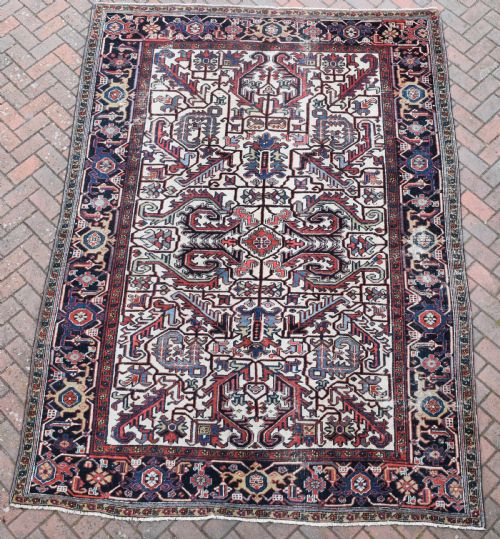
You are most likely to meet pieces representing styles such as Baluch, Timuri, Kazak, Heriz and Mahal. Many examples use indigo or lighter shades of blue to frame intricate borders and central designs. They reflect the weaving traditions of nomadic tribes, village workshops and larger urban looms.
How they were made
Weavers constructed these pieces using wool for the pile and foundation yarns, frequently paired with cotton for warps and wefts. Hand-spun wool took natural dyes effectively, producing the rich blue grounds seen across the inventory. Selected pieces also incorporate silk highlights to accentuate specific motifs.
The construction relies on traditional hand-knotting techniques specific to each region, whether Persian urban workshops or Caucasian and Turkmen tribal encampments. Artisans tied dense piles that secured complex geometric and floral patterns, ensuring longevity. The structural integrity depends on sturdy cotton foundations and tightly packed wool knots.
Antique Rug Blue Ground Retail Price Guide 2026
Typical asking prices for rug blue ground among the pieces listed under this phrase on Sellingantiques today, from the lower quarter to the upper quarter. They describe what is for sale here now, not the wider market.
The listings combine nineteenth-century pieces with early twentieth-century examples, spanning wool and cotton materials across Persian, Anatolian and Caucasian styles.
What varies in quality
The distinction between tiers rests upon the precision of the knotting and the depth of the dye work. Superior examples display highly saturated, complex indigo grounds paired with crisp, well-drawn motifs that show distinct regional characteristics. Finer wool selection contributes to a softer handle and greater resilience against wear.
Design execution and balance also separate standard village weaving from exceptional tribal or workshop output. Purity of colour, achieved through skilled natural dyeing, elevates a piece significantly. The harmony of proportions across the field and borders marks the better examples in this tradition.
The Antique Rug Blue Ground Glossary
- Ground
- The main background colour of the rug field, which in this category is predominantly blue. It surrounds the central medallion or repeat pattern.
- Prayer rug
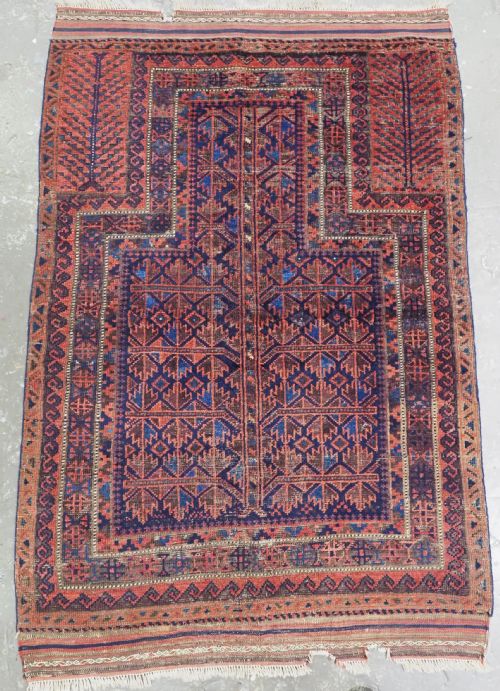
- A small format rug featuring a mihrab or niche design at one end, historically used for daily prayers. Many examples in this group incorporate this specific layout.
- Warp
- The vertical foundation threads running lengthwise through the rug from fringe to fringe. Cotton and wool are the primary materials used for this structural element.
- Weft
- The horizontal threads passed across the warp threads to hold the knots in place. They stabilise the woven structure of the carpet.
- Boteh
- A stylised almond or pear-shaped motif of Persian origin representing a floral sprout or cypress tree. It appears frequently as a repeat pattern across regional weaves.
Antique Rug Blue Ground: Frequently Asked Questions
What is an antique rug blue ground?
An antique rug blue ground is a hand-knotted textile featuring a primary background colour of blue, sourced from nineteenth and early twentieth-century weaving regions including Persia, Anatolia and the Caucasus.
These pieces showcase traditional tribal, village or workshop designs rendered in various shades of indigo, powder blue and mid-blue.
How were these rugs used originally?
Historically, these textiles functioned as floor coverings in homes, tents and civic buildings, providing insulation and decoration. Smaller formats like prayer rugs served specific devotional purposes.
Larger carpets anchored the seating areas of major rooms in urban households and nomadic dwellings alike.
How should I live with an antique rug?
Living with these rugs involves placing them in low-to-moderate traffic zones to preserve the wool pile and natural dyes. Using a quality underlay prevents slipping and reduces friction against hard floors.
Routine gentle vacuuming without a beater bar keeps dust from settling into the foundation threads.
How do I tell regional styles apart?
Regional styles differ through distinct colour palettes, specific medallion geometries and border arrangements. Caucasian pieces lean towards bold geometric polygons, while Persian workshop carpets display curved floral vines.
Tribal weaves from Baluch or Timuri makers often feature darker palettes with repeat leaf or tree of life designs.