
Antique Ruby Glass
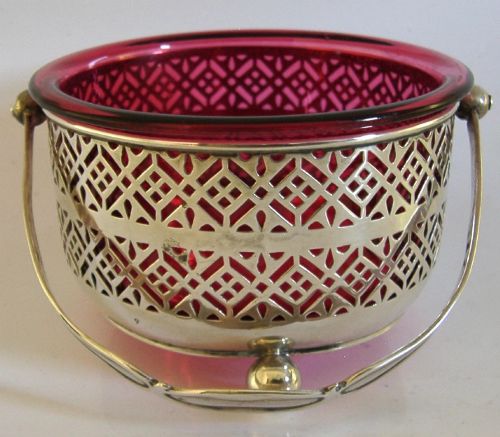
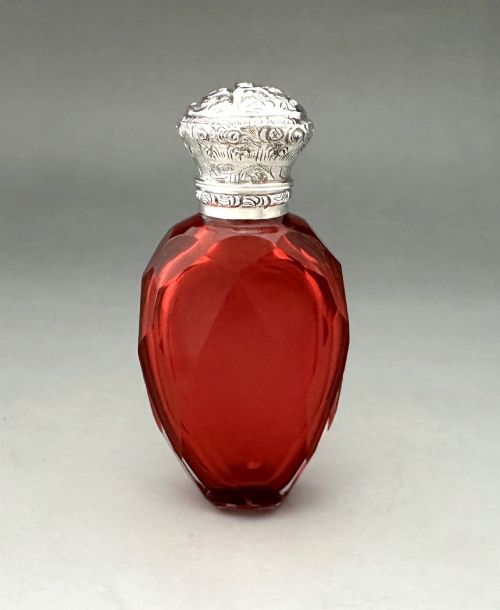
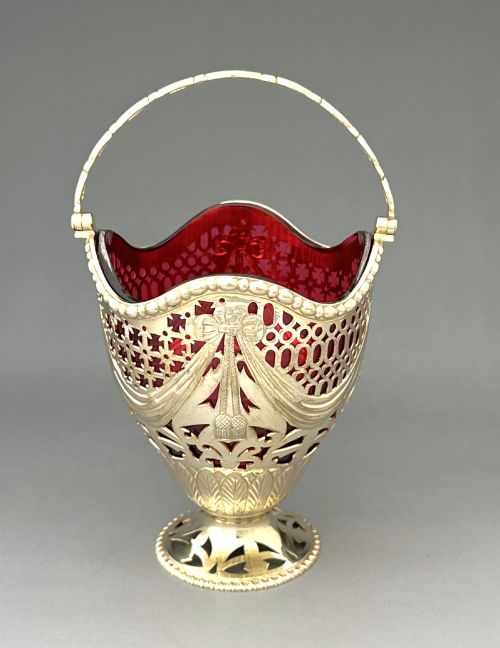
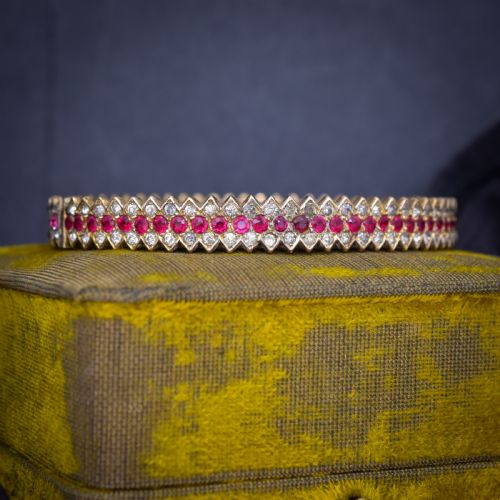
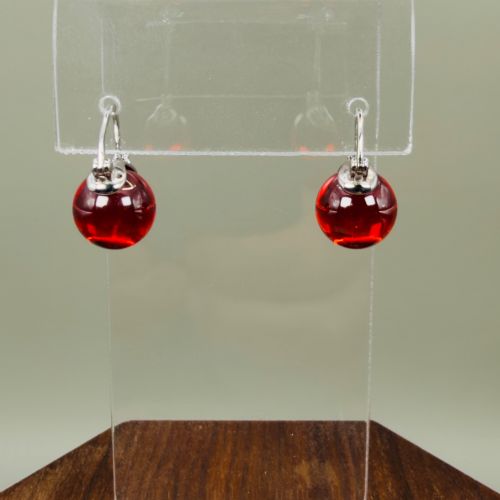
When you search for antique ruby glass, you are looking for deeply coloured vessels and lighting made during the Victorian era.
What antique ruby glass is
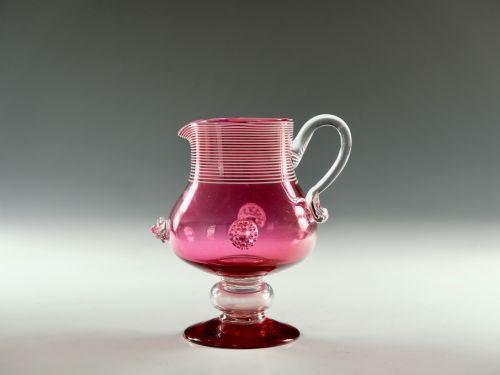
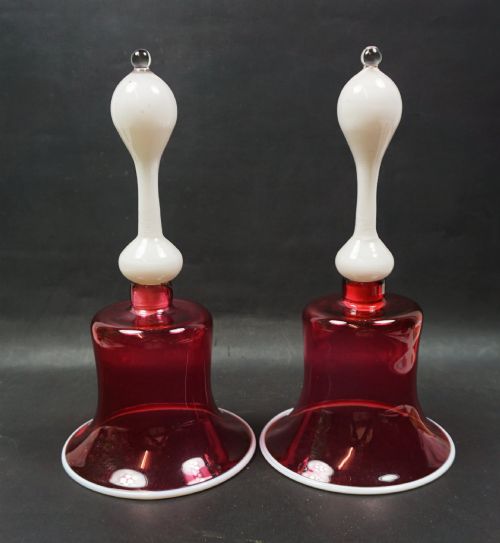
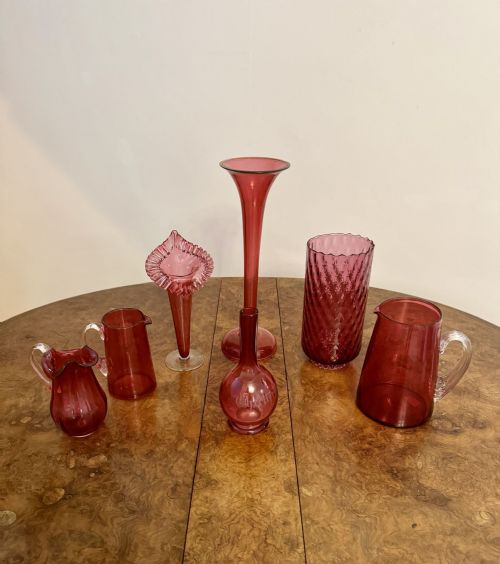
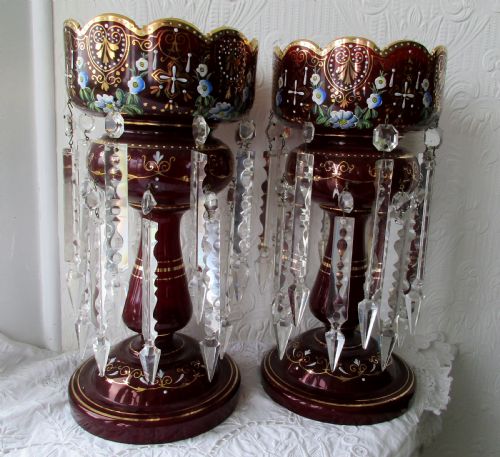
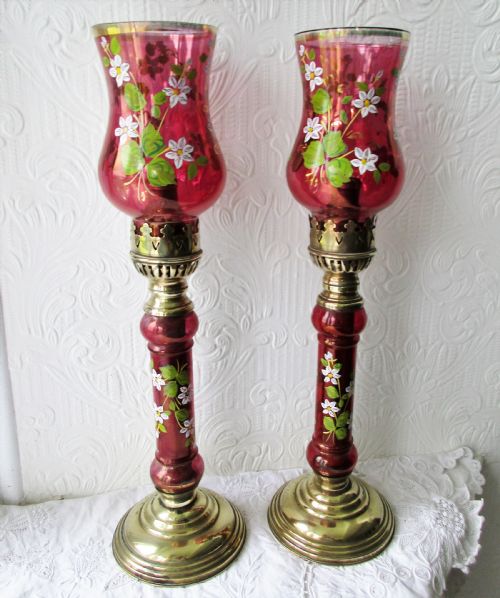
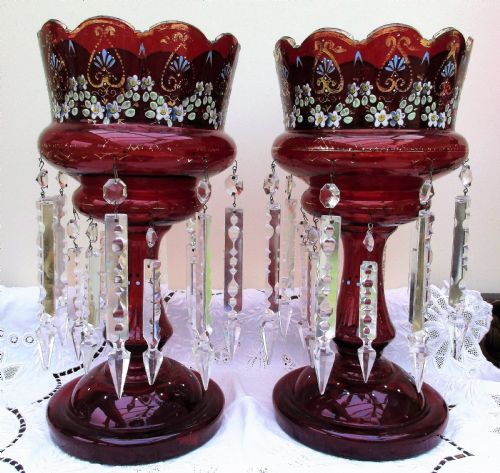
When searching for antique ruby glass, you encounter items made largely during the Victorian period, spanning the nineteenth century up to the early decades of the twentieth century. The selection ranges from domestic tableware such as jugs, decanters and wine glasses to decorative items including mantle lustres, vases, hand bells and candlesticks.
English and Continental workshops produced these pieces in varied forms, utilising deep red tones that draw the eye across both utilitarian and ornamental categories.
How they were made
Glassmakers created the characteristic colour through chemical additions, incorporating gold salt into the molten batch alongside lead crystal or standard glass formulations to achieve the deep red shade known as ruby or cranberry glass.
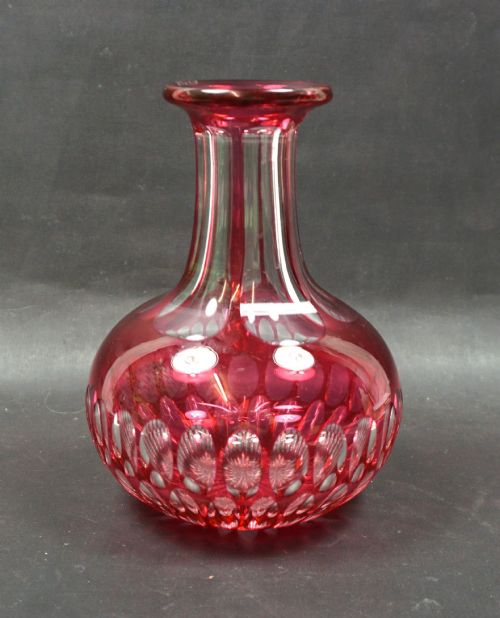
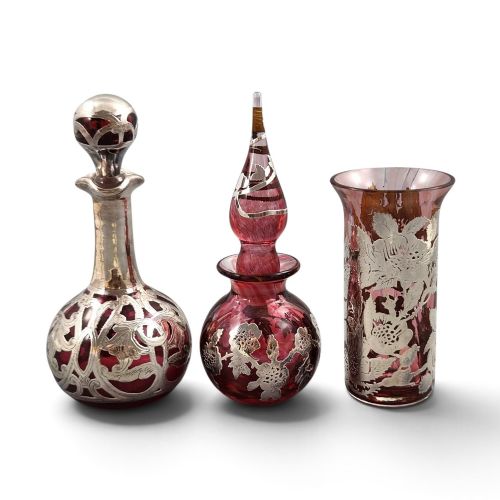
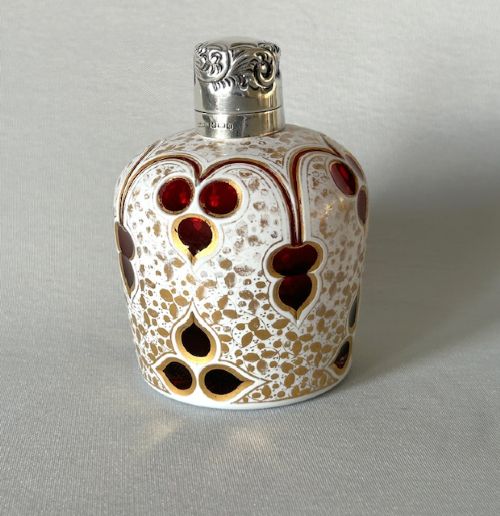
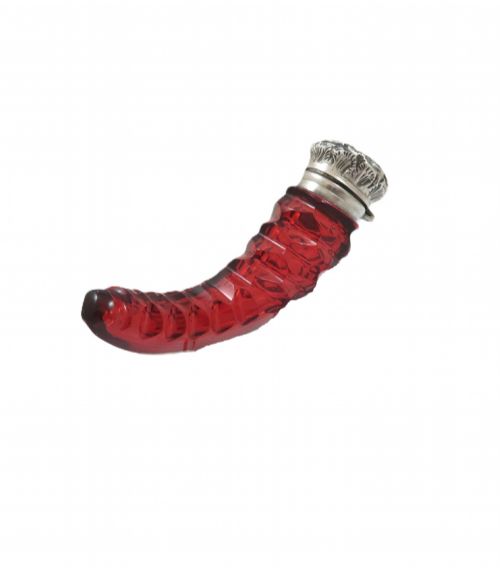
Hot-worked forms were often finished through cold-work techniques, utilising cutting wheels to create facets or adding enamel, gold leaf and silver overlays to the hardened surface.
Listings for antique ruby glass span the nineteenth and early twentieth centuries, featuring lead crystal, enamel and gold leaf materials.
What varies in quality
Quality rests upon the depth and evenness of the colour within the glass body, alongside the precision of any cut facets or applied decorative elements such as gold leaf and enamel work.
The integration of secondary materials like sterling silver mounts, brass columns or hand-painted details dictates the distinction between standard utilitarian items and higher-tier decorative showpieces.
Moser
The Antique Ruby Glass Glossary
- Ruby glass
- Glass coloured to a deep red hue, often achieved historically by the addition of gold salt to the molten mixture.
- Cranberry glass
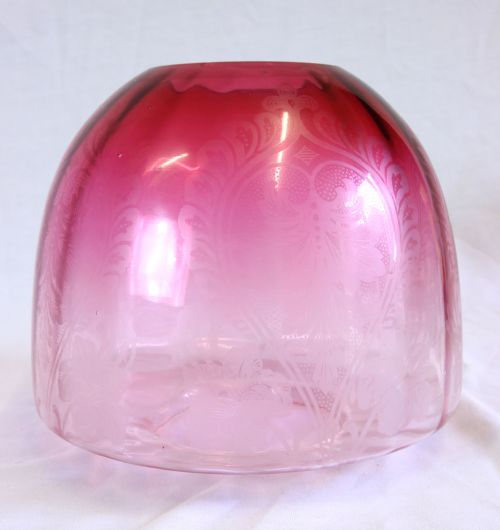
- A specific pale or mid-toned variant of transparent pinkish-red glass widely utilised during the Victorian period for tableware and decorative items.
- Mantle lustre
- A decorative glass vase fitted with hanging crystal prisms, designed to stand on a mantelpiece and reflect candlelight.
- Peg lamp
- An oil lamp featuring a tapered base designed to fit directly into the top of a candlestick or lighting bracket.
- Vinaigrette
- A small ornamental box fitted with an internal pierced grille, holding a sponge soaked in aromatic vinegar for personal use.
Frequently Asked Questions
How do I clean antique ruby glass?
Wash pieces gently in warm soapy water using a soft cloth, avoiding harsh scouring pads that might scratch the surface.
Take particular care around items with applied gold leaf, enamel work or sterling silver mounts, keeping moisture away from glued or metal fittings.
Can I use antique oil lamps daily?
Most antique oil lamps and peg lamps are sold as decorative objects rather than functional lighting for modern homes.
If you intend to convert or burn oil in them, consult a professional restorer to ensure the font and burner mechanisms remain safe and sound.
How can I tell cranberry glass from ruby glass?
Cranberry glass tends to display a lighter, brighter pinkish-red tone reminiscent of fruit juice, while ruby glass often presents a deeper, more saturated crimson.
Both materials rely on similar production methods from the nineteenth century, overlapping heavily in Victorian decorative glassware.
Are mantle lustres always found in pairs?
Victorian mantle lustres were commonly manufactured and sold as symmetrical pairs to adorn either end of a fireplace mantelpiece.
Individual lustres do appear occasionally, though complete pairs retaining their original crystal prisms command greater interest.