
Antique Ruby Glass Glasses
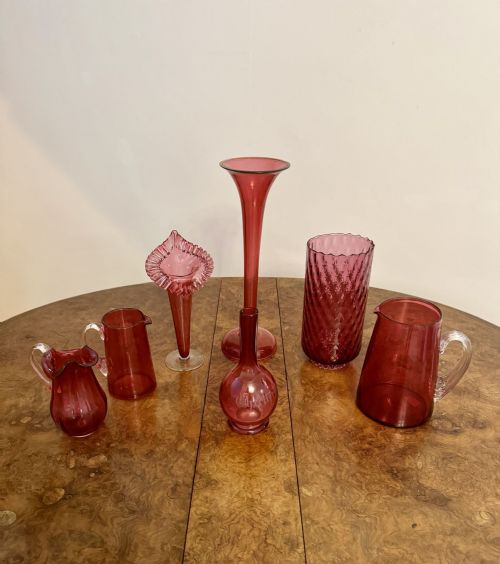
When you search for antique ruby glass glasses, you are looking at vibrant table vessels and decorative pieces shaped in rich red hues.
Antique Ruby Glass Glasses
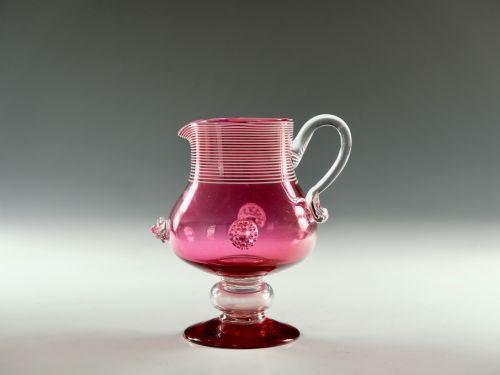
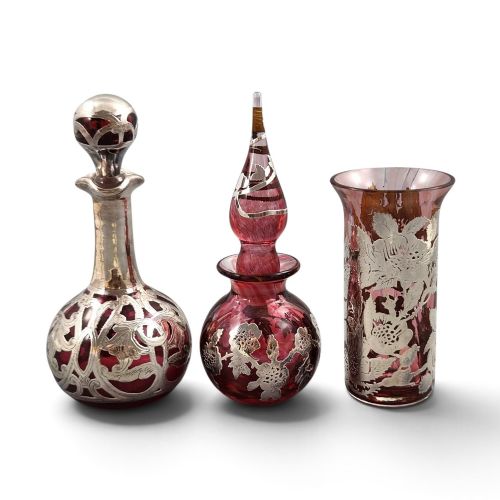
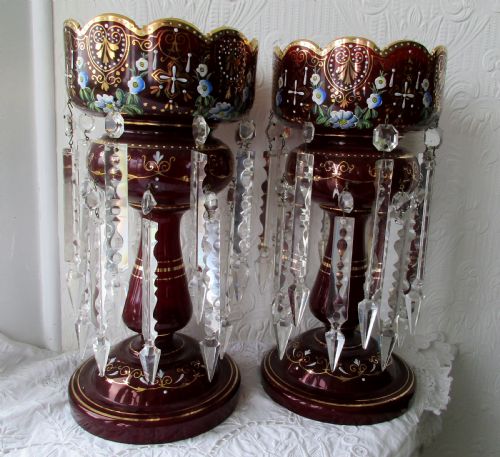
Antique ruby glass glasses encompass tablewares, wine glasses, decanters, and scent bottles created across the nineteenth and early twentieth centuries. These pieces appear frequently in Victorian and Edwardian iterations, spanning domestic drinking vessels and decorative mantel lustres.
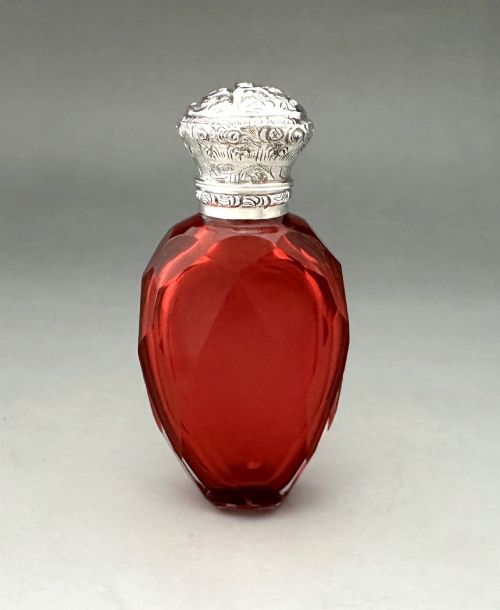
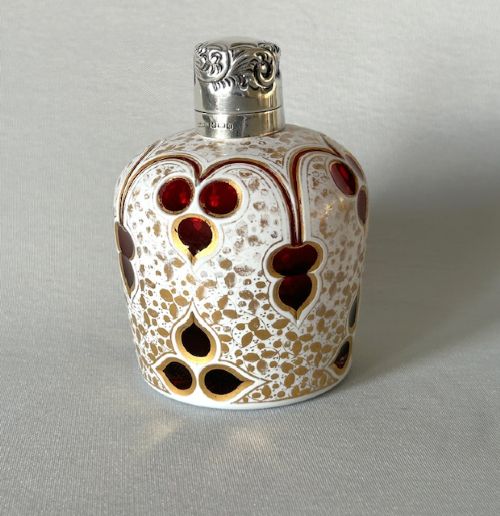
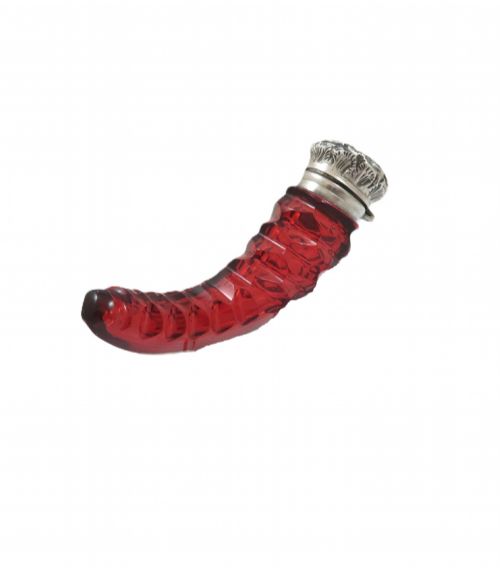
The selection ranges from small scent bottles mounted in sterling silver to sets of wine glasses and larger serving vessels. Many examples originate from English, French, and Bohemian workshops, reflecting distinct regional decorative traditions.
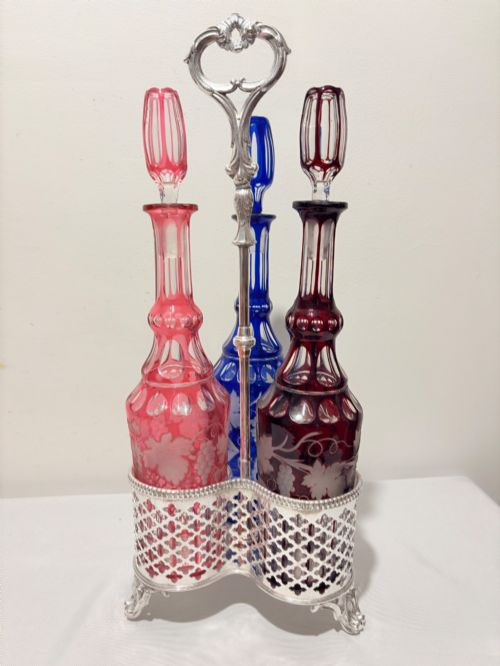
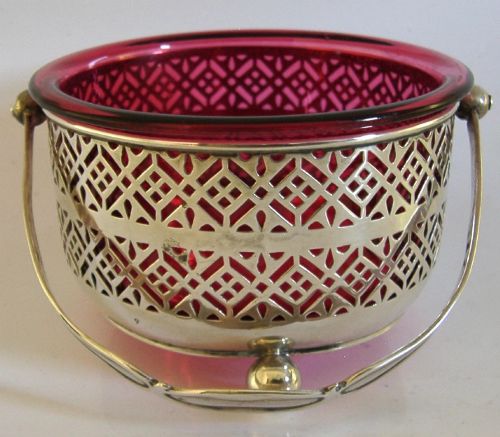
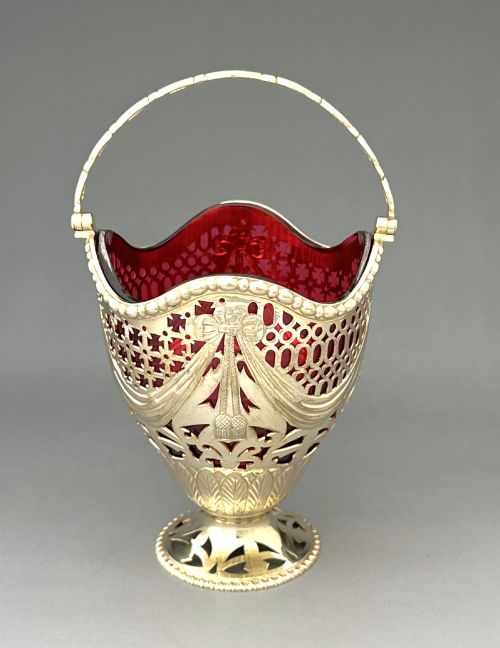
Vessels take many forms, including jugs, cruet sets, baskets with glass liners, and epergnes. Distinct stylistic periods from the nineteenth century into the Art Deco era shape the surviving output.
How they were made
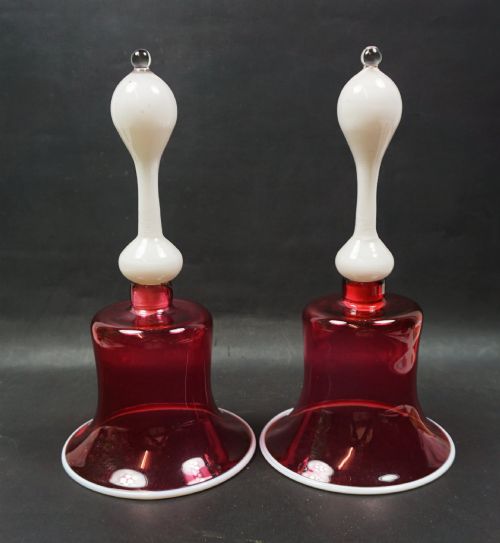
Maker's workshops utilised glass-blowing techniques to form the base vessels, often incorporating layers of coloured glass over clear crystal or applying metallic oxides to achieve the signature red tone. Molten metal manipulation allowed artisans to shape complex items like decanters, bells, and epergnes.
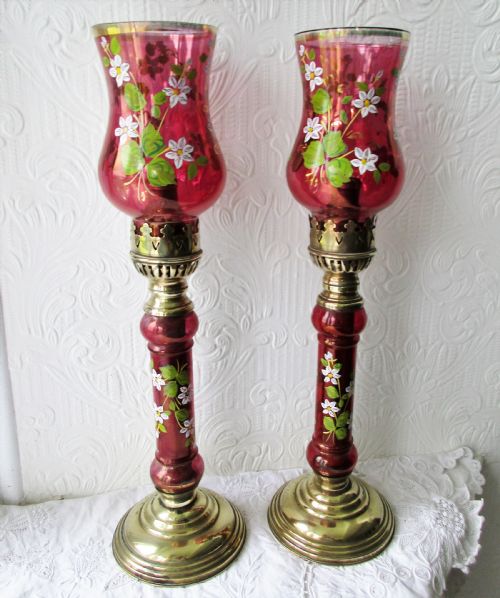
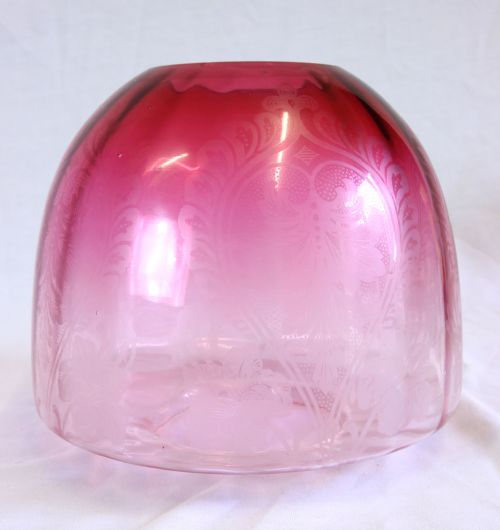
Secondary ornamentation frequently involved hand-painting, etching, or gilding with gold leaf directly onto the red surface. Mounts and hardware fashioned from sterling silver, silver plate, brass, or ormolu were then fitted to secure scent bottles and baskets.
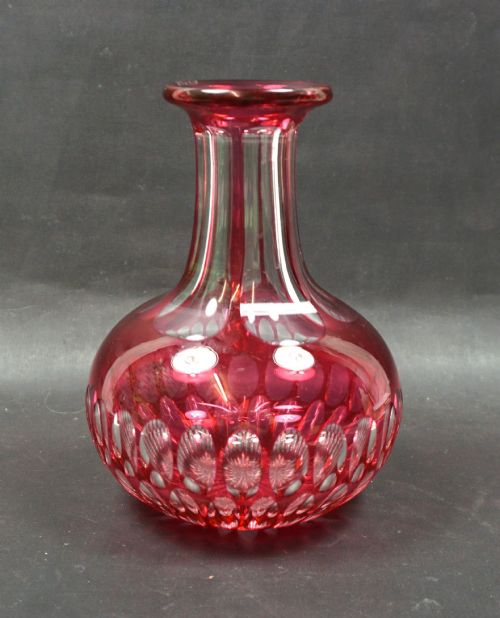
Cased glass methods involved fusing a layer of ruby glass to a clear crystal body before cutting back portions to reveal the contrasting underlayer. Enamel work and applied white glass details provided additional visual depth.
Common forms include scent bottles, decanters, wine glasses, sugar baskets, and mantel lustres originating from English, French, and Bohemian sources.
What varies in quality
The standard of craftsmanship shows in the depth and uniformity of the red glass colour, alongside the precision of any hand-cut facets or etched patterns. Superior examples display crisp detailing in gilded motifs and clean, even glass walls.
The quality of associated metalwork plays a significant role, distinguishing simple plated mounts from heavy sterling silver or chased ormolu frames. Maker attribution and the intact survival of delicate elements like stoppers or matching liners elevate individual pieces.
Harold Bushell and Co·Karl Palda·Val St Lambert
The Antique Ruby Glass Glasses Glossary
- Cranberry Glass
- A transparent pinkish-red glass coloured with gold chloride during production. It appears frequently in Victorian tableware and decorative items.
- Ruby Glass
- A deep red glass created by adding gold or copper compounds to the molten batch. It is distinct for its rich, saturated coloration.
- Lustre
- A decorative mantel vase hung with cut glass prisms or droplets. Victorian examples often feature painted or gilded panels.
- Ormolu
- Gilded bronze or brass used for decorative mounts and furniture trim. It provides ornate framing for nineteenth-century scent bottles and glassware.
- Epergne
- A large table centrepiece featuring multiple detachable dishes or baskets. Cranberry glass versions were popular in the Victorian period.
Antique Ruby Glass Glasses: Frequently Asked Questions
How do I clean antique ruby glass?
Wash pieces by hand in warm soapy water using a soft cloth, avoiding harsh abrasives that can damage gold leaf or enamel decoration. Dry them immediately with a lint-free towel to prevent water spots.
Take extra care around silver mounts or fitted metal hardware to keep them dry and prevent tarnishing.
Can I use these glasses for daily dining?
Most antique wine glasses and decanters from the Victorian and Edwardian periods are better suited for gentle occasional use or display. Hand-washing is essential, as modern dishwashers expose fragile glass and gilding to excessive heat and harsh detergents.
Heavily gilt or enamel-decorated items should remain strictly for decorative display to preserve their fragile surface details.
What is the difference between cranberry and ruby glass?
Cranberry glass typically exhibits a lighter, pinker translucent tone achieved through gold-based coloration. Ruby glass is darker, richer, and more intensely red.
Both materials were utilised extensively across the nineteenth century for tableware and decorative accessories.
How do I date an antique glass piece?
Examine the manufacturing style, pontil mark on the base, and any accompanying metal mounts or hallmarks. Victorian pieces often display moulded decoration or hand-applied gilding characteristic of the nineteenth century.
Silver mounts bearing hallmarked dates provide a precise year of manufacture for fitted items like scent bottles and cruet sets.