



Antique Rose Vase
When you search for an antique rose vase, you enter a diverse world spanning nineteenth-century Chinese export porcelain and hand-painted English ceramics.
Antique Rose Vase
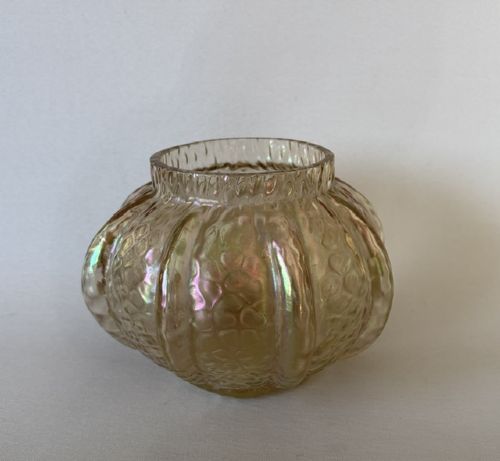
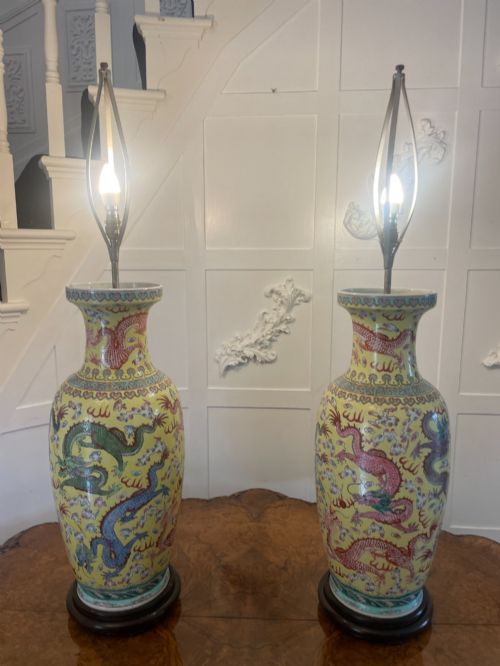
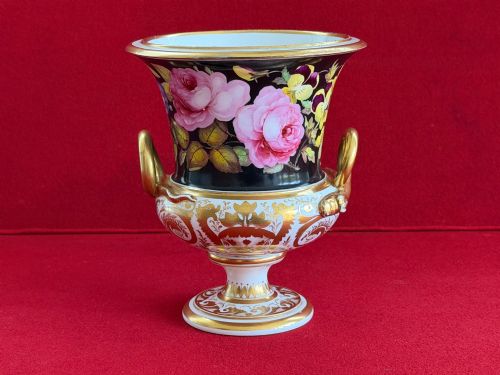
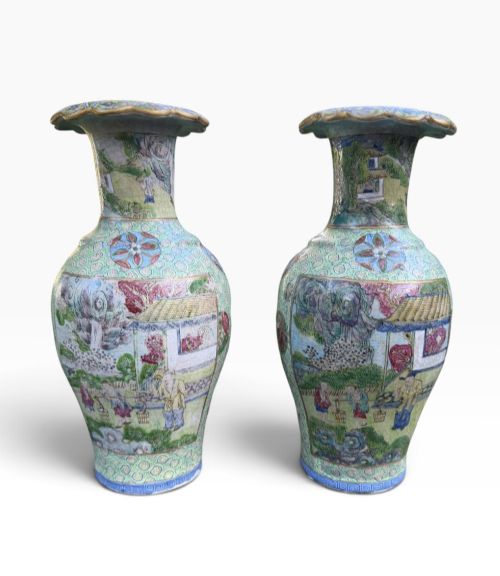
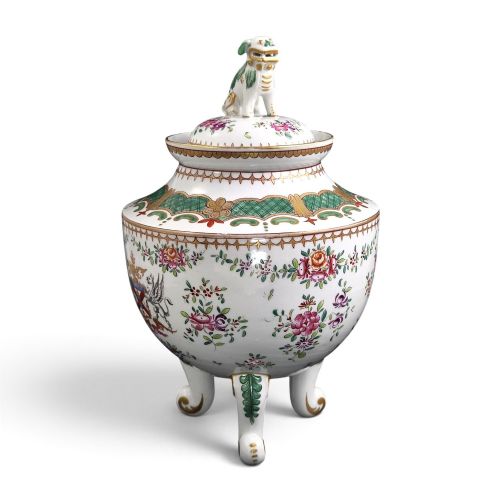
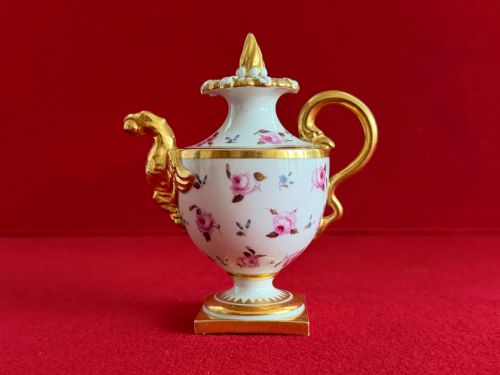
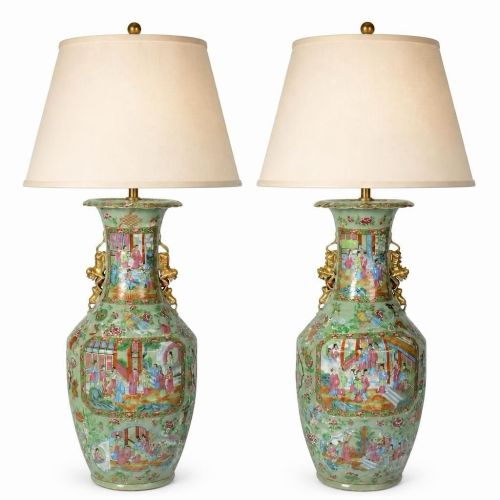
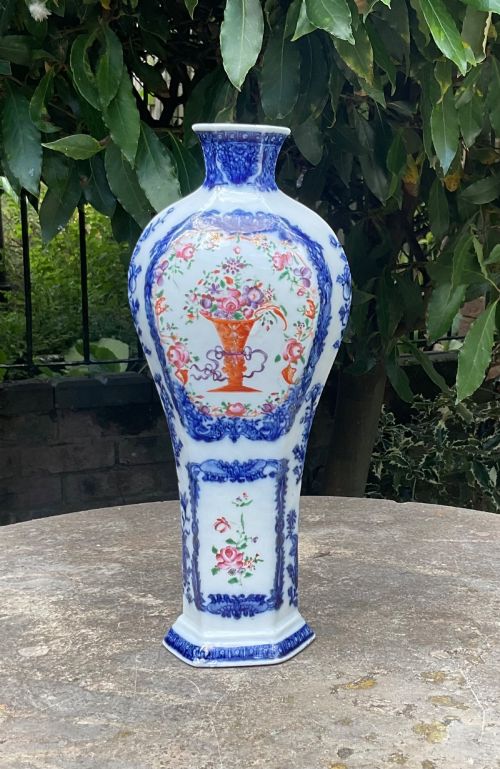
The selection on this page centres on ceramic vessels and decorative objects associated with roses, predominantly taking the form of nineteenth-century Chinese export porcelain alongside English and European productions. An antique rose vase might appear as a monumental Cantonese floor vase, a delicately painted Worcester flower holder, or a porcelain lamp converted from earlier vessel stock.
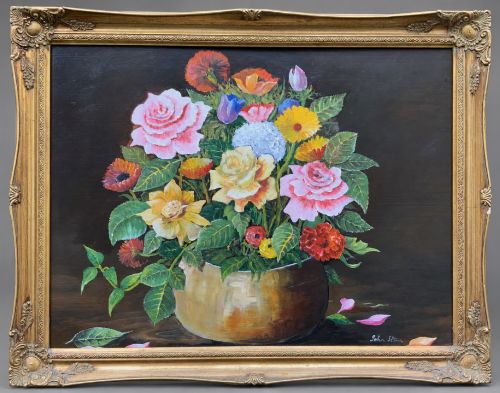
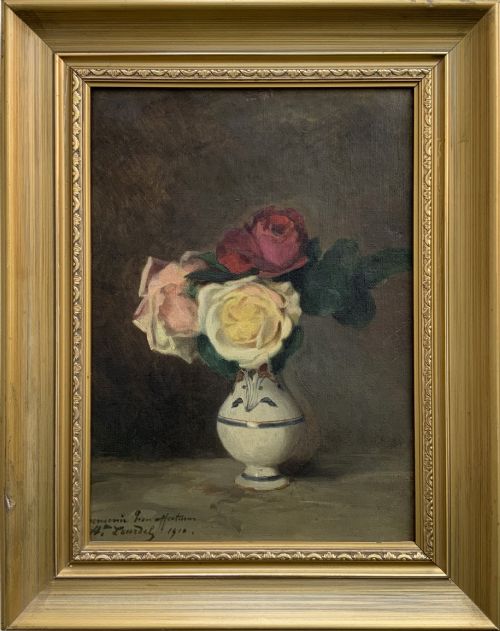
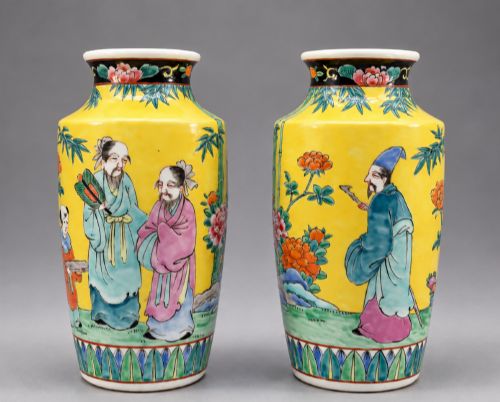
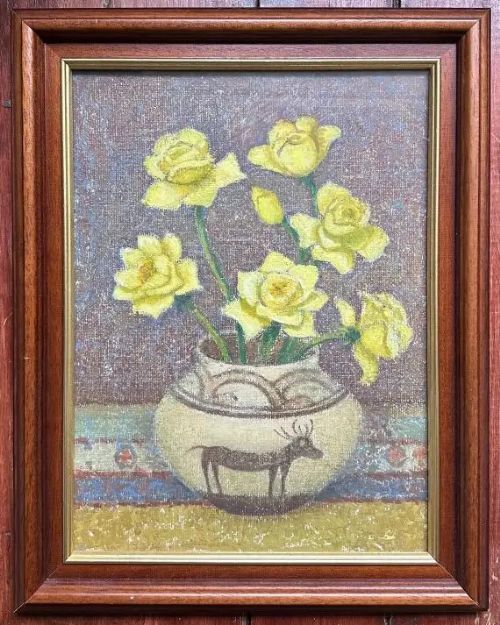
Chinese Famille Rose porcelains dominate the offerings, showing enameled pink palettes and narrative figural scenes from the Qing dynasty and the later Republic period. Alongside these ceramic forms, buyers encounter Victorian English porcelain and earthenware alongside oil paintings and watercolours depicting roses in glass vessels.
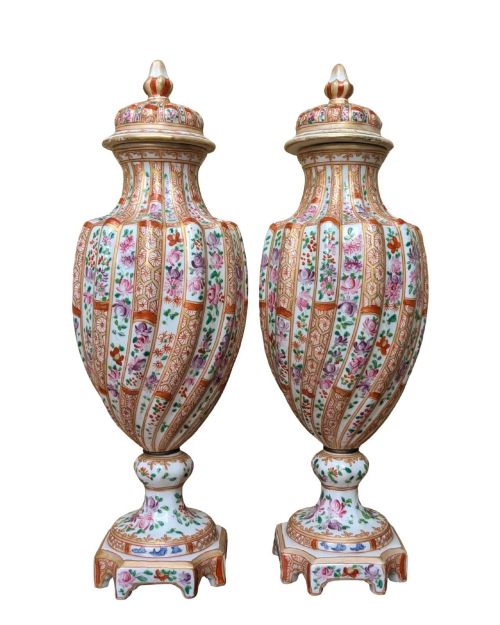
Origins stretch from eighteenth-century Qianlong pieces through nineteenth-century Victorian and Regency creations up to twentieth-century examples. Forms range from baluster jars and moon flasks to water sprinklers and lidded garnitures.
How They Were Made
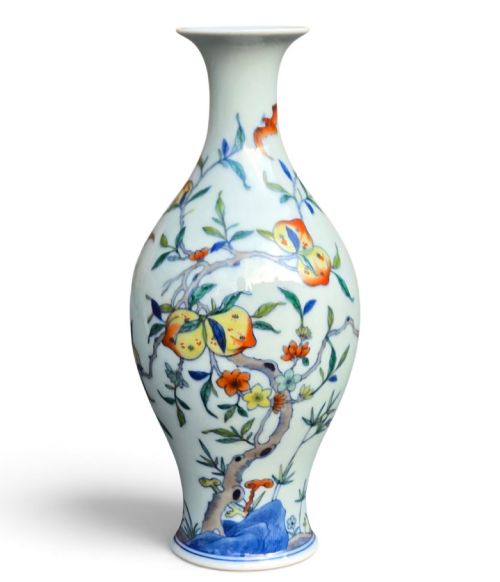
Porcelain serves as the primary medium, decorated with enamel colours, iron-red accents, and gold leaf gilding applied by hand. Chinese export wares utilise intricate overglaze enamelling techniques developed across centuries at kilns such as Jingdezhen.
European factories like Royal Worcester and French workshops employ fine porcelain bodies painted with naturalistic botanical studies. Ormolu mounts, brass fittings, and gilt bronze elements frequently finish the heavier nineteenth-century floor vases and converted lamps.
Antique Rose Vase Retail Price Guide 2026
Typical asking prices for rose vase among the pieces listed under this phrase on Sellingantiques today, from the lower quarter to the upper quarter. They describe what is for sale here now, not the wider market.
Listings feature porcelain, enamel, brass, gold leaf, and canvas across periods spanning the seventeenth through the twentieth centuries.
What Varies in Quality
Precision and delicacy of the hand-painted brushwork separate standard production pieces from exceptional works of art. Enamel saturation and the crispness of gilded highlights indicate the skill of the original maker.
Scale and proportion influence standing, particularly in monumental floor vases and balanced pairs where symmetry and potting integrity remain paramount. Intricacy of detail in figural scenes or botanical studies elevates the status of the ceramic.
Flight Barr And Barr·Royal Worcester·Samson Of Paris·Konstantin Stoitzner·William Thomas Wood
The Antique Rose Vase Glossary
- Famille Rose
- A major palette of Chinese ceramic glazes introduced during the Qing dynasty, distinguished by its dominant opaque pink or rose enamel colour derived from colloidal gold.
- Baluster
- A tall vase form characterised by a rounded body that tapers toward the base and swells outward before rising to a narrower neck.
- Garniture
- A set of three or more matching vases and jars designed to be displayed together on a mantelpiece or cabinet top.
- Ormolu
- Gilded bronze furniture mounts and decorative fittings used extensively on nineteenth-century European and export vases.
- Moon Flask
- A flattened circular porcelain flask featuring a short neck and two small loop handles, often resting on an oval foot.
Antique Rose Vase: Frequently Asked Questions
What is a Famille Rose vase?
A Famille Rose vase is a Chinese porcelain vessel decorated with an overglaze enamel palette notable for its distinct pink or rose colour.
These pieces often feature intricate floral arrangements, birds, or narrative scenes from Chinese history and mythology.
How do I date an antique porcelain vase?
Dating relies upon stylistic markers, reign marks, potting techniques, and the specific composition of the enamel colours used.
Comparative analysis with documented pieces from periods such as the Qing dynasty or the Victorian era helps establish approximate timelines.
Were all these vases made in China?
No, while a significant portion originates from Chinese export kilns, many pieces hail from English potteries like Worcester and European factories.
European makers frequently drew inspiration from Eastern designs or produced naturalistic floral studies characteristic of the nineteenth century.
Can I use these antique vases for fresh flowers?
Many of these ceramic and porcelain vessels were originally designed to hold water and display floral arrangements, such as traditional water sprinklers and flower holders.
However, delicate enamels, porous historic bodies, or converted electrical lamps require careful consideration before introducing moisture.