

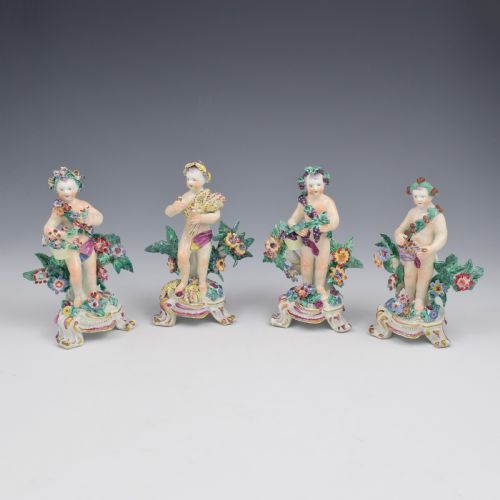


Antique Rococo Figurine
These antique rococo figurine pieces bring lively theatrical gesture and fluid ornament into a room, shaped by eighteenth-century taste.
Antique Rococo Figurine
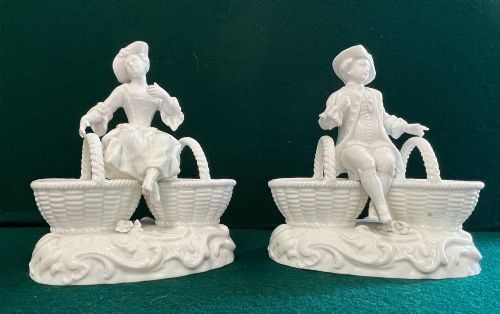
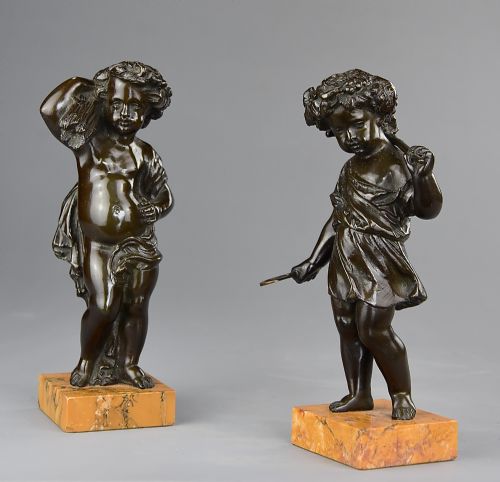
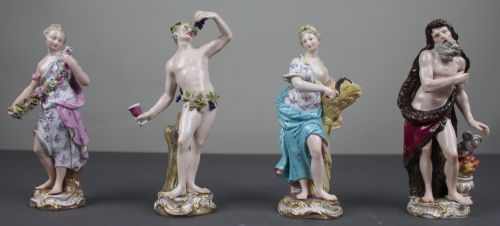
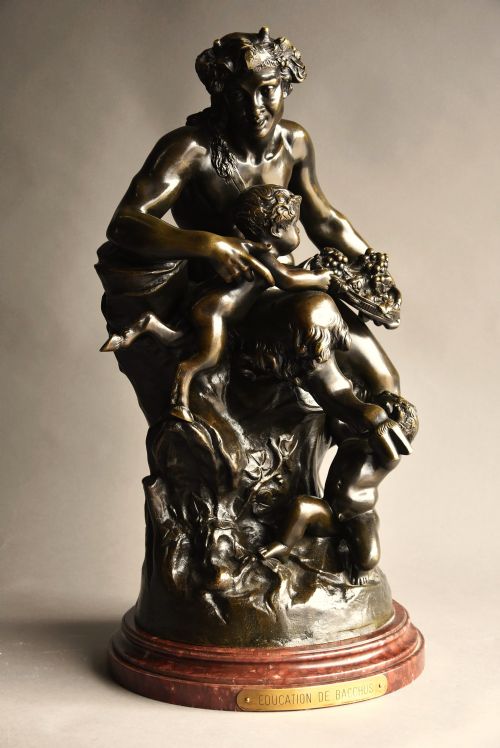
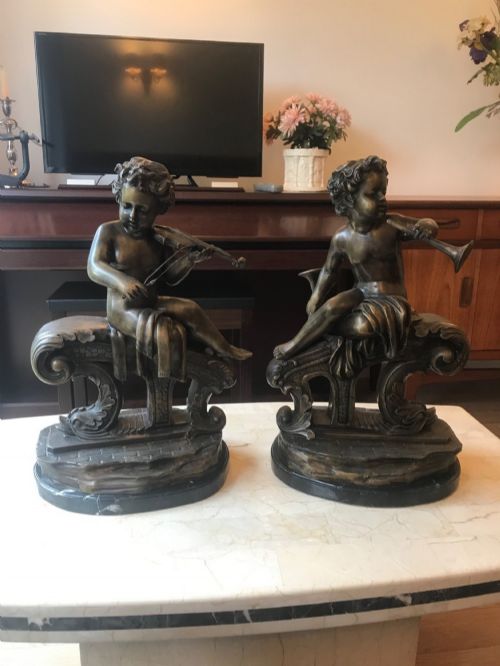
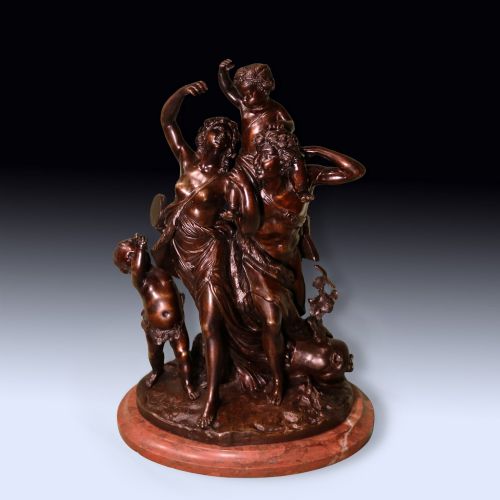
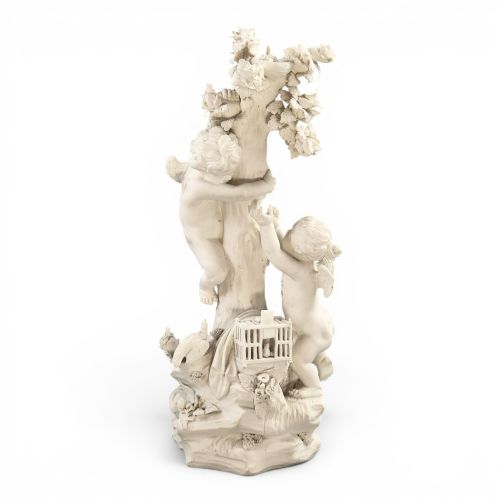
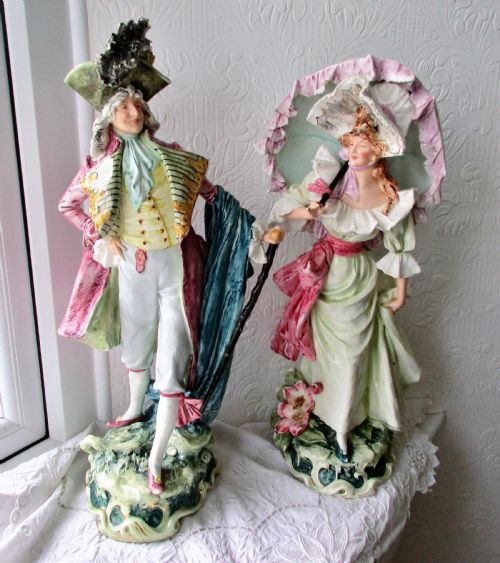
When you search for an antique rococo figurine, you encounter sculptural groups and individual figures modelled in porcelain and cast in bronze, spanning the eighteenth and nineteenth centuries. The forms draw on French 18th Century styles, featuring shepherds, allegorical figures, putti, and gallant couples caught in dynamic motion.
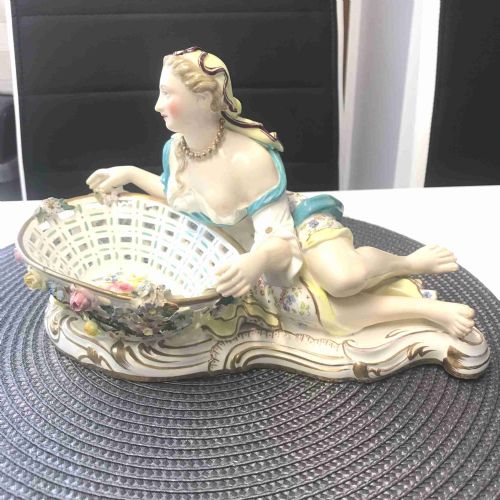
You meet porcelain examples from factories such as Meissen, Derby, Bow, and Paris, alongside later 19th Century revivals. These objects served as decorative centrepieces on dining tables and mantels, reflecting an era obsessed with pastoral theatre and ornate symmetry.
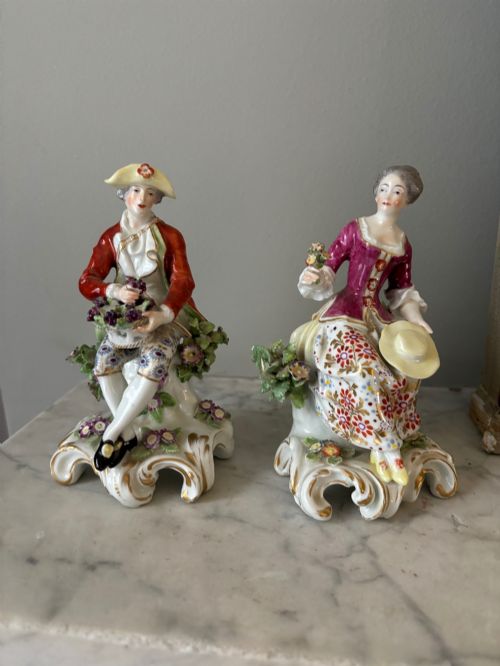
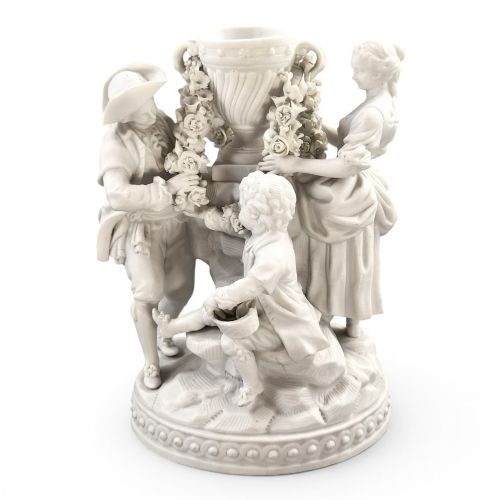
The aesthetic is defined by asymmetrical scrolls, naturalistic flowers known as bocage, and swirling drapery. Whether cast in bronze or glazed in soft-paste and hard-paste porcelain, these figures capture the theatrical spirit of the Rococo Revival and Georgian periods.
Materials and construction methods
Makers shaped these pieces using soft-paste and hard-paste porcelain, often finished with intricate hand-painted enamels and gold leaf gilding. Biscuit porcelain was also utilised for unglazed figures that emulated carved marble.
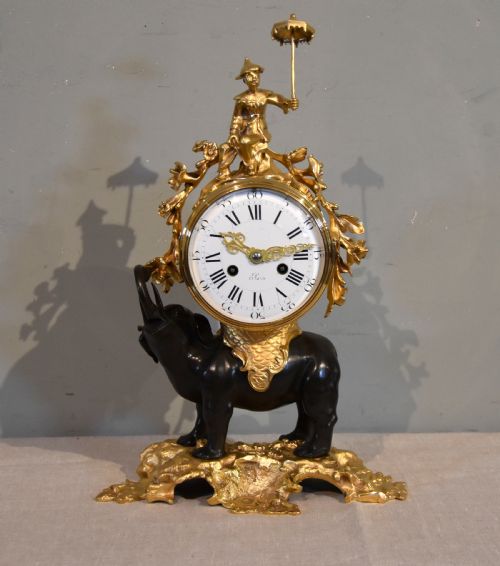
Bronze groups were cast using traditional methods, sometimes enhanced with ormolu mounts and paired with marble bases. Porcelain factories employed intricate hand-modelled details, including delicate lace application and applied floral garlands.
Listings feature hard-paste porcelain, soft-paste porcelain, bronze, and marble across Georgian, Victorian, and 18th Century periods.
Distinctions in craftsmanship
Quality rests in the crispness of the modelling and the precision of the hand-painting on the porcelain glaze. Finer examples retain delicate extremities and intricate facial expressions without heavy restoration.
In bronze pieces, the sharpness of the chasing and the fluidity of the surface finish dictate the standard. Superior works demonstrate deep relief and careful attention to secondary details like foliage and drapery folds.
Meissen·Derby Porcelain·Bow Porcelain·Edme Samson·Vion and Baury
The Antique Rococo Figurine Glossary
- Bocage
- Background foliage made of applied porcelain leaves and flowers that frames eighteenth-century figures. This delicate botanical element surrounds the subjects to create a naturalistic woodland setting.
- Biscuit porcelain
- Unglazed ceramic material fired to a matte finish that resembles white marble. It was widely utilised for Neoclassical and rococo sculptural groups.
- Soft-paste porcelain
- An early artificial ceramic composition fired at lower temperatures than hard-paste porcelain. It has a warm, translucent body that absorbed enamels deeply.
- Ormolu
- Gilt bronze ornamentation applied to mounts, clocks, and sculptural bases. The technique involves treating bronze with a mixture of gold and mercury.
- Hard-paste porcelain
- A true ceramic body composed of kaolin and petuntse, fired at high temperatures. It produces a durable, bright white surface that resists scratching.
Antique Rococo Figurine: Frequently Asked Questions
How were porcelain figurines used originally?
These figures were placed on dining tables as part of elaborate dessert services or displayed on mantelpieces in formal drawing rooms. They functioned as conversational pieces that signalled the owner's cultural sophistication.
Wealthy households collected matching sets representing the seasons, elements, or pastoral trades to decorate their reception spaces during the eighteenth and nineteenth centuries.
How do I distinguish eighteenth-century pieces from later revivals?
Eighteenth-century examples typically exhibit lighter bodies, softer enamel palettes, and hand-cut ventilation holes beneath the base. The paste and glaze show subtle imperfections characteristic of early kiln technology.
Nineteenth-century revivals often feature crisper, whiter porcelain bodies, mechanical factory marks, and brighter, more uniform enamel colours reflecting later industrial standards.
What is the difference between soft-paste and hard-paste porcelain?
Soft-paste porcelain contains glass and white clay substitutes, creating a warmer, slightly creamy appearance under the glaze. It scratches more easily and was favoured by early English and French factories.
Hard-paste porcelain utilises true china clay and stone, fired at much higher heats to produce a brilliant white, scratch-resistant surface common in German production.
How should I clean porcelain figurines safely?
Dust these delicate objects gently using a soft, dry artist's brush to remove particles from crevices and painted surfaces. Avoid using water or chemical cleaners, especially near painted enamels and gilded areas.
If deeper cleaning is necessary, consult a professional conservator to prevent damage to fragile elements like applied porcelain flowers and lace.