




Antique River Scene Oil
An antique river scene oil brings flowing water, pastoral riverbanks and historic waterways directly onto the wall through rich painted pigment.
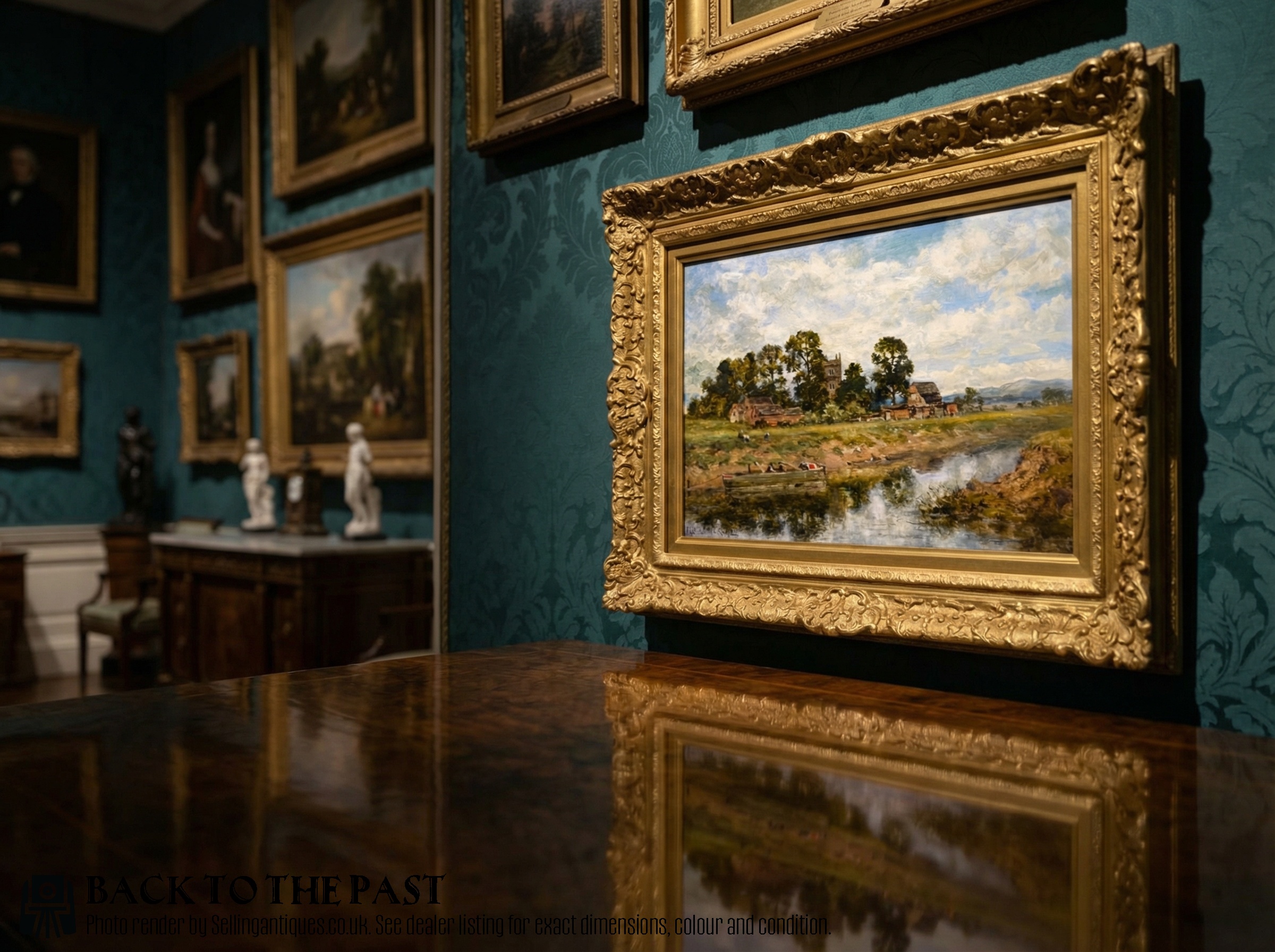
Antique River Scene Oil
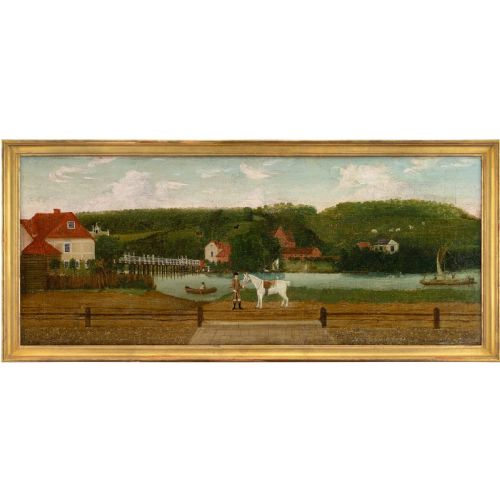
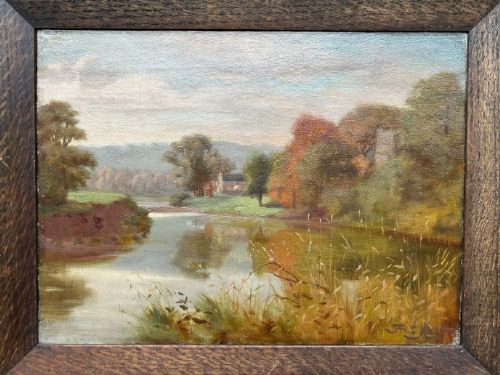
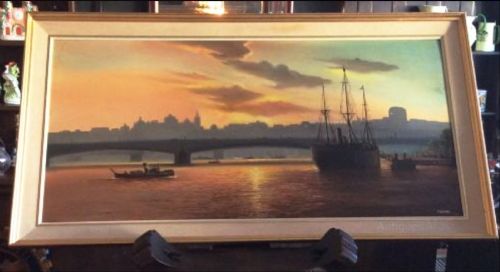
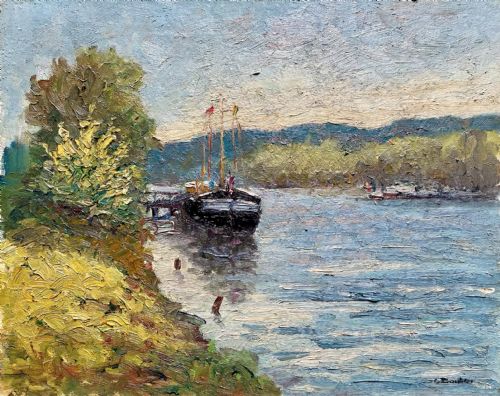
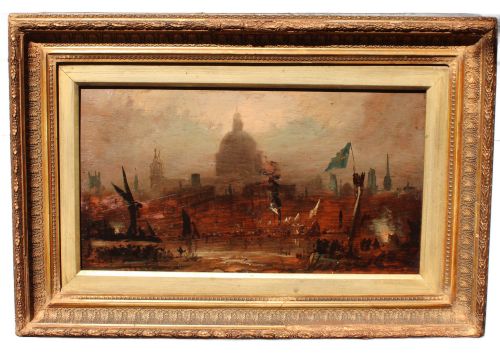
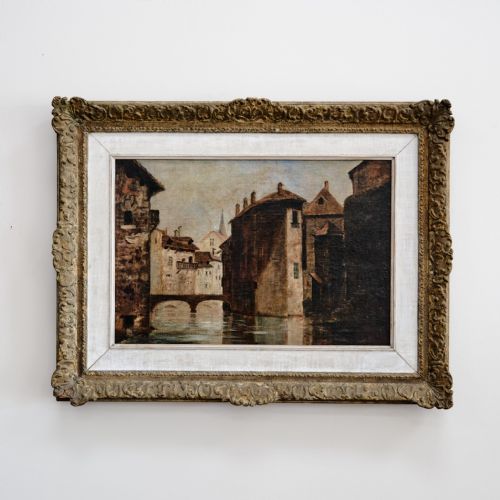
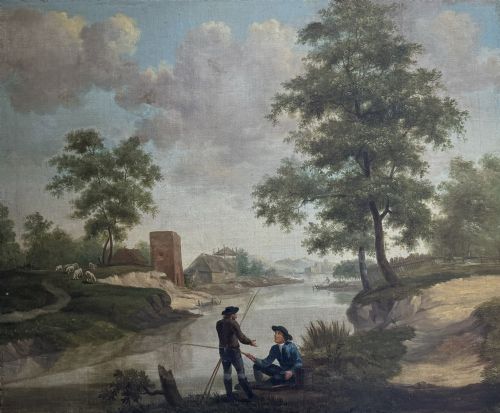
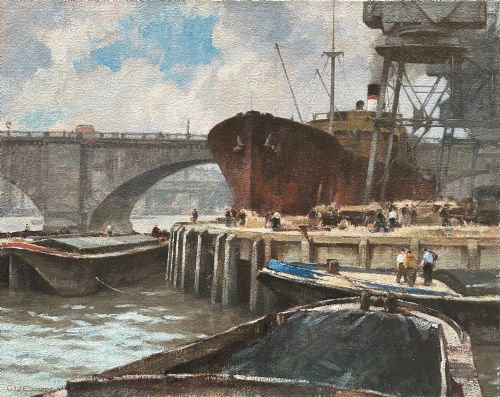
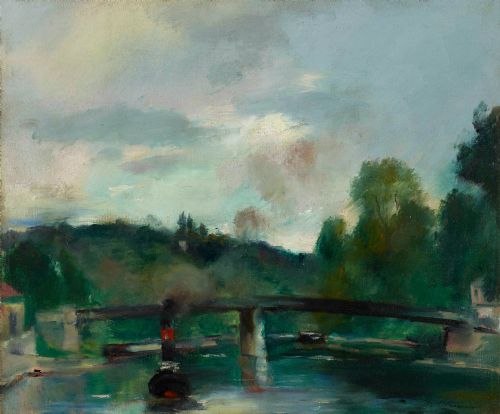
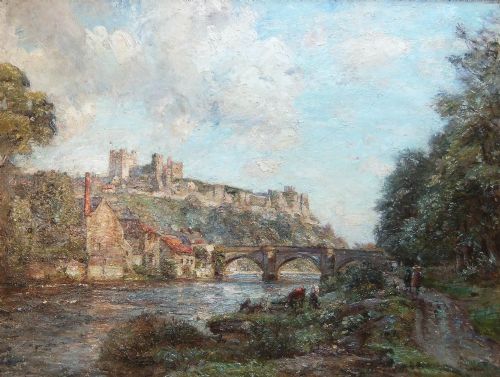
An antique river scene oil captures moving water, bridges, barges, and figures along riverbanks through traditional painted media. These works frequently record specific British, Dutch, and French waterways, ranging from the Thames in London to pastoral country streams.
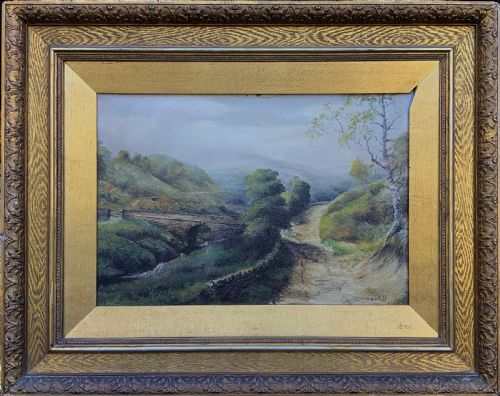
The versions most commonly met on this page date from the nineteenth and early twentieth centuries, spanning Victorian, Edwardian, and impressionist styles. Canvas and wood panel supports predominate, often paired with period giltwood frames that complete the piece.
Defining Quality
Quality rests upon the artist's command of light, reflection, and brushwork, distinguishing a lively composition from a rigid topographical record. Superior examples capture the specific atmosphere of water and weather with confident, expressive application.
The preservation of the original paint surface and the integrity of the period frame contribute heavily to the desirability of a piece. Works associated with documented schools or named painters command greater attention from collectors.
Antique River Scene Oil Retail Price Guide 2026
Typical asking prices for river scene oil among the pieces listed under this phrase on Sellingantiques today, from the lower quarter to the upper quarter. They describe what is for sale here now, not the wider market.
Listings feature works spanning the nineteenth and twentieth centuries, executed in oil on canvas, wood panel, and board.
Frederick Marriott·Henri Ottmann·Herbert Royle·T C Hofland·Henry H Parker·Thomas Baker of Leamington·Sydney Yates Johnson·Hubert Wellington·Henri Jaques Delpy·Thomas Spinks·Robert John Hammond·Edward Henry Eugene Fletcher
The Antique River Scene Oil Glossary
- Oil on Canvas
- Pigment mixed with drying oil applied to a woven fabric support stretched across a wooden frame. This combination allows for flexible application and enduring surface stability.
- Giltwood
- Wood carved and coated with a thin layer of gold leaf or metallic powder. It provides traditional decorative framing for fine art paintings.
- Wood Panel
- A solid wooden board utilised as a rigid support for painting prior to the widespread adoption of canvas. Panels offer a stable surface that resists tears.
- Impressionism
- A nineteenth-century painting style focusing on the visual impression of the moment, particularly shifting light and open-air conditions. Artists utilised visible brushstrokes and unblended colour.
- Gesso
- A paint mixture consisting of a neutral binder mixed with chalk, gypsum, or pigment. It served as a prepared foundation layer on wood panels and picture frames.
Antique River Scene Oil: Frequently Asked Questions
What is an antique river scene oil?
These works are original paintings executed in oil pigments that depict rivers, canals, bridges, and maritime waterways. They document historical views and pastoral landscapes from past centuries.
Such paintings served as interior decoration and visual records of changing industrial and rural environments. Today they offer a direct window into historical topography.
How do I date a river landscape?
Dating relies on the style of clothing worn by figures in the painting, the architectural details of bridges and buildings, and the framing materials. Canvas types and stretcher construction also provide chronological clues.
Many nineteenth-century examples bear signatures, dates, or artist inscriptions on the reverse of the canvas or wood panel. Reference books and exhibition records help confirm these active periods.
Where should I hang these paintings?
These artworks suit traditional living rooms, studies, and hallways where natural light can illuminate the varied textures of the oil paint. They pair effectively with period furniture and wood panelling.
Placement should avoid direct sunlight and damp walls to protect both the canvas and the delicate gold leaf on the accompanying period frames.
What subjects appear in these scenes?
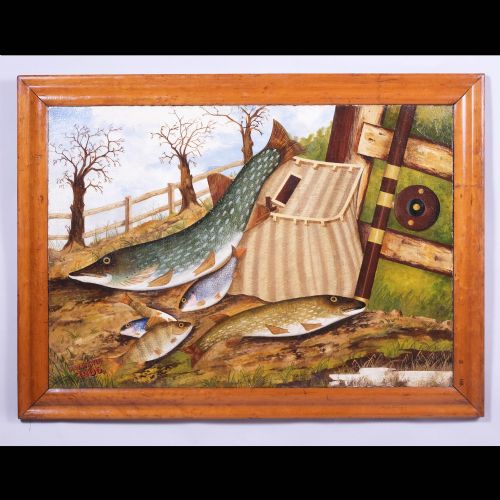
Common subjects include working rivers with barges, historic stone bridges, rural locks, and figures fishing along wooded banks. Coastal harbours and Dutch flatland scenes with windmills also feature prominently.
Artists frequently recorded recognisable locations such as the River Thames in London or specific provincial waterways across Britain and Europe.