




Antique Retail Display
Antique retail display pieces bring commercial history into domestic spaces, offering glazed cabinets and stands built for trade.
Antique Retail Display
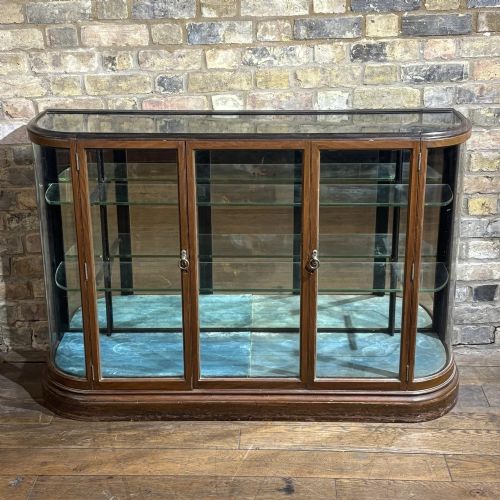
Antique retail display pieces encompass haberdashery cabinets, shop fitting vitrines, countertop showcases, and specialised stands created for commerce. These items originate from the late Victorian, Edwardian, and interwar commercial periods.
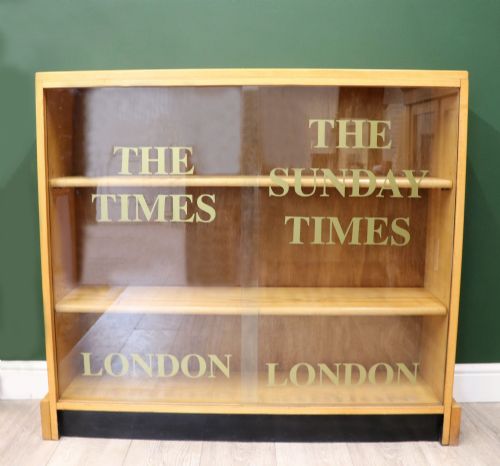
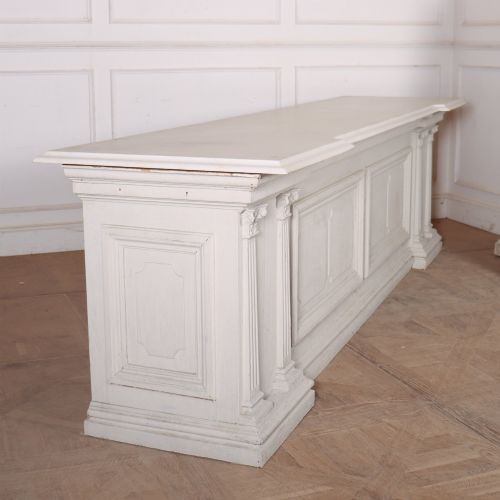
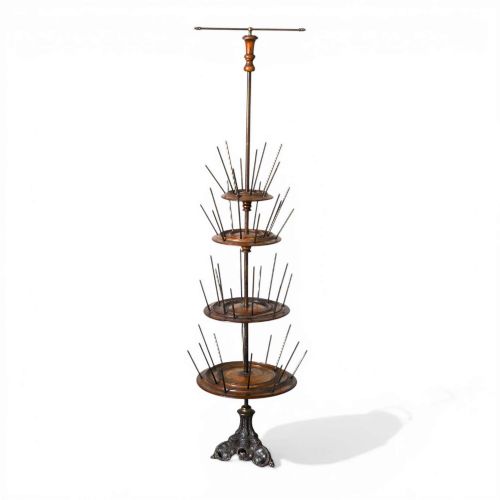
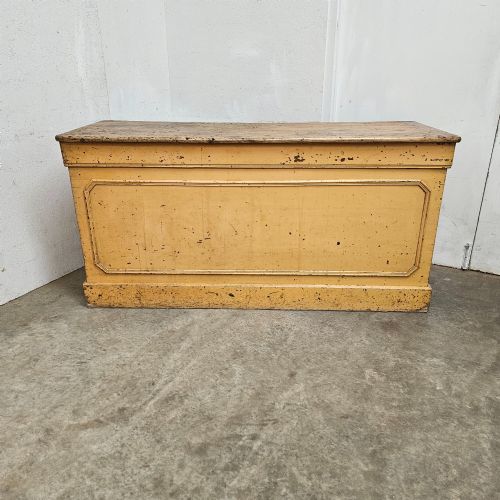
Buyers encounter oak display cabinets, mahogany shop counters, brass draper's stands, and mirrored cake stands that once served merchants and retailers. The inventory spans from large floor-standing showcases to compact countertop units.
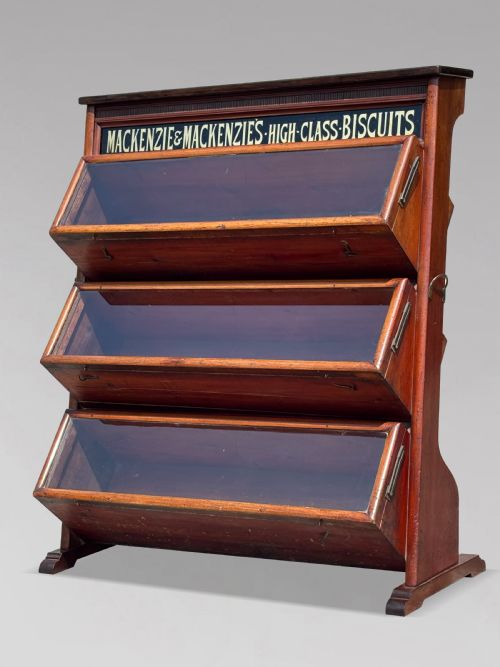
The selection ranges from pine textile tables and bronze shopfitting cases to specialised advertising cabinets designed for specific goods like cigars or chocolate. Each piece reflects the functional requirements of historical shopkeeping.
How They Were Made
Construction relies heavily on robust timbers such as mahogany, oak, pine, and walnut, paired with structural elements in cast iron, brass, bronze, and silver plate. Glazed panels and glass shelves maximise visibility for merchandise.
Joinery and metalworking techniques prioritize durability for daily commercial use, incorporating velvet linings, mirrored backs, and secure locks. Countertop and freestanding units combine solid wood frames with clear glass panels.
Antique Retail Display Retail Price Guide 2026
Typical asking prices for retail display among the pieces listed under this phrase on Sellingantiques today, from the lower quarter to the upper quarter. They describe what is for sale here now, not the wider market.
Chocolate and cigar displays survive from early shops, having successfully tempted customers long before modern packaging existed.
What Varies in Quality
Quality differentiates through the choice of timber, the clarity and proportion of the original glass, and the refinement of internal hardware such as brass brackets and locking mechanisms. Finer examples retain original patination and specialised maker attribution.
Construction density and the complexity of the shop fitting dictate the standing of a piece, with larger multi-tiered cabinets and specialised haberdashery units representing more sophisticated commercial design.
E. Pollard & Co. Ltd.
The Antique Retail Display Glossary
- Haberdashery cabinet
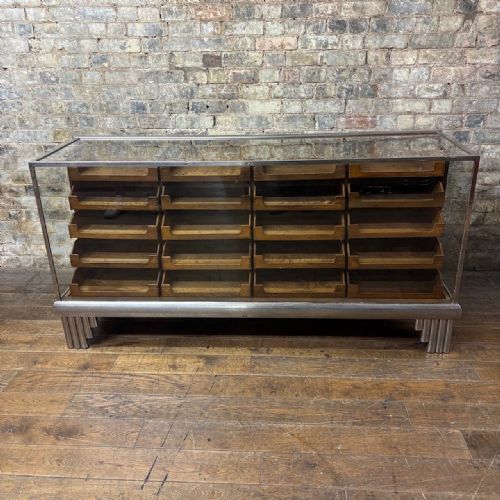
- A multi-drawer retail unit featuring glass fronts or trays originally used for selling small sewing goods and accessories. These pieces provide organised storage for modern collectors.
- Vitrine
- A glass-fronted cabinet designed for displaying delicate objects or merchandise. The term denotes pieces with extensive glazing on multiple sides.
- Shop fitting
- Fixtures and furniture built specifically for commercial interiors. These items are constructed to withstand heavy public interaction.
- Bijouterie case
- A shallow glass-topped display table or countertop box intended for small valuables and jewellery. They often feature velvet or silk lined interiors.
- Countertop showcase
- A compact display unit placed upon a shop counter to draw customer attention to specific goods. They maximise vertical display space in smaller footprints.
Antique Retail Display: Frequently Asked Questions
What are antique retail display cases?
Antique retail display cases are commercial furnishings built for historical shops, including glass cabinets, haberdashery units, and metal stands.
Merchants utilised these fixtures to present goods clearly to customers while protecting stock from dust and handling.
How do I use a display cabinet at home?
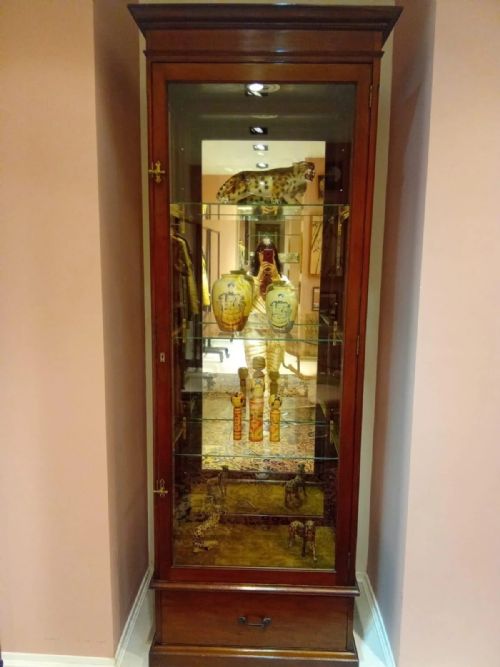
These cabinets suit living rooms, studies, and kitchens for showcasing collections, glassware, books, or textiles.
The deep shelving and glazed doors provide dust-free visibility similar to their original commercial purpose.
How do I date an antique shop showcase?
Dating relies on timber choice, hardware style, construction methods, and period characteristics ranging from Victorian pine to interwar bronze and oak.
Design cues often align with the retail architecture and commercial trends of specific decades.
Are these pieces made of solid wood?
Construction incorporates both solid timbers like oak, mahogany, pine, and walnut alongside structural metal elements such as brass and cast iron.
Glass panels and mirrored backs complete the framework required for retail visibility.