


Antique Religious Painting
When you search for an antique religious painting, you encounter centuries of devotional devotion captured in oils, tempera, and gold leaf on canvas and wood.
Antique Religious Painting
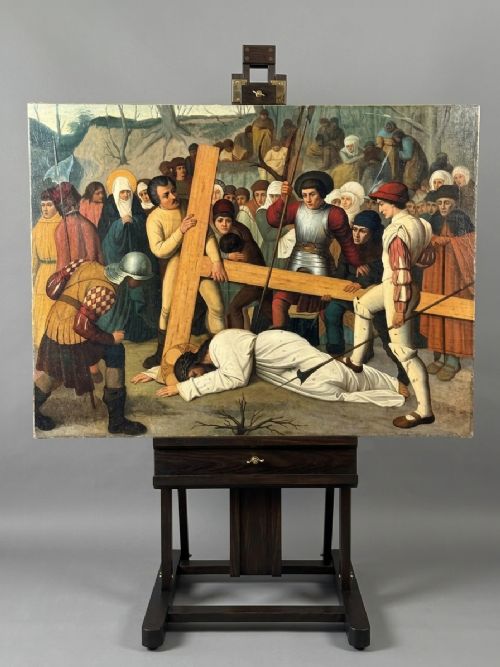
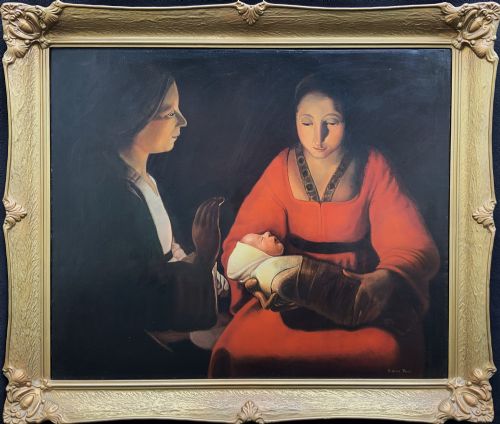
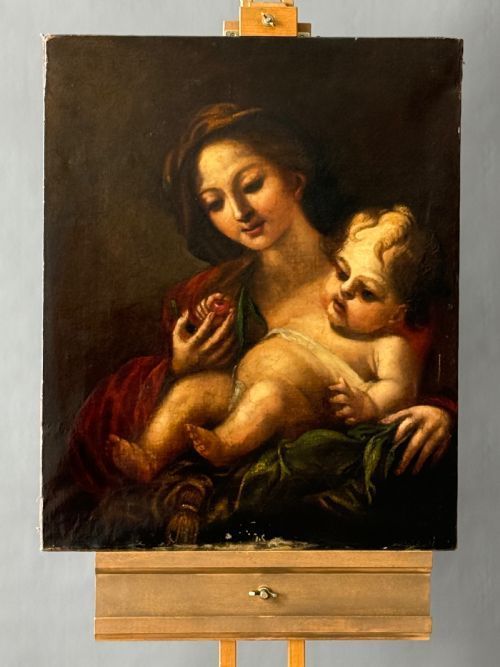
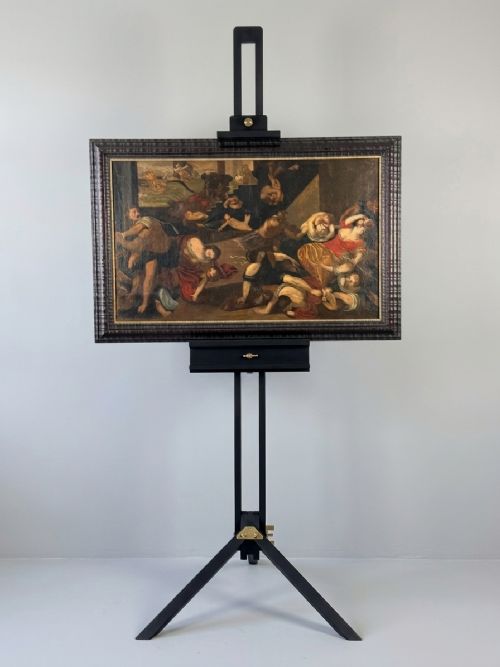
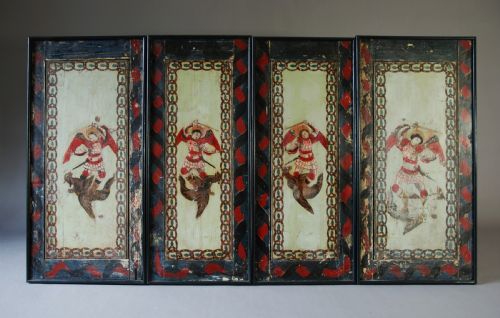
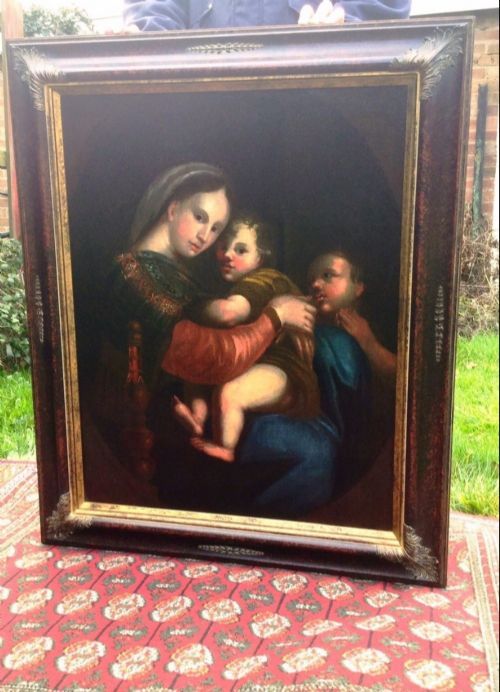
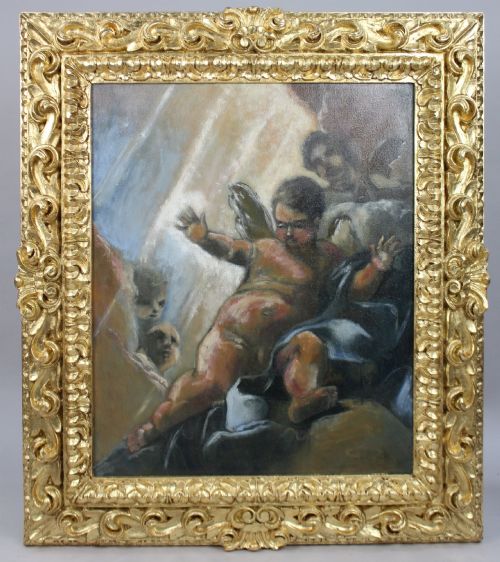
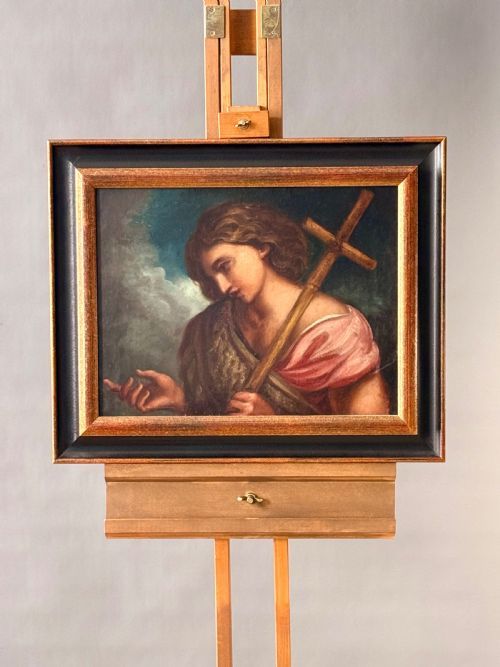
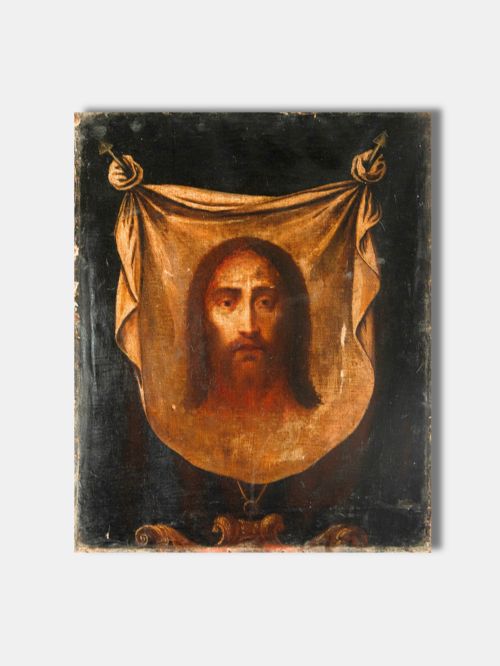
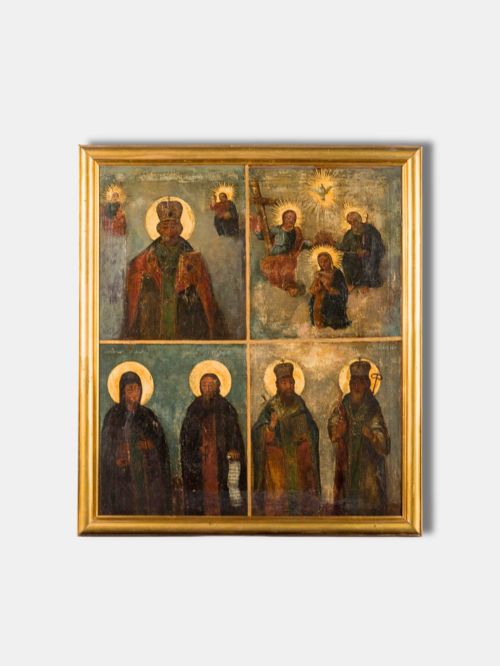
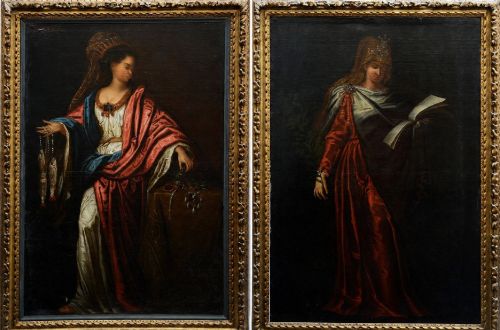
An antique religious painting encompasses devotional canvases, altarpieces, and iconographic works created across European and regional schools from the sixteenth century onward. Collectors encounter Italian and Spanish Baroque compositions, Russian Orthodox icons, and naive continental interpretations depicting biblical narratives and saints.
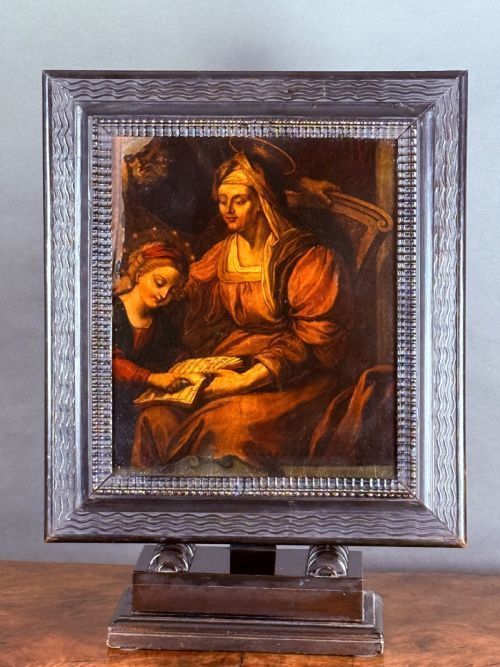
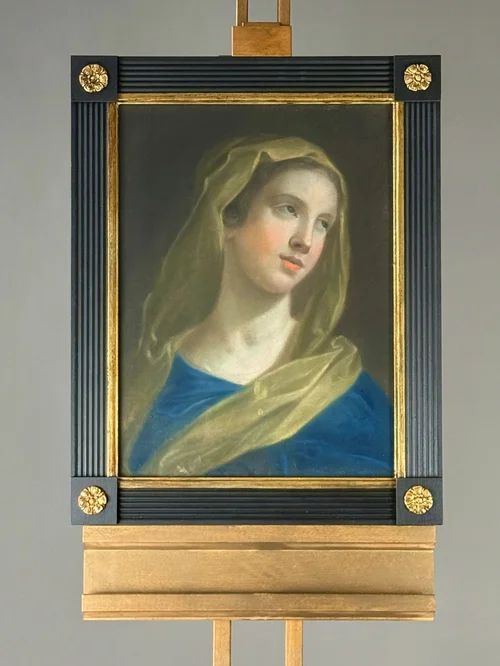
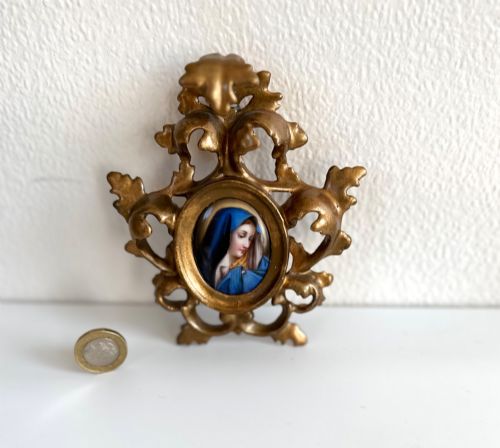
The selections span monumental oil paintings on canvas, intimate reverse glass mezzotints, and delicate miniature portraits on paper. Works range from sophisticated old master studies to decorative regional panels and nineteenth-century revival pieces.
Materials and Construction
Painters utilised oil and tempera pigments applied to stretched canvas, prepared wooden panels, and paper supports, frequently incorporating gold leaf and giltwood framing. Reverse glass techniques required applying pigment directly to glass plates to achieve luminous visual depth.
Carved wooden elements and polychromed figures complement canvas works, demonstrating traditional joinery and surface preparation methods. Frames often feature carved gesso and gilding characteristic of period workshops.
Antique Religious Painting Retail Price Guide 2026
Typical asking prices for religious painting among the pieces listed under this phrase on Sellingantiques today, from the lower quarter to the upper quarter. They describe what is for sale here now, not the wider market.
Represented regional traditions include Italian Baroque, Spanish schools, Russian Orthodox iconography, and French devotional painting.
Assessing Quality and Execution
Quality rests upon the confidence of the brushwork, the integrity of the composition, and the fidelity of the execution to its stated period or school. Masterly handling of drapery, facial expression, and light separates accomplished studio output from more derivative or provincial pieces.
The preservation of the original paint surface and support materially influences the standing of a work. Subtle details such as visible pentimenti reveal the evolving thought of the painter during creation.
Francesco Solimena·Benedetto Luti·Jozef Jansessens·Sebastiaan Vrancx·Bernardino Luini
The Antique Religious Painting Glossary
- Pentimento
- A visible trace of earlier painting beneath the completed layer, showing where the artist changed their composition. These alterations provide evidence of an authentic hand at work.
- Giltwood
- Timber that has been coated with a thin layer of gold leaf or gold powder. This finish is frequently found on elaborate frames and devotional tabernacles.
- Tempera
- A permanent, fast-drying painting medium consisting of coloured pigments mixed with a water-binder agent. It was widely utilised for icons and early panel paintings before oil paints predominated.
- Reverse glass painting
- An art form where the artist paints directly on the back of a glass pane. When viewed from the front, the image exhibits a glossy and vibrant finish.
- Baroque
- A European style spanning the seventeenth and eighteenth centuries characterised by dramatic movement and deep chiaroscuro lighting. Religious works from this movement emphasise emotional intensity and theatrical narrative.
Antique Religious Painting: Frequently Asked Questions
How do I identify the period of a religious painting?
Dating relies upon examining the preparation of the canvas or wood panel, the formulation of the pigments, and the stylistic conventions of the school represented. Frame construction and fastening methods also offer reliable clues to the age of the piece.
Analysing the subject matter and garments depicted helps narrow down the century of production. Comparing works against documented regional schools provides further confirmation.
What is a reverse glass painting?
A reverse glass painting is created by applying paint and gold leaf to the rear side of a glass sheet, viewing the finished image through the front. This technique protects the pigment layer from atmospheric dust and surface damage.
The resulting surface possesses a characteristic reflective sheen distinct from canvas works. These pieces were often produced for domestic shrines and personal devotion.
How were these paintings used originally?
These works served as focal points for prayer and contemplation within domestic households, private chapels, and ecclesiastical institutions. Portable icons and miniature portraits accompanied individuals during travel and daily devotions.
Larger altarpieces and narrative panels instructed the faithful through vivid visual storytelling. They anchored spiritual spaces and commemorated significant biblical events.
What does circle or follower mean in a title?
Attributions containing circle denote an artist working in close association with a master, absorbing their specific technique and composition style. Follower indicates a later hand working directly under the influence of a prominent master or school.
These designations help contextualize the artistic lineage when a direct signature is absent. They reflect studio practices common across historical European workshops.