

Antique Red Table
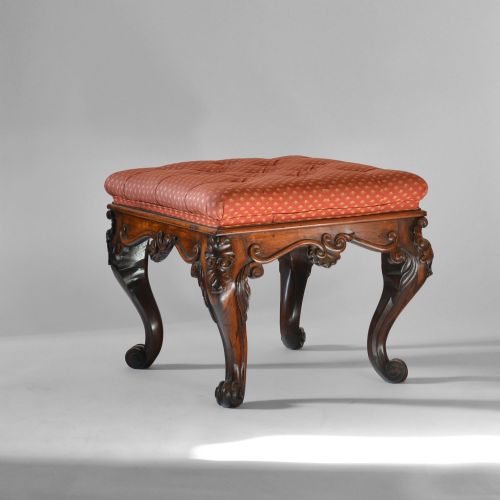
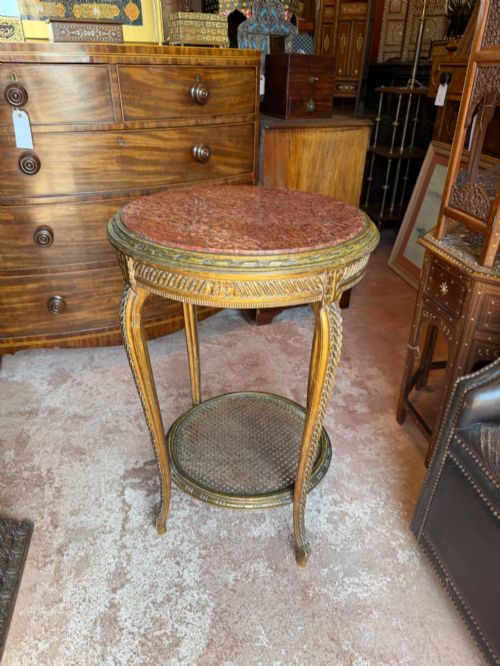
An antique red table brings depth and warmth to a room through rich red walnut, lacquer and painted surfaces.
Antique Red Table
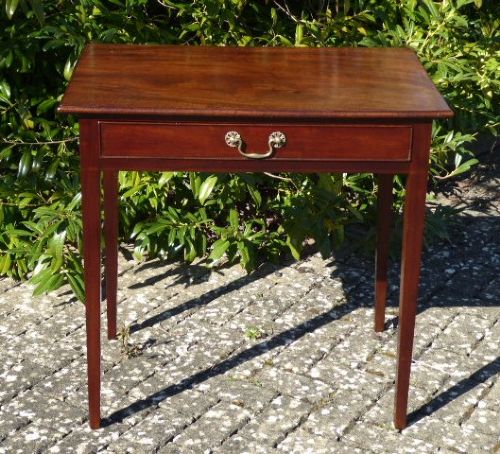
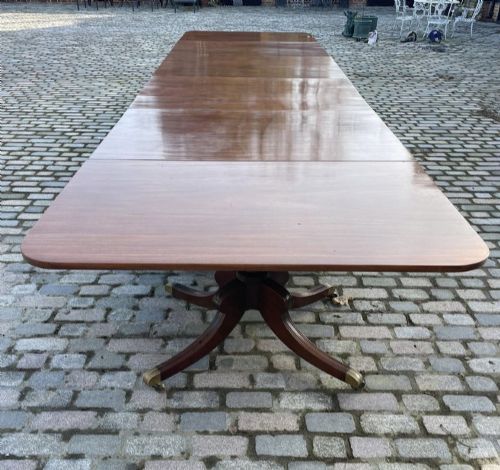
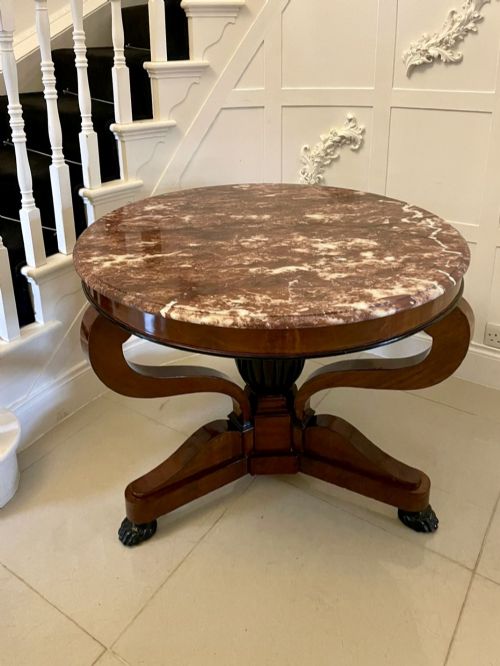
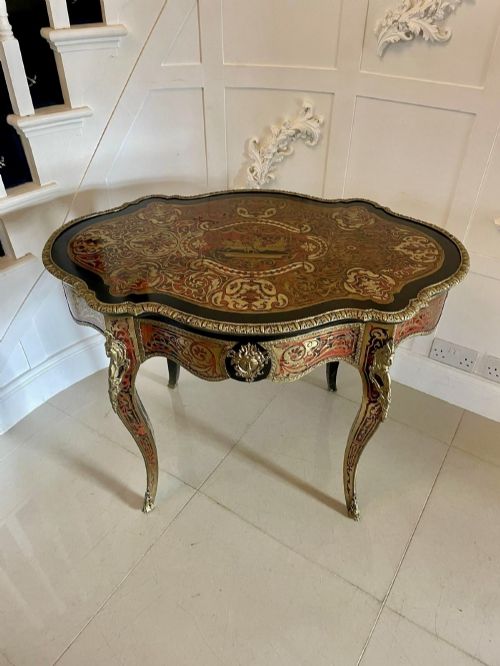
The term antique red table covers a range of historic surfaces and timbers, predominantly focusing on rich red walnut, lacquer finishes and painted pieces. Buyers searching this phrase encounter examples from the Georgian period through to the early twentieth century.
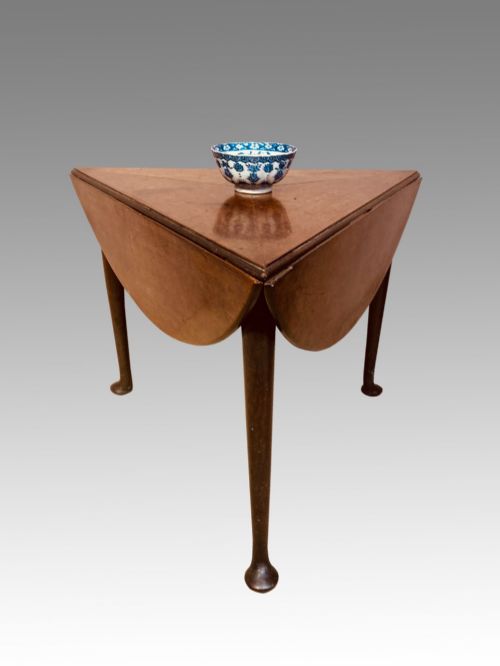
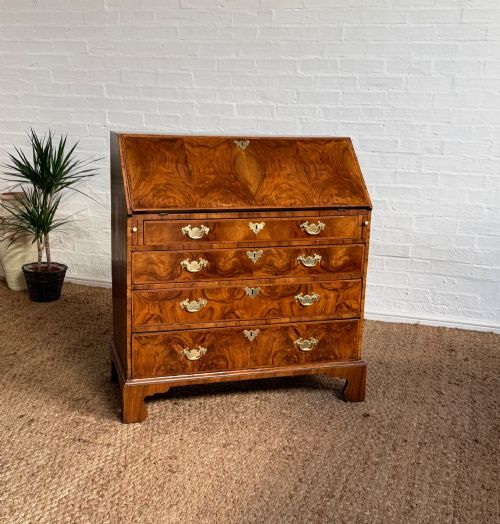
The selection includes drop-leaf and gateleg tables in red walnut alongside Chinoiserie lacquered lamp tables and red painted cupboards. These pieces combine practical utility with distinctive colour palettes developed through historic finishing techniques.
How they were made
Construction relies heavily on traditional timbers such as walnut, mahogany and rosewood, joined with cabinet-making methods suited to each period. Surface finishes include layered lacquer, japanning and red leather inserts applied to writing surfaces.
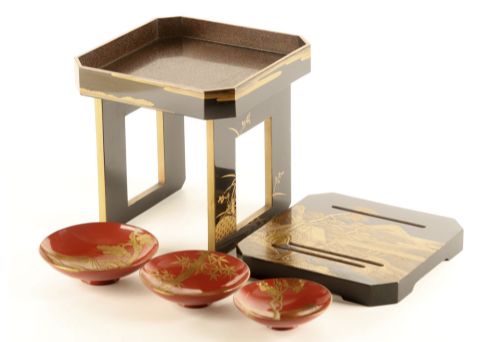
Decorative details encompass gilt bronze mounts, hand-painted Chinoiserie motifs and fine wood veneers. Master craftsmen employed natural resins, pigments and oils to achieve durable, lustrous surfaces that survive in historic examples.
A tiny portico desk clock keeps watch beside miniature bronze stallions.
What varies in quality
Quality separates pieces by the depth of timber figure, the preservation of original lacquer or painted decoration, and the crispness of hand-carved details. Superior examples retain their original surface patination without excessive restoration.
Construction integrity distinguishes workshop standards, visible in the tightness of joinery, the selection of solid secondary woods, and the harmonious integration of decorative mounts or inlays.
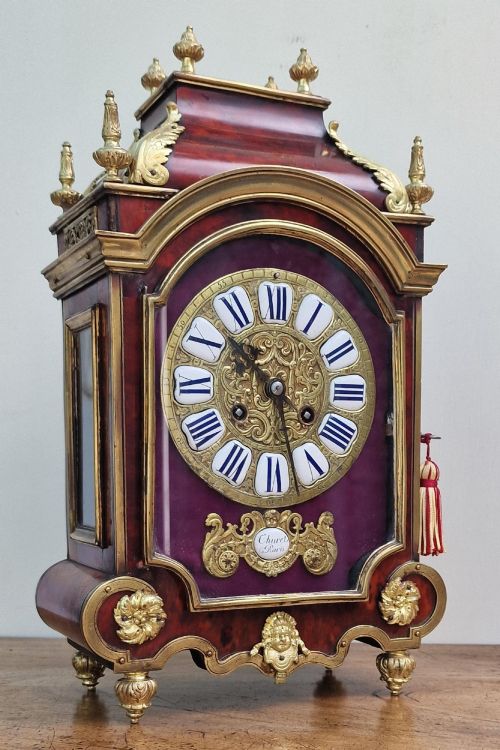
Thuret Paris·Richard Evered and Sons·Georg Adam Scheid
The Antique Red Table Glossary
- Red walnut
- A dense domestic timber prized in the eighteenth century for its rich reddish-brown tone and distinct grain figure. It was frequently utilised for fine dining, drop-leaf and tripod tables.
- Japanning
- European imitation of East Asian lacquerwork built up through multiple layers of varnish and pigment. This technique created glossy, durable decorative surfaces on side and lamp tables.
- Gateleg table
- A drop-leaf table supported by swinging legs that pivot out from the frame. This form offered adaptable surface space in historic domestic interiors.
Antique Red Table: Frequently Asked Questions
How do I clean an antique red lacquer table?
Dust gently with a dry, soft microfibre cloth to remove surface particles without scratching the finish. Avoid all chemical sprays, alcohol wipes and excess water, which damage historic lacquer.
For stubborn marks, consult a professional conservator rather than attempting home remedies. Maintaining a stable indoor humidity prevents the lacquer ground from cracking or lifting over time.
Can I use an antique red walnut table daily?
These tables served domestic life for centuries and handle everyday use well when treated with care. Use coasters and placemats to protect the historic timber surface from heat and moisture rings.
Position the table away from direct sunlight and strong heat sources to prevent the wood from drying out. Periodic waxing preserves the natural patina and nourishes the red walnut grain.
How do I distinguish red walnut from mahogany?
Red walnut displays a warmer, more golden undertone with intricate grain patterns and visible growth rings. Mahogany tends to lean toward a pinkish or deep reddish-brown with a straighter, more uniform grain.
Examining the weight and density also helps, as walnut often feels slightly heavier than standard mahogany furniture of comparable dimensions.
What is the difference between Chinoiserie and japanning?
Chinoiserie is the broader stylistic umbrella describing European interpretations of Chinese design motifs and landscapes. Japanning refers specifically to the technical process of applying layered varnishes and resin coatings to mimic Asian lacquer.
Many Chinoiserie tables utilise japanning techniques to build up their distinct red and gold decorative surfaces.