







Antique Red Rug
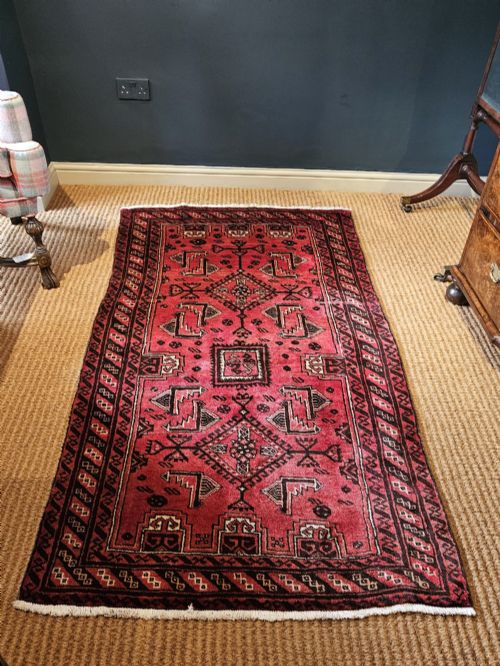
An antique red rug brings warmth and deep grounding colour to a room through centuries of tribal and village weaving traditions.
Antique Red Rug
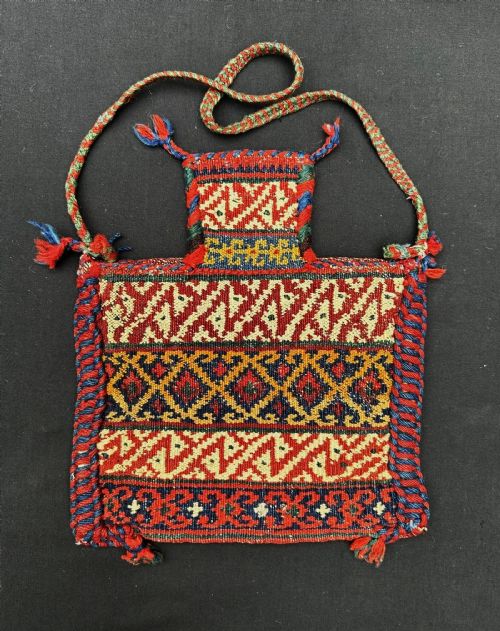
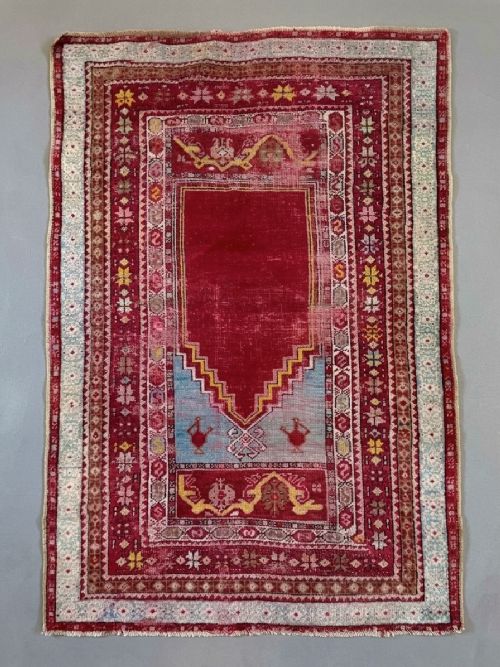
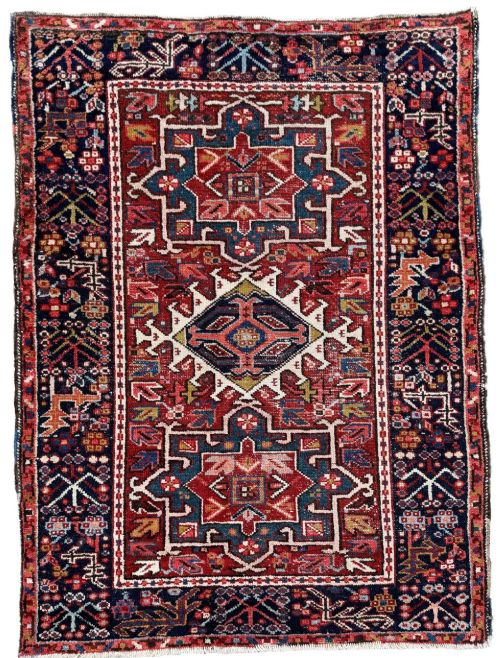
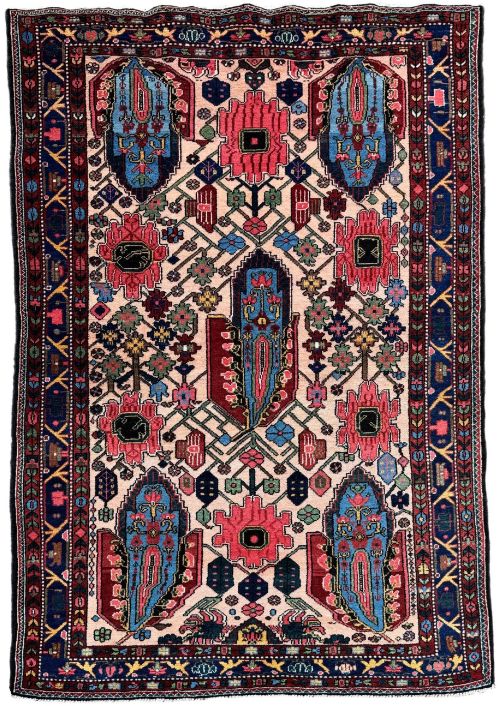
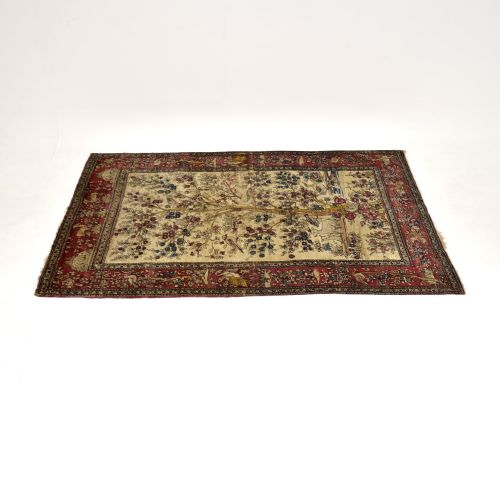
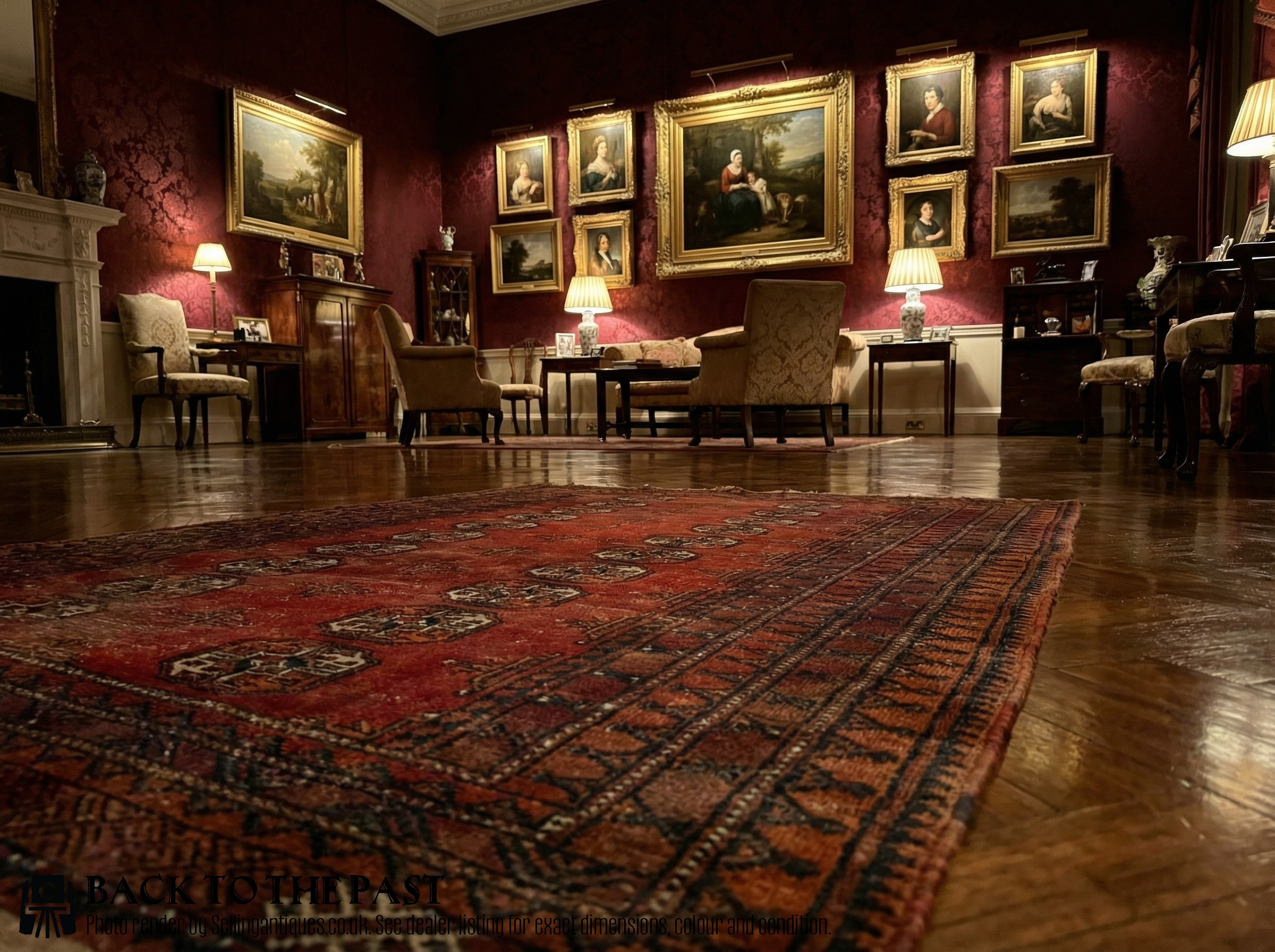
An antique red rug encompasses hand-knotted floor coverings, runners, prayer rugs, and tribal textiles originating from Persia, the Caucasus, Anatolia, and Central Asia. These pieces date from the nineteenth century through the early decades of the twentieth century, reflecting distinct regional designs and tribal motifs.
The versions most commonly met on this page include Persian village and city carpets, Caucasian tribal runners, and Central Asian Turkmen main carpets. Buyers search for these items to introduce authentic historic character and rich madder grounds into domestic interiors.
How They Were Made
Weavers constructed these textiles predominantly using wool, hand-spun wool, and cotton foundations, occasionally incorporating silk threads for detailed highlights. Natural dyes produced the characteristic madder red, rust, and crimson fields found across the pieces.
Production methods relied on traditional hand-knotting and flat-weaving techniques passed down through generations in regions such as Heriz, Kazak, and Turkmenistan.
Antique Red Rug Retail Price Guide 2026
Typical asking prices for red rug among the pieces listed under this phrase on Sellingantiques today, from the lower quarter to the upper quarter. They describe what is for sale here now, not the wider market.
What Varies In Quality
Quality in these textiles depends heavily on the precision of the drawing and the complexity of the tribal design. Tighter knot density and finer wool preparation contribute to longevity and distinct pattern clarity.
The depth and variation of the natural red dye, often showing subtle abrash across the field, separate standard village work from exceptional regional examples.
The Antique Red Rug Glossary
- Abrash
- Natural colour variation within a hand-knotted rug resulting from different dye batches or changes in wool supply over time. This tonal shifting adds visual depth to the red field.
- Madder
- A natural red dye derived from the roots of the Rubia plant used extensively in traditional weaving. It produces earthy reds, rusts, and soft crimson tones.
- Mihrab
- A arched architectural motif found on prayer rugs representing the direction of Mecca. Weavers often position this niche at one or both ends of the rug.
- Kilim
- A flat-woven textile produced without a pile. These pieces serve as rugs, wall hangings, or functional bags in tribal households.
- Runner
- A long, narrow carpet format designed for hallways, corridors, or narrow spaces. They frequently display repeating geometric medallions or boteh motifs.
Antique Red Rug: Frequently Asked Questions
How do I clean an old rug?
Maintenance requires gentle vacuuming without a beater bar to protect the wool pile and delicate foundation threads. Professional cleaning specifically suited for antique textiles remains essential for addressing deep cleaning.
Water exposure and harsh chemical detergents damage natural dyes and fibres. Surface spills require immediate blotting with a clean, dry cloth.
Where were these rugs made?
Origins span traditional weaving centres across Persia, the Caucasus, Anatolia, and Central Asia. Specific regions include Kerman, Shirvan, Turkmenistan, and the Afghan borderlands.
Each area developed distinct palettes and geometric or floral motifs. Local tribes passed down these specific design vocabularies across generations.
What is a prayer rug?
Prayer rugs feature a prominent mihrab arch design indicating the direction of prayer. Users placed these portable textiles on the floor during daily devotions.
Dimensions tend to be smaller than main carpets to allow for easy transport. Anatolian and Caucasian weavers produced many notable examples with distinct prayer arches.
How do I date a woven rug?
Dating relies on material analysis, dye types, structural format, and stylistic evolution. Natural madder dyes and hand-spun wool point toward nineteenth and early twentieth-century production.
Comparison with documented examples from specific tribal regions helps narrow the decade of manufacture. Wear patterns and structural construction provide further chronological clues.